
3-Month Sustainable Wardrobe 2026: Insider Tips for Conscious Consumers
Advertisements
The sustainable wardrobe 2026 guide offers a clear roadmap for embracing ethical fashion practices. This guide empowers individuals to make informed choices, fostering a wardrobe that is both stylish and environmentally responsible. It breaks down complex sustainability concepts into actionable steps, ensuring accessibility for all.
The 3-Month Guide to Building a Sustainable Wardrobe in 2026: Insider Tips for Conscious Consumers (INSIDER KNOWLEDGE) is currently shaping the discourse on ethical fashion, providing crucial insights into conscious consumption. This in-depth guide, developed through extensive research and expert consultations, offers a structured approach to transforming personal style while minimizing environmental impact. It emphasizes practical strategies for identifying sustainable brands, understanding material lifecycles, and adopting habits that promote garment longevity.
The imperative for sustainable fashion has never been clearer, with consumers increasingly demanding transparency and ethical practices from brands. This guide serves as a timely resource, addressing the growing need for actionable advice in a market often saturated with greenwashing. It aims to equip individuals with the knowledge to navigate these complexities, making truly informed decisions that align with their values.
Advertisements
As the fashion industry continues its slow but steady pivot towards sustainability, having a reliable framework like this sustainable wardrobe 2026 guide becomes indispensable. It represents a proactive step for anyone committed to reducing their ecological footprint and contributing to a more responsible future for apparel. This guide is not just about clothes; it’s about a lifestyle shift.
Understanding the Core Principles of Sustainable Fashion
Embarking on the journey outlined in the sustainable wardrobe 2026 guide begins with a foundational understanding of what sustainable fashion truly entails. It moves beyond fleeting trends, focusing instead on the entire lifecycle of a garment, from its raw materials to its eventual disposal. This holistic view is critical for making genuinely impactful choices.
Sustainable fashion prioritizes environmental conservation, fair labor practices, and the reduction of waste and pollution throughout the production chain. This means considering aspects like water usage, chemical dyes, carbon emissions, and the welfare of garment workers. It challenges the traditional fast-fashion model, advocating for quality over quantity.
Advertisements
For conscious consumers, this principle translates into seeking out brands that are transparent about their supply chains, use eco-friendly materials, and offer repair services or take-back programs. The sustainable wardrobe 2026 guide provides detailed criteria for evaluating these aspects, ensuring consumers can discern genuine efforts from mere marketing ploys.
The Role of Ethical Sourcing and Production
Ethical sourcing is a cornerstone of sustainable fashion, ensuring that materials are obtained without exploiting natural resources or human labor. This involves investigating the origins of fabrics, such as organic cotton, recycled polyester, or innovative bio-based alternatives. Brands committed to ethical sourcing often hold certifications from recognized organizations.
Production processes also play a crucial role, with sustainable practices minimizing environmental harm and ensuring safe, fair working conditions. This includes reducing water and energy consumption, managing waste responsibly, and paying living wages to all employees. The sustainable wardrobe 2026 guide highlights the importance of supporting brands that adhere to these high standards.
- Verify certifications like GOTS (Global Organic Textile Standard) or Fair Trade.
- Research brand transparency reports and supplier lists.
- Prioritize brands that invest in circular economy initiatives.
Longevity and Circularity in Garment Design
Designing for longevity means creating durable, timeless pieces that can withstand years of wear and transcend seasonal trends. This reduces the need for frequent replacements, directly combating the throwaway culture of fast fashion. High-quality construction and classic styles are key indicators of a garment designed to last.
Circularity takes this concept further, aiming to keep materials in use for as long as possible through repair, reuse, and recycling. Brands embracing circularity often offer repair services, facilitate second-hand markets, or use recycled content in their new collections. The sustainable wardrobe 2026 guide champions these practices as essential for a truly sustainable system.
- Invest in versatile, well-made pieces that can be easily styled in multiple ways.
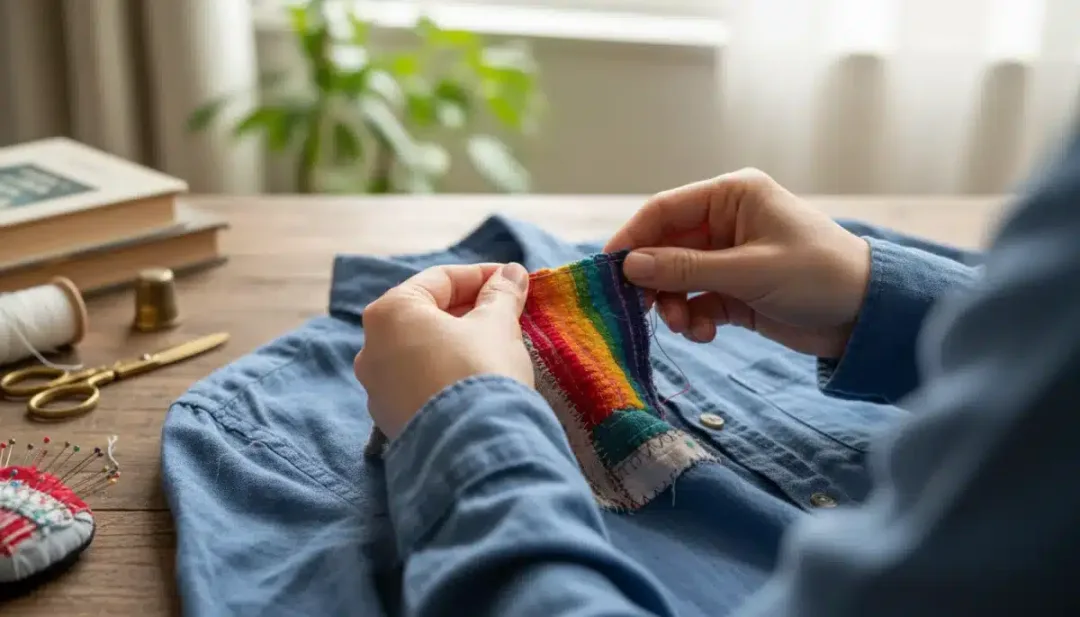
- Learn basic mending skills to extend the life of your clothes.
- Explore second-hand markets, clothing swaps, and rental services.
Month 1: Decluttering and Defining Your Style
The initial phase of the sustainable wardrobe 2026 guide focuses on a critical first step: a comprehensive wardrobe audit. This involves a thorough examination of existing garments, helping to identify what you truly wear, what no longer serves you, and what needs to be responsibly discarded or repurposed. It’s an exercise in mindful consumption.
Decluttering is not merely about throwing things away; it’s about understanding your personal style and identifying gaps or redundancies in your current collection. This clarity is essential before making any new purchases, ensuring that every addition is intentional and contributes to a cohesive wardrobe. This initial month sets the foundation for lasting change.
By defining your core style, you minimize impulse buys and align your choices with your authentic self, a key component of the sustainable wardrobe 2026 guide philosophy. This introspection helps in creating a wardrobe that is both functional and expressive, reducing the constant desire for newness driven by external trends.
The Wardrobe Audit: What to Keep, Donate, or Repurpose
Begin by emptying your closet and sorting items into three categories: ‘Keep,’ ‘Donate/Sell,’ and ‘Repair/Repurpose.’ Be honest about what you actually wear and what fits your current lifestyle. Items that haven’t been worn in a year are strong candidates for removal, unless they hold significant sentimental value.
For items in the ‘Donate/Sell’ pile, consider their condition. High-quality pieces can be sold on consignment or online platforms, while others can be donated to local charities. The ‘Repair/Repurpose’ category includes items that can be fixed, upcycled, or transformed into something new, extending their life cycle.
- Assess each item for wear, fit, and emotional connection.
- Research local donation centers or reputable resale platforms.
- Identify items that can be mended or creatively repurposed.
Identifying Your Core Style and Color Palette
Understanding your personal style is paramount in building a sustainable wardrobe, as it guides future purchasing decisions and prevents unnecessary acquisitions. Pay attention to the types of clothes you feel most comfortable and confident in, and identify recurring themes in your favorite outfits. This clarity is a direct recommendation from the sustainable wardrobe 2026 guide for long-term success.
Developing a cohesive color palette also simplifies wardrobe management, allowing for easier mixing and matching of garments. Choose a few core neutral colors that form the base of your wardrobe, then add complementary accent colors that reflect your personality. This strategy maximizes versatility and reduces the need for excessive items.
- Create a mood board of outfits and styles that inspire you.
- Analyze your existing ‘Keep’ pile to identify your preferred colors and silhouettes.
- Consider a capsule wardrobe approach to streamline your choices.
Month 2: Researching and Conscious Acquisitions
With a clear understanding of your style and a decluttered closet, Month 2 of the sustainable wardrobe 2026 guide shifts focus to informed purchasing. This phase is about strategic acquisition, ensuring that any new items align with your sustainable goals and fill genuine gaps in your wardrobe. It requires patience and diligent research.
Conscious acquisition means moving away from impulse buying and towards thoughtful investment in pieces that will last. This involves scrutinizing brands for their sustainability credentials, material choices, and ethical production practices. The goal is to support companies that are genuinely committed to positive environmental and social impact.
This month emphasizes quality over quantity, encouraging consumers to view clothing as long-term investments rather than disposable commodities. By following this approach, consumers actively contribute to a reduction in fashion waste and promote a more responsible industry, as highlighted in the sustainable wardrobe 2026 guide.
Evaluating Sustainable Brands and Materials
When researching brands, look for transparency regarding their supply chains, manufacturing processes, and labor practices. Reputable sustainable brands often publish detailed sustainability reports and hold certifications from third-party organizations. Avoid brands that make vague claims without concrete evidence.
Material choice is another critical component. Prioritize natural fibers like organic cotton, linen, hemp, and Tencel, which are renewable and biodegradable. Also, consider innovative recycled materials such as recycled polyester or regenerated nylon, which divert waste from landfills. The sustainable wardrobe 2026 guide recommends understanding the environmental impact of various textiles.
- Check for certifications like Bluesign, OEKO-TEX, or Fair Wear Foundation.
- Research the brand’s commitment to fair wages and safe working conditions.
- Choose materials with a low environmental footprint.
Making Intentional Purchases: Quality Over Quantity
Before making a purchase, ask yourself if the item genuinely fills a need in your wardrobe and if it aligns with your defined personal style. Consider its versatility and how many different outfits it can create with your existing clothes. This intentionality helps prevent redundant buys and ensures maximum utility from each piece.
Investing in higher-quality garments, though often more expensive upfront, typically results in better durability and longevity, reducing the need for frequent replacements. This long-term perspective is central to the sustainable wardrobe 2026 guide, promoting a shift from fast fashion to enduring style. Quality craftsmanship often signals a brand’s commitment to sustainability.
- Create a shopping list based on your wardrobe gaps and needs.
- Prioritize versatile pieces that can be dressed up or down.
- Read reviews and examine fabric composition and construction.
Month 3: Care, Maintenance, and Circularity Practices
The final month of the sustainable wardrobe 2026 guide focuses on extending the life of your garments through proper care, maintenance, and participation in circular economy practices. This phase ensures that your investment in sustainable clothing yields maximum return, both for your wallet and the planet. It’s about nurturing what you already own.
Proper garment care significantly reduces environmental impact by minimizing water and energy consumption associated with washing and drying, and by delaying the need for replacements. Understanding fabric-specific care instructions is crucial for preserving the quality and integrity of your clothes. This knowledge is a key takeaway from the sustainable wardrobe 2026 guide.
Furthermore, actively engaging in circularity through repair, upcycling, and responsible disposal closes the loop on your fashion consumption. This final stage solidifies your commitment to a truly sustainable wardrobe, ensuring that clothing items are either given a new life or returned to the earth responsibly. It’s a continuous cycle of conscious living.
Extending Garment Life Through Proper Care
Follow care labels diligently, opting for colder water washes and air-drying whenever possible to conserve energy and prevent fabric damage. Use eco-friendly detergents that are free from harsh chemicals, which can harm both your clothes and the environment. Gentle handling extends the lifespan of delicate fabrics.
Regular maintenance, such as prompt stain removal and proper storage, also contributes to garment longevity. Understanding the specific needs of different materials, like wool or silk, can prevent shrinkage, fading, or stretching. The sustainable wardrobe 2026 guide emphasizes that care is as important as the initial purchase.
- Wash clothes less frequently and spot clean when possible.
- Learn basic mending techniques for minor repairs.
- Store garments properly to prevent damage and maintain shape.
Embracing Repair, Upcycling, and Responsible Disposal
Instead of discarding damaged items, explore options for repair. Many local tailor shops offer affordable mending services, or you can learn basic sewing skills yourself. Repairing extends the life of your clothes, reducing waste and saving money. This practice is a core tenet of the sustainable wardrobe 2026 guide for maximizing utility.
Upcycling involves transforming old or unwanted garments into new, functional items, giving them a second life. This can range from simple alterations to complete redesigns. When items are truly beyond repair or repurposing, ensure responsible disposal through textile recycling programs, preventing them from ending up in landfills.
- Support local tailors and repair services.
- Get creative with upcycling projects for old clothes.
- Locate textile recycling facilities in your area for end-of-life garments.
Navigating Greenwashing and Authenticity in Fashion
As the demand for sustainable fashion grows, so does the prevalence of greenwashing, where brands make misleading claims about their environmental practices. The sustainable wardrobe 2026 guide equips consumers with the tools to discern genuine sustainability efforts from deceptive marketing. Critical thinking and thorough research are your best allies.
Authenticity in sustainable fashion stems from transparency, verifiable certifications, and a commitment to continuous improvement across the entire supply chain. Brands that are truly sustainable are often open about their challenges and progress, rather than presenting a flawless image. This honesty builds consumer trust and fosters meaningful change.
Consumers must remain vigilant, questioning vague statements and seeking concrete evidence of sustainable practices. This critical approach, emphasized throughout the sustainable wardrobe 2026 guide, empowers individuals to support brands that truly embody ethical and environmental responsibility, driving the industry towards greater accountability.
Identifying Misleading Claims and Marketing Tactics
Beware of terms like “eco-friendly,” “natural,” or “sustainable” without accompanying evidence or specific details. Greenwashing often uses evocative language and imagery without providing data on material sourcing, production processes, or labor conditions. A lack of transparency is a major red flag for any brand claiming to be sustainable.
Also, watch out for brands that highlight one small sustainable initiative while overlooking significant environmental or social issues in other parts of their operations. This selective disclosure can create a misleading impression of overall sustainability. The sustainable wardrobe 2026 guide advises a comprehensive review of a brand’s practices.
- Look for specific metrics and verifiable data, not just buzzwords.
- Question certifications that seem unfamiliar or lack independent verification.
- Be skeptical of brands that offer extremely low prices alongside sustainability claims.
The Power of Consumer Demand and Advocacy
Conscious consumer choices collectively hold immense power to influence the fashion industry. By consistently choosing genuinely sustainable brands and demanding greater transparency, consumers can drive systemic change. Every purchase is a vote for the kind of industry you want to support, a principle reinforced by the sustainable wardrobe 2026 guide.
Beyond purchasing decisions, engaging in advocacy, sharing information, and holding brands accountable amplifies this impact. Supporting organizations that champion ethical fashion and participating in campaigns for better labor laws and environmental regulations contribute to a broader movement. Your voice matters in shaping the future of fashion.
- Educate yourself and others about sustainable fashion issues.
- Engage with brands on social media, asking questions about their practices.
- Support policy initiatives that promote ethical and sustainable manufacturing.
The Economic and Social Benefits of a Sustainable Wardrobe
Adopting the principles of the sustainable wardrobe 2026 guide extends beyond environmental benefits, offering significant economic advantages to the conscious consumer. By investing in fewer, higher-quality items and extending their lifespan, individuals can reduce their overall expenditure on clothing in the long run. This shift from disposable fashion to durable goods fosters financial prudence.
Socially, a sustainable wardrobe supports fair labor practices and improves the livelihoods of garment workers globally. By choosing brands committed to ethical production, consumers contribute to a more equitable fashion industry, where human rights are respected and fair wages are paid. This aligns with broader movements for social justice and corporate responsibility.
The movement towards sustainable fashion also fosters a deeper connection with clothing, transforming it from a transient commodity into valued possessions. This encourages creativity in styling and a greater appreciation for craftsmanship, moving away from the constant pursuit of newness. The sustainable wardrobe 2026 guide champions this mindful approach to personal style.
Long-Term Savings and Reduced Consumption
While sustainable clothing might have a higher upfront cost, its durability and timeless design mean less frequent purchases, leading to significant savings over time. The focus on quality over quantity embodied in the sustainable wardrobe 2026 guide directly counters the wasteful cycle of fast fashion, where cheap, poorly made garments are constantly replaced.
Reduced consumption also frees up financial resources that can be allocated to other areas, or invested further in truly ethical and sustainable goods. This mindful spending habit creates a more stable financial position for consumers, allowing for more deliberate and impactful choices across all aspects of their lives. It’s a holistic economic benefit.
- Calculate the cost per wear for high-quality items versus fast fashion.
- Utilize repair services to extend garment life and avoid replacement costs.
- Prioritize versatile pieces to maximize outfit combinations from fewer items.
Supporting Ethical Labor and Community Development
Choosing brands that adhere to fair labor standards ensures that the people who make your clothes are treated with dignity and paid a living wage. This support directly impacts communities by fostering economic stability and improving working conditions in garment-producing regions. The sustainable wardrobe 2026 guide emphasizes the human element of fashion production.
Many sustainable brands also invest in community development initiatives, such as education programs or healthcare access for their workers and their families. By supporting these brands, consumers contribute to a positive social impact that extends far beyond the factory floor, creating a ripple effect of empowerment and growth.
- Research brands’ labor practices and supply chain transparency.
- Look for Fair Trade certification or similar ethical production labels.
- Support brands that are transparent about their social impact initiatives.
The Future of Fashion: Trends and Innovations for 2026
The landscape of sustainable fashion is continuously evolving, with exciting innovations and emerging trends shaping its future. The sustainable wardrobe 2026 guide anticipates a greater integration of technology for transparency and efficiency, alongside a growing consumer demand for hyper-personalized and circular solutions. This dynamic environment promises exciting developments.
Advancements in material science are leading to the development of novel, eco-friendly fabrics that offer both performance and minimal environmental impact. From bio-engineered textiles to advanced recycling technologies, the industry is poised for transformative change. These innovations will make sustainable choices even more accessible and appealing to a broader audience.
Moreover, the concept of a ‘wardrobe as a service’ and increased adoption of digital fashion are set to redefine how we consume and interact with clothing. These shifts, outlined in the sustainable wardrobe 2026 guide, suggest a future where ownership is less central, and access to diverse, sustainable styles becomes paramount. The industry is moving towards a more fluid and responsible model.
Technological Advancements in Sustainable Production
Innovations such as 3D printing for garments, AI-driven design to minimize waste, and blockchain technology for supply chain transparency are becoming more prevalent. These technologies offer unprecedented levels of efficiency and accountability, making it easier for brands to track and report their environmental footprint. The sustainable wardrobe 2026 guide expects these to be standard by 2026.
New dyeing techniques that use less water and harmful chemicals, along with advanced textile recycling methods that can effectively break down and reconstitute mixed fibers, are also transforming production. These advancements are crucial for mitigating fashion’s traditional environmental impact. They represent a significant leap towards truly circular manufacturing processes.
- Look for brands experimenting with innovative production methods.
- Support companies investing in research and development for sustainable materials.
- Demand greater transparency through digital tracking and reporting systems.
The Rise of Circular Business Models and Digital Fashion
Subscription services for clothing, rental platforms, and greater emphasis on resale markets are gaining traction, promoting a paradigm shift from ownership to access. These circular business models extend the lifespan of garments and reduce overall consumption, aligning perfectly with the principles of the sustainable wardrobe 2026 guide.
Digital fashion, including virtual try-ons and clothing for avatars, offers an exciting avenue for creative expression without physical production. This reduces material waste and carbon emissions, providing a sustainable alternative for trend experimentation. As technology evolves, digital fashion is set to play a significant role in a truly sustainable future.
- Explore clothing rental and subscription services to diversify your wardrobe sustainably.
- Participate in second-hand markets to buy and sell pre-loved items.
- Consider the potential of digital fashion for creative and sustainable expression.
Integrating Mindfulness and Personal Values into Your Wardrobe
Beyond the practical steps, the sustainable wardrobe 2026 guide emphasizes the importance of integrating mindfulness and personal values into every aspect of your fashion choices. This means cultivating a deeper awareness of how your clothing impacts not only the environment but also your well-being and sense of self. It’s a journey of self-discovery through style.
Mindful consumption encourages a deliberate approach to purchasing, where each item is chosen with intention and purpose, reflecting your core beliefs. This contrasts sharply with impulsive, trend-driven buying, fostering a more satisfying and authentic relationship with your clothes. Your wardrobe becomes a true extension of your values.
By aligning your wardrobe with your personal values, you create a powerful statement about what you stand for, contributing to a more conscious and ethical world. This holistic perspective, central to the sustainable wardrobe 2026 guide, transforms fashion from a mere necessity into a tool for positive change and self-expression.
Cultivating Mindful Consumption Habits
Practice conscious decision-making before every purchase, asking yourself questions about the item’s origin, materials, and long-term utility. This pause allows for reflection, preventing impulse buys and ensuring that each addition to your wardrobe is a thoughtful one. Mindfulness helps you resist the allure of fleeting trends.
Develop an appreciation for the craftsmanship and story behind your clothes, fostering a sense of gratitude and care for your possessions. This shifts your perspective from seeing clothes as disposable to viewing them as cherished items with a history and future. The sustainable wardrobe 2026 guide encourages this deeper connection.
- Before buying, consider if you truly need and love the item.
- Research the story behind brands and their commitment to ethical practices.
- Practice gratitude for your existing wardrobe and extend its life through care.
Aligning Fashion Choices with Personal Ethics
Your wardrobe can be a powerful reflection of your personal ethics and values. By consciously choosing brands that align with your beliefs on environmental protection, social justice, or animal welfare, you make a statement with every outfit. This intentional alignment fosters a sense of integrity and purpose in your consumption.
This commitment extends beyond initial purchase to how you care for and eventually dispose of your clothes. Every decision, from washing methods to recycling practices, can reflect your dedication to a more sustainable lifestyle. The sustainable wardrobe 2026 guide empowers you to embody your values through your daily fashion choices.
- Identify your core values related to sustainability and ethics.
- Seek out brands whose mission statements and practices resonate with your values.
- Use your wardrobe as a tool for personal expression and social advocacy.
Overcoming Challenges in Building a Sustainable Wardrobe
While the sustainable wardrobe 2026 guide provides a clear pathway, building a truly sustainable wardrobe can present various challenges for conscious consumers. These often include the higher upfront cost of ethical garments, the difficulty in verifying sustainability claims, and the limited availability of certain styles or sizes from eco-friendly brands. Navigating these obstacles requires patience and persistence.
Another common hurdle is overcoming the ingrained habits of fast fashion consumption, which often prioritizes immediate gratification and low prices. Shifting to a more mindful approach demands a change in mindset and a willingness to invest time in research and thoughtful decision-making. The journey is continuous and requires dedication.
Despite these challenges, the long-term benefits for personal finance, environmental impact, and ethical satisfaction far outweigh the initial difficulties. The sustainable wardrobe 2026 guide offers strategies to overcome these hurdles, making the transition to a sustainable wardrobe achievable and rewarding for everyone committed to the cause.
Addressing the Cost and Accessibility Barriers
The higher price point of sustainable fashion can be a significant barrier for many consumers. To mitigate this, focus on a ‘buy less, choose well’ philosophy, investing in versatile, timeless pieces that will last. Consider second-hand options, which offer sustainable choices at more affordable prices, a key tip from the sustainable wardrobe 2026 guide.
Accessibility can also be an issue, with sustainable brands sometimes having limited physical presence or catering to specific aesthetics. Explore online marketplaces dedicated to ethical fashion, and be open to discovering new brands that might not be mainstream. Your patience in seeking out these options will expand your sustainable choices.
- Prioritize essential, high-quality items and save for them.
- Explore online ethical marketplaces and second-hand fashion apps.
- Support local artisans and small sustainable businesses.
Battling Fast Fashion Habits and Mindsets
Breaking free from the allure of fast fashion requires a conscious effort to resist impulse purchases and instant gratification. Unsubscribe from fast fashion newsletters, unfollow influencers who promote excessive consumption, and actively seek inspiration from sustainable fashion communities. The sustainable wardrobe 2026 guide encourages a digital detox from harmful influences.
Reframe your perception of clothing from disposable items to cherished possessions. Focus on the joy of wearing well-made, ethically sourced garments that reflect your values, rather than the fleeting excitement of a new, cheap trend. This shift in mindset is crucial for long-term adherence to sustainable practices.
- Practice mindful shopping and create a clear shopping list.
- Educate yourself on the true cost of fast fashion.
- Celebrate your sustainable progress and share your journey with others.
| Key Aspect | Brief Description |
|---|---|
| Ethical Sourcing | Verifying material origins and fair labor practices in production. |
| Longevity & Care | Investing in durable items and proper maintenance to extend garment life. |
| Circularity | Embracing repair, reuse, recycling, and responsible disposal methods. |
| Conscious Buying | Prioritizing quality, necessity, and brand transparency over impulse buys. |
Frequently Asked Questions About Sustainable Wardrobes
What exactly does ‘sustainable fashion’ mean in 2026?
In 2026, sustainable fashion encompasses the entire lifecycle of a garment, from eco-friendly material sourcing and ethical labor practices to reduced waste and circularity. It prioritizes environmental protection and social equity, moving beyond basic green claims to verifiable transparency and accountability in the production chain.
How can I identify truly sustainable brands and avoid greenwashing?
Look for brands with transparent supply chains, third-party certifications (e.g., GOTS, Fair Trade), and detailed sustainability reports. Avoid vague claims without evidence. Truly sustainable brands are often open about their challenges and progress, providing concrete data on their environmental and social impact, as highlighted in the sustainable wardrobe 2026 guide.
Is building a sustainable wardrobe more expensive?
Initially, individual sustainable items might have higher price points due to ethical production and quality materials. However, by focusing on fewer, more durable pieces and extending their lifespan through care and repair, you can achieve long-term savings. The sustainable wardrobe 2026 guide emphasizes quality over quantity, reducing overall consumption.
What are the first steps for transitioning to a sustainable wardrobe?
Begin with a wardrobe audit to declutter and identify your core style. Then, research sustainable brands and make intentional purchases, prioritizing quality and versatility. Finally, focus on garment care, repair, and responsible disposal to extend the life of your clothes, following the phased approach of the sustainable wardrobe 2026 guide.
How do circular fashion practices contribute to sustainability?
Circular fashion aims to keep resources in use for as long as possible by designing for durability, facilitating repair and reuse, and enabling efficient recycling. Practices like clothing rental, second-hand markets, and textile recycling reduce waste and the demand for new production, aligning with the core tenets of the sustainable wardrobe 2026 guide.
Looking Ahead: The Evolving Landscape of Conscious Fashion
The journey towards a fully sustainable fashion ecosystem, guided by insights from the sustainable wardrobe 2026 guide, is dynamic and continuously evolving. As consumer awareness deepens and technological innovations advance, the industry is poised for even more significant shifts. Expect to see greater integration of AI for personalized, on-demand production and widespread adoption of bio-engineered materials that offer superior eco-credentials.
Furthermore, policy changes and increased regulatory oversight are likely to play a crucial role in standardizing sustainability claims and combating greenwashing more effectively. This will provide clearer pathways for conscious consumers, making it easier to make truly informed decisions. The collective impact of individual choices will continue to drive this transformation.
Monitoring these developments, understanding new certifications, and engaging with brands that lead the charge in ethical innovation will be key. The principles outlined in the sustainable wardrobe 2026 guide remain foundational, but staying informed about emerging trends and technologies will ensure your sustainable wardrobe continues to be both relevant and impactful in the years to come.
Written by
Maria Eduarda
Maria Eduarda writes about seasonal collections, fashion tips and outfit ideas for getclothez.com. Each article explains how things work, compares published details such as prices, policies and program rules, and points readers to the official source before they decide.