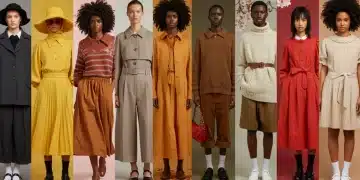
Polyester Blend Fast Fashion: Durability Meets Style

Advertisements
The polyester blend in fast fashion that actually lasts longer is a testament to textile innovation, providing consumers with garments that defy typical expectations of durability within affordable clothing categories.
In a world often characterized by fleeting trends and disposable items, the notion of the polyester blend in fast fashion that actually lasts longer might seem like a contradiction. Yet, advancements in textile science are bridging this gap, offering consumers garments that combine affordability with unexpected resilience. This article delves into how certain polyester blends are redefining durability in fast fashion, providing insights into their composition, benefits, and how you can make informed choices for a more enduring wardrobe.
Advertisements
Understanding Polyester and its Evolution in Textiles
Polyester, a synthetic polymer, has long been a staple in the textile industry due to its inherent strength, wrinkle resistance, and quick-drying properties. Originally, early iterations were often criticized for their stiff feel and lack of breathability. However, decades of research and development have transformed polyester into a versatile fiber that can mimic the aesthetics and comfort of natural materials while retaining its superior functional benefits.
The evolution of polyester has been remarkable. From its initial use in formal wear and industrial applications, it has permeated every segment of the apparel market. Modern manufacturing techniques allow for the creation of microfibers and specialized weaves that enhance its drape, softness, and moisture-wicking capabilities, making it suitable for everything from activewear to sophisticated blouses and dresses. This adaptability is key to its prevalence in fast fashion, where cost-effectiveness meets diverse style demands.
Advertisements
The Science Behind Polyester’s Durability
Polyester’s chemical structure, composed of long chains of repeating ester units, grants it exceptional tensile strength and resistance to stretching and shrinking. Unlike natural fibers that can degrade with repeated washing or exposure to sunlight, polyester fibers maintain their integrity. This makes them highly resistant to common issues like pilling, abrasion, and tearing, which are often culprits in the short lifespan of fast fashion items.
- Chemical Resistance: Polyester is largely unaffected by most chemicals, including many acids and alkalis, which contributes to its resilience against stains and environmental factors.
- Moisture Resistance: Its hydrophobic nature means it repels water, making it quick-drying and resistant to mildew, a common problem for natural fibers in humid conditions.
- UV Resistance: While not entirely impervious, many modern polyesters are treated or engineered to offer better UV resistance than some natural fibers, preventing color fading and fabric degradation from sun exposure.
- Shape Retention: The elasticity and memory of polyester fibers allow garments to retain their shape even after repeated wear and washing, preventing stretching or sagging.
The continuous innovation in polyester production ensures that designers and manufacturers can now create fabrics that not only look good but also stand up to the rigors of daily life, extending the wearability of fast fashion pieces significantly. This is a crucial development for consumers seeking value and longevity.
The Rise of Advanced Polyester Blends in Fast Fashion
Fast fashion, by its very nature, is often associated with transient trends and low-cost production, leading to perceptions of poor quality and short-lived garments. However, the strategic incorporation of advanced polyester blends is beginning to challenge this narrative. These aren’t your grandmother’s stiff polyester dresses; these are thoughtfully engineered fabrics designed for both aesthetic appeal and enhanced performance.
The key lies in blending polyester with other fibers, both natural and synthetic, to harness the best properties of each. For instance, combining polyester with cotton can result in a fabric that offers the softness and breathability of cotton with the wrinkle resistance and durability of polyester. Similarly, blends with spandex provide stretch and comfort, ideal for form-fitting garments and activewear. These blends are meticulously developed to meet specific design and functional requirements, ensuring the final product offers a superior experience to the wearer.
Popular Polyester Blends and Their Advantages
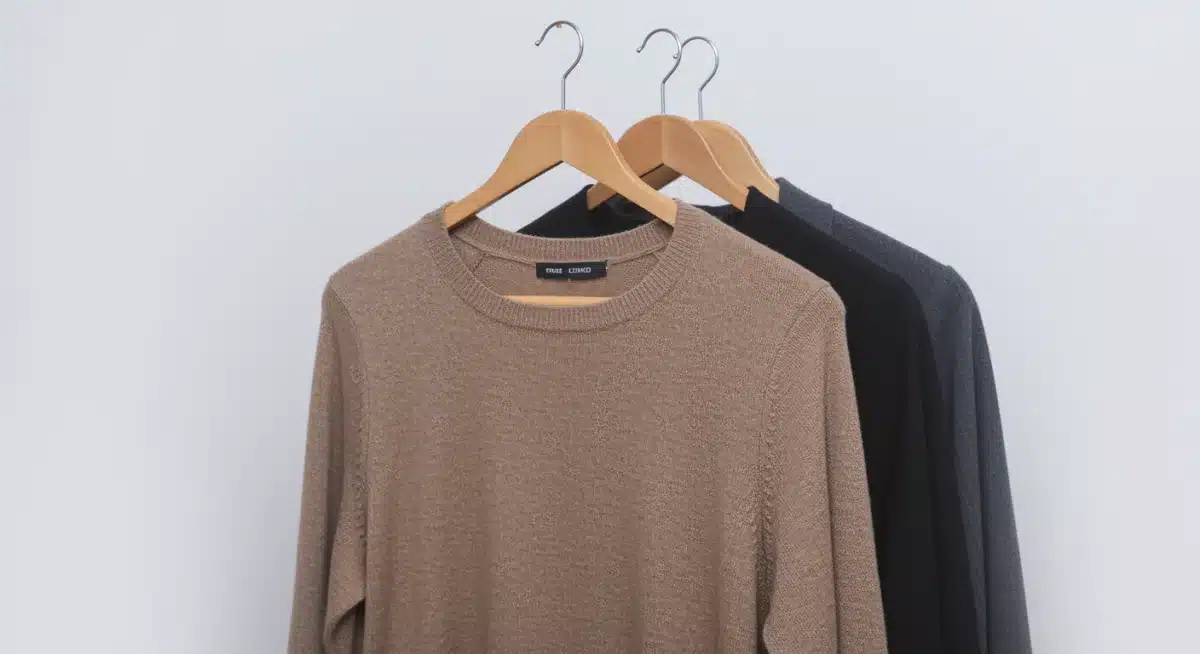
Several polyester blends have gained traction in the fast fashion industry due to their balanced properties. Each blend offers unique benefits that contribute to the garment’s overall durability and comfort.
- Polyester-Cotton Blends: These are perhaps the most common, offering a balance of softness, breathability, and durability. The polyester component reduces wrinkling and shrinkage, making the fabric easier to care for and extending its lifespan.
- Polyester-Spandex Blends: Essential for activewear and comfortable casual clothing, spandex (also known as elastane or Lycra) provides significant stretch and recovery. When combined with polyester, it creates garments that move with the body, retain their shape, and resist bagging, crucial for longevity in performance wear.
- Polyester-Rayon Blends: Rayon, a semi-synthetic fiber, adds a silky drape and soft hand to polyester, while polyester contributes strength and wrinkle resistance. This blend is often found in dresses, blouses, and tailored pieces, offering a more luxurious feel without sacrificing durability.
- Polyester-Nylon Blends: Nylon is another strong synthetic fiber known for its abrasion resistance and elasticity. Blending it with polyester can create exceptionally tough fabrics, often used in outerwear, swimwear, and luggage, making these items more resilient to wear and tear.
These blends allow fast fashion brands to produce trendy items that are not only affordable but also surprisingly robust. By carefully selecting the right blend, manufacturers can enhance the garment’s ability to withstand repeated washing, daily wear, and environmental exposure, ultimately offering a better value proposition to the consumer.
Identifying High-Quality Polyester Blends for Longevity
While the presence of a polyester blend can significantly enhance a garment’s durability, not all blends are created equal. Knowing how to identify high-quality blends is crucial for consumers looking to invest in fast fashion pieces that truly last longer. It involves a combination of scrutinizing fabric composition, examining construction, and understanding brand reputation.
The label is your first and most important tool. Look for a breakdown of the fiber content. A higher percentage of polyester, especially in blends designed for durability, is often a good indicator. However, the type of other fibers in the blend also matters. For instance, a polyester-spandex blend for stretch or a polyester-cotton blend for comfort and breathability are typically reliable combinations. Avoid blends with very low percentages of polyester that might not contribute significantly to durability.
What to Look for Beyond the Label
- Fabric Density and Weave: Hold the fabric up to the light. If it appears thin or loosely woven, it might not be as durable. Tightly woven or knitted fabrics generally offer better resistance to tearing and abrasion.
- Hand Feel: High-quality polyester blends should feel soft and comfortable, not stiff or excessively plastic-like. Modern polyesters are engineered to have a pleasant hand, mimicking natural fibers.
- Stretch and Recovery: For blends containing spandex, test the fabric’s stretch and recovery. It should stretch comfortably and then return to its original shape without bagging or sagging.
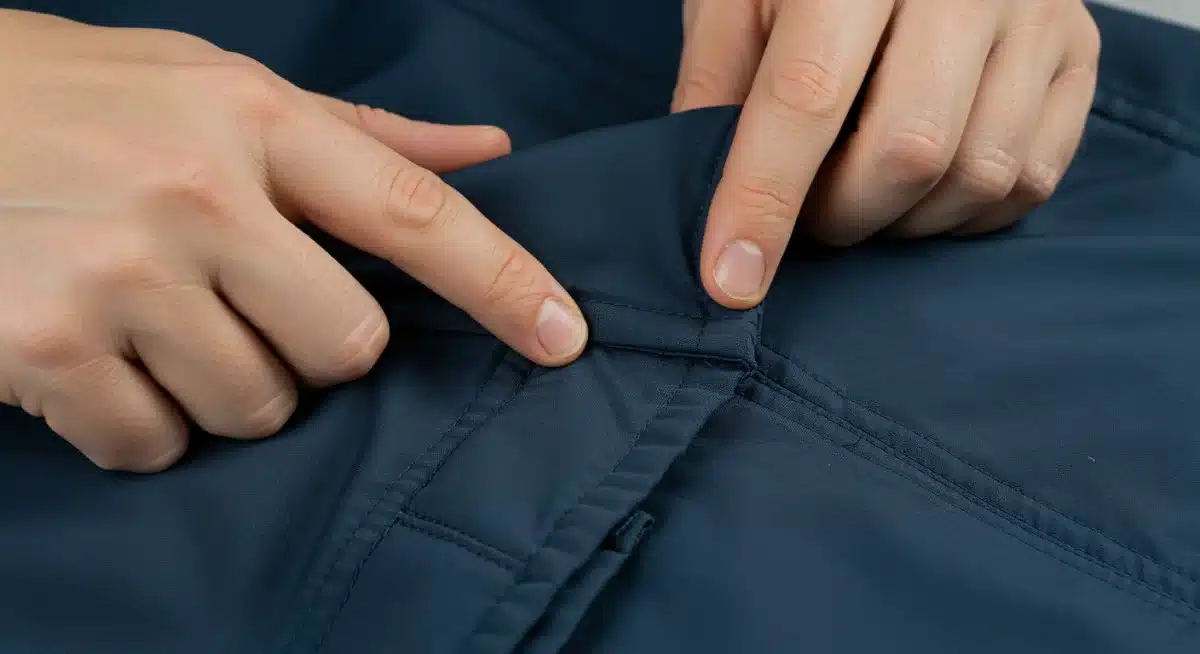
- Seam Quality: Examine the stitching. Strong, even, and well-finished seams are an indicator of good garment construction, which directly impacts durability. Double stitching in high-stress areas is a bonus.
- Pilling Resistance: While difficult to assess in a new garment, some high-quality polyester blends are specifically treated to resist pilling. If possible, research the brand’s reputation for fabric quality.
By paying attention to these details, consumers can move beyond generic assumptions about fast fashion and make more informed decisions, selecting pieces that are designed to offer extended wear. This mindful approach not only benefits the individual but also contributes to a more sustainable consumption pattern.
Care and Maintenance Tips for Extending Polyester Blend Lifespan
Even the most durable polyester blend garment requires proper care to maximize its lifespan. Neglecting care instructions can prematurely degrade the fabric, diminish its appearance, and reduce its functional properties. Understanding how to correctly wash, dry, and store these garments is just as important as choosing a high-quality blend.
Always refer to the care label inside the garment. While polyester itself is quite resilient, the other fibers in the blend, as well as dyes and embellishments, may have specific requirements. Generally, polyester blends are relatively low-maintenance, but a few key practices can make a significant difference in their longevity and appearance. For instance, avoiding harsh chemicals and excessive heat can prevent fiber damage and maintain color vibrancy.
Best Practices for Washing and Drying
- Washing: Most polyester blends can be machine washed in cold or warm water with a mild detergent. Using cold water helps preserve colors and prevent shrinkage, especially in blends with natural fibers. Turn garments inside out to protect the outer surface from abrasion during washing.
- Drying: Tumble dry on a low heat setting or, even better, air dry. High heat can damage polyester fibers, causing them to lose shape or become stiff. Air drying also conserves energy and is gentler on the fabric, preventing potential shrinkage or damage to elastic components like spandex.
- Ironing: Polyester blends are generally wrinkle-resistant, but if ironing is needed, use a low heat setting. A cool iron with a pressing cloth is recommended to avoid scorching or melting the synthetic fibers.
- Stain Removal: Address stains promptly. Polyester’s resistance to absorption often makes stains easier to remove. Use a gentle stain remover suitable for synthetic fabrics and follow product instructions carefully.
Proper care not only extends the life of your garments but also helps maintain their aesthetic appeal, ensuring they look new for longer. By adopting these simple yet effective care routines, consumers can significantly enhance the value and wearability of their polyester blend fast fashion purchases.
The Environmental Impact and Future of Durable Fast Fashion
The environmental footprint of fast fashion is a complex and often debated topic. While polyester, being a synthetic fiber derived from petroleum, has its own set of environmental concerns, the argument for durable fast fashion introduces a nuanced perspective. If a garment lasts longer, it theoretically reduces the frequency of purchases and the amount of textile waste generated, mitigating some of fast fashion’s negative impacts.
The goal is not to promote endless consumption but to encourage more thoughtful choices within the fast fashion cycle. By choosing items made from durable polyester blends, consumers can contribute to a slower fashion approach indirectly. Fewer garments ending up in landfills prematurely means less waste and a reduced demand for new production, even if the initial material isn’t inherently ‘green’. This shift towards longevity is a critical step in making fast fashion more responsible.
Innovations and Sustainable Solutions
The textile industry is continuously evolving, with significant research dedicated to making polyester production more sustainable. This includes:
- Recycled Polyester: Made from post-consumer plastic bottles or textile waste, recycled polyester reduces reliance on virgin petroleum and diverts plastic from landfills. Its production also requires less energy compared to virgin polyester.
- Bio-based Polyester: Emerging technologies are exploring the creation of polyester from renewable resources, such as plant-based materials, further reducing dependence on fossil fuels.
- Closed-Loop Recycling: Developing systems where polyester garments can be chemically recycled back into new fibers, creating a circular economy for textiles and minimizing waste.
- Enhanced Durability for Circularity: The very durability of advanced polyester blends makes them better candidates for future recycling processes, as they retain their structural integrity for longer, making them more valuable for reprocessing.
The future of fast fashion, particularly concerning polyester blends, lies in balancing affordability, style, and environmental responsibility. By focusing on durability and embracing sustainable innovations, the industry can move towards a model where even budget-friendly clothing contributes less to environmental degradation. Consumers play a vital role in this by prioritizing quality and longevity in their purchasing decisions.
Making Informed Choices: Balancing Style, Cost, and Durability
Navigating the fast fashion landscape requires a discerning eye, especially when aiming for garments that offer both style and lasting quality. The rise of the polyester blend in fast fashion that actually lasts longer presents a unique opportunity for consumers to enjoy trendy pieces without contributing to the throwaway culture. It’s about empowering yourself with knowledge to make choices that align with your values and practical needs.
The key is to approach fast fashion not as a temporary indulgence, but as an opportunity to find surprisingly resilient items. This involves a conscious effort to look beyond the immediate appeal of a garment and consider its long-term potential. Understanding fabric compositions, recognizing quality construction, and committing to proper garment care are all integral parts of this informed approach. By doing so, you can build a versatile wardrobe that withstands the test of time, season after season, without breaking the bank.
Practical Tips for Smart Shopping
- Read Labels Carefully: Always check the fabric composition. Look for polyester blends that are optimized for durability and the garment’s intended use.
- Inspect Construction: Pay attention to seams, stitching, and finishing. Well-made garments, regardless of price point, will show attention to detail in their construction.
- Consider the Garment’s Purpose: A durable polyester blend might be ideal for everyday wear, activewear, or travel, where longevity and easy care are paramount.
- Research Brands: Some fast fashion brands are making concerted efforts to incorporate more durable materials and sustainable practices. A quick online search can provide valuable insights.
- Prioritize Versatility: Choose pieces that can be styled in multiple ways and for various occasions. A versatile, durable item offers more value than a single-use garment.
Ultimately, making informed choices about fast fashion is about striking a balance. It’s about enjoying the accessibility and variety that fast fashion offers while simultaneously seeking out items that offer extended wear and a reduced environmental footprint. The advancements in polyester blends are making this balance increasingly achievable, allowing consumers to dress stylishly and responsibly.
| Key Aspect | Brief Description |
|---|---|
| Polyester Evolution | Modern polyester blends are engineered for improved feel, drape, and performance, overcoming early limitations. |
| Durability Factors | Polyester’s chemical resistance, moisture repellence, and shape retention are key to its longevity. |
| Blend Benefits | Blending polyester with fibers like cotton or spandex enhances comfort, stretch, and overall garment life. |
| Sustainable Impact | Durable polyester blends can reduce textile waste and support circularity, especially with recycled options. |
Frequently Asked Questions About Durable Polyester Blends
No, not all polyester blends offer the same level of durability. Quality varies significantly based on the specific blend composition, manufacturing techniques, and garment construction. Consumers should look for tightly woven fabrics and check care labels for fiber content to make informed choices that prioritize longevity.
Enhanced durability in polyester blends comes from factors like high-quality fiber engineering, optimized blend ratios (e.g., with strong fibers like nylon or spandex), and superior garment construction. These elements contribute to better resistance against abrasion, pilling, stretching, and fading, ensuring the garment withstands repeated wear and washing.
To identify quality, check the fabric label for fiber content, feel the fabric for density and a soft hand, inspect seams for evenness and strength, and test for stretch and recovery if it contains elastic fibers. A well-constructed garment with a thoughtful blend composition is usually a good indicator of durability.
Yes, by lasting longer, these garments reduce the frequency of replacement, thereby decreasing textile waste. Opting for recycled polyester blends further enhances their sustainability profile by reducing reliance on virgin resources and promoting a circular economy. Longevity is a key factor in mitigating fast fashion’s environmental impact.
For optimal longevity, machine wash polyester blends in cold or warm water with a mild detergent, turning garments inside out. Air dry or tumble dry on a low heat setting to prevent fiber damage and maintain shape. Avoid high heat for ironing, and address stains promptly with appropriate removers.
Conclusion
The journey through the world of polyester blends reveals a compelling narrative: that fast fashion doesn’t necessarily equate to fleeting quality. The emergence of the polyester blend in fast fashion that actually lasts longer is a testament to ongoing innovation in textile science and a response to growing consumer demand for more enduring garments. By understanding the composition, benefits, and proper care of these advanced fabrics, consumers can make more informed purchasing decisions, selecting pieces that offer both style and surprising longevity. This shift not only provides better value but also subtly contributes to a more sustainable consumption cycle, proving that durability and affordability can indeed coexist in the dynamic landscape of modern fashion. Embracing these durable options empowers us to build a wardrobe that is both fashionable and resilient, challenging the traditional lifespan of our everyday clothing.