Sustainable Fabrics: High-End Designer Collections Lead the Way
Advertisements
High-end designer collections are increasingly embracing sustainable fabrics, showcasing a pivotal shift towards eco-conscious luxury and ethical production practices in the fashion industry.
Advertisements
The fashion world, long associated with fleeting trends and sometimes questionable environmental practices, is undergoing a profound transformation. We’re witnessing the unexpected rise of sustainable fabrics in high-end designer collections, a movement that is not just a passing fad but a fundamental redefinition of luxury itself.
The Paradigm Shift: Sustainability Meets Luxury
For decades, luxury fashion often prioritized rarity, craftsmanship, and exclusivity, sometimes overlooking the environmental and social costs embedded in its supply chains. However, a significant paradigm shift is underway, driven by growing consumer awareness, regulatory pressures, and a genuine desire from designers to create more responsibly.
Advertisements
This evolving landscape sees sustainability no longer as a niche concern but as a core value proposition, especially within the high-end sector. Consumers are increasingly scrutinizing the origins of their garments, demanding transparency and ethical production practices.
Redefining Luxury: More Than Just Aesthetics
Luxury is no longer solely about opulent materials or intricate designs. It now encompasses a garment’s entire lifecycle, from the sourcing of raw materials to its end-of-life disposal. Brands that embrace this holistic view are finding new ways to connect with discerning buyers.
- Traceability: Consumers want to know where and how their clothes are made.
- Ethical Production: Fair labor practices and safe working conditions are paramount.
- Environmental Impact: Reduced water usage, lower carbon footprint, and minimal waste are key.
- Circular Economy: Designs that consider recycling and upcycling are gaining traction.
The integration of sustainable practices into luxury fashion represents a conscious decision to value longevity and impact over ephemeral trends. It’s about crafting pieces that tell a story of responsibility and innovation, appealing to a clientele that seeks both beauty and purpose.
Innovating Materials: Beyond Organic Cotton and Recycled Polyester
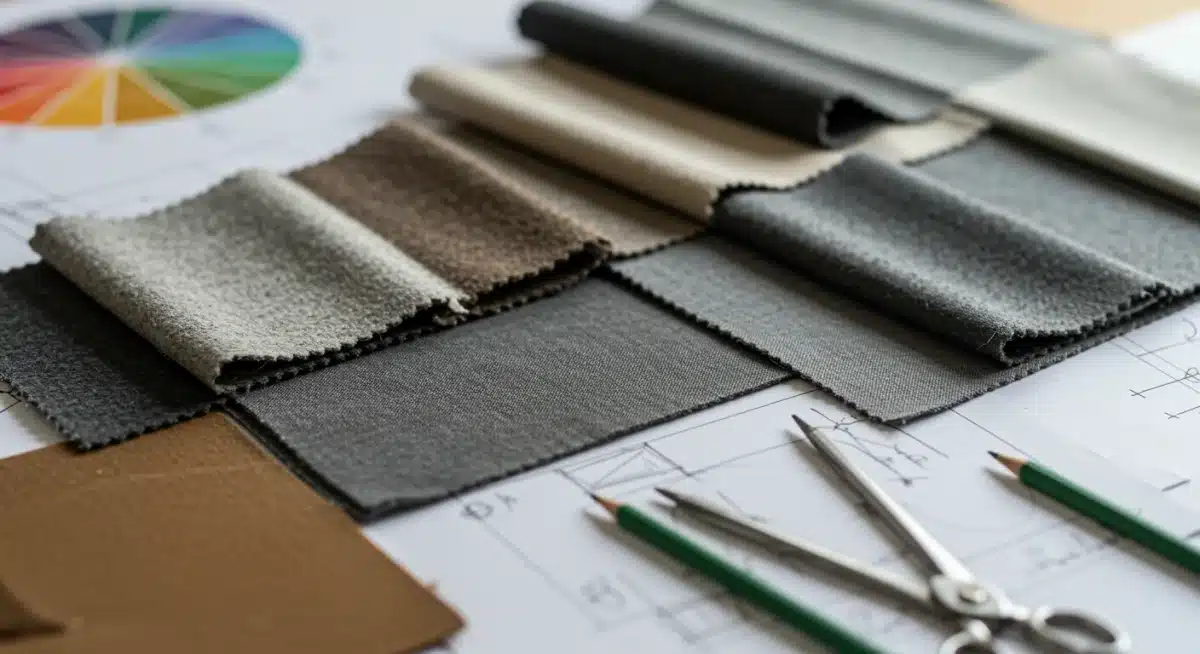
While organic cotton and recycled polyester have been foundational sustainable materials, the high-end sector is pushing boundaries with innovative, often technologically advanced, fabrics. These materials offer not only environmental benefits but also unique aesthetic and performance qualities.
Designers are exploring a vast array of new textiles that challenge conventional notions of luxury. This includes bio-based materials derived from plants, lab-grown alternatives, and advanced recycling techniques that transform waste into high-quality fibers.
Emerging Sustainable Textiles
The innovation in textile science is truly remarkable, offering a glimpse into the future of fashion materials. These new fabrics often boast properties that surpass their traditional counterparts, such as enhanced durability, breathability, and unique textures.
- Piñatex: A leather alternative made from pineapple leaf fibers.
- Mylo™: Lab-grown mushroom leather, offering a luxurious and animal-free option.
- Orange Fiber: Silk-like fabric derived from citrus juice by-products.
- Econyl: Regenerated nylon made from ocean waste and discarded fishing nets.
- Qmilk: Fabric made from milk protein, known for its soft touch and natural properties.
These materials are not merely substitutes; they are often superior in their properties and ethical footprint. Their adoption by high-end designers signals a commitment to both environmental stewardship and cutting-edge material science, proving that luxury and sustainability can indeed coexist beautifully.
Designer Spotlights: Leading the Sustainable Charge
Several influential designers and luxury houses are at the forefront of this sustainable revolution, integrating eco-conscious practices not just into their material choices but into their entire brand philosophy. Their commitment is inspiring others and setting new industry benchmarks.
These pioneers are demonstrating that sustainability doesn’t mean compromising on aesthetics or quality. Instead, it can inspire new forms of creativity and innovation, leading to collections that are both breathtakingly beautiful and ethically sound.
Pioneering Brands and Their Approaches
From established fashion houses to emerging talents, the embrace of sustainable practices is diverse. Some focus on circular design principles, others on ethical sourcing, and many on a combination of both, crafting narratives that resonate with the modern luxury consumer.
- Stella McCartney: A long-standing advocate for ethical fashion, known for her commitment to animal-free materials and sustainable production methods.
- Gabriela Hearst: Her brand is a leader in using recycled and upcycled materials, emphasizing minimal waste and natural fibers.
- Prada Re-Nylon: A significant initiative to convert all virgin nylon into regenerated nylon (Econyl) by the end of 2021, showcasing a major brand’s commitment.
- Gucci Equilibrium: A comprehensive platform detailing Gucci’s efforts in environmental and social sustainability, including the use of organic and recycled materials.
These designers are not just creating clothes; they are building movements. Their collections serve as powerful statements that high fashion can be a force for good, driving positive change within the industry and influencing consumer choices globally.
Challenges and Opportunities in Sustainable Luxury
While the momentum for sustainable fabrics in high-end designer collections is undeniable, the journey is not without its hurdles. Challenges include scaling up production of innovative materials, ensuring transparency across complex supply chains, and educating consumers.
However, these challenges also present significant opportunities for innovation, collaboration, and market differentiation. Brands that navigate these complexities successfully will emerge as leaders in the evolving luxury landscape, setting new standards for ethical and environmental responsibility.
Overcoming Obstacles and Seizing Potential
The path to full sustainability requires continuous effort and investment. From research and development into new materials to improving manufacturing processes, every step offers a chance to refine practices and achieve greater impact.
- Cost of Innovation: New sustainable materials can be more expensive to produce initially.
- Supply Chain Transparency: Tracing materials from source to finished product remains a complex task.
- Consumer Education: Communicating the value and benefits of sustainable luxury effectively.
- Greenwashing Risk: Avoiding superficial sustainability claims and ensuring genuine impact.
Despite these challenges, the opportunities are immense. Brands that authentically embrace sustainability can build stronger relationships with their customers, attract top talent, and contribute meaningfully to a healthier planet. This commitment fosters a virtuous cycle of innovation and responsible consumption.
The Impact on Consumer Choices and Perceptions
The growing presence of sustainable fabrics in high-end designer collections is profoundly influencing consumer behavior and perceptions of luxury. Buyers are becoming more discerning, actively seeking out brands that align with their values and offer products with a positive impact.
This shift isn’t just about ethical considerations; it also speaks to a desire for authenticity and longevity. Consumers are willing to invest in pieces that are not only beautiful but also thoughtfully made, reflecting a deeper appreciation for craftsmanship and responsible sourcing.
Evolving Consumer Values
Modern luxury consumers are increasingly valuing sustainability as a key attribute, alongside traditional markers of quality and design. This demographic is often well-informed and uses their purchasing power to support brands that demonstrate genuine commitment to environmental and social responsibility.
- Value Alignment: Consumers seek brands that reflect their personal ethics.
- Investment Pieces: Preference for durable, timeless items over fast fashion.
- Conscious Consumption: A move towards buying less but buying better.
- Brand Loyalty: Stronger loyalty to brands with transparent and ethical practices.
The narrative of luxury is thus expanding to include environmental consciousness and social equity. This transformation empowers consumers to make choices that align with their values, fostering a more responsible and meaningful relationship with fashion.
The Future of High-End Sustainable Fashion
The trajectory for sustainable fabrics in high-end designer collections points towards an increasingly integrated and innovative future. Expect to see further advancements in material science, greater supply chain transparency, and a deeper commitment to circularity.
The industry is moving beyond simply reducing harm to actively creating positive impact, aiming for fashion systems that are regenerative and restorative. This vision promises a future where luxury is synonymous with both exquisite design and profound responsibility.
Key Trends Shaping Tomorrow’s Luxury
The convergence of technology, ethics, and aesthetics will continue to drive innovation in high-end sustainable fashion. From AI-driven design to advanced recycling technologies, the possibilities are vast and exciting, promising a truly transformative era.
- Bio-fabrication: Growing materials in labs, reducing reliance on conventional agriculture.
- Digital Fashion: Reducing physical waste through virtual clothing and NFTs.
- Hyper-transparency: Leveraging blockchain and other technologies to track materials.
- Repair and Resale: Promoting longevity and extending the life cycle of luxury garments.
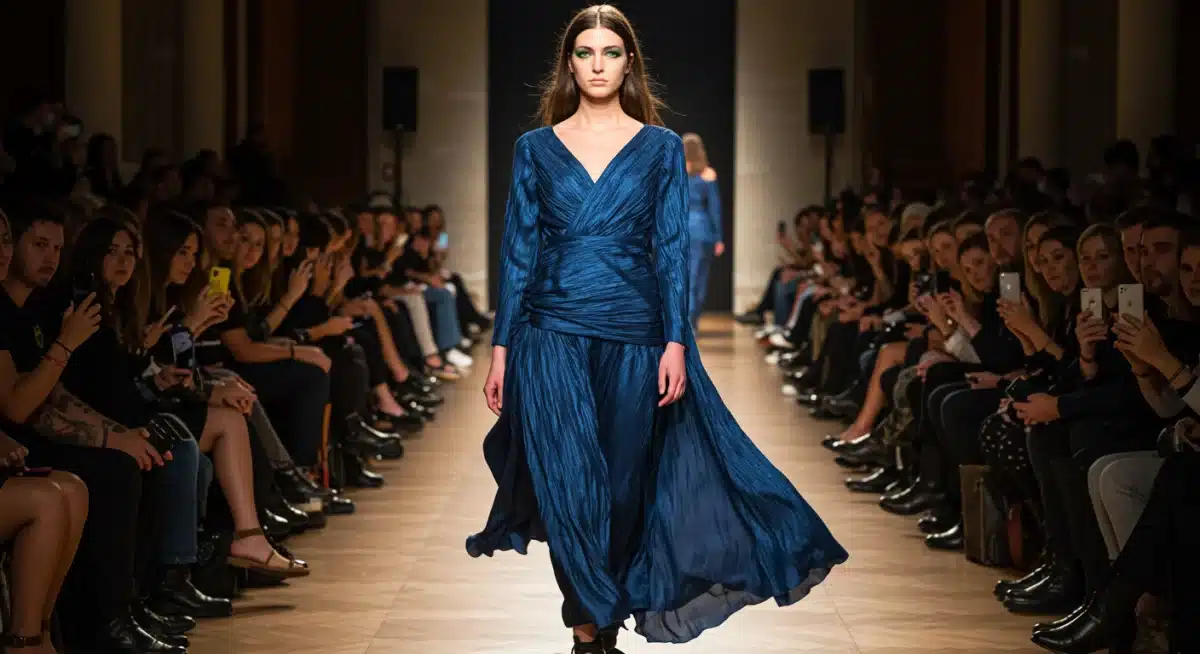
The future of high-end fashion is undoubtedly sustainable. As designers continue to innovate and consumers demand more, the industry will evolve into a more ethical, environmentally friendly, and ultimately, more meaningful space. This ongoing evolution ensures that luxury remains relevant and desirable for generations to come, embodying true value beyond mere material wealth.
| Key Aspect | Brief Description |
|---|---|
| Paradigm Shift | Luxury fashion now prioritizes sustainability and ethical practices alongside aesthetics. |
| Material Innovation | Beyond traditional eco-fabrics, new bio-based and recycled materials are transforming options. |
| Designer Leadership | Influential designers are integrating sustainability into core brand philosophies and collections. |
| Consumer Impact | Evolving consumer values drive demand for transparent, ethical, and long-lasting luxury goods. |
Frequently Asked Questions About Sustainable Luxury Fashion
A sustainable fabric in high-end fashion is one produced with minimal environmental impact, often using renewable resources, recycled materials, or processes that reduce waste, water, and energy consumption, while also ensuring ethical labor practices throughout its supply chain.
Yes, many sustainable luxury items are designed for exceptional durability. Brands often prioritize quality and longevity to reduce consumption, using innovative materials and construction techniques that meet or even exceed the lifespan of traditionally made garments.
Consumers can look for certifications from reputable organizations, transparency in supply chains, detailed information on material sourcing and production processes, and a brand’s overall commitment to ethical practices beyond just a few sustainable items.
Technology is crucial, enabling the development of bio-engineered materials, advanced recycling techniques for textile waste, and blockchain for supply chain transparency. It helps create innovative fibers with reduced environmental footprints and improved performance.
Often, sustainable luxury fashion can have a higher initial price due to the investment in ethical production, innovative materials, and fair labor. However, its emphasis on durability and timeless design can offer better long-term value and reduce overall consumption.
Conclusion
The unexpected rise of sustainable fabrics in high-end designer collections signifies much more than a trend; it represents a fundamental rethinking of values within the luxury fashion industry. This shift, driven by innovative materials, pioneering designers, and evolving consumer demands, is redefining what luxury means for the 21st century. As the industry continues its journey toward greater responsibility, we can anticipate a future where exquisite design and profound environmental and social consciousness are not just compatible, but intrinsically linked, creating a more beautiful and ethical world through fashion.