Sustainable Fabrics: What Fashion Influencers Don’t Tell You
Advertisements
Understanding the true environmental impact of fashion requires looking beyond influencer narratives to the complex realities of fabric production, including resource consumption, chemical use, and labor practices, to genuinely discern sustainable choices.
In the age of social media, fashion influencers often paint a picture of sustainability that is both aspirational and, at times, overly simplistic. While their efforts to promote eco-conscious choices are commendable, the reality behind sustainable fabrics truth is far more intricate than a simple hashtag or sponsored post might suggest. This comprehensive guide aims to peel back the layers, revealing the complexities, challenges, and genuine efforts involved in creating truly sustainable textiles, empowering you to make more informed decisions about your wardrobe.
Advertisements
The Allure of ‘Eco-Friendly’ Labels: A Deeper Look
The term ‘eco-friendly’ has become a powerful marketing tool in the fashion industry. Brands and influencers alike often use it to signal their commitment to environmental responsibility. However, the exact definition of ‘eco-friendly’ can vary wildly, leading to confusion and, sometimes, unintentional greenwashing. It’s crucial for consumers to understand that a single label doesn’t always tell the whole story of a fabric’s journey from raw material to finished garment.
Many fabrics lauded as sustainable might have hidden environmental costs. For instance, while organic cotton avoids harmful pesticides, its water consumption can still be significant. Similarly, recycled polyesters reduce plastic waste but still rely on energy-intensive processes and can shed microplastics during washing. Understanding these nuances is the first step toward genuine sustainable consumption.
Advertisements
Decoding Sustainable Certifications
Certifications play a vital role in verifying sustainable claims. These third-party assessments provide a level of assurance that a product meets specific environmental or social standards. Yet, not all certifications are created equal, and their scope can differ significantly.
- Global Organic Textile Standard (GOTS): This is a leading standard for organic fibers, ensuring environmental and social criteria across the entire supply chain, from harvesting to manufacturing.
- OEKO-TEX Standard 100: This certification focuses on harmful substances, guaranteeing that textiles are free from chemicals that are detrimental to human health. It doesn’t necessarily cover environmental impact during production.
- Bluesign: This system aims to eliminate harmful substances from the beginning of the manufacturing process, setting strict standards for environmental performance and consumer safety.
Navigating these certifications requires a discerning eye. While a GOTS certification offers a comprehensive view, an OEKO-TEX label primarily addresses safety. Consumers should research what each certification truly signifies to avoid being misled by partial claims.
In conclusion, the ‘eco-friendly’ label is a starting point, not an endpoint. True understanding comes from delving into the specific processes and certifications behind each fabric, recognizing that sustainability is a spectrum, not a simple binary choice.
The Unseen Environmental Footprint of Fabric Production
Beyond the raw material, the manufacturing process itself holds a significant environmental footprint that often goes unmentioned by those promoting sustainable fashion. From dyeing and finishing to transportation, each stage consumes resources and can generate pollution. The glamorized image of sustainable fashion sometimes overshadows these critical industrial realities.
Consider the energy demands. Many textile factories still rely on fossil fuels, even when processing organic fibers. The amount of water used in dyeing and finishing can be astronomical, and wastewater, if not treated properly, can contaminate local ecosystems. These are aspects that are rarely highlighted on social media but are fundamental to a fabric’s true environmental impact.
Water Consumption in Textile Manufacturing
Water scarcity is a global crisis, and the textile industry is a major contributor to this challenge. Growing conventional cotton, for instance, is notoriously water-intensive. While organic cotton reduces pesticide use, its water footprint can still be substantial, especially in arid regions. However, innovative farming techniques and closed-loop systems are emerging to mitigate this.
- Cotton Cultivation: Traditional cotton requires vast amounts of irrigation, particularly in regions with limited rainfall.
- Dyeing Processes: Conventional dyeing methods are highly water-dependent and often involve toxic chemicals that require extensive treatment before discharge.
- Finishing Treatments: Processes like softening, anti-wrinkle treatments, and waterproofing also consume significant water and chemical resources.
The industry is slowly shifting towards more water-efficient practices, such as digital printing, which uses less water and dye, and technologies that recycle water within factories. However, these advancements are not yet universally adopted, and their implementation varies widely across different production regions.
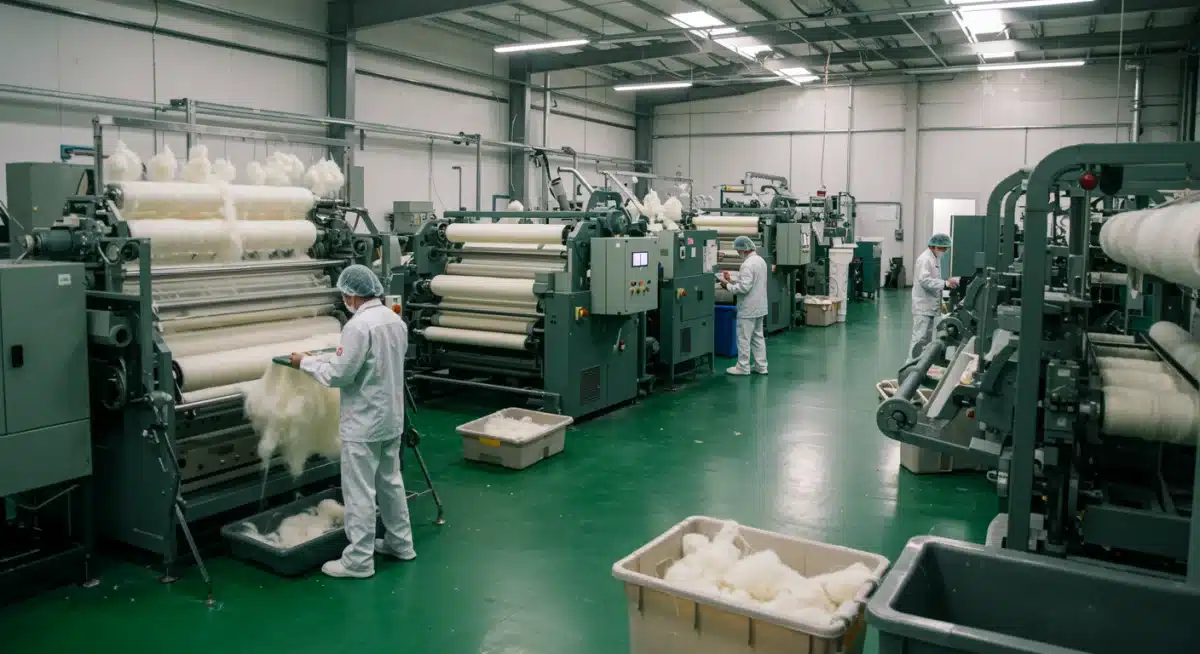

The environmental footprint of fabric production extends far beyond the initial growth or creation of a fiber. It encompasses the entire lifecycle, including the energy, water, and chemical inputs at every stage. A truly sustainable fabric minimizes these impacts from start to finish, a complexity often simplified in public discourse.
The Hidden Costs: Social and Ethical Dimensions
Sustainability in fashion isn’t solely about environmental impact; it also encompasses crucial social and ethical dimensions. A fabric cannot be truly sustainable if its production relies on exploitative labor practices, unsafe working conditions, or inadequate wages. This human element is frequently overlooked in the glamorous world of fashion influencing, where the focus often remains on the product itself.
The globalized nature of the fashion supply chain means that textiles are often produced in countries with lax labor laws and poor enforcement. Workers, many of whom are women, may face long hours, low pay, and exposure to hazardous chemicals without proper protection. These issues are deeply intertwined with the concept of sustainability and demand equal attention.
Fair Labor and Transparency
Ensuring fair labor practices throughout the supply chain is a monumental challenge. Brands committed to true sustainability go beyond simply sourcing ‘eco-friendly’ materials; they actively engage in auditing their factories, ensuring fair wages, safe working environments, and the absence of child labor. Transparency plays a key role in holding brands accountable.
- Auditing and Certifications: Organizations like Fair Trade and SA8000 certify factories that meet strict social and labor standards, providing a framework for ethical production.
- Living Wages: A living wage is a critical component of fair labor, ensuring workers can afford a decent standard of living, not just the legal minimum.
- Worker Safety: Protection from hazardous chemicals, proper ventilation, and safe machinery are essential to prevent injuries and long-term health issues for textile workers.
Consumers have a role to play by demanding greater transparency from brands. Asking questions about where garments are made and under what conditions can pressure companies to improve their social responsibility. Influencers, too, have a platform to educate their audience on these vital aspects of ethical fashion.
Ultimately, the ethical dimension of sustainable fabrics is non-negotiable. A fabric’s environmental benefits are undermined if its creation causes harm to the people involved in its production. True sustainability integrates both ecological stewardship and social justice.
Beyond Natural Fibers: The Rise of Innovative Synthetics and Blends
When people think of sustainable fabrics, natural fibers like organic cotton or linen often come to mind first. While these are excellent choices, the landscape of sustainable textiles is rapidly evolving to include innovative synthetics and blends that offer unique environmental advantages. Fashion influencers sometimes focus heavily on natural options, inadvertently overlooking the potential of advanced materials.
New technologies are allowing for the creation of synthetic fibers from unexpected sources, or through processes that significantly reduce environmental impact. These materials often boast properties like durability and performance that can extend the lifespan of garments, contributing to sustainability by reducing the need for frequent replacements.
Introducing Regenerated and Bio-based Synthetics
The world of synthetic fibers is no longer just about conventional polyester and nylon. Regenerated and bio-based synthetics are emerging as powerful players in sustainable fashion, offering solutions to textile waste and reliance on fossil fuels.
- Tencel (Lyocell/Modal): Made from wood pulp, Tencel uses a closed-loop production process that recycles water and solvents, making it highly resource-efficient. It’s known for its softness and breathability.
- ECONYL: This regenerated nylon is made from waste materials like fishing nets and industrial plastic. It can be endlessly recycled without loss of quality, offering a circular solution to plastic pollution.
- Piñatex: An innovative material derived from pineapple leaf fibers, Piñatex offers a cruelty-free, sustainable alternative to leather, utilizing agricultural waste.
These materials demonstrate that sustainability is not limited to traditional natural fibers. They represent a frontier in textile innovation, tackling issues like waste reduction, resource efficiency, and the development of animal-friendly alternatives. Understanding these options broadens the scope of what sustainable fashion can be.
The future of sustainable fabrics likely lies in a diverse portfolio of materials, including both responsibly sourced natural fibers and intelligently designed synthetics. Dismissing synthetics entirely can mean overlooking genuine advancements that contribute significantly to a more circular and less impactful fashion industry.
Greenwashing and the Influencer Trap
The term ‘greenwashing’ refers to the practice of making unsubstantiated or misleading claims about the environmental benefits of a product, service, or company. In the fashion industry, where sustainability has become a major selling point, greenwashing is rampant. Fashion influencers, often unknowingly, can become conduits for these misleading narratives, complicating the consumer’s journey toward truly sustainable choices.
Brands may highlight a single ‘eco-friendly’ feature of a garment – perhaps it uses organic cotton – while downplaying or ignoring other less sustainable aspects of its production, such as excessive water use in dyeing or unfair labor practices. Influencers, who might be genuinely passionate about sustainability, often lack the resources or expertise to conduct thorough due diligence on every brand they promote, leading to the unintentional propagation of greenwashing.
Spotting Red Flags in Sustainable Claims
For consumers and influencers alike, developing a critical eye is essential to navigate the complex world of sustainable fashion claims. Learning to identify red flags can help distinguish genuine efforts from superficial marketing tactics.
- Vague Language: Terms like ‘eco-conscious’ or ‘green’ without specific details or certifications are often red flags. Look for concrete data and verifiable claims.
- Focus on a Single Attribute: If a brand only highlights one sustainable aspect (e.g., ‘made with recycled materials’) but provides no information on other stages of the supply chain, it might be greenwashing.
- Lack of Transparency: Brands that are truly committed to sustainability are usually transparent about their supply chains, factories, and environmental impact data. Obscurity is a warning sign.
Influencers have a powerful role in educating their followers, but this requires deep research and a willingness to challenge brand narratives. By asking tough questions and demanding transparency, they can help elevate the discourse around sustainable fashion and empower their audience to make more informed decisions.
Combating greenwashing requires collective effort from consumers, influencers, and brands. By fostering greater awareness and demanding accountability, we can move towards a fashion industry where sustainability claims are backed by genuine action and transparency.
Practical Steps for a Truly Sustainable Wardrobe
Understanding the complexities of sustainable fabrics can feel overwhelming, but it shouldn’t deter anyone from striving for a more eco-conscious wardrobe. The key lies in adopting practical, actionable steps that go beyond simply buying ‘sustainable’ labeled items. This involves a shift in mindset, prioritizing longevity, care, and conscious consumption over fleeting trends.
Fashion influencers often inspire through new purchases, but true sustainability often begins with what you already own. Extending the life of your existing clothes is arguably the most impactful sustainable choice one can make. This involves proper care, repair, and creative repurposing, reducing the demand for new production and minimizing textile waste.
Making Informed Choices
When it comes to acquiring new pieces, making informed choices means looking beyond the surface. It involves researching brands, understanding fabric properties, and considering the full lifecycle impact of a garment before purchase.
- Research Brands: Look for brands that are transparent about their supply chains, labor practices, and environmental initiatives. Utilize resources like the Fashion Transparency Index.
- Prioritize Durability: Invest in high-quality garments made from durable materials that are designed to last. Fast fashion’s low prices often come at the cost of short lifespans.
- Consider Secondhand: Buying pre-owned clothing is one of the most sustainable options, extending the life of garments and reducing the need for new production.
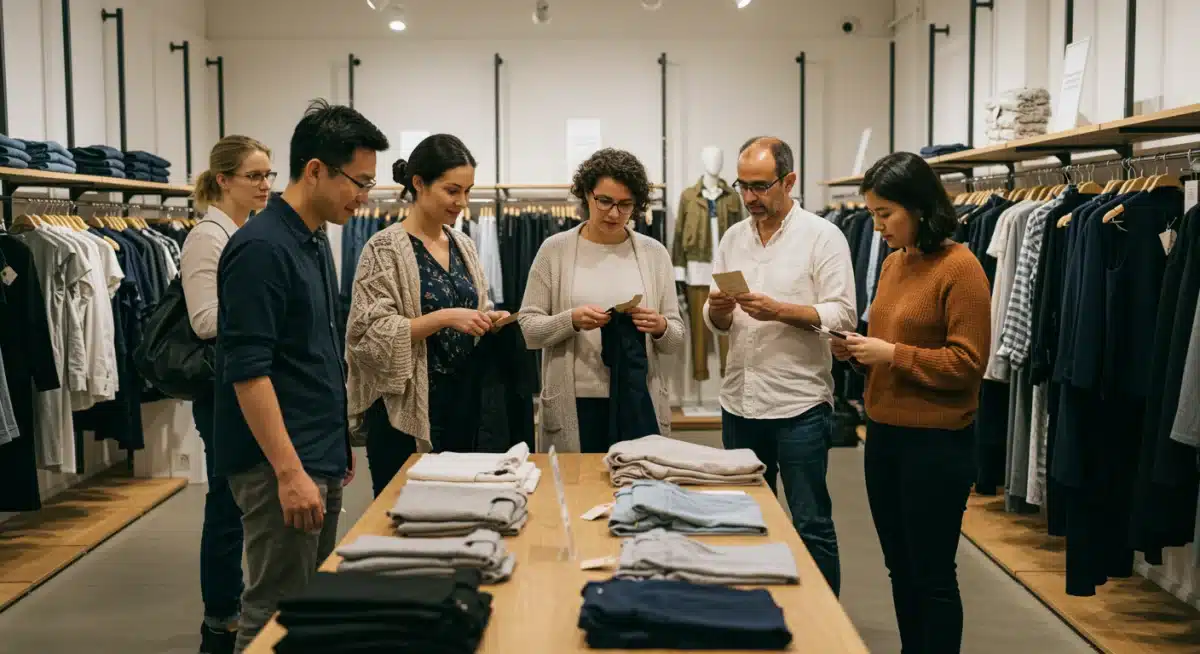

Beyond buying, how you care for your clothes also matters. Washing less frequently, using cold water, and air-drying can significantly reduce the environmental impact of your wardrobe. Ultimately, a truly sustainable wardrobe is built on a foundation of mindfulness, extending the life of what you have, and making thoughtful choices when something new is needed.
The Future of Sustainable Fabrics: Innovation and Circularity
The journey towards truly sustainable fashion is ongoing, driven by continuous innovation and a growing commitment to circularity. While current challenges are significant, the industry is seeing exciting developments that promise a more environmentally responsible future. These advancements are slowly but surely transforming how fabrics are made, used, and recycled.
The concept of a circular economy is at the heart of this future. Instead of the traditional linear ‘take-make-dispose’ model, circularity aims to keep materials in use for as long as possible, designing out waste and pollution. This involves everything from designing garments for durability and recyclability to developing new methods for fiber-to-fiber recycling.
Advancements in Recycling and Bio-Innovation
Breakthroughs in textile recycling and bio-innovation are paving the way for a more sustainable and circular fashion system. These technologies address waste and reduce reliance on virgin resources.
- Chemical Recycling: This process breaks down textile waste into its molecular components, allowing them to be re-spun into new fibers of virgin-like quality, effectively closing the loop for synthetic materials.
- Microbial Textiles: Researchers are exploring growing fabrics from bacteria, yeast, or algae, offering alternatives that require fewer resources and can be fully biodegradable.
- Closed-Loop Systems: More manufacturers are adopting closed-loop production, especially for fibers like Tencel, where water and chemicals are recycled and reused, significantly reducing environmental impact.
These innovations highlight a future where sustainability is not just about choosing better materials, but about fundamentally redesigning the entire fashion ecosystem. From materials that can be endlessly recycled to fabrics grown in labs, the possibilities are expanding rapidly, offering hope for a truly regenerative fashion industry.
The future of sustainable fabrics is bright, marked by a relentless pursuit of innovation and circularity. While complexities remain, these advancements, coupled with informed consumer choices, are crucial for driving the fashion industry towards a genuinely greener and more responsible path.
| Key Aspect | Brief Description |
|---|---|
| Greenwashing Alert | Beware of vague ‘eco-friendly’ claims without specific data or verified certifications. |
| Hidden Impacts | Fabric sustainability extends beyond raw materials to include water, energy, and chemical use in production. |
| Ethical Production | True sustainability demands fair labor, safe conditions, and living wages for all workers. |
| Beyond Natural | Innovative synthetics like Tencel and ECONYL offer significant sustainable benefits. |
Frequently Asked Questions About Sustainable Fabrics
A truly sustainable fabric minimizes environmental impact throughout its entire lifecycle, from cultivation or production to disposal. This includes responsible resource use, reduced pollution, ethical labor practices, and often, biodegradability or recyclability. It’s a holistic concept, not just about the raw material.
Not necessarily. While natural fibers like cotton or linen can be sustainable, their environmental impact depends heavily on cultivation methods, water usage, and chemical treatments. Organic certifications help, but even then, processing and dyeing can have significant footprints. It’s crucial to look beyond just the fiber type.
To avoid greenwashing, look for specific, verifiable claims and third-party certifications like GOTS or Bluesign. Be wary of vague terms, a lack of transparency about the supply chain, or brands that only highlight one ‘eco-friendly’ aspect while ignoring others. Research is key to informed decisions.
Yes, some synthetic fabrics are highly sustainable. Regenerated synthetics like ECONYL (from recycled ocean waste) and bio-based options like Tencel (from wood pulp using closed-loop systems) offer significant environmental advantages, reducing reliance on virgin resources and promoting circularity. They are often durable, extending garment life.
The most impactful way to build a sustainable wardrobe is to extend the life of your current clothes through proper care, repair, and conscious consumption. When buying new, prioritize quality, durability, and choose secondhand options. Research brands for transparency and certifications, focusing on the entire lifecycle impact rather than just raw materials.
Conclusion
The narrative surrounding sustainable fabrics, as often portrayed by fashion influencers, is just the tip of the iceberg. True sustainability in textiles is a multifaceted challenge that encompasses environmental impact, ethical labor, and the entire lifecycle of a garment. By looking beyond simplistic labels and delving into the complexities of production, certifications, and emerging innovations, consumers can make genuinely informed choices. The journey towards a truly sustainable wardrobe is ongoing, requiring continuous learning, critical thinking, and a commitment to supporting brands that prioritize transparency and comprehensive responsibility, ultimately fostering a fashion industry that is both stylish and genuinely eco-conscious.