Recent Dress Code Changes You Missed: Fashion Tips

Advertisements
The evolving landscape of professional and social norms has profoundly influenced recent dress code changes, moving towards greater flexibility and personal expression while maintaining appropriateness across various settings, demanding a nuanced understanding of contemporary fashion etiquette.
Advertisements
Have you felt a shift in what’s considered appropriate to wear lately? You’re not alone. The world of fashion and professional etiquette has been undergoing significant transformations, and there are likely some recent dress code changes you probably missed. From the boardroom to social gatherings, understanding these subtle yet impactful shifts is crucial for maintaining a polished image and feeling confident in any situation.
The Great Casualization: From Boardrooms to Home Offices
The past few years have ushered in an unprecedented era of casualization, primarily driven by the widespread adoption of remote work and a broader cultural push for comfort and authenticity. This isn’t just about ditching suits for sweatpants; it’s a fundamental re-evaluation of what professionalism looks like, especially in the workplace. Many companies have relaxed their strict sartorial rules, recognizing that productivity and creativity aren’t necessarily tied to formal attire.
Advertisements
This shift has blurred the lines between workwear and everyday clothing, leading to an emphasis on ‘smart casual’ and ‘business casual’ as the new defaults. It reflects a desire for clothing that is both functional and expressive, allowing individuals to feel at ease while still presenting a professional demeanor. The challenge now lies in striking the right balance, ensuring that comfort doesn’t cross into unprofessional territory.
The Rise of Business Casual 2.0
Business casual has evolved beyond khaki pants and polo shirts. Today, it encompasses a wider array of sophisticated yet comfortable options.
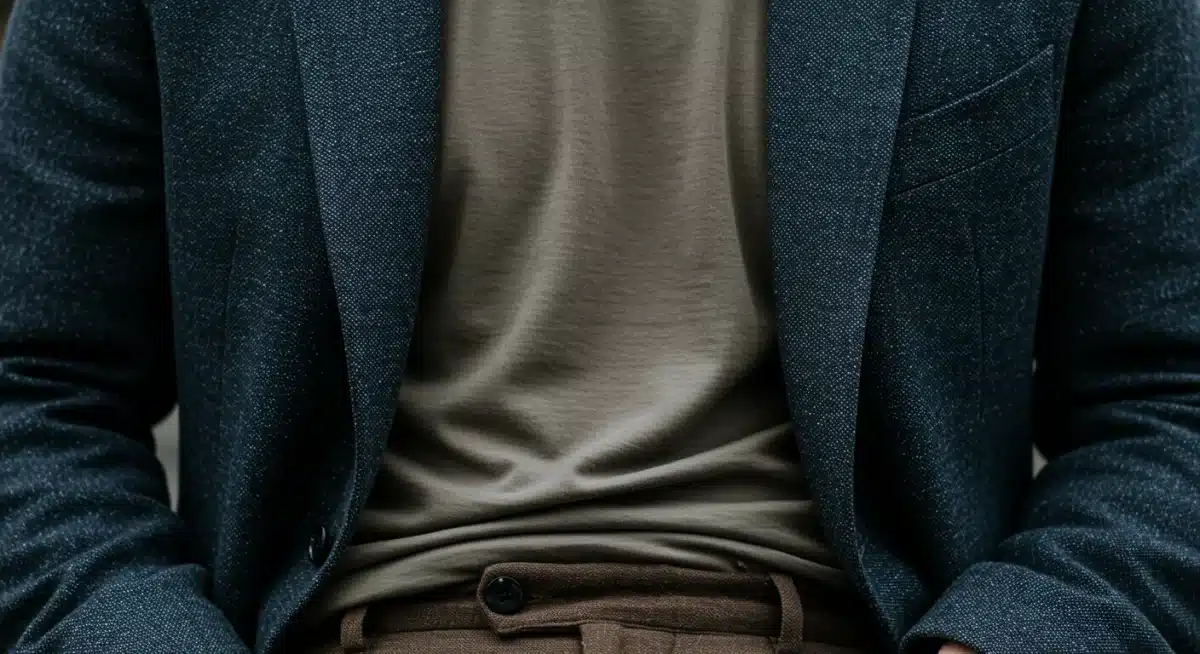
- Tailored Separates: Think well-fitting blazers paired with dark-wash jeans or stylish trousers.
- Elevated Knitwear: Fine-gauge sweaters, cardigans, and even cashmere pieces are replacing traditional button-downs.
- Sophisticated Sneakers: Clean, minimalist sneakers are now acceptable in many professional environments, moving away from formal dress shoes.
Impact of Remote Work on Dress Codes
Remote work significantly accelerated the casualization trend. When interactions moved to screens, the focus shifted from full outfits to what was visible from the waist up. This led to a greater emphasis on comfortable, presentable tops and a more relaxed approach to lower garments. Even as hybrid models become common, the comfort factor introduced by remote work continues to influence in-office dress.
The casualization trend has made clothing choices more personal and less prescriptive. It’s about understanding your company’s culture and your audience, rather than adhering to rigid rules. The goal is to project competence and approachability, often through thoughtfully curated outfits that blend comfort with style.
Sustainability and Ethical Fashion: A New Driver for Dress Codes
Beyond comfort and professionalism, another powerful force shaping dress codes is the growing awareness of sustainability and ethical consumption. Consumers and organizations alike are increasingly scrutinizing the origins and environmental impact of their clothing. This movement is not just about personal choice; it’s starting to influence corporate policies and expectations around attire, albeit subtly.
Companies committed to corporate social responsibility are encouraging employees to incorporate sustainable practices into their daily lives, which extends to their wardrobes. This might manifest as a preference for durable, high-quality pieces that last longer, or a rejection of fast fashion in favor of ethically produced garments. The conversation around dress codes is no longer solely about aesthetics but also about values.
Investing in Quality Over Quantity
The sustainable fashion movement promotes a ‘less is more’ philosophy, encouraging investment in versatile, high-quality items that stand the test of time rather than frequently purchasing disposable fashion.
- Timeless Pieces: Classic silhouettes and neutral colors are favored for their longevity and versatility.
- Ethical Brands: A growing number of brands are transparent about their supply chains and environmental practices.
- Second-Hand and Vintage: Thrifting and buying pre-owned garments are becoming increasingly popular and socially acceptable, even in professional contexts.
Circular Fashion Initiatives
Some organizations are even exploring circular fashion initiatives, such as encouraging employees to participate in clothing swaps, repair programs, or uniform recycling. While not yet mainstream, these efforts signal a broader shift in how we view and utilize clothing, integrating environmental consciousness into everyday choices, including what we wear to work or social events.
The emphasis on sustainability adds another layer of complexity to dress codes. It’s about making conscious choices that align with personal and organizational values, moving beyond superficial trends to a deeper understanding of fashion’s impact. This change encourages a more thoughtful approach to building a wardrobe that is both stylish and responsible.
The Blurring Lines of Gender and Expression in Attire
Traditional dress codes often reinforced rigid gender norms, dictating specific attire for men and women. However, contemporary society is witnessing a significant dismantling of these boundaries, with a greater emphasis on individual expression and gender fluidity. This shift is profoundly impacting how dress codes are perceived and implemented, leading to more inclusive and less prescriptive guidelines.
Workplaces, in particular, are moving towards gender-neutral dress codes that focus on professionalism and appropriateness rather than stereotypical male or female attire. This means individuals are increasingly empowered to choose clothing that aligns with their personal style and gender identity, provided it meets the overall standards of the environment. This evolution is a crucial step towards creating more equitable and welcoming spaces for everyone.
Gender-Neutral Professional Wear
The market for gender-neutral professional wear is expanding, offering options that transcend traditional categories.
- Androgynous Silhouettes: Tailored suits, trousers, and shirts designed to fit various body types without specific gender markers.
- Diverse Color Palettes: Moving beyond traditional ‘masculine’ or ‘feminine’ colors to a broader spectrum for all.
- Accessories as Expression: Scarves, jewelry, and bags are used to personalize outfits regardless of gender.
Beyond Traditional Definitions
This movement challenges the very foundations of how we categorize clothing and appearance. It encourages individuals to think about their personal brand and comfort, rather than feeling constrained by outdated expectations. The goal is to foster an environment where everyone feels seen, respected, and able to express themselves authentically through their attire, as long as it adheres to general standards of decency and professionalism.
The move towards gender-inclusive dress codes is not just a trend; it’s a reflection of broader societal changes. It promotes a more understanding and accepting approach to personal presentation, acknowledging that style is deeply personal and should not be confined by arbitrary gender-based rules. These recent dress code changes are about embracing diversity in all its forms.
Technology’s Influence: Integrating Wearables and Digital Expression
Technology has permeated almost every aspect of our lives, and fashion is no exception. Wearable technology, from smartwatches to fitness trackers, has become commonplace, and its integration into daily attire is subtly influencing dress codes. Beyond wearables, the digital realm has also opened new avenues for personal expression, impacting how we view and choose our physical clothing.
The prevalence of video conferencing, for instance, has shifted the focus to upper body attire, as mentioned before, but also introduced the concept of digital backgrounds and virtual filters. This digital presence, while not a physical dress code, informs our choices for hybrid work environments and online interactions. Furthermore, the rise of digital fashion and NFTs suggests a future where our virtual appearance might hold as much significance as our physical one, potentially impacting real-world dress code expectations.
Wearables as Part of Professional Attire
Smartwatches and other wearables are now widely accepted in professional settings, often complementing traditional attire.
- Sleek Design: Many wearables are designed to be aesthetically pleasing and blend seamlessly with various outfits.
- Functionality Over Form: Their utility often outweighs concerns about formality, making them acceptable accessories.
- Personal Expression: Different straps and watch faces allow for personalization, even within a professional context.
The Digital-Physical Wardrobe Connection
While digital fashion exists primarily in virtual spaces, its influence can be seen in the physical world through inspiration and trends. Social media and online platforms dictate what’s ‘current,’ and these trends often originate in digital communities before manifesting in physical clothing. This creates a dynamic interplay where digital expression informs physical dress code choices.
The ongoing integration of technology means that dress codes will likely continue to evolve in unexpected ways. It’s not just about what we wear, but also how our clothing interacts with and is influenced by the digital world around us. Staying updated on these technological shifts is becoming an increasingly important aspect of understanding modern dress codes.
The Role of Personal Branding and Authenticity
In an increasingly competitive world, personal branding has become paramount, and what you wear plays a significant role in how you are perceived. Modern dress codes, particularly in creative industries and forward-thinking organizations, are increasingly allowing for greater personal expression as a component of authentic personal branding. This means moving away from a one-size-fits-all approach to attire and embracing individuality.
Authenticity in dress is about aligning your external appearance with your inner self and your professional identity. When done thoughtfully, it can enhance credibility and build stronger connections. This doesn’t mean abandoning all conventions, but rather understanding how to infuse your unique style within acceptable boundaries. The recent dress code changes encourage this nuanced approach, valuing genuine self-expression.
Crafting Your Professional Image
Developing a personal brand through your attire involves strategic choices that reflect your values and aspirations.
- Signature Pieces: Identifying key items that represent your unique style and incorporating them regularly.
- Color Psychology: Utilizing colors that convey specific messages or emotions relevant to your brand.
- Attention to Detail: Focusing on fit, fabric, and accessories to elevate your overall look and convey professionalism.
Authenticity in a Hybrid World
Maintaining authenticity is especially important in hybrid work environments where you might transition between in-person and virtual interactions. Your clothing choices should consistently reflect your personal brand, whether you’re in the office, at a client meeting, or on a video call. This consistency builds trust and reinforces your identity.
The emphasis on personal branding and authenticity means that understanding recent dress code changes is less about following strict rules and more about mastering the art of thoughtful self-presentation. It’s about knowing yourself, understanding your environment, and making intentional choices that communicate who you are and what you stand for.
Navigating Social and Event Dress Codes in a Post-Pandemic World
While much attention is given to workplace dress codes, social and event attire has also undergone significant shifts. The pandemic, with its prolonged periods of isolation and a subsequent surge in casual gatherings, has recalibrated expectations for various social events. Formal events, when they occur, often retain their traditional elegance, but everyday social interactions have become noticeably more relaxed.
Understanding these evolving social dress codes requires a keen eye for context. What might be perfectly acceptable for a casual brunch could be entirely inappropriate for a formal dinner. The challenge lies in discerning the unspoken rules and adapting your style accordingly. These recent dress code changes in social settings reflect a desire for comfort and ease, without sacrificing style or respect for the occasion.
Casual Chic for Social Gatherings
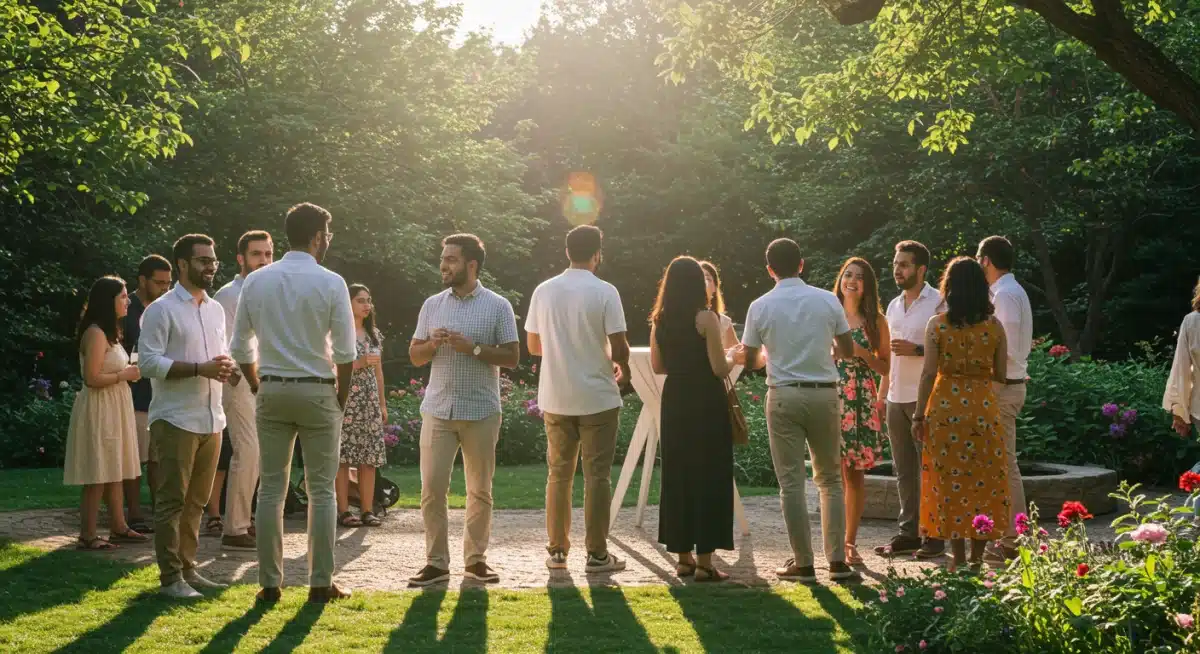
Many social events now lean towards a ‘casual chic’ aesthetic, blending comfort with elevated style.
- Elevated Basics: High-quality t-shirts, stylish jeans, and comfortable yet fashionable shoes.
- Layering: Versatile blazers, cardigans, or stylish jackets to adapt to different settings and temperatures.
- Statement Accessories: Using jewelry, scarves, or handbags to add a touch of personality and polish to a casual outfit.
Reinterpreting Formal Attire
Even formal events are seeing subtle reinterpretations. While black tie remains black tie, there’s a growing acceptance of modern twists, such as women opting for stylish pantsuits or men experimenting with different tuxedo colors or textures. The key is to respect the formality of the occasion while allowing for a degree of personal flair.
Navigating social dress codes is an ongoing learning process. It involves paying attention to invitations, observing what others are wearing, and trusting your judgment. The overarching theme of these recent dress code changes is adaptability and a nuanced understanding of social cues, ensuring you feel appropriately dressed and confident in any social situation.
| Key Change Area | Brief Description |
|---|---|
| Workplace Casualization | Shift from formal to smart/business casual, driven by remote work and comfort. |
| Sustainability Focus | Growing preference for ethical, high-quality, and long-lasting garments. |
| Gender Inclusivity | Move towards gender-neutral guidelines, emphasizing individual expression. |
| Personal Branding | Attire as a key component of authentic self-expression and professional identity. |
Frequently Asked Questions About Dress Code Evolution
The most significant change is the widespread adoption of ‘smart casual’ and ‘business casual’ as the default, moving away from traditional formal wear. This shift prioritizes comfort and individual expression while maintaining an appropriate level of professionalism.
Sustainability encourages investment in durable, ethically produced clothing and a ‘less is more’ approach. It promotes conscious consumption, favoring timeless pieces and supporting brands with transparent, eco-friendly practices, reflecting a broader value shift.
Many organizations are moving towards more gender-neutral dress codes that focus on professionalism rather than traditional male/female attire. This allows for greater individual expression and inclusivity, supporting diverse gender identities within acceptable professional boundaries.
Focus on versatility by investing in quality tailored separates, elevated knitwear, and smart accessories. Understand your environment, prioritize comfort without sacrificing polish, and let your personal style shine through thoughtful, context-appropriate choices.
Personal branding is crucial. Your attire should authentically reflect your professional identity and values. Modern dress codes permit more personal expression, so use your clothing strategically to convey confidence, competence, and your unique professional persona.
Conclusion
The landscape of dress codes is in constant flux, shaped by societal shifts, technological advancements, and evolving cultural values. The recent dress code changes you probably missed highlight a move towards greater flexibility, inclusivity, and personal expression, particularly within professional and social settings. Understanding these transformations is not merely about adhering to new rules, but about mastering the art of thoughtful self-presentation. By embracing smart casual, prioritizing sustainability, acknowledging gender fluidity, integrating technology, and leveraging personal branding, individuals can confidently navigate these evolving sartorial expectations. Staying informed and adaptable will ensure your style remains relevant, appropriate, and authentically you in any situation.