
How to care for raw denim without shrinking the fabric
Advertisements
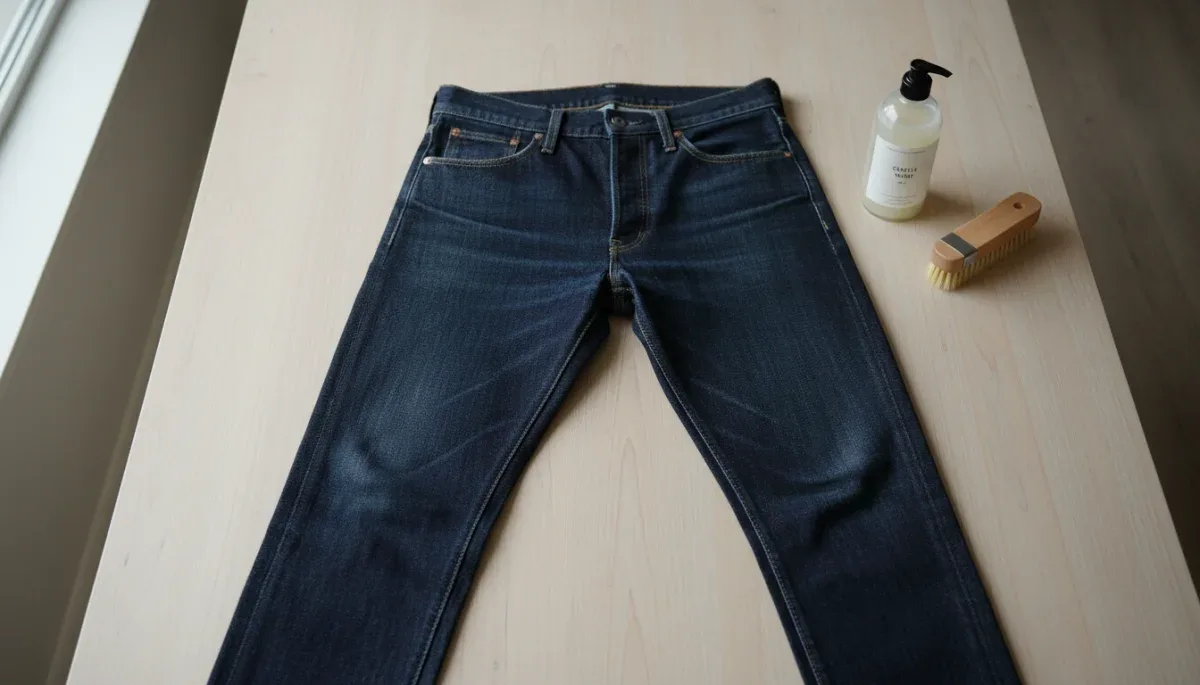
Caring for raw denim without shrinking the fabric requires cold water, minimal mechanical agitation, and air drying away from direct heat sources. Raw denim consists of unwashed, untreated cotton that contracts significantly whenever it encounters high temperatures or aggressive tumbling.
This cleaning approach helps denim owners maintain their preferred waist and inseam measurements while preserving the rich indigo dye across the surface of the pants. The primary trade-off is time, as safe hand washing and natural drying take substantially longer than running garments through standard household appliances.
Understanding raw denim construction and shrinkage
Raw denim, often called dry denim, comes straight from the loom without undergoing an industrial wash or distress process. Because the cotton yarns remain in their natural, starched state, the fibers retain tension from the weaving machinery. When these dry fibers absorb warm water, the tension releases and the cotton contracts toward its natural, unstretched state.
Advertisements
Denim fabrics generally fall into two manufacturing categories: sanforized and unsanforized. Sanforized raw denim undergoes a mechanical pre-shrinking process at the mill using steam and heavy rubber belts. This treatment limits future shrinkage to roughly one to three percent. Unsanforized denim, commonly referred to as shrink-to-fit or loomstate denim, skips this mechanical step entirely and can shrink up to ten percent upon its first exposure to warm water.
Understanding which type of denim you own determines how cautious you must be during the cleaning process. Even sanforized jeans will tighten up if exposed to hot water cycles or the high heat of a clothes dryer. Heat causes cotton cellulose fibers to relax and tighten simultaneously, resulting in permanent dimensional loss across the waistband, thighs, and overall length.
Preparing raw jeans for their first cold soak
Before introducing any water to raw denim, proper preparation prevents uneven dye loss and structural distortion. Fastening all buttons or closing the fly helps the garment keep its balance in the wash basin, preventing twisted leg seams. Turning the pants inside out protects the outer indigo layer from surface friction, which can cause unwanted streaking or premature color fading.
Advertisements
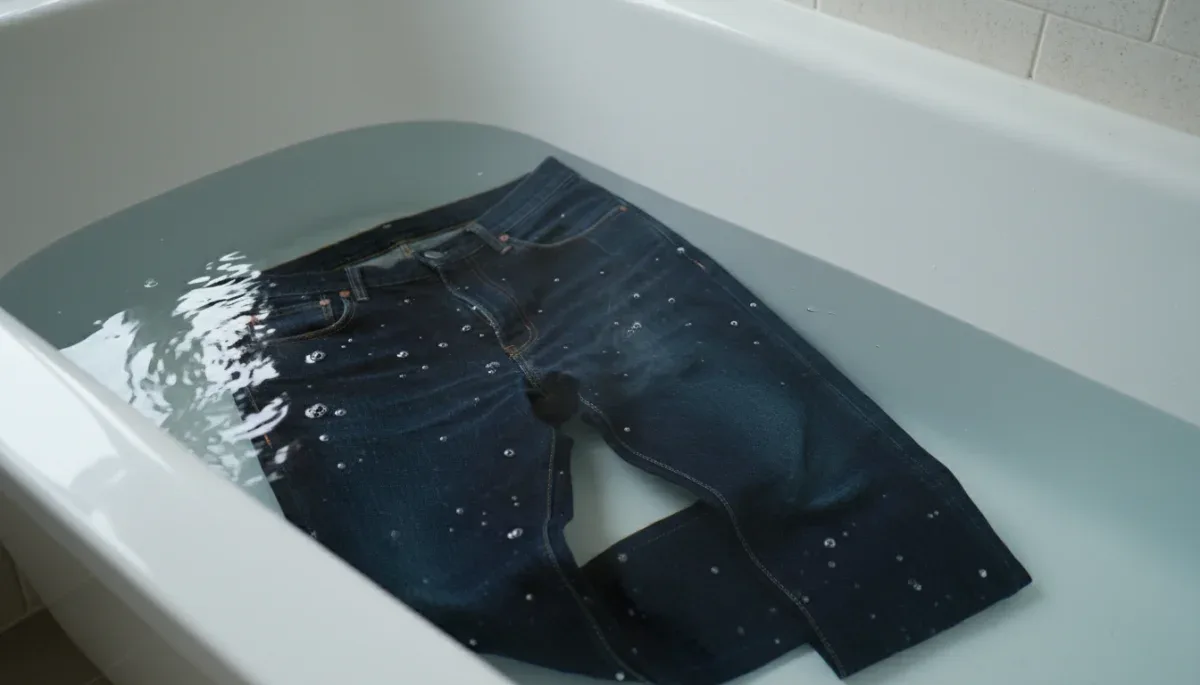
A bathtub or large wash basin provides the ideal environment for cleaning raw denim without folding or bunching the legs. Filling the container with four to six inches of cold tap water ensures there is enough volume to submerge the jeans fully without crowding the fabric.
Pre-soak preparation steps
- Empty all pockets completely to prevent metal objects or paper from staining the wet cotton.
- Fasten the front closure and turn the entire pair of jeans inside out.
- Fill a clean tub with cold water before placing the garment into the water.
- Dissolve a mild, bleach-free detergent into the water prior to submerging the denim.
Washing raw denim by hand without hot water
Submerging raw denim flat in cold water allows dirt and oils to dissolve without shocking the cotton fibers. Place the inside-out jeans into the prepared bath and gently press down along the waistband and legs until the fabric absorbs the water completely. Avoid twisting, wringing, or aggressively scrubbing the fabric, as physical friction forces indigo dye out of the surface yarns unevenly.
Allow the jeans to rest in the cold soapy bath for thirty to forty-five minutes. This resting period gives the surfactants in the detergent adequate time to break down surface grime, skin oils, and sweat trapped between the cotton threads. If the water appears slightly blue or brown, this is normal runoff composed of excess starch, loose surface dye, and accumulated dirt.
Drain the soapy water while holding the denim flat against the bottom of the basin. Refill the tub with clean, cold water to rinse away all soap residue. Press the denim down several times to cycle clean water through the weave, and repeat this rinse step until no soapy lather remains on the surface.
Safe drying techniques that prevent shrinkage
The drying stage carries the highest risk of fabric shrinkage, making careful handling essential once the wash cycle finishes. Never twist or wring out raw denim to expel moisture, as twisting stretches the warp yarns out of alignment and damages the structural integrity of the seams.
To remove excess water safely, roll the wet jeans inside a clean, dry bath towel. Press down firmly along the rolled towel to transfer moisture from the denim into the terrycloth without applying lateral tension. Once the excess water is absorbed, unroll the jeans and reshape the waistband and leg openings by hand.
Hang the jeans by the waistband using sturdy clothespins or drape them flat over a drying rack in a well-ventilated room. Keep the garment far away from direct sunlight, radiators, or heated vents, as ambient heat sources cause localized cotton shrinkage and cause dark indigo dye to oxidize unevenly.
Routine spot cleaning and daily maintenance
Full washes should only occur when the entire garment becomes visibly dirty or begins to hold persistent odors. For localized food spills, mud splashes, or surface dust, targeted spot cleaning keeps the rest of the denim dry and eliminates the risk of overall shrinkage.
Address small spills immediately by blotting the area with a damp microfiber cloth moistened with cold water. Avoid scrubbing in circular motions, which creates noticeable light patches where the surface dye lifts away from the twill weave. Instead, dab the stain directly from the outside edges inward.
A soft-bristled horsehair brush works well for removing dried mud and surface dirt without water. Brushing along the direction of the denim grain lifts loose debris out of the fibers, keeping the pants clean between planned soakings and preserving the crisp texture of the raw cotton.
Managing odor without water between washes
Denim absorbs body heat and moisture during daily wear, which can foster bacteria that cause unpleasant odors over time. Proper ventilation between wears allows trapped humidity to evaporate completely, reducing bacterial growth without requiring a water bath.
Hang your jeans in an open room with steady airflow for twelve to twenty-four hours after each wear rather than folding them into an enclosed closet or drawer. Good air circulation dries out residual sweat before it leads to stale odors.
Fabric refresh sprays designed without alcohol or harsh solvents can neutralize localized odors around the waistband and crotch. Mist the inside of the garment lightly from a distance of eight to ten inches, then allow the denim to air dry completely before wearing it again.
At a glance
| Care factor | What to know |
|---|---|
| Water temperature | Use cold water only to prevent the cotton fibers from contracting. |
| Washing method | Soak flat by hand inside out to avoid abrasive surface friction. |
| Drying technique | Air dry on a hanger away from direct sunlight and artificial heat. |
| Stain removal | Spot clean with a damp cloth instead of submerging the full garment. |
Frequently asked questions
Can I wash raw denim in a washing machine without shrinking it?
Yes, you can use a washing machine if you select a delicate cycle with cold water and turn off the spin cycle entirely. The spin cycle creates intense friction that forces unwanted shrinkage and produces permanent white fold lines across dark indigo fabric.
Does freezing raw denim clean the fabric and stop odors?
No, freezing does not clean raw denim or eliminate bacteria. Cold temperatures merely make bacteria dormant, and the odors return as soon as body warmth heats the cotton. A gentle cold water soak with mild soap remains the safest way to remove odor-causing bacteria.
How often should raw denim be soaked or washed?
Raw denim should be washed whenever it becomes noticeably soiled or develops an odor, which typically occurs every three to six months of regular wear. Washing when necessary removes body oils and grit that break down cotton fibers over time.
Will raw denim stretch back out if it shrinks slightly after a cold soak?
Yes, minor tightness in the waistband and upper thighs will stretch back out after a few hours of wear as your body applies gentle tension to the cotton fibers. However, shrinkage in the vertical inseam length is generally permanent.
The bottom line
Keeping raw denim clean without losing your desired fit comes down to eliminating heat and aggressive movement throughout the entire laundering process. By soaking your jeans inside out in cold water, using mild soap, and hanging them to air dry naturally, you protect both the structural dimensions and the unique character of the cotton. Always check the manufacturer care tag for specific sanforization details before introducing water to the fabric.
Written by
Lucas Bastos
Lucas Bastos writes about fashion tips, seasonal collections and designer spotlights for getclothez.com. Each article explains how things work, compares published details such as prices, policies and program rules, and points readers to the official source before they decide.