
Insider Styles: 4 Data-Backed Outfit Trends Dominating US College Campuses This Semester
Advertisements
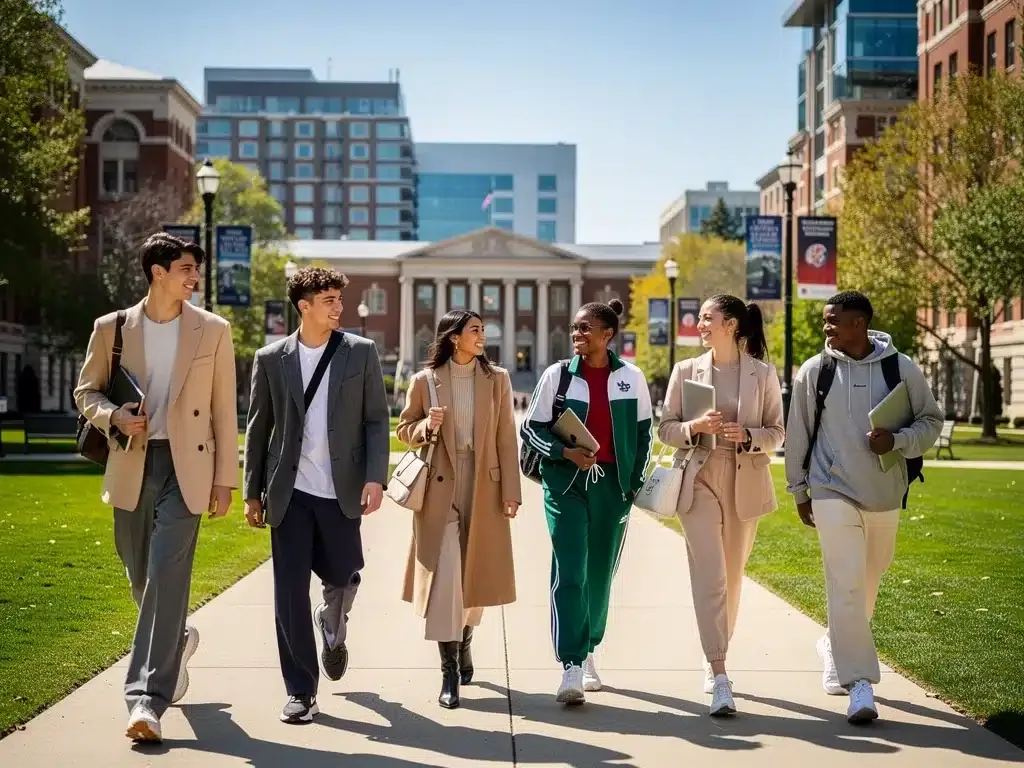
The latest analysis reveals significant shifts in college campus trends across US universities, with four distinct outfit styles now dominating student wardrobes. This report delves into the influences behind these fashion movements, offering a comprehensive look at what students are wearing and why. Understanding these trends provides valuable insights into contemporary youth fashion and consumer behavior.
Insider Styles: 4 Data-Backed Outfit Trends Dominating US College Campuses This Semester are currently reshaping the fashion landscape within American higher education institutions. This detailed examination, informed by recent data and observations, highlights the prominent sartorial choices students are making, reflecting a blend of comfort, individuality, and social consciousness.
As the semester progresses, distinct patterns in student attire have emerged, moving beyond fleeting fads to establish themselves as significant fashion statements. These trends are not merely aesthetic; they often speak to broader cultural shifts, sustainability concerns, and the evolving demands of academic life.
Advertisements
The Rise of Elevated Loungewear: Comfort Meets Style
Elevated loungewear has firmly established itself as a cornerstone of college campus trends, blending unparalleled comfort with a polished aesthetic suitable for both lectures and casual social gatherings. This trend signifies a collective student desire for versatility, allowing seamless transitions from dormitory to classroom to library without compromising on style.
Data indicates a sustained preference for soft, breathable fabrics like organic cottons, modal, and quality knits, often in monochromatic palettes or subtle earth tones. The key lies in the thoughtful construction and tailored silhouettes that distinguish this loungewear from mere pajamas, elevating it to an intentional fashion choice.
Students are investing in coordinated sets, refined joggers, chic knit sweaters, and stylish hoodies that offer both ease of movement and a sophisticated appearance. This trend reflects a post-pandemic recalibration of priorities, where comfort is no longer sacrificed for perceived formality on campus.
Advertisements
Key Components of Elevated Loungewear
The foundation of this trend lies in premium materials and thoughtful design. Pieces are often characterized by their soft textures, relaxed fits, and neutral color schemes, making them highly adaptable and easy to mix and match.
Attention to detail, such as subtle branding, quality stitching, and functional elements like well-placed pockets, elevates these garments. This focus ensures that while the attire is comfortable, it projects an image of intentionality and understated elegance, aligning with the overall college campus trends.
- Matching knit sets (sweaters and wide-leg pants/skirts)
- Tailored joggers and premium hoodies
- Soft, oversized crewnecks and cardigans
- Luxurious tracksuits in muted tones
Why Students Embrace This Trend
The appeal of elevated loungewear stems from its intrinsic practicality and its ability to meet the diverse demands of a student’s day. From early morning classes to late-night study sessions, these outfits provide comfort without appearing disheveled, a critical balance for the dynamic college environment.
Furthermore, this style promotes a sense of well-being and self-care, as students prioritize clothing that feels good and contributes to a relaxed state of mind. The versatility also means fewer wardrobe changes, simplifying daily routines for busy students.
This trend also aligns with a growing appreciation for minimalist aesthetics and sustainable fashion, as many elevated loungewear brands focus on ethical production and durable, long-lasting pieces. It’s a smart investment for any student looking to master college campus trends.
Vintage Athletics: Nostalgia Meets Modernity
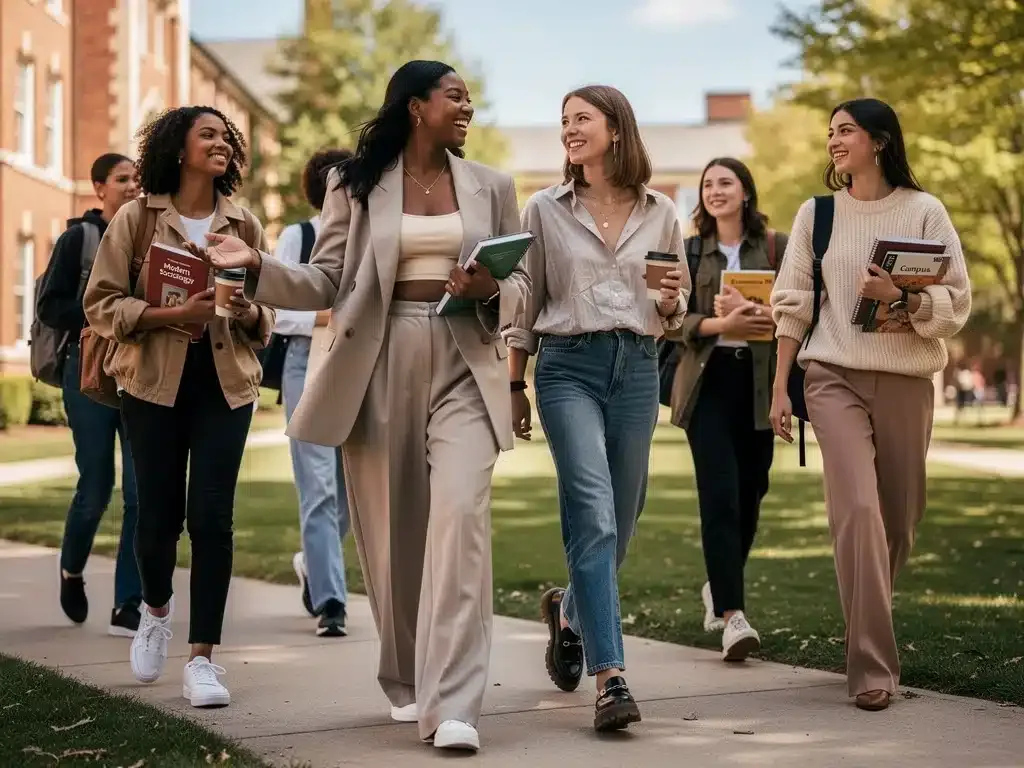
Vintage athletics, or ‘retro sportswear,’ continues to be a dominant force among college campus trends, drawing heavily on the aesthetic of athletic wear from the 70s, 80s, and 90s. This trend is characterized by bold primary colors, classic sports logos, and comfortable, often oversized silhouettes, evoking a sense of nostalgia while remaining distinctly modern.
Students are curating looks that blend authentic vintage pieces, often sourced from thrift stores or family wardrobes, with contemporary interpretations by popular brands. This fusion creates unique, personalized ensembles that stand out on campus, showcasing individual style within a recognizable framework.
The resurgence of track jackets, varsity sweaters, graphic tees featuring retro sports teams, and classic sneaker models defines this movement. It speaks to a desire for authenticity and a playful approach to fashion, making it a key element of current college campus trends.
Signature Elements of Retro Sportswear
This trend is immediately identifiable by its vibrant color palettes and iconic branding. Garments often feature stripes, color-blocking, and bold typography, reminiscent of sports uniforms and team apparel from past decades.
Fabrics typically include cotton, polyester blends, and nylon, chosen for their durability and athletic heritage. The silhouettes are generally relaxed, offering comfort and ease of movement, which is essential for a busy student lifestyle.
- Classic track jackets and matching pants
- Oversized graphic tees with vintage team logos
- Varsity jackets and collegiate sweaters
- Retro sneakers (e.g., New Balance 550s, Adidas Sambas)
The Cultural Impact on Campus Fashion
The appeal of vintage athletics extends beyond mere aesthetics; it taps into a broader cultural appreciation for history and a cyclical nature of fashion. Students use these pieces to express individuality and a connection to a bygone era, often without having lived through it.
This trend also aligns with sustainable practices, as thrifting and repurposing old garments are central to its execution. It promotes a conscious consumption model, encouraging students to seek out unique items rather than solely relying on fast fashion.
The comfort and practicality of sportswear also make it ideal for campus life, offering durable and functional clothing that can withstand the rigors of academic and social activities. It’s a versatile and impactful component of the prevailing college campus trends.
Minimalist Chic: Understated Sophistication
Minimalist chic represents a refined approach to college campus trends, emphasizing clean lines, neutral color palettes, and high-quality basics. This style prioritizes timeless elegance over fleeting fads, offering students a sophisticated and effortlessly put-together appearance for various campus occasions.
The focus is on well-fitting garments made from quality fabrics, designed to be versatile and enduring. Students embracing this trend often build capsule wardrobes, investing in pieces that can be easily mixed and matched to create numerous polished outfits, reducing the need for excessive consumption.
Key elements include tailored trousers, crisp button-down shirts, simple knitwear, and classic trench coats or blazers. The absence of overt branding and excessive ornamentation is deliberate, allowing the quality and silhouette of the garments to speak for themselves, defining this segment of college campus trends.
Building a Minimalist Wardrobe
The core of minimalist chic is intentionality in clothing choices. Each piece is selected for its versatility, quality, and ability to integrate seamlessly with other items in the wardrobe. This approach ensures maximum utility and longevity from every garment.
Color palettes typically revolve around black, white, gray, navy, and beige, with occasional subtle accents. The emphasis is on texture and subtle detailing rather than bold patterns or loud prints.
- Tailored wide-leg trousers and straight-leg jeans
- Crisp white or neutral-colored button-down shirts
- High-quality knit sweaters (cashmere, merino wool)
- Classic blazers and trench coats
The Practicality of Simplicity
For college students, the minimalist chic trend offers a practical solution to daily dressing. The ease of combining pieces means less time spent deliberating outfits, freeing up valuable time for academics and other activities. This efficiency is highly valued in a busy student schedule.
Furthermore, investing in fewer, higher-quality items can be more cost-effective in the long run, as these garments tend to last longer and remain stylish season after season. This aligns with a growing student awareness of sustainable fashion practices.
The understated elegance of minimalist chic also projects an image of professionalism and seriousness, which can be beneficial for internships, presentations, and networking events on campus. It’s a smart and enduring choice among college campus trends.
Oversized and Tailored: A Play on Proportions
The oversized and tailored trend represents a fascinating juxtaposition within current college campus trends, combining the relaxed comfort of loose-fitting garments with the sharp structure of classic tailoring. This style creates a modern, sophisticated silhouette that challenges traditional notions of fit and form.
Students are seen pairing voluminous blazers and wide-leg trousers with more fitted tops, or oversized shirts with tailored skirts, expertly balancing proportions. This approach allows for creative expression while maintaining an air of deliberate fashion-forwardness, crucial for those following college campus trends.
The trend often features neutral tones and muted patterns, allowing the interplay of size and structure to take center stage. It reflects a confident and adventurous approach to dressing, where comfort and style are not mutually exclusive but rather complementary elements.
Mastering Proportions with Oversized Tailoring
The success of the oversized and tailored look hinges on understanding balance. While pieces are intentionally large, they are not shapeless; instead, they maintain a structural integrity that elevates the overall outfit.
Key pieces include blazers with broad shoulders and extended lengths, trousers with generous legroom, and shirts with relaxed drapes. The tailoring ensures that even with the added volume, the garments retain a sophisticated edge, making them distinct among college campus trends.
- Oversized blazers paired with fitted crop tops
- Wide-leg trousers or jeans with structured knitwear
- Loose button-down shirts worn over tailored shorts
- Long, duster-style coats over more streamlined outfits
The Appeal on University Grounds
The oversized and tailored trend resonates with college students for several reasons. Firstly, it offers a high degree of comfort without sacrificing style, a recurring theme in contemporary campus fashion. The looser fits allow for greater movement and ease throughout a busy academic day.
Secondly, it provides a sense of individuality and creative freedom. Students can experiment with different silhouettes and layering techniques, creating looks that are uniquely their own. This self-expression is a vital aspect of student culture and college campus trends.

Finally, this trend often incorporates elements of gender-neutral fashion, appealing to a broader demographic of students who are challenging traditional sartorial norms. It’s a powerful statement of modern identity within the university setting, solidifying its place in college campus trends.
Sustainable Fashion: Conscious Consumption
Sustainable fashion has transcended being merely a niche interest to become a significant driver behind many college campus trends. Students are increasingly aware of the environmental and social impacts of their clothing choices, leading to a noticeable shift towards ethical and eco-friendly practices.
This trend manifests in various ways, from a preference for second-hand clothing and vintage finds to supporting brands that prioritize sustainable materials and fair labor practices. The conscious consumer movement is gaining serious traction, influencing purchasing decisions across campuses.
Data indicates a growing interest in natural fibers, recycled materials, and garments designed for longevity, reducing the demand for fast fashion. This shift is not just about aesthetics but about aligning personal values with consumption habits, making it a powerful force in college campus trends.
Embracing Eco-Friendly Wardrobes
Building a sustainable wardrobe involves thoughtful consideration of where and how clothes are made. Students are educating themselves on brand ethics, supply chains, and the environmental footprint of fashion production, making informed choices that reflect their values.
Thrifting, clothing swaps, and upcycling old garments are popular methods for participating in this trend, offering both unique style and environmental benefits. The focus is on quality over quantity, and timeless pieces over disposable fads.
- Thrifted and vintage clothing finds
- Purchases from ethical and sustainable brands
- Upcycled or repurposed garments
- Investment in durable, high-quality basics
The Impact on Campus Culture
The rise of sustainable fashion among college campus trends is fostering a more mindful and responsible consumer culture. Students are actively engaging in conversations about environmental justice and social equity, using their purchasing power to support positive change.
This trend also encourages creativity and resourcefulness, as students learn to make the most of what they have and discover unique styles through alternative sourcing methods. It’s a movement that celebrates individuality and responsible living.
University initiatives, such as campus thrift stores and sustainability workshops, further reinforce this trend, providing resources and education to students. Sustainable fashion is not just a trend; it’s a growing lifestyle choice shaping the future of fashion on campus and beyond.
Influence of Social Media on Campus Styles
Social media platforms continue to exert a profound influence on college campus trends, acting as primary conduits for fashion inspiration and dissemination. Students are constantly exposed to new styles, outfit ideas, and emerging brands through platforms like TikTok, Instagram, and Pinterest, which shape their personal wardrobes.
The visual nature of these platforms allows for rapid adoption and adaptation of trends, often leading to a dynamic and ever-evolving campus fashion scene. Influencers, both micro and macro, play a significant role in showcasing and validating specific looks, driving their popularity among the student body.
This digital influence also fosters a sense of community around fashion, with students sharing their own outfits and engaging with others’ styles. It’s a powerful feedback loop that accelerates the lifecycle of many college campus trends.
Platforms Driving Fashion Adoption
Certain social media platforms have become indispensable tools for students seeking fashion inspiration. TikTok, with its short-form video content, is particularly effective at demonstrating how to style specific pieces and showcasing new trends in action.
Instagram remains a go-to for curated aesthetic feeds and discovering new brands, while Pinterest serves as a digital mood board for planning outfits and collecting style ideas. These platforms collectively create a rich ecosystem for fashion discovery among students.
- TikTok for trend discovery and styling tutorials
- Instagram for aesthetic inspiration and brand exposure
- Pinterest for mood boarding and outfit planning
- YouTube for in-depth fashion hauls and reviews
From Digital Screens to Campus Walkways
The transition of trends from digital screens to campus walkways is remarkably swift. A style gaining traction online can quickly appear in real-world student outfits, demonstrating the immediate impact of social media on college campus trends.
Students often replicate or adapt looks seen online, adding their own personal twists to make them unique. This constant interplay between digital inspiration and personal interpretation keeps campus fashion vibrant and diverse.
The ability to instantly share and receive feedback on outfits also contributes to this phenomenon, creating a highly interactive and responsive fashion environment. Social media is not just reflecting trends; it is actively creating and propagating them across US college campuses.
| Key Trend | Brief Description |
|---|---|
| Elevated Loungewear | Comfortable yet polished outfits, often matching sets, for versatile wear. |
| Vintage Athletics | Retro sportswear with bold colors, classic logos, and oversized fits. |
| Minimalist Chic | Clean lines, neutral palettes, and high-quality basics for understated elegance. |
| Oversized & Tailored | Balancing voluminous pieces with sharp tailoring for modern silhouettes. |
Frequently Asked Questions About Campus Fashion Trends
What are the most influential factors driving current college campus trends?
Current college campus trends are primarily driven by a confluence of social media influence, a heightened demand for comfort and versatility, and a growing emphasis on sustainable and ethical fashion choices. Students are increasingly seeking styles that reflect both personal expression and conscious consumerism.
How do these identified trends differ from previous semester’s fashion on campus?
This semester’s college campus trends show a stronger lean towards intentional dressing, even within comfort-focused styles. Previous trends might have prioritized fast fashion or specific micro-trends, whereas now there’s a clear shift towards quality, longevity, and a blend of vintage and modern aesthetics.
Are these outfit trends observed uniformly across all US college campuses?
While these four trends are broadly prevalent, their specific manifestations can vary by region, university culture, and student demographics. However, the underlying principles of comfort, sustainability, and unique self-expression remain consistent, forming the core of college campus trends nationwide.
What role does sustainability play in student fashion choices this semester?
Sustainability plays a significant and increasing role. Students are actively seeking out thrifted items, supporting ethical brands, and prioritizing durable, long-lasting garments. This conscious approach to consumption is deeply integrated into many of the dominant college campus trends observed this semester.
How can students adapt these trends to their personal style and budget?
Students can adapt these college campus trends by focusing on key pieces, exploring second-hand options, and prioritizing versatility. Investing in a few quality basics that align with minimalist chic or elevated loungewear can be cost-effective, while thrifting supports vintage athletics and sustainability.
Looking Ahead: Evolution of Campus Style
The observed Insider Styles: 4 Data-Backed Outfit Trends Dominating US College Campuses This Semester underscore a significant evolution in student fashion, moving towards more intentional, comfortable, and ethically conscious choices. These trends are not mere passing fads but reflect deeper shifts in values, prioritizing personal well-being, environmental responsibility, and authentic self-expression.
As the academic year progresses, it will be crucial to monitor how these trends continue to adapt to new cultural influences and technological advancements. The interplay between digital inspiration and real-world application will undoubtedly keep campus fashion dynamic and reflective of the evolving student identity. These college campus trends embody a generation’s approach to identity.
The emphasis on versatility, sustainability, and individual flair suggests a lasting impact on how students approach their wardrobes, moving away from purely trend-driven consumption towards a more considered and personal style narrative. These college campus trends are here to stay, in one form or another, shaping future fashion landscapes.
Written by
Maria Eduarda
Maria Eduarda writes about seasonal collections, fashion tips and outfit ideas for getclothez.com. Each article explains how things work, compares published details such as prices, policies and program rules, and points readers to the official source before they decide.