Advertisements
Designer collaborations are fundamentally transforming the luxury market, driving innovation, expanding global reach, and redefining consumer perceptions of exclusivity and value through strategic partnerships.
Have you ever wondered how designer collaborations are reshaping the luxury market, turning traditional exclusivity on its head? These strategic partnerships are not just fleeting trends; they are powerful forces redefining how luxury brands interact with consumers, innovate, and expand their global footprint, creating an exciting new era for high fashion and premium goods.
Advertisements
The Evolution of Luxury: From Exclusivity to Inclusivity via Collaboration
The luxury market, traditionally built on pillars of exclusivity, heritage, and scarcity, is undergoing a profound transformation. For centuries, luxury brands cultivated an aura of unattainability, catering to a select few. However, the dawn of the 21st century brought with it a shift in consumer demographics and expectations, particularly from younger generations who value authenticity, innovation, and accessibility. This evolution has paved the way for designer collaborations to emerge as a dominant strategy, allowing luxury houses to maintain their prestige while simultaneously embracing a more inclusive and dynamic approach.
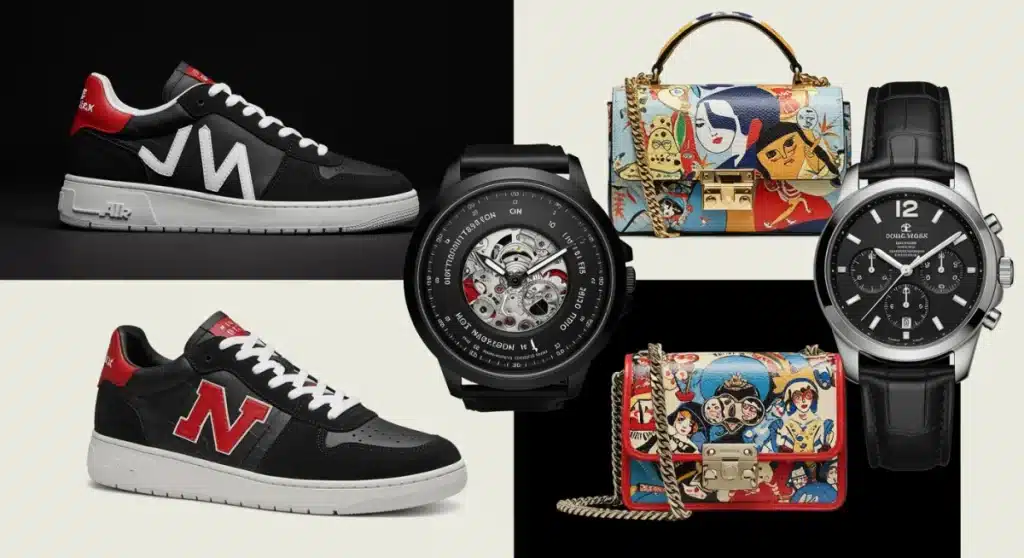
These collaborations serve as a bridge between established luxury and contemporary culture, injecting fresh perspectives and reaching new audiences that might not typically engage with traditional high-end offerings. By partnering with streetwear labels, emerging artists, or even technology companies, luxury brands can tap into different subcultures and consumer segments, expanding their market share and relevance. This strategic move challenges the conventional notion that luxury must remain aloof; instead, it demonstrates a willingness to adapt and innovate while preserving core brand values.
Advertisements
Breaking Down Traditional Barriers
One of the most significant impacts of designer collaborations is their ability to dismantle long-standing barriers between different sectors of the fashion and design industries. What was once a clear delineation between high fashion and streetwear, or art and commerce, has become increasingly blurred. This fusion creates exciting new product categories and aesthetics that appeal to a broader, more diverse consumer base.
- Democratization of Luxury: Collaborations introduce luxury aesthetics and quality to a wider audience, making high-end design more accessible, even if in limited editions.
- Cultural Relevance: Brands gain immediate cultural currency by associating with collaborators who resonate with specific, often younger, demographics.
- Innovation in Design: The merging of distinct creative visions often leads to groundbreaking designs and product concepts that push boundaries.
Ultimately, this section highlights how collaborations are not merely marketing stunts but fundamental shifts in the luxury brand paradigm. They represent a strategic embrace of change, allowing brands to remain aspirational while becoming more relatable and dynamic in an ever-evolving global marketplace. This strategic fusion is proving essential for sustained growth and relevance in the modern luxury landscape.
Strategic Partnerships: Driving Innovation and Brand Rejuvenation
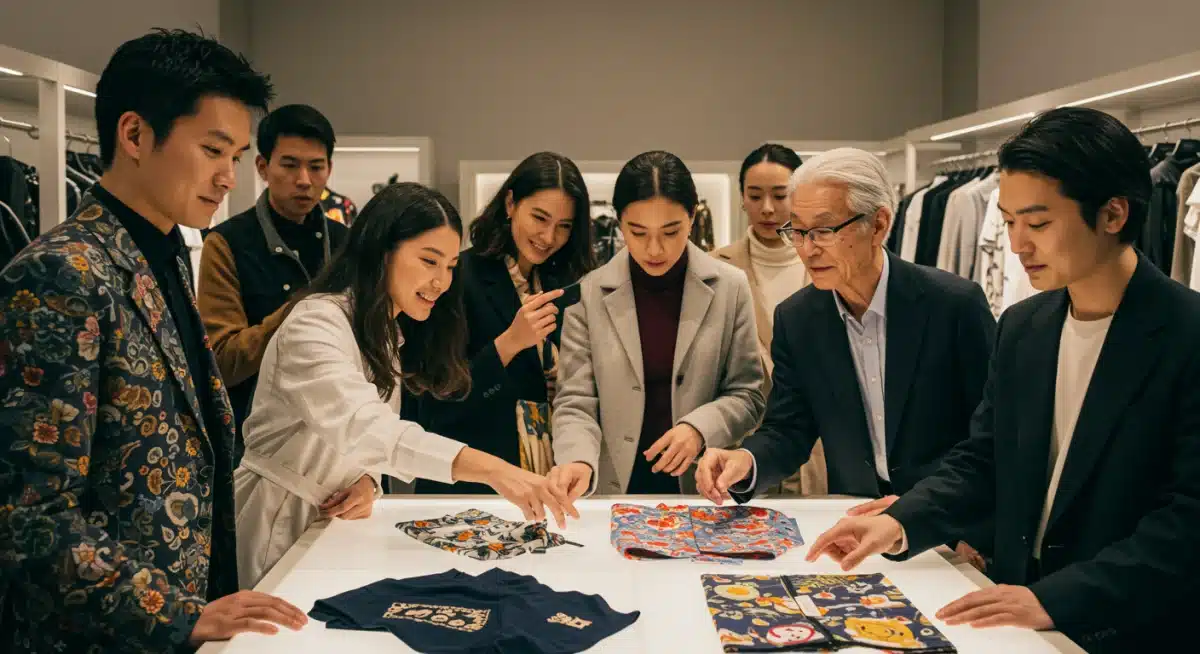
In today’s competitive landscape, innovation is not just desirable; it’s imperative for luxury brands to stay ahead. Designer collaborations have become a powerful catalyst for innovation, pushing brands to explore new materials, techniques, and design philosophies. When two distinct creative entities come together, the result is often a synergistic explosion of ideas that neither could achieve alone. This creative cross-pollination breathes new life into established luxury houses, preventing stagnation and ensuring their continued relevance.
Beyond product innovation, these partnerships also serve as a potent tool for brand rejuvenation. Older, storied luxury brands can leverage collaborations with younger, edgier designers or cultural icons to refresh their image, attract a new generation of consumers, and shed any perception of being outdated. This strategic infusion of fresh energy helps maintain their legacy while simultaneously positioning them for future growth. The goal is not to erase history but to build upon it in a way that resonates with contemporary sensibilities.
One notable aspect is how collaborations can redefine a brand’s narrative. For instance, a traditional high-fashion house collaborating with a tech giant might signal a forward-thinking approach, embracing digital innovation and smart design. Similarly, a partnership with an acclaimed artist can elevate a brand’s artistic credibility and cultural standing. These narratives are crucial in shaping consumer perception and fostering deeper emotional connections.
Expanding Creative Horizons
The creative process within a collaboration is often a delicate balance of respecting each brand’s identity while forging something entirely new. This often means designers step outside their comfort zones, experimenting with unfamiliar aesthetics or production methods. The learning curve can be steep, but the rewards—in terms of unique products and expanded creative horizons—are significant.
- New Design Aesthetics: Collaborations often yield unique hybrid styles that blend the distinct elements of participating brands.
- Material and Technique Exploration: Partners might introduce new materials or manufacturing techniques, fostering innovation in production processes.
- Shared Expertise: Brands can learn from each other’s strengths, from marketing strategies to supply chain efficiencies.
Ultimately, these strategic alliances are more than just product launches; they are carefully orchestrated exercises in brand management and creative exploration. They allow luxury brands to remain at the forefront of design and culture, continuously evolving and adapting to the changing tastes and demands of a global audience.
Marketing and Hype Generation: The Power of Scarcity and Storytelling
Designer collaborations are marketing masterstrokes, expertly leveraging the principles of scarcity and compelling storytelling to generate unprecedented hype and consumer demand. The limited-edition nature of most collaborative collections creates an immediate sense of urgency and exclusivity, driving consumers to act quickly before products sell out. This ‘fear of missing out’ (FOMO) is a potent psychological trigger, turning product launches into highly anticipated cultural events.
The narrative surrounding these collaborations is equally crucial. Each partnership comes with a unique story: the unexpected pairing of two seemingly disparate brands, the fusion of different design philosophies, or the celebration of a particular cultural moment. This storytelling element adds layers of meaning and emotional resonance to the products, transforming them from mere commodities into coveted collectibles. Consumers aren’t just buying an item; they’re buying into a narrative, a piece of cultural history, or a symbol of their identity.
Social media plays a pivotal role in amplifying this hype. Teaser campaigns, celebrity endorsements, and influencer marketing build anticipation long before a collection drops. The visual nature of platforms like Instagram and TikTok is perfectly suited for showcasing these visually striking collaborations, turning product reveals into viral moments. This organic buzz, combined with strategic digital marketing, ensures that collaborative collections reach a massive global audience almost instantaneously.
Building Anticipation and Engagement
The marketing strategies surrounding collaborations are often multi-faceted, designed to build excitement in stages. From cryptic initial announcements to detailed behind-the-scenes content, brands meticulously craft the narrative to keep consumers engaged and eager for more. This phased approach maximizes exposure and allows for sustained media attention.
- Limited Edition Drops: The scarcity model creates instant demand and a perception of high value.
- Strategic Social Media Campaigns: Leveraging platforms for teasers, reveals, and user-generated content.
- Influencer and Celebrity Endorsements: Tapping into the reach and credibility of cultural figures to amplify messaging.
The hype generated by designer collaborations extends beyond immediate sales. It creates a halo effect for both participating brands, boosting their overall visibility, desirability, and cultural relevance. This long-term brand equity is a significant return on investment, solidifying their positions in the luxury market.
Expanding Reach and Demographic Diversification
One of the most compelling reasons for luxury brands to engage in collaborations is the unparalleled opportunity to expand their market reach and diversify their consumer base. Traditionally, luxury brands have targeted a relatively narrow, affluent demographic. However, the modern market demands a broader appeal, particularly with the rise of younger, digitally native consumers who have different purchasing habits and brand loyalties.
By partnering with brands or designers that resonate with a different demographic, luxury houses can effectively introduce themselves to new segments without diluting their core identity. For example, a collaboration between a heritage luxury brand and a popular streetwear label can attract younger, fashion-forward consumers who might have previously viewed the luxury brand as inaccessible or irrelevant. This cross-pollination expands the brand’s footprint into untapped markets, both geographically and demographically.
Moreover, collaborations can help luxury brands connect with diverse cultural groups. By working with artists, musicians, or designers from various backgrounds, brands can create products that speak to a wider array of cultural experiences and aesthetics. This not only broadens their appeal but also enhances their image as culturally aware and inclusive entities, which is increasingly important for today’s socially conscious consumers.
The strategic selection of a collaborator is paramount to achieving this demographic diversification. Brands meticulously research potential partners to ensure alignment in values, aesthetics, and target audience, while also seeking a complementary contrast that sparks interest. The goal is to create a partnership where 1+1 equals more than 2, generating a combined reach that far exceeds what either brand could achieve individually.
Tapping into New Markets
Collaborations offer a direct pathway to audiences that might otherwise be difficult to penetrate. This can include entering new geographic markets where the collaborator has a strong local presence, or appealing to niche subcultures with dedicated followings.
- Youth Engagement: Attracting Gen Z and Millennials who seek unique, story-driven products.
- Geographic Expansion: Gaining traction in new regions through a collaborator’s established market presence.
- Cultural Relevance: Connecting with diverse cultural groups through authentic partnerships.
Ultimately, collaborations are a dynamic strategy for luxury brands to remain vibrant and relevant in a rapidly changing global consumer landscape. They are about smart growth, intelligent expansion, and thoughtfully broadening horizons while maintaining the integrity and allure that define luxury.
Challenges and Risks in Designer Collaborations
While designer collaborations offer numerous benefits, they are not without their challenges and inherent risks. A successful collaboration requires meticulous planning, careful execution, and a deep understanding of both brands’ identities. One of the primary risks is brand dilution. If a luxury brand partners with a collaborator whose image or values are misaligned, it can inadvertently tarnish its hard-earned reputation and erode consumer trust. The perception of exclusivity and quality, once compromised, is incredibly difficult to restore.
Another significant challenge lies in managing creative differences. When two distinct design teams come together, clashes in artistic vision, production methods, or even marketing approaches can arise. Navigating these differences requires strong leadership, clear communication channels, and a shared commitment to the collaborative vision. Without this, the final product might lack cohesion or fail to capture the unique essence of both brands, leading to a lackluster reception.
Operational complexities also pose a considerable hurdle. Collaborations often involve integrating different supply chains, manufacturing processes, and distribution networks. Ensuring consistent quality, timely production, and efficient logistics across disparate organizational structures can be a logistical nightmare. Any misstep in these operational aspects can lead to delays, product defects, or disgruntled customers, ultimately harming both brands involved.
Navigating Potential Pitfalls
To mitigate these risks, brands must engage in thorough due diligence before committing to a partnership. This includes evaluating the collaborator’s brand integrity, their operational capabilities, and their alignment with the luxury brand’s long-term strategic goals. A clear legal framework outlining responsibilities, intellectual property rights, and revenue sharing is also essential.
- Brand Dilution: Risk of undermining core brand values through incompatible partnerships.
- Creative Disagreement: Potential for conflict over design direction and artistic vision.
- Operational Challenges: Difficulties in integrating supply chains, production, and distribution.
Despite these challenges, the potential rewards often outweigh the risks for luxury brands willing to navigate these complexities strategically. Successful collaborations are a testament to careful planning, mutual respect, and a shared vision for innovation and market expansion.
The Future Landscape: Sustainability, Digitalization, and New Forms of Collaboration
The landscape of designer collaborations is continuously evolving, with emerging trends pointing towards greater emphasis on sustainability, accelerated digitalization, and innovative forms of partnership. As global consciousness shifts towards environmental responsibility, future collaborations will increasingly integrate sustainable practices, from ethical sourcing and production to eco-friendly materials and waste reduction. Luxury consumers, particularly younger generations, are demanding transparency and accountability from brands, making sustainability a non-negotiable aspect of future partnerships.
Digitalization will also play an even more pivotal role. Beyond e-commerce and social media marketing, we can expect to see collaborations extending into the metaverse, NFTs, and virtual fashion. Digital-only collections, avatar skins, and immersive virtual experiences will become new frontiers for luxury brands to explore, offering unique opportunities for engagement and monetization in the digital realm. This opens up entirely new creative avenues and revenue streams, appealing to a tech-savvy consumer base.
Furthermore, the types of collaborations themselves will diversify. We might see more partnerships with non-traditional entities such as scientific research institutions for material innovation, or social enterprises focusing on community impact. The scope will broaden beyond product creation to include shared experiences, educational initiatives, or even philanthropic endeavors, further embedding luxury brands within broader cultural and societal contexts. These expanded forms of collaboration will allow brands to tell richer stories and demonstrate a deeper commitment to values beyond commerce.
Emerging Trends Shaping Collaborations
The emphasis will shift from mere product launches to holistic brand experiences, driven by consumer values and technological advancements. Brands that adapt quickly to these trends will secure their position at the forefront of the luxury market.
- Eco-conscious Partnerships: Focus on sustainable materials, production, and ethical practices.
- Metaverse and NFT Collaborations: Exploring digital fashion, virtual experiences, and blockchain-backed collectibles.
- Cross-Industry Innovation: Partnerships with tech, science, or social impact organizations for novel solutions.
The future of designer collaborations promises to be dynamic and multifaceted, reflecting a luxury market that is increasingly interconnected, responsible, and technologically advanced. Brands that embrace these shifts will continue to thrive and redefine what luxury means for the next generation of consumers.
The Impact on Consumer Perception and Brand Value
Designer collaborations profoundly influence consumer perception and significantly enhance brand value in the luxury market. When a high-end brand partners with another respected entity, it often creates an immediate buzz that translates into increased desirability and perceived value. Consumers come to view these collaborative pieces not just as products, but as unique artifacts that embody the best of both worlds, often becoming instant collector’s items. This elevated perception directly impacts the brand’s equity, making it more sought-after and influential.
Moreover, collaborations can alter how consumers perceive a brand’s identity. For a traditional luxury house, a partnership with a contemporary artist or a cutting-edge streetwear label can signal a forward-thinking attitude, demonstrating relevance and an openness to innovation. Conversely, for a younger, more niche brand, collaborating with an established luxury giant can confer instant credibility, elevating its status and solidifying its position within the broader fashion ecosystem. This mutual benefit strengthens both brands’ market standing.
The narrative surrounding these partnerships also plays a crucial role in shaping consumer loyalty. When a collaboration tells a compelling story – perhaps celebrating a shared heritage, a specific artistic movement, or a groundbreaking technological fusion – it fosters a deeper emotional connection with the consumer. Customers aren’t just purchasing an item; they are investing in a piece of that story, which enhances their bond with the brand and encourages repeat engagement. This emotional investment is invaluable in the luxury sector, where brand loyalty is paramount.
Enhancing Brand Equity
The strategic deployment of collaborations can significantly bolster a brand’s long-term value, moving beyond fleeting trends to create lasting impact. It’s about building a legacy that resonates with contemporary audiences while honoring foundational principles.
- Increased Desirability: Collaborative pieces are often seen as unique and limited, driving higher demand.
- Refined Brand Image: Partnerships can refresh an older brand’s image or elevate a newer one’s credibility.
- Stronger Consumer Bonds: Compelling narratives create emotional connections and foster loyalty.
In essence, designer collaborations are not merely transactional events; they are strategic investments in brand perception and value. They allow luxury brands to constantly redefine themselves, stay agile, and maintain their aspirational allure in an increasingly dynamic and consumer-driven market.
| Key Aspect | Impact on Luxury Market |
|---|---|
| Market Expansion | Reaches new demographics and geographic areas, breaking traditional exclusivity. |
| Innovation Catalyst | Fosters creative breakthroughs in design, materials, and production techniques. |
| Brand Rejuvenation | Refreshes brand image, attracting younger audiences and maintaining cultural relevance. |
| Hype Generation | Utilizes scarcity and storytelling for immense marketing buzz and consumer demand. |
Frequently Asked Questions About Designer Collaborations
Designer collaborations are prevalent because they offer luxury brands a dynamic way to innovate, reach new demographics, and generate significant marketing buzz. They inject fresh perspectives, maintain cultural relevance, and create unique, limited-edition products that appeal to modern consumers seeking exclusivity and novelty.
Luxury brands benefit from collaborations by expanding their market reach to younger and more diverse audiences, fostering creative innovation in design and materials, and rejuvenating their brand image. They also generate considerable hype, driving sales and enhancing brand desirability through strategic storytelling and scarcity tactics.
Potential risks include brand dilution if the partner’s image is misaligned, creative disagreements leading to uninspired products, and operational complexities in integrating different supply chains and production processes. Careful selection and clear communication are crucial to mitigate these challenges effectively.
Collaborations shift consumer perception by making luxury more accessible and relevant, appealing to a broader audience without sacrificing prestige. They enhance brand value by creating unique, collectible items and fostering deeper emotional connections through compelling narratives, reinforcing desirability and loyalty.
Future trends point towards increased focus on sustainability, with eco-friendly materials and ethical production. Digitalization will lead to more metaverse and NFT collaborations. We can also expect cross-industry partnerships with tech or social enterprises, expanding beyond traditional product creation to holistic brand experiences.
Conclusion
The transformative power of designer collaborations in the luxury market is undeniable. These strategic alliances have moved beyond mere novelty to become fundamental pillars of growth, innovation, and brand relevance. By skillfully blending exclusivity with inclusivity, fostering creative synergy, and mastering the art of hype generation, luxury brands are effectively navigating a dynamic global landscape. As we look ahead, the evolution of these partnerships, driven by sustainability, digitalization, and diverse cross-industry ventures, promises an even more exciting and interconnected future for high fashion and premium goods, continually reshaping what it means to be a luxury brand in the modern age.