The Truth About Designer Sizing: What Consumers Don’t Know

Designer sizing is notoriously inconsistent, a complex issue often influenced by marketing strategies and brand-specific measurements rather than standardized metrics, making it challenging for consumers to find their true fit.
Have you ever tried on a designer dress in your usual size, only to find it either swimming on you or impossibly tight? If so, you’ve encountered the truth about designer sizing that most consumers don’t know: it’s rarely consistent and often a strategic marketing tactic. This phenomenon can be incredibly frustrating, transforming what should be an exciting shopping experience into a bewildering quest for the right fit.
the curious case of vanity sizing in luxury fashion
Vanity sizing is a pervasive practice within the fashion industry, particularly noticeable in the luxury sector. It’s the tactic of labeling clothing with smaller sizes than their actual measurements might suggest, often to make consumers feel better about their body image and, consequently, more inclined to purchase.
This strategy taps into human psychology, where seeing a smaller number on a clothing tag can provide a fleeting sense of satisfaction, even if the actual garment measurements haven’t changed proportionally. It’s a subtle but powerful marketing tool that can significantly influence purchasing decisions and brand loyalty.
what is vanity sizing?
Vanity sizing refers to the practice where clothing brands assign smaller numerical sizes to garments whose actual physical measurements are larger than what those sizes traditionally represented. This means a ‘size 8’ today might be the equivalent of a ‘size 12’ from a few decades ago.
- Psychological Impact: It plays on consumers’ desire to feel smaller and fitter, potentially boosting self-esteem.
- Marketing Strategy: Brands use it to attract customers who prefer to wear a ‘smaller’ size.
- Historical Context: This trend has evolved over decades, with clothing sizes generally increasing in actual measurements while their numerical labels decrease.
the historical evolution of clothing sizes
The concept of standardized clothing sizes is relatively new, emerging primarily after World War II. Initially, these standards were based on military measurements, which, unsurprisingly, were not perfectly suited for the general population. Over time, as consumer demands and body shapes evolved, so too did the industry’s approach to sizing.
The shift towards vanity sizing became more pronounced in the late 20th and early 21st centuries, driven by competitive market forces and a deeper understanding of consumer psychology. Brands realized that offering ‘smaller’ sizes could give them an edge, even if it led to widespread confusion across the industry.
In conclusion, vanity sizing is far more than just a minor inconvenience; it’s a deliberate strategy that shapes how consumers perceive themselves and interact with luxury brands. Understanding its origins and implications is crucial for navigating the complex world of designer fashion.
why designer brands defy universal sizing standards
Unlike fast fashion retailers that often adhere to more generalized sizing charts, designer brands frequently operate on their own distinct measurement systems. This divergence from universal standards is not accidental; it’s a deliberate choice rooted in brand identity, target demographic, and perceived exclusivity.
The absence of a truly universal sizing chart means that a size 6 in one luxury label might be vastly different from a size 6 in another. This lack of standardization can be a significant hurdle for shoppers, requiring them to engage in extensive trial and error or develop a deep familiarity with specific brands.
the myth of standardized sizing
Many consumers mistakenly believe that clothing sizes, especially within a specific country or region, follow a strict and uniform standard. However, this is largely a myth, particularly in the high-end fashion market. Each designer house often develops its own unique fit models and measurement specifications.
- Brand Identity: Sizing can be part of a brand’s signature aesthetic, catering to a specific body type or silhouette.
- Target Audience: A brand’s demographic (e.g., younger, older, athletic) influences their sizing decisions.
- Manufacturing Processes: Different factories and production methods can lead to variations in garment construction and final measurements.
impact of international manufacturing on sizing
The global nature of luxury fashion production further complicates sizing. A designer brand based in Paris might have its garments manufactured in Italy, with fabrics sourced from Japan, and then sold in the United States. Each stage can introduce subtle variations.
Different countries have their own traditional sizing conventions, and while brands aim for consistency, the nuances of international manufacturing can lead to discrepancies. This global supply chain means that even within a single brand, slight differences can emerge depending on where a particular item was produced.
Ultimately, designer brands intentionally deviate from broad sizing standards to maintain their unique appeal and cater to specific stylistic visions. This approach, while frustrating for consumers, is an integral part of the luxury fashion ecosystem.
the role of fit models and brand aesthetics
At the heart of designer sizing lies the concept of the ‘fit model.’ These are individuals whose body measurements represent the ideal silhouette that a particular brand aims to clothe. Every garment, from a simple t-shirt to an elaborate gown, is designed and tested on these specific body types.
The choice of a fit model is deeply intertwined with a brand’s aesthetic and target demographic. A brand known for its edgy, avant-garde designs might use a very different fit model than one specializing in classic, timeless pieces. This foundational decision significantly influences how sizes translate across a collection.
how fit models shape collections
Fit models are not just mannequins; they are living, breathing representations of the brand’s ideal customer. Their proportions, height, and general build dictate the cut, drape, and overall feel of the clothing. This meticulous process ensures that each piece embodies the designer’s vision.
- Consistency within Brand: Using consistent fit models helps maintain a uniform fit across a brand’s various collections, though it doesn’t guarantee consistency with other brands.
- Design Intent: The fit model allows designers to see how fabrics move and garments lay on a human form, refining the design to achieve a specific aesthetic.
- Target Audience Representation: The fit model often embodies the aspirational body type of the brand’s core customer base.
the influence of brand aesthetic on garment cut
Beyond the fit model, the overarching aesthetic of a designer brand plays a critical role in sizing. A brand known for its oversized, relaxed silhouettes will naturally have garments that measure larger than a brand specializing in tailored, close-fitting attire, even if both label an item with the same numerical size.
Consider the difference between a loose-fitting bohemian dress from one designer and a structured power suit from another. Both might offer a ‘size 8,’ but the actual garment measurements and intended fit will be dramatically different based on their distinct design philosophies.
In essence, the selection of fit models and the adherence to a specific brand aesthetic are fundamental to designer sizing. These elements ensure that each garment aligns with the brand’s creative vision, even if it means sacrificing universal sizing consistency.
decoding designer size charts and product descriptions
Navigating the labyrinth of designer sizing requires more than just knowing your general size; it demands a careful examination of brand-specific size charts and detailed product descriptions. These resources, often overlooked, are invaluable tools for making informed purchasing decisions and minimizing the frustration of ill-fitting garments.
Ignoring these details can lead to frequent returns and a diminished shopping experience. Savvy consumers learn to treat each designer’s size chart as a unique guide, rather than relying on a one-size-fits-all approach.
the importance of brand-specific size guides
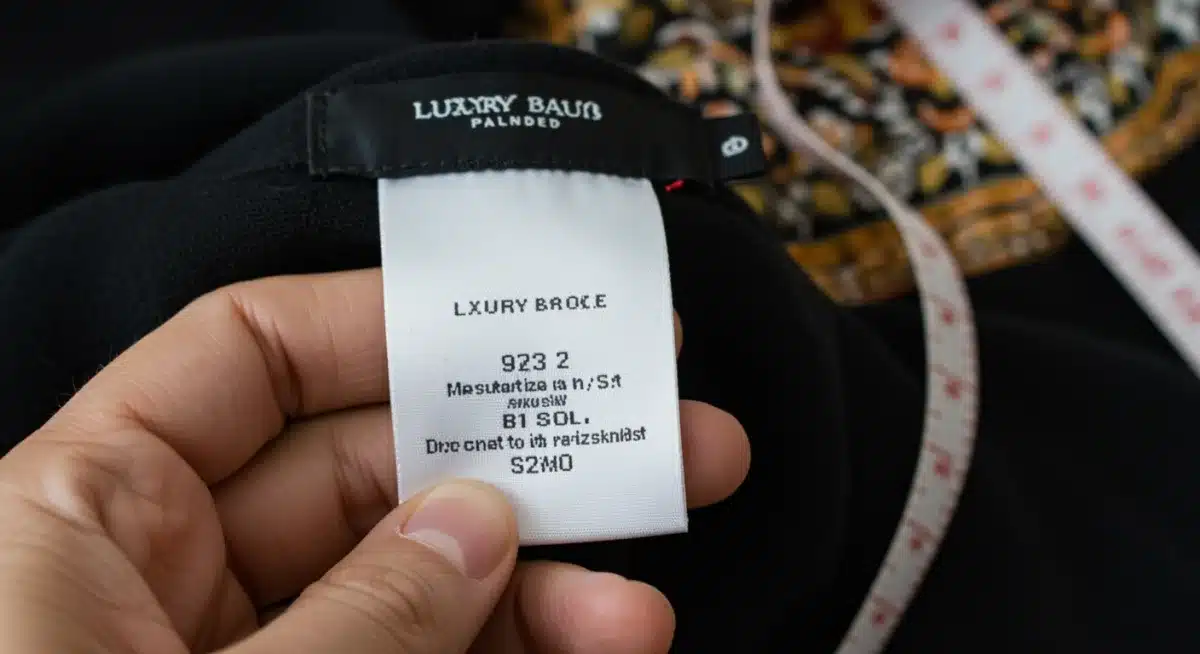
Every reputable designer brand provides a size guide, typically found on their website or within product pages. These guides offer actual garment measurements (bust, waist, hips, inseam, etc.) rather than just numerical sizes. Comparing these measurements to your own is the most reliable way to determine your correct size.
- Accurate Measurements: Always measure yourself precisely and compare those numbers to the brand’s chart.
- Body Shape Considerations: Some brands also offer guidance on how their clothes fit different body types, which can be helpful.
- Conversion Charts: For international brands, look for conversion charts that translate sizes from one region to another (e.g., US to EU to UK).
reading beyond the size label: product descriptions
Beyond numerical sizes, product descriptions offer crucial insights into a garment’s intended fit. Look for keywords and phrases that describe the cut, silhouette, and fabric properties. Terms like ‘oversized,’ ‘slim-fit,’ ‘stretch,’ ‘non-stretch,’ ‘runs small,’ or ‘true to size’ are not mere embellishments; they are direct clues to how the garment will wear.
Pay attention to the fabric composition, as materials like elastane or spandex will offer more give, potentially allowing for a slightly smaller size, whereas rigid fabrics like pure cotton denim or silk will have less flexibility. These details, combined with size chart analysis, empower consumers to make smarter choices.
In conclusion, mastering designer sizing involves a proactive approach to understanding individual brand measurements and thoroughly analyzing product descriptions. This diligence transforms the challenge of inconsistent sizing into an opportunity for more precise and satisfying purchases.
the psychological impact on consumers and purchasing habits
The variability in designer sizing has a profound psychological effect on consumers, often leading to confusion, frustration, and even feelings of self-consciousness. This emotional rollercoaster can significantly influence purchasing habits, sometimes deterring potential buyers or forcing them into inconvenient return processes.
When a size that typically fits well suddenly doesn’t, it can cause individuals to question their body image rather than the clothing industry’s inconsistencies. This misplaced self-blame is a direct consequence of the lack of transparency in sizing practices.
frustration and body image concerns
Imagine being a consistent size 8 across most brands, only to find you need a size 12 in one designer’s collection and a size 4 in another. This inconsistency can be incredibly disheartening, making shoppers feel like their body is constantly changing or that something is ‘wrong’ with them.
- Self-Esteem Issues: Repeated negative sizing experiences can erode self-confidence and foster negative body image.
- Shopping Anxiety: The uncertainty of fit can make shopping for designer clothes a stressful rather than enjoyable activity.
- Return Rates: Higher rates of returns due to incorrect sizing are a direct financial consequence for both consumers and retailers.
adapting purchasing strategies
In response to these challenges, many consumers have adapted their purchasing strategies. This often involves ordering multiple sizes of the same garment, relying heavily on customer reviews for fit advice, or committing to only a few trusted brands whose sizing they understand.
The growth of online shopping has amplified these issues, as the inability to try on clothes before buying makes accurate sizing even more critical. Consumers are increasingly seeking out brands that offer virtual try-on tools or exceptionally detailed size guidance to mitigate the risk.
Ultimately, the psychological impact of designer sizing inconsistencies is a significant factor in consumer behavior. Brands that prioritize clear, consistent, and transparent sizing are more likely to foster loyalty and reduce customer frustration in the long run.
tips for navigating designer sizing like a pro
While designer sizing can seem like an insurmountable challenge, there are effective strategies you can employ to navigate the luxury market with confidence. By adopting a more informed and proactive approach, you can minimize frustrating trial-and-error experiences and make more successful purchases.
The key lies in shifting your focus from the numerical size to actual garment measurements and understanding the nuances of individual brands. This empowers you to make decisions based on data rather than arbitrary labels.
essential measurement techniques
Before you even begin browsing, equip yourself with a soft tape measure and accurately take your key body measurements. These include your bust (at the fullest part), natural waist (the narrowest part), hips (at the widest part), and inseam. Keep these numbers handy, perhaps even stored on your phone, for quick reference.
- Regular Updates: Re-measure yourself periodically, as body shapes can change over time.
- Accurate Technique: Ensure the tape measure is snug but not tight, and parallel to the floor where applicable.
- Helper Advantage: If possible, have someone assist you for more accurate back and shoulder measurements.
leveraging online resources and reviews
Online shopping platforms are rich with information that can help you decode designer sizing. Always consult the brand’s official size chart, and don’t hesitate to read customer reviews. Many shoppers share their experiences with fit, often noting whether an item ‘runs small’ or ‘true to size’ and providing their own measurements for context.
Some advanced online retailers even offer fit predictors that analyze your past purchases and measurements to suggest the most appropriate size. Utilizing these tools can significantly improve your chances of a successful purchase.
building a personal sizing profile
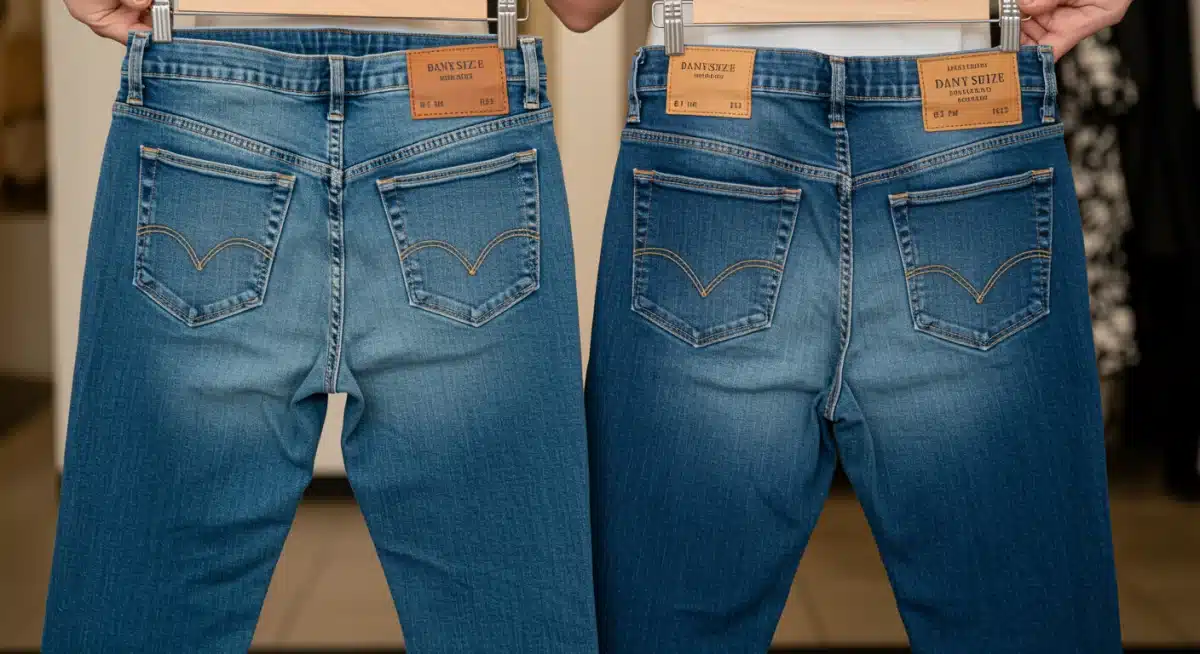
Over time, as you shop from various designer brands, you’ll start to build a mental (or even written) profile of how each brand’s sizing corresponds to your body. You might discover that you’re a size 4 in Brand A, a size 6 in Brand B, and a size Small in Brand C.
Keeping a small notebook or a digital note of these brand-specific sizes can be incredibly helpful for future purchases, especially when shopping online. This personalized knowledge base transforms you from a frustrated consumer into a savvy shopper.
By diligently taking your measurements, leveraging available online resources, and meticulously tracking your brand-specific sizes, you can effectively navigate the complexities of designer sizing and enjoy your luxury fashion purchases with greater confidence.
the future of sizing: technology and transparency
The fashion industry is slowly but surely recognizing the pervasive issues caused by inconsistent sizing. As consumer demand for greater transparency and convenience grows, technological innovations are emerging as potential solutions to revolutionize how we approach clothing fit.
From advanced body scanning to AI-powered recommendations, the future of sizing promises a more personalized and accurate experience, potentially mitigating the frustrations that currently plague designer fashion.
body scanning and virtual try-on
One of the most promising advancements is the development of 3D body scanning technology. Imagine stepping into a booth, getting precise measurements of your entire body, and then having those measurements translated into highly accurate size recommendations across various brands.
- Personalized Recommendations: AI algorithms can match your unique body scan to garment dimensions, predicting the best fit.
- Reduced Returns: More accurate sizing leads to fewer returns, benefiting both consumers and retailers.
- Virtual Try-On: Augmented reality (AR) apps allow users to ‘try on’ clothes virtually, seeing how they would look and fit on their own body avatar.
industry collaboration and standardization efforts
While a universal sizing standard remains elusive, there are growing calls for greater industry collaboration to at least establish more consistent guidelines. Initiatives that encourage brands to share data or adhere to more transparent measurement practices could significantly improve the consumer experience.
Some industry groups are working towards developing digital sizing standards that brands can voluntarily adopt, providing a common language for fit. This would allow consumers to compare sizes more easily across different labels, even if absolute standardization isn’t achieved.
The integration of technology and a renewed focus on industry-wide transparency are poised to transform designer sizing. These innovations hold the potential to create a more efficient, accurate, and satisfying shopping experience for luxury fashion enthusiasts worldwide.
| Key Aspect | Brief Description |
|---|---|
| Vanity Sizing | Brands label clothes with smaller sizes than actual measurements to boost consumer confidence. |
| No Universal Standard | Designer brands use unique fit models and aesthetic visions, leading to inconsistent sizing. |
| Decoding Strategies | Utilize brand-specific size charts, product descriptions, and customer reviews for better fit. |
| Future Solutions | Technology like 3D body scanning and virtual try-on aims to improve sizing accuracy. |
frequently asked questions about designer sizing
Designer sizing varies due to vanity sizing, brand-specific fit models, unique aesthetic visions, and a lack of universal industry standards. Each luxury brand crafts its own sizing strategy to align with its target demographic and design philosophy.
Vanity sizing is when brands label garments with smaller numerical sizes than their actual measurements. It can make you feel good about wearing a ‘smaller’ size but leads to confusion when comparing sizes across different brands, causing frustration and frequent returns.
Always measure your body accurately (bust, waist, hips) and compare these to the brand’s specific size chart. Read product descriptions for fit details and consult customer reviews for insights on how items truly fit. Don’t rely solely on numerical labels.
It depends entirely on the brand and specific garment. Some designers cater to a slimmer silhouette, making their clothes run smaller, while others embrace an oversized aesthetic, making them run larger. Always check the brand’s size guide and product notes.
Future solutions include 3D body scanning for precise measurements, AI-powered fit recommendations, and virtual try-on tools. These technologies aim to provide highly personalized sizing advice, reducing inconsistencies and improving the online shopping experience for consumers.
conclusion
The complexities of designer sizing are a deeply ingrained reality within the luxury fashion industry, shaped by a blend of marketing psychology, brand identity, and the absence of universal standards. Understanding the truth about designer sizing that most consumers don’t know empowers you to move beyond the frustration of inconsistent labels and embrace a more informed approach to shopping. By prioritizing actual measurements, diligently utilizing brand-specific resources, and recognizing the psychological nuances at play, consumers can navigate the high-end market with greater confidence and achieve a fit that truly reflects the garment’s intended design. As technology continues to evolve, the future holds promise for more personalized and accurate sizing solutions, but for now, knowledge and careful consideration remain your best allies in the pursuit of the perfect designer fit.