Digital Fashion Shows: Why Designers Embrace Virtual Experiences
Advertisements
Leading designers are increasingly opting for digital fashion shows, moving away from traditional formats due to evolving technological capabilities, a focus on sustainability, and the expanded global reach these virtual platforms offer.
Advertisements
The fashion world, historically rooted in grand, in-person spectacles, is experiencing a profound shift. More and more, we are seeing why some designers are ditching traditional fashion shows for digital experiences, embracing virtual realms that offer unprecedented creative freedom and global accessibility. This evolution is not merely a fleeting trend but a fundamental reevaluation of how fashion is presented, consumed, and experienced in the 21st century.
The evolving landscape of fashion presentation
The traditional fashion show, with its exclusive guest lists and fleeting moments on the runway, has long been the pinnacle of sartorial spectacle. However, its inherent limitations—high costs, environmental impact, and restricted access—have prompted a reevaluation within the industry. Designers are now exploring innovative avenues to showcase their collections, with digital platforms emerging as a powerful and compelling alternative.
Advertisements
This evolving landscape is driven by several factors, including rapid technological advancements and a growing consciousness around sustainability. The pandemic certainly accelerated this transition, forcing many brands to pivot to digital formats out of necessity. Yet, what began as a temporary solution has now solidified into a viable and often preferred method for showcasing new designs, demonstrating a clear path forward for the industry.
Technological catalysts for change
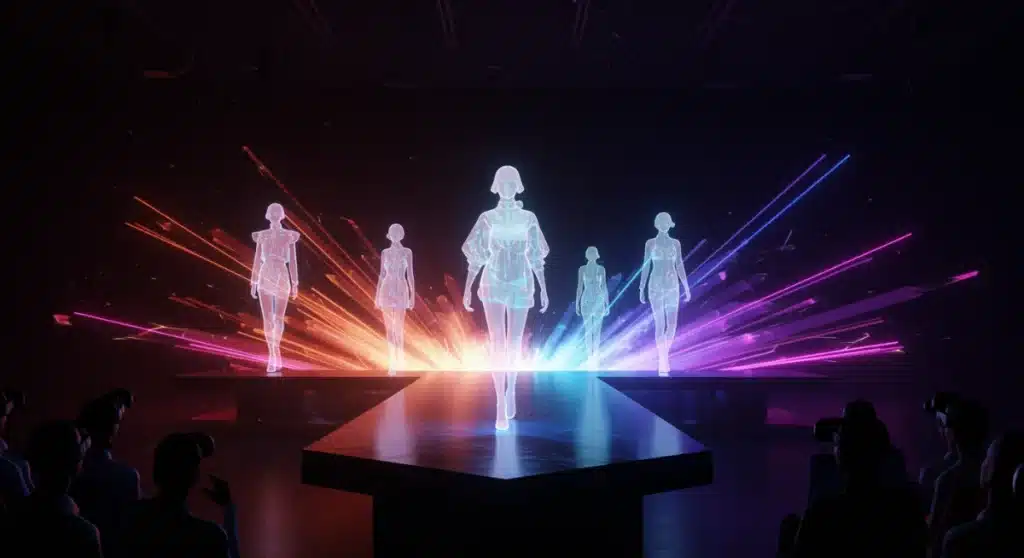
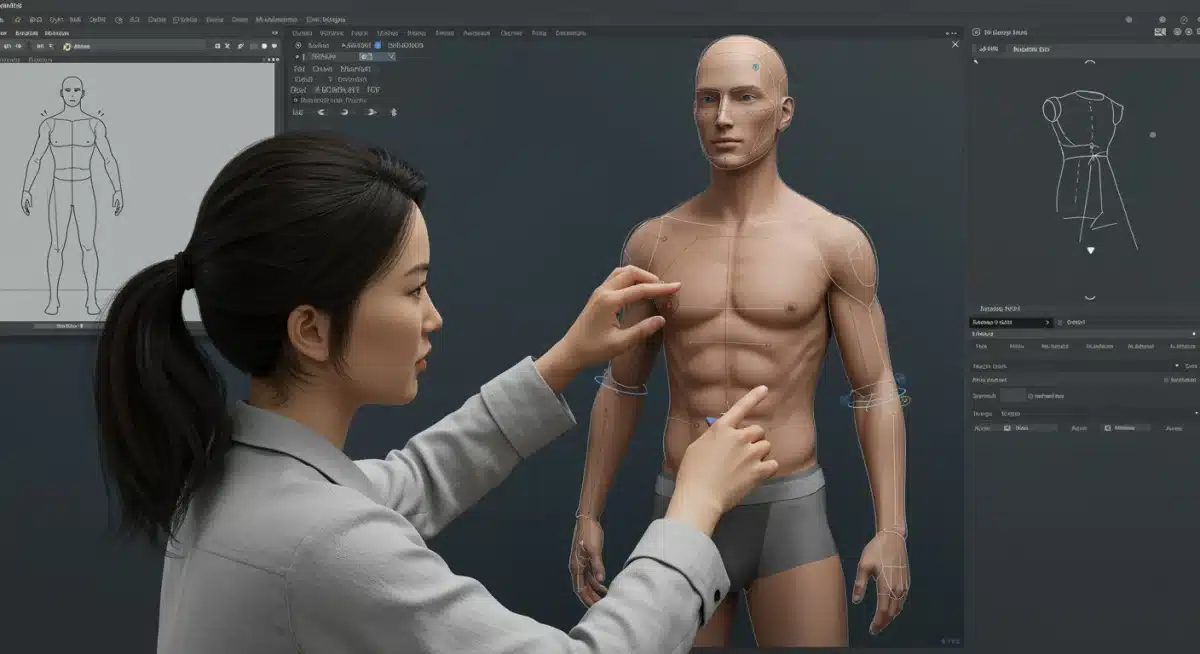
The rise of advanced digital tools has made virtual presentations not only possible but incredibly sophisticated. From hyper-realistic 3D rendering to immersive virtual reality environments, technology enables designers to create experiences that transcend the physical limitations of a traditional runway.
- 3D modeling and animation: Allows for intricate garment detailing and realistic movement.
- Virtual reality (VR) and augmented reality (AR): Offer immersive experiences, letting viewers feel truly present.
- Interactive platforms: Enable real-time engagement and personalized viewing experiences for a global audience.
These technological capabilities empower designers to craft narratives and showcase garments in ways that were previously unimaginable, pushing the boundaries of creative expression and audience interaction. The ability to manipulate environments, lighting, and even the laws of physics provides an unparalleled canvas for artistic vision.
Ultimately, the move towards digital presentations reflects a broader industry trend towards innovation and adaptability. Designers are no longer confined by the physical space of a runway or the logistical challenges of a live event, opening up a world of possibilities for how fashion can be experienced. This shift is not about replacing tradition entirely but rather augmenting it with new, dynamic forms of expression that resonate with a contemporary audience.
Sustainability as a driving force
One of the most compelling reasons why some designers are ditching traditional fashion shows for digital experiences is the undeniable environmental impact of physical events. Traditional shows involve extensive travel for models, staff, and attendees, significant energy consumption for lighting and staging, and often result in considerable waste from temporary sets and materials. The carbon footprint of these events is substantial, a concern that increasingly clashes with modern environmental values.
Digital fashion shows offer a significantly more sustainable alternative. By eliminating the need for physical travel, elaborate set constructions, and large-scale waste production, virtual presentations drastically reduce the environmental impact associated with showcasing new collections. This aligns with a growing global demand for eco-conscious practices across all industries, including fashion.
Many brands are now prioritizing sustainability as a core component of their identity and operations. Adopting digital formats for their shows is a tangible way to demonstrate this commitment, appealing to a consumer base that is increasingly environmentally aware and ethically minded. This commitment extends beyond just the presentation, often influencing the entire supply chain and design process.
Reducing carbon footprint and waste
The environmental benefits of digital shows are multifaceted. Consider the resources saved by not having to transport hundreds of people to a single location. The energy saved from not powering large venues for a few hours is also significant. Furthermore, the complete elimination of physical sets, which are often discarded after a single use, contributes greatly to waste reduction.
- Minimized travel: Reduces emissions from flights and ground transportation for participants.
- Less material waste: No need for single-use sets, props, or printed invitations.
- Reduced energy consumption: Lower demand for lighting, heating, and cooling large event spaces.
These factors contribute to a much lower carbon footprint, making digital shows an attractive option for designers committed to responsible business practices. The long-term implications of these choices are profound, setting a new standard for how the fashion industry can operate in a more environmentally friendly manner.
The shift to digital is not just about cost savings or technological novelty; it is deeply rooted in a genuine desire to mitigate environmental harm. By embracing virtual formats, designers are actively participating in the broader movement towards a more sustainable and ethical fashion industry, setting an example for others to follow.
Global reach and accessibility
Traditional fashion shows, by their very nature, are exclusive events. Limited seating, invitation-only access, and geographical constraints mean that only a select few individuals—buyers, journalists, and a handful of VIPs—can experience a collection firsthand. This exclusivity, while once a hallmark of luxury, now feels increasingly anachronistic in an interconnected world. The desire for broader engagement and greater accessibility is another key factor in why some designers are ditching traditional fashion shows for digital experiences.
Digital platforms break down these barriers entirely. A virtual show can be accessed by anyone, anywhere in the world, with an internet connection. This global reach transforms the audience from a select few hundred to potentially millions, democratizing fashion and allowing brands to connect with a far wider and more diverse demographic than ever before. It fosters a sense of community and shared experience that traditional formats simply cannot replicate.
Democratizing fashion experiences
The shift to digital allows brands to engage directly with consumers, bypassing traditional gatekeepers and creating a more inclusive experience. This direct engagement can build stronger brand loyalty and create a more authentic connection with the audience. It also opens up new opportunities for feedback and interaction.
- Worldwide audience: Millions can tune in simultaneously, regardless of location.
- Reduced barriers to entry: No travel costs or exclusive invitations required.
- Interactive elements: Live chats, polls, and virtual try-ons enhance viewer engagement.
This democratization of fashion extends beyond mere viewing. Many digital experiences include interactive elements, allowing viewers to explore garments in 3D, customize looks, or even purchase items directly from the virtual runway. This level of engagement transforms passive viewing into an active, immersive experience.
The ability to reach a global audience not only expands market potential but also allows for a more diverse representation of fashion. Designers can showcase their work to different cultures and demographics, fostering a more inclusive and representative industry. This expanded reach is a powerful tool for brand building and cultural exchange.
Creative freedom and innovation
Beyond the practical advantages, the digital realm offers designers an unparalleled level of creative freedom that often surpasses the limitations of a physical runway. In a traditional show, designers are constrained by gravity, space, budget, and the physical properties of materials. Digital experiences, however, open up a fantastical canvas where imagination is the only limit, providing a compelling answer to why some designers are ditching traditional fashion shows for digital experiences.
Designers can create surreal landscapes, defy physics with floating garments, or even place their collections in entirely fantastical, interactive worlds. This experimental playground allows for a deeper exploration of artistic vision and storytelling, transforming a fashion show from a mere presentation into a truly immersive artistic event. The ability to manipulate every aspect of the environment and presentation offers a fresh perspective on how fashion can be perceived.
Pushing artistic boundaries
The virtual environment allows for experimentation with scale, texture, and movement in ways that are impossible in the real world. Garments can shimmer with impossible light, models can glide through impossible spaces, and entire narratives can unfold in a seamless, digital ballet. This enables designers to tell richer, more complex stories about their collections.
- Unrestricted environments: Create any backdrop, from outer space to underwater worlds.
- Dynamic visual effects: Incorporate stunning animations, lighting, and special effects.
- Interactive narratives: Engage viewers in a story rather than just a static display.
This freedom encourages designers to think beyond conventional runway formats and to innovate in how they present their vision. It’s an opportunity to blend fashion with art, technology, and storytelling, resulting in a more memorable and impactful experience for the viewer. The creative possibilities are truly endless, fostering a new era of artistic expression in fashion.
The innovative potential of digital fashion shows extends beyond aesthetics. It allows for the exploration of new forms of interaction, such as virtual try-ons or customizable digital garments, further blurring the lines between fashion, gaming, and digital art. This blend of disciplines is shaping the future of how we experience and interact with clothing.
Economic advantages and cost efficiency
While the initial investment in high-quality digital production can be significant, the long-term economic advantages and cost efficiency are another key factor in why some designers are ditching traditional fashion shows for digital experiences. Traditional fashion shows are notoriously expensive, with costs spiraling from venue rentals, elaborate set designs, model fees, travel, hospitality, and public relations. These expenses can be prohibitive, especially for emerging designers or smaller brands.
Digital shows, once the necessary technology and expertise are in place, can offer a more budget-friendly approach. By eliminating many of the physical overheads, designers can reallocate resources to other areas, such as product development, marketing, or enhancing the digital experience itself. This shift allows for greater financial flexibility and can lead to a healthier bottom line, making high-quality presentations accessible to a broader range of brands.
Streamlining production and reducing overheads
The production of a digital show, while requiring specialized skills in 3D design and animation, often involves fewer logistical challenges and personnel compared to a physical event. This streamlining can lead to significant savings in various aspects of production. The ability to reuse digital assets across multiple seasons or collections also adds to the cost-effectiveness.
- Lower venue costs: Eliminates expensive real estate rentals.
- Reduced travel and accommodation: Saves on expenses for models, crew, and guests.
- Sustainable resource allocation: Funds can be directed towards innovation rather than ephemeral setups.
Furthermore, the data collected from digital interactions can provide invaluable insights into audience preferences and engagement, allowing designers to make more informed decisions about future collections and marketing strategies. This data-driven approach can further enhance efficiency and profitability.
The long-term economic benefits extend to marketing and sales. A digital show can be repurposed and shared across various platforms, extending its shelf life and reaching new audiences long after the initial broadcast. This evergreen content offers a continuous return on investment, unlike the fleeting nature of a live event.
The future of fashion presentation
The increasing adoption of digital formats by leading designers is not just a temporary adjustment but signals a fundamental shift in the future of fashion presentation. While traditional shows may never entirely disappear, they are likely to become more selective, perhaps reserved for milestone events or highly conceptual presentations. The mainstreaming of digital fashion experiences suggests a hybrid future, where both physical and virtual realms coexist and complement each other, offering diverse ways to engage with fashion.
This evolution is driven by the undeniable advantages that digital platforms offer: unparalleled creative freedom, global accessibility, significant sustainability benefits, and economic efficiencies. As technology continues to advance, the sophistication and immersion of digital fashion shows will only grow, further solidifying their place as a vital component of the industry. The answer to why some designers are ditching traditional fashion shows for digital experiences lies in this forward-looking vision.
Hybrid models and augmented realities
The future will likely see a blend of physical and digital. Imagine a live show augmented with AR elements, allowing viewers to see virtual garments layered over real models, or interactive digital components that enhance the in-person experience. This hybrid approach could offer the best of both worlds, combining the tactile reality of physical fashion with the expansive possibilities of digital innovation.
- Phygital experiences: Blending physical events with digital enhancements.
- Personalized viewing: AI-driven recommendations and customized content for viewers.
- Metaverse integration: Fashion shows hosted within virtual worlds, allowing avatar attendance.
Moreover, the rise of the metaverse and Web3 technologies promises even more immersive and interactive fashion experiences. Designers are already experimenting with selling digital-only garments for avatars and hosting shows within virtual worlds, creating entirely new revenue streams and engagement models.
The fashion industry is at a pivotal moment, embracing innovation to redefine its boundaries. Digital experiences are not just a tool for survival in a changing world but a powerful catalyst for growth, creativity, and a more inclusive future for fashion. This dynamic evolution ensures that fashion remains relevant, exciting, and accessible to a global audience.
| Key Aspect | Description of Shift to Digital |
|---|---|
| Sustainability | Reduces carbon footprint, waste, and travel associated with physical events. |
| Global Reach | Expands audience access beyond exclusive guest lists to millions worldwide. |
| Creative Freedom | Enables designers to create immersive, fantastical experiences without physical limitations. |
| Economic Efficiency | Reduces overhead costs associated with venues, travel, and physical production. |
Frequently asked questions about digital fashion shows
Digital fashion shows offer significant advantages including reduced environmental impact, global accessibility to a wider audience, unparalleled creative freedom through advanced technology, and often greater cost efficiency by eliminating many physical production expenses. They democratize access to high fashion.
Digital shows drastically reduce the carbon footprint by minimizing travel for participants and staff, eliminating waste from single-use sets and materials, and lowering energy consumption compared to large-scale physical events. This aligns with eco-conscious brand values and consumer demand.
While different, digital experiences can be incredibly immersive, utilizing 3D rendering, virtual reality (VR), and augmented reality (AR) to create fantastical, interactive worlds. They offer unique sensory and narrative experiences that transcend the physical limitations of traditional runways, providing new forms of engagement.
No, digital fashion shows are increasingly accessible to brands of all sizes. While high-end production might require significant investment, the underlying technology is becoming more democratic. Emerging designers can leverage digital platforms to gain global exposure without the prohibitive costs of traditional runway events, fostering innovation.
The future likely involves a hybrid model, combining physical shows with digital enhancements and fully virtual experiences. Expect more ‘phygital’ events, integration with the metaverse, and AI-driven personalized content. This blend will offer diverse, accessible, and highly creative ways for audiences to engage with fashion globally.
Conclusion
The evolution of fashion presentation, marked by why some designers are ditching traditional fashion shows for digital experiences, represents a pivotal moment for the industry. This shift is not merely a reaction to external pressures but a proactive embrace of innovation, sustainability, and greater accessibility. Digital platforms provide an expansive canvas for creative expression, breaking down geographical barriers and democratizing the fashion experience for a global audience. As technology continues to advance, the immersive potential of virtual showcases will only grow, promising a dynamic future where fashion is more inclusive, environmentally conscious, and creatively boundless, ultimately redefining how we connect with design.