Advertisements
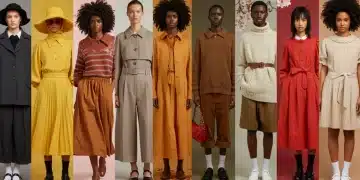
Fall’s warm color palettes consistently dominate seasonal fashion collections by evoking comfort and sophistication, deeply rooted in psychological associations and historical design preferences.
As the leaves begin their spectacular transformation and a crisp coolness fills the air, the fashion world undergoes its own annual metamorphosis. It’s a phenomenon we observe year after year: fall warm palettes unequivocally lead seasonal fashion collections. But why do these rich, earthy tones hold such an enduring appeal, season after season, shaping our wardrobes and influencing our style choices?
Advertisements
The Psychology Behind Autumnal Hues
The consistent dominance of warm color palettes in fall fashion is not merely a coincidence; it is deeply rooted in human psychology. Colors evoke specific emotions and associations, and the hues of autumn are particularly potent in their ability to resonate with our innate perceptions of comfort, warmth, and transition.
As summer fades, there’s a natural shift in our internal and external environments. The vibrant, bold colors of warmer months give way to a more subdued, yet rich, spectrum. This transition is mirrored in our psychological need for comfort and security as days shorten and temperatures drop. Warm colors like deep reds, burnt oranges, golden yellows, and earthy browns are intrinsically linked to these feelings.
Advertisements
Emotional Resonance of Fall Colors
Each color within the fall palette carries its own unique emotional weight, contributing to its overall appeal. These hues collectively create a sense of groundedness and coziness that is perfectly aligned with the season’s mood.
- Reds (Burgundy, Crimson, Rust): Symbolize passion, energy, and warmth. In fall, deeper reds often suggest coziness and a sophisticated intensity, reminiscent of crackling fires and rich wines.
- Oranges (Terracotta, Pumpkin, Copper): Associated with enthusiasm, creativity, and the changing foliage. They bring a vibrant yet comforting energy, reflecting the harvest season.
- Yellows (Mustard, Gold, Ochre): Represent happiness, optimism, and illumination. Fall yellows are often muted, offering a mellow glow that evokes sunlight filtering through autumn leaves.
- Browns (Chocolate, Walnut, Tan): Signify stability, reliability, and earthiness. These foundational colors connect us to nature and provide a sense of security and groundedness.
- Greens (Olive, Forest, Hunter): While green is often considered cool, the deeper, muted greens of fall are warm and organic, representing nature’s enduring presence and tranquility amidst change.
The collective impact of these colors creates a powerful psychological draw. They provide a visual comfort blanket, making us feel more connected to the season and its inherent desire for warmth and introspection. This deep-seated psychological connection ensures that fall warm palettes remain a perennial favorite.
Historical Context and Cultural Significance
The enduring appeal of fall’s warm color palettes in fashion is also significantly shaped by historical context and cultural significance. Throughout history, these colors have been woven into the fabric of human experience, carrying meanings that transcend mere aesthetics.
From ancient civilizations to modern societies, the colors of autumn have been associated with harvest, abundance, and preparation for colder months. This deep-seated connection to seasonal cycles has instilled these hues with a timeless relevance that fashion designers consistently tap into.
Ancient Roots and Symbolism
Many of the colors we associate with fall have been important in various cultures for millennia. Dyes extracted from natural sources often yielded earthy tones, making them prevalent in early textiles.
- Harvest Symbolism: The colors of ripe grains, gourds, and fruits—golden yellows, deep oranges, rich browns—have always symbolized prosperity and sustenance. This association subtly influences our perception of fall palettes as comforting and abundant.
- Royal and Ecclesiastical Hues: Certain deep reds and purples, often seen in fall collections, were historically difficult and expensive to produce, thus becoming symbols of royalty, wealth, and religious authority. This historical grandeur lends an air of sophistication to these colors in contemporary fashion.
- Natural Dyes: Before synthetic dyes, clothing colors were largely dictated by natural pigments derived from plants, minerals, and insects. Many of these yielded earthy reds, browns, and muted greens, making them historically common and thus familiar and comforting.
These historical and cultural imprints contribute to the collective subconscious appreciation for fall colors. They are not just colors; they are narratives, traditions, and symbols that have been passed down through generations, making them inherently meaningful and appealing. Fashion, as a reflection of culture, naturally embraces these deeply embedded associations, reinforcing the dominance of fall warm palettes.
Nature’s Influence and Aesthetic Harmony
One of the most undeniable reasons why fall’s warm color palettes consistently dominate seasonal fashion collections is the direct influence of nature itself. The breathtaking transformation of landscapes during autumn provides an unparalleled source of inspiration for designers, artists, and consumers alike.
The natural world, with its vibrant display of changing leaves, golden sunsets, and earthy textures, offers a ready-made blueprint for aesthetic harmony. Designers simply need to look outside to find a perfectly balanced and appealing color scheme.
Mimicking the Autumnal Landscape
The process of leaves changing color from vibrant greens to fiery reds, oranges, and yellows is a visual spectacle that captivates and inspires. This natural phenomenon is almost universally admired, and fashion seeks to bottle that beauty.
- Leaf Transformation: The gradual shift from chlorophyll-rich greens to carotenoid and anthocyanin-driven yellows, oranges, and reds provides a dynamic and evolving palette that is both striking and comforting. Fashion emulates this spectrum.
- Golden Hour Glow: The softer, warmer light of autumn afternoons casts a golden hue over everything, enhancing the richness of natural colors. This warm glow is often replicated in fabric choices and photographic styling for fall collections.
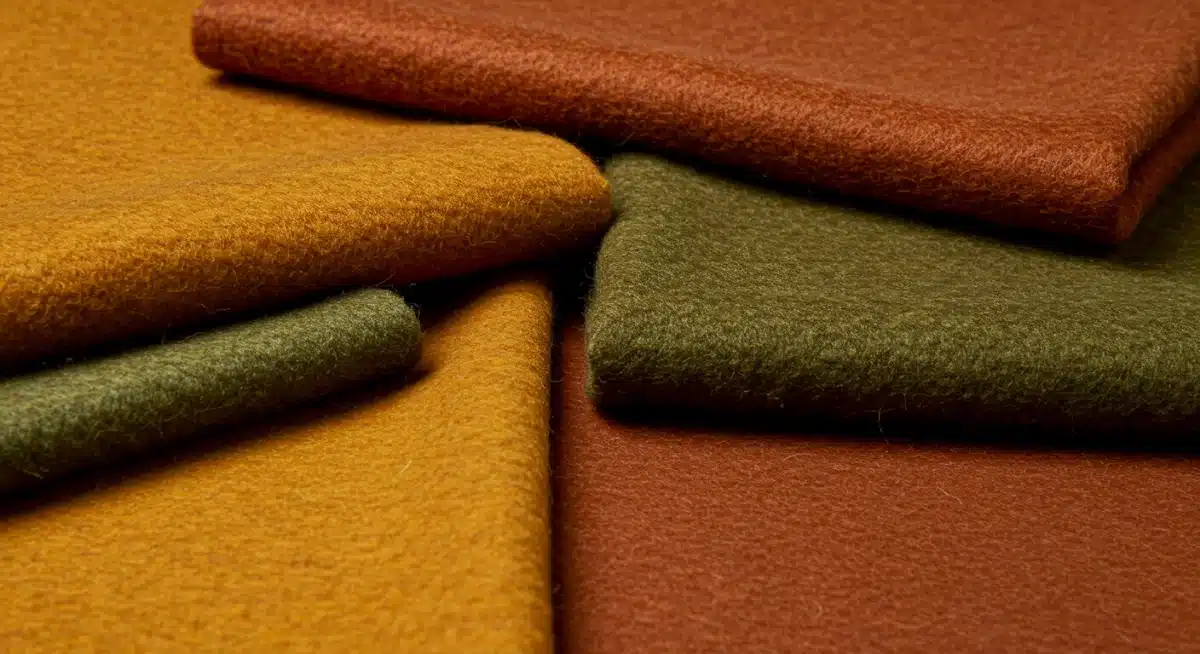
- Earthy Textures: Beyond color, fall also brings a focus on natural textures found in bark, soil, and dried leaves. These textures, when translated into fabrics like wool, tweed, and corduroy, complement the warm color palettes perfectly.
This direct mirroring of nature’s beauty ensures that fall warm palettes feel inherently right and aesthetically pleasing. There’s a primal connection to these colors, as they represent a time of harvest, coziness, and natural splendor. The harmony found in an autumnal landscape is effortlessly translated into cohesive and appealing fashion collections, making these palettes perennially popular.
Versatility and Practicality in Design
Beyond their psychological appeal and natural beauty, fall’s warm color palettes offer unparalleled versatility and practicality from a design perspective. These colors are not only aesthetically pleasing but also highly functional, making them ideal for creating cohesive and adaptable seasonal wardrobes.
Designers appreciate how easily these hues can be mixed, matched, and layered, allowing for diverse styling options that cater to varying tastes and occasions. This inherent adaptability is a significant factor in their continued dominance.
Building a Cohesive Wardrobe
Warm fall colors create a strong foundation for a functional and fashionable wardrobe. Their ability to complement each other effortlessly is a major advantage.
- Easy Pairing: Most colors within the fall palette (e.g., burgundy, mustard, olive, brown, cream) naturally harmonize. This makes it simple for consumers to mix and match items, creating multiple outfits from a limited number of pieces.
- Layering Potential: Fall fashion is synonymous with layering. The depth and richness of warm colors make them ideal for building complex, multi-layered looks without appearing chaotic. A rust-colored sweater over a cream blouse with brown trousers is a classic, harmonious combination.
- Timeless Appeal: Unlike fleeting trend colors, fall warm palettes tend to be timeless. Investing in garments in these hues ensures longevity in a wardrobe, as they rarely go out of style. This offers both a practical and sustainable appeal to consumers.
The practicality extends to their ability to suit a wide range of skin tones and personal styles. These colors are inherently flattering, offering a softness that can be both sophisticated and approachable. This broad appeal, combined with their ease of integration into existing wardrobes, solidifies the position of fall warm palettes as a design staple.
Influence of Fashion Trends and Marketing
While psychological and natural factors play a significant role, the dominance of fall’s warm color palettes is also heavily reinforced by the fashion industry itself through strategic trends and powerful marketing. Fashion houses and retailers actively promote these colors, shaping consumer perception and demand.
Each season, designers reinterpret these classic hues, introducing fresh textures, silhouettes, and combinations that keep the palette feeling new and exciting, even as its core remains constant.
Seasonal Reinvention and Consumer Demand
Fashion trends are not entirely arbitrary; they often build upon established preferences, subtly guiding consumers towards what is presented as current and desirable.
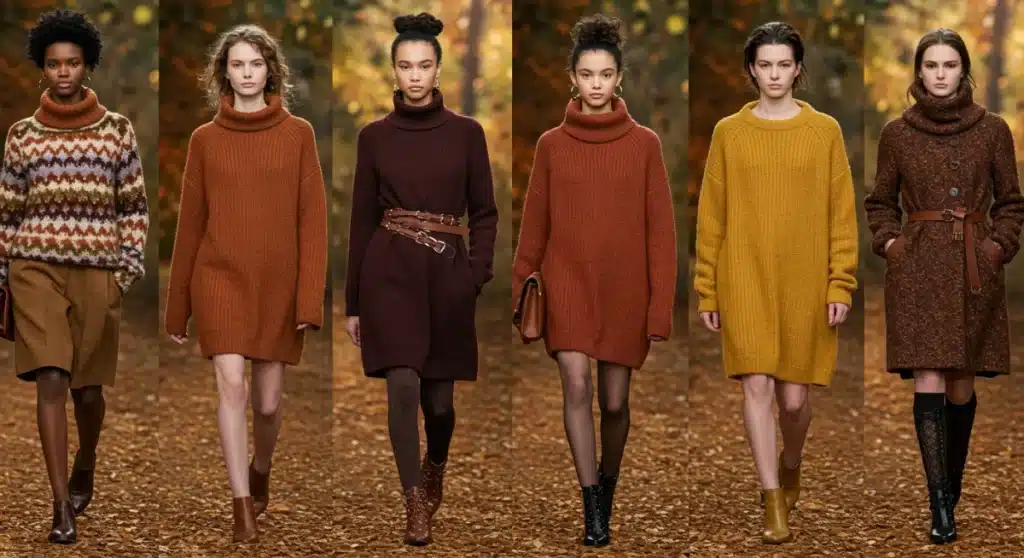
- Runway Interpretations: Major fashion houses consistently feature warm autumn palettes in their fall/winter collections. They might introduce a new shade of rust or a specific blend of yellows, but the core essence remains. These runway looks then trickle down to mass-market retailers.
- Marketing Campaigns: Advertisements, magazine spreads, and social media campaigns for fall collections overwhelmingly showcase models in garments featuring these warm tones. This constant visual reinforcement creates an association between these colors and the ‘ideal’ fall aesthetic.
- Celebrity and Influencer Endorsement: When celebrities and fashion influencers adopt these palettes, it further validates their trendiness and desirability, driving consumer demand. Their curated looks often highlight the versatility and sophistication of fall colors.
The fashion industry’s consistent commitment to fall warm palettes is a self-fulfilling prophecy. By presenting these colors as the epitome of seasonal style, they ensure that consumers will seek them out. This cyclical reinforcement, driven by both tradition and innovation, guarantees their continued prominence in seasonal collections. The industry understands that while trends evolve, the fundamental appeal of autumnal hues endures, making them a safe and stylish bet year after year.
The Global Appeal of Autumnal Aesthetics
The enduring appeal of fall’s warm color palettes transcends geographical boundaries, making them a global phenomenon in seasonal fashion. While the intensity and duration of autumn vary across different regions, the aesthetic language of these colors holds universal resonance, connecting diverse cultures through a shared appreciation for transition and warmth.
From the bustling streets of New York to the chic avenues of Paris and the vibrant markets of Tokyo, the hues of fall find their place, adapted to local styles yet retaining their core essence. This widespread acceptance underscores their fundamental attractiveness.
Universal Themes and Adaptability
The themes associated with autumn—harvest, introspection, preparation, and coziness—are not exclusive to any single culture. These universal experiences contribute to the global understanding and appreciation of fall colors.
- Cross-Cultural Comfort: The feeling of warmth and comfort evoked by reds, oranges, and browns is understood universally. These colors provide a sense of security and familiarity, regardless of cultural background.
- Seasonal Transition: Even in regions where autumn is less dramatic in terms of foliage, the concept of a shift from summer’s vibrancy to a more subdued, inward-looking season is recognized. Fashion, through its color palettes, helps mark this transition.
- Adaptable to Diverse Styles: Fall warm palettes are incredibly versatile. They can be incorporated into minimalist Japanese aesthetics, bohemian European styles, or classic American preppy looks. Their fundamental harmony allows them to be reinterpreted without losing their essence.
This global applicability is a testament to the inherent power and timelessness of these color schemes. Fashion designers operating on an international stage recognize that while specific trends may vary, the core appeal of fall warm palettes provides a reliable and generally accepted foundation for their seasonal offerings. This broad reach contributes significantly to why these palettes consistently dominate seasonal fashion collections worldwide, making them a truly universal language of style for the autumn months.
| Key Aspect | Brief Description |
|---|---|
| Psychological Comfort | Warm fall colors evoke feelings of coziness, security, and nostalgia, aligning with seasonal needs for comfort. |
| Nature’s Inspiration | Directly mirrors the changing leaves and golden light of autumn, providing inherent aesthetic harmony. |
| Design Versatility | Easily mixed, matched, and layered, offering practical and timeless options for cohesive wardrobes. |
| Cultural Significance | Historically linked to harvest, abundance, and tradition, imbuing them with deep symbolic meaning. |
Frequently Asked Questions About Fall Fashion Palettes
Fall colors like reds, oranges, and yellows are considered warm because they evoke feelings and associations with heat, sunlight, and fire. In color theory, warm colors tend to advance visually and stimulate emotions, contributing to a sense of coziness and energy, much like the autumn season itself.
While specific shades or combinations of fall warm palettes might trend more in certain years, the core palette itself is considered timeless. Its deep roots in nature and human psychology ensure that these colors remain a perennial favorite, consistently reinvented but never truly out of fashion.
Designers draw inspiration from various sources, including nature, art, cultural events, and societal moods. Color forecasting agencies also play a crucial role, predicting key shades. Ultimately, they interpret classic fall warm palettes through a contemporary lens, introducing subtle shifts or unexpected pairings.
Absolutely. While warm palettes dominate, cool colors like deep navy, forest green (often with warm undertones), or muted purples can complement and add depth to a fall wardrobe. They often serve as sophisticated anchors or accent colors, creating balance against the warmer hues.
For a versatile fall capsule wardrobe, essential warm colors typically include deep neutrals like camel, chocolate brown, and ivory. Complement these with rich accent colors such as burgundy, mustard yellow, and olive green. These hues mix and match effortlessly, forming a cohesive and stylish collection.
Conclusion
The consistent dominance of fall’s warm color palettes in seasonal fashion collections is a multifaceted phenomenon, deeply interwoven with psychology, history, nature, and the strategic machinations of the fashion industry. These rich, inviting hues resonate with our innate desire for comfort and familiarity as the seasons change, offering a visual embrace that is both aesthetically pleasing and emotionally satisfying. From the golden glow of autumn leaves to the deep, earthy tones symbolizing harvest and tradition, these palettes provide a timeless blueprint for elegance and coziness. Their inherent versatility allows for endless styling possibilities, making them a practical choice for designers and consumers alike. Ultimately, the enduring appeal of fall’s warm colors lies in their ability to capture the very essence of the season, creating a harmonious blend of style, comfort, and cultural significance that will undoubtedly continue to shape our wardrobes for years to come.