Innovative Fabric Revolutionizing Summer Fashion Collections

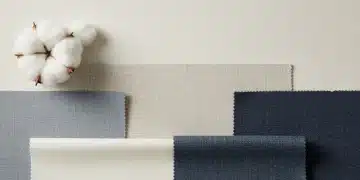
A new, innovative fabric is transforming summer seasonal clothing collections by offering an unprecedented combination of breathability, sustainability, and comfort, setting a new benchmark for warm-weather apparel.
Have you ever wondered what makes a summer outfit truly perfect? Beyond aesthetics, it often comes down to the fabric. This season, a truly unexpected material is poised to redefine comfort and style, with the unexpected fabric revolutionizing summer seasonal clothing collections and changing how we think about warm-weather wear.
The Quest for the Perfect Summer Fabric
For decades, designers and consumers alike have been on a perpetual quest for the ideal summer fabric. The criteria are stringent: it must be lightweight, breathable, moisture-wicking, and ideally, sustainable. Traditional choices like cotton and linen have served us well, but they often come with their own set of limitations. Cotton, while soft, can retain moisture and take a long time to dry, leading to discomfort in humid conditions. Linen, renowned for its breathability, is prone to wrinkling, requiring constant upkeep.
The fashion industry’s increasing focus on sustainability has added another layer of complexity to this search. Consumers are no longer just looking for comfort and style; they demand eco-friendly options that minimize environmental impact. This shift has driven research and development into new textile technologies, pushing the boundaries of what’s possible in fabric innovation. The result is a new generation of materials that not only meet but exceed these evolving expectations.
Addressing the limitations of traditional fabrics
Traditional summer fabrics, while beloved, present several challenges for modern consumers and the planet:
- Moisture retention: Many natural fibers absorb sweat, leading to a clammy feeling and slower drying times.
- Wrinkle susceptibility: Fabrics like linen, though breathable, often require ironing, which is time-consuming and energy-intensive.
- Environmental footprint: Conventional cotton farming can be water-intensive and rely on pesticides, raising sustainability concerns.
- Durability issues: Some lightweight fabrics may not withstand repeated washing and wear, leading to a shorter lifespan for garments.
The pursuit of a fabric that overcomes these hurdles without sacrificing aesthetic appeal or comfort has been a significant driver for innovation. This new fabric represents a culmination of these efforts, blending cutting-edge technology with an understanding of natural properties to create something truly revolutionary for summer seasonal clothing collections.
Ultimately, the goal is to provide a fabric that allows wearers to feel cool, dry, and comfortable, even on the hottest days, while also aligning with contemporary values of environmental responsibility. This new material is poised to become a staple in wardrobes, offering a superior alternative that addresses both performance and ethical considerations, fundamentally altering the landscape of summer apparel.
Introducing the Revolutionary Bio-Synthetic Blend
The fabric making waves in summer seasonal clothing collections is a marvel of modern textile engineering: a bio-synthetic blend that combines the best attributes of natural fibers with the advanced performance characteristics of synthetics. This innovative material isn’t just an incremental improvement; it’s a paradigm shift. Unlike earlier attempts at blends that often compromised on one aspect for another, this new fabric achieves a harmonious balance, delivering superior comfort, breathability, and durability while maintaining a strong commitment to sustainability.
At its core, the blend incorporates plant-based cellulose fibers, often derived from sustainably managed forests, which provide exceptional softness and breathability. These natural components are then meticulously interwoven with advanced synthetic polymers, engineered to offer unparalleled moisture-wicking capabilities and quick-drying properties. The result is a fabric that feels incredibly soft against the skin, drapes beautifully, and keeps the wearer cool and dry even in the most sweltering conditions. This thoughtful combination is what sets it apart, making it a game-changer for summer wear.
The science behind its unique properties
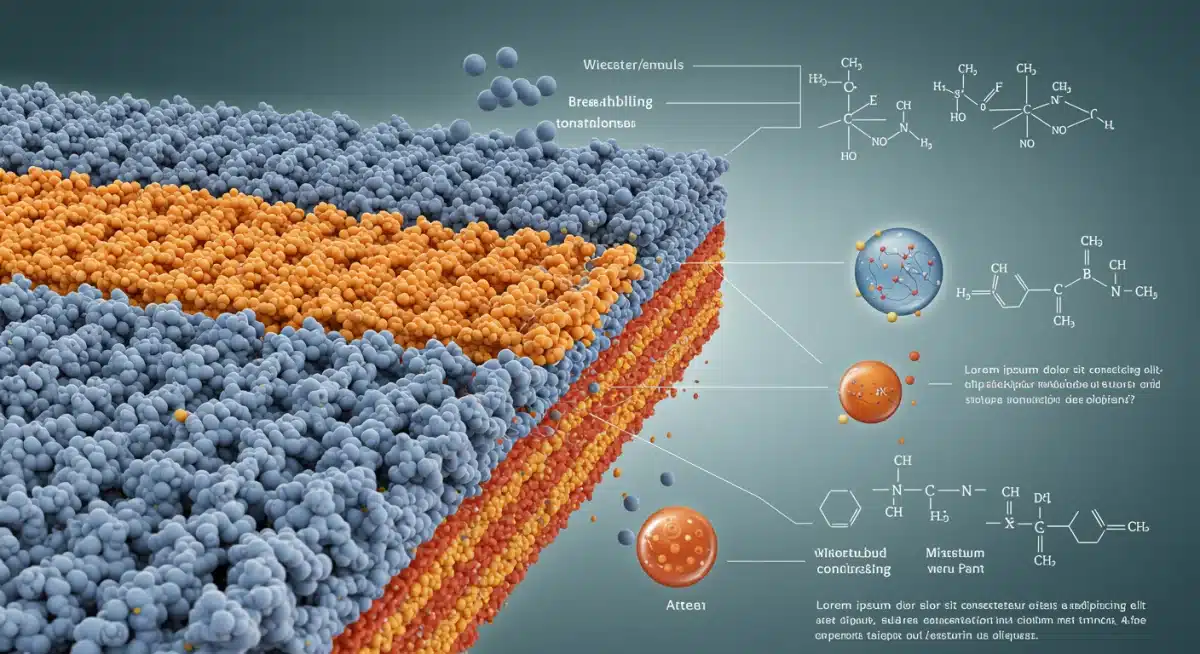
The success of this bio-synthetic blend lies in its intelligent construction at a microscopic level. The cellulose fibers create a porous structure that allows for excellent air circulation, preventing heat buildup. Simultaneously, the synthetic components are designed with capillary action in mind, effectively drawing moisture away from the skin and spreading it across the fabric’s surface for rapid evaporation. This dual action ensures maximum comfort.
- Advanced wicking technology: Micro-channels within the synthetic fibers actively transport sweat away from the body.
- Enhanced breathability: The natural fibers contribute to an open weave structure, promoting airflow and cooling.
- Rapid drying: The combined effect of wicking and evaporation significantly reduces drying time compared to conventional materials.
- Thermal regulation: The fabric adapts to body temperature, helping to keep you cool when it’s hot and preventing chills as temperatures drop.
Furthermore, the blend’s inherent structure provides excellent wrinkle resistance, a welcome relief for travelers and those with busy lifestyles. This means garments made from this fabric maintain a polished appearance throughout the day, reducing the need for frequent ironing and extending their wearability. The ingenuity of its design is truly what elevates this material above its predecessors, making it an ideal choice for any summer activity.
Sustainability at its Core: Eco-Friendly Production
Beyond its impressive performance attributes, the revolutionary bio-synthetic blend is also making significant strides in sustainability. Environmental consciousness is no longer a niche concern but a mainstream expectation, and this fabric rises to the occasion. Its production process is designed with a minimal ecological footprint in mind, from the sourcing of raw materials to the manufacturing stage. This commitment to sustainability is a key factor in its widespread adoption across summer seasonal clothing collections, appealing to a growing segment of environmentally aware consumers.
The plant-based cellulose fibers are often sourced from certified sustainable forests, ensuring responsible forestry practices that protect biodiversity and local ecosystems. The synthetic components, while still petroleum-derived, are increasingly being developed using recycled materials or bio-based alternatives, further reducing reliance on virgin fossil fuels. Moreover, the manufacturing processes often employ closed-loop systems, where water and solvents are recycled and reused, significantly cutting down on waste and pollution. This holistic approach to sustainability makes the fabric not just high-performing but also a responsible choice.

Reduced environmental impact throughout the lifecycle
The eco-friendly benefits of this fabric extend beyond its initial production, encompassing its entire lifecycle. Its durability means garments last longer, reducing the frequency of replacements and thus curbing textile waste. Furthermore, its quick-drying properties can lead to reduced energy consumption during laundry, as clothes require less time in tumble dryers or can simply air dry more efficiently.
- Lower water usage: Sustainable sourcing and closed-loop manufacturing minimize water consumption.
- Reduced chemical footprint: Eco-friendly dyes and finishes are often used, lessening chemical discharge.
- Energy efficiency: Production processes are optimized to use less energy, contributing to a lower carbon footprint.
- Improved recyclability: Efforts are underway to ensure the fabric can be more easily recycled at the end of its life, supporting a circular economy.
The focus on sustainability is not just a marketing ploy; it’s an integral part of the fabric’s identity. Brands adopting this material are not only offering superior products but also aligning themselves with consumer values that prioritize planetary health. This commitment to ethical and environmentally sound practices is helping to set a new standard for the entire fashion industry, demonstrating that high performance and ecological responsibility can indeed go hand in hand without compromise.
Unparalleled Comfort and Performance for Summer Wear
For consumers, the most immediate and tangible benefit of this innovative fabric is the unparalleled comfort and performance it offers, especially during the challenging summer months. The combination of its breathability, moisture-wicking capabilities, and soft hand-feel translates into an exceptional wearing experience. Gone are the days of feeling sticky, damp, or overheated in summer clothes. This fabric actively works with your body to regulate temperature and manage moisture, ensuring you stay cool, dry, and comfortable from dawn till dusk.
Whether you’re enjoying a casual beach day, attending an outdoor event, or simply navigating your daily commute in the heat, garments made from this bio-synthetic blend adapt to your needs. Its lightweight nature gives a sensation of hardly wearing anything at all, while its excellent drape ensures a flattering fit that moves with you. This isn’t just about looking good; it’s about feeling good, confident, and unburdened by uncomfortable clothing, making every summer activity more enjoyable. The fabric truly elevates the standard for seasonal apparel.
Key performance advantages
The specific design of this fabric results in several distinct advantages that are crucial for summer comfort:
- Exceptional breathability: Allows constant air circulation, cooling the skin and preventing overheating.
- Superior moisture management: Wicks sweat away rapidly, keeping the skin dry and preventing chafing.
- Quick-drying properties: Ideal for active wear or unexpected summer showers, garments dry in a fraction of the time.
- Soft hand-feel: The blend feels gentle and luxurious against the skin, enhancing overall comfort.
- Odor resistance: Some formulations include anti-microbial properties, helping to reduce the buildup of odor-causing bacteria.
The fabric’s ability to perform across various conditions makes it incredibly versatile. From athletic wear to sophisticated casual outfits, it maintains its integrity and comfort. Its wrinkle resistance is another practical benefit, ensuring clothes look fresh even after being packed in a suitcase or worn for extended periods. This blend offers a holistic solution to summer dressing, addressing both the functional and aesthetic demands of modern life, and solidifying its place in summer seasonal clothing collections.
Impact on Fashion Trends and Design Innovation
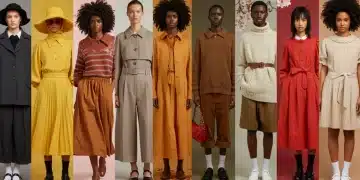
The emergence of this revolutionary fabric is not only changing how clothes feel but also profoundly influencing fashion trends and design innovation. Designers are no longer constrained by the limitations of traditional materials; instead, they are empowered to experiment with new silhouettes, textures, and functionalities. This fabric’s versatility allows for a broader range of applications, from sleek athletic wear to elegant evening attire, all while maintaining its core properties of comfort and performance. It’s opening up exciting new possibilities for creative expression in summer seasonal clothing collections.
The inherent drape and fluidity of the material lend themselves well to contemporary fashion, enabling garments that are both stylish and practical. We’re seeing a surge in designs that prioritize freedom of movement, minimalist aesthetics, and multi-functional appeal. This fabric supports the growing trend of ‘athleisure’ and ‘resort wear,’ blurring the lines between casual and formal, active and relaxed. Its ability to hold vibrant colors and resist fading also means a wider palette for designers, leading to more visually striking and long-lasting collections.
New possibilities for designers and consumers
The fabric is inspiring a wave of innovation, leading to products that might have been impossible or impractical with older materials:
- Versatile garment types: From sophisticated dresses to performance-oriented shirts, the fabric adapts seamlessly.
- Enhanced layering options: Its lightweight nature makes it ideal for layering without adding bulk or heat.
- Innovative textures and finishes: The blend can be manipulated to create unique tactile experiences and visual effects.
- Seasonless appeal: While perfect for summer, its thermal regulation properties suggest potential for transitional pieces.
For consumers, this translates into a wider selection of clothing that not only looks good but also performs exceptionally well in summer conditions. It’s about investing in pieces that offer long-term value, resisting wear and tear, and maintaining their aesthetic appeal. The fabric is fostering a new era of conscious consumption, where quality, performance, and sustainability are equally important, driving a positive evolution in summer seasonal clothing collections.
Market Adoption and Consumer Response
The market’s response to this innovative fabric has been overwhelmingly positive, signaling a significant shift in consumer preferences and industry standards. Major fashion brands, from high-end designers to accessible ready-to-wear labels, are rapidly integrating this bio-synthetic blend into their summer seasonal clothing collections. This widespread adoption is a testament to the fabric’s superior qualities and its alignment with current market demands for performance, comfort, and sustainability. Early sales figures and consumer feedback indicate strong approval, with many appreciating the tangible benefits it offers.
Consumers are increasingly educated about textiles and their environmental impact, and they are actively seeking out products that meet their ethical and practical criteria. This fabric hits all the right notes, offering a compelling value proposition that resonates with a broad audience. Social media buzz and positive reviews highlight its quick-drying properties, breathability, and luxurious feel, further fueling its demand. This positive feedback loop is essential for solidifying its position as a leading material for summer apparel, ensuring its continued growth and innovation.
Driving forces behind its success
Several factors are contributing to the rapid success and integration of this fabric into the mainstream:
- Strong media coverage: Fashion and lifestyle publications are championing its innovative properties and sustainability.
- Brand endorsements: Leading apparel companies are featuring the fabric prominently in their marketing campaigns.
- Influencer marketing: Fashion influencers are showcasing its versatility and comfort, reaching a wide audience.
- Positive word-of-mouth: Satisfied customers are sharing their experiences, building organic demand.
- Accessibility: As production scales, the fabric is becoming more available across different price points, increasing its reach.
The fabric’s success isn’t just a fleeting trend; it represents a fundamental change in what consumers expect from their clothing, especially during the summer. Its ability to deliver on multiple fronts—comfort, performance, and sustainability—makes it an indispensable material for modern wardrobes. As more brands recognize its potential, we can expect to see an even greater proliferation of this revolutionary fabric in upcoming summer seasonal clothing collections, further solidifying its status as a market leader.
The Future of Summer Apparel: Beyond the Current Horizon
As we look to the future, the trajectory of this innovative fabric suggests an even more profound impact on summer apparel and the broader textile industry. The current bio-synthetic blend is just the beginning; ongoing research and development are poised to unlock further enhancements and applications. Imagine fabrics that can actively self-cool, change color based on temperature, or even integrate wearable technology seamlessly. The foundation laid by this revolutionary material is paving the way for these futuristic possibilities, continually pushing the boundaries of textile engineering.
The focus will likely intensify on truly circular production models, where garments made from this fabric can be fully recycled and repurposed into new fibers, closing the loop completely. This would represent the ultimate achievement in sustainable fashion, minimizing waste and maximizing resource efficiency. Furthermore, advancements in bio-engineering could lead to entirely new plant-based polymers that mimic or even surpass the performance of current synthetics, offering even greener alternatives. The evolution of this fabric points towards a future where fashion is not only functional and stylish but also fully regenerative and harmonized with the environment.
Anticipated developments and innovations
The pace of innovation in textile science is accelerating, and this fabric is at the forefront:
- Enhanced biodegradability: Research into fully biodegradable synthetic components.
- Smart textile integration: Incorporation of sensors for health monitoring or environmental feedback.
- Advanced thermal regulation: Fabrics that dynamically adjust to extreme temperature fluctuations.
- Customizable properties: Tailoring fabric characteristics for specific activities or climates.
- Expanded raw material base: Exploring novel sustainable sources for cellulose and polymers.
The long-term vision for this fabric extends beyond just summer seasonal clothing collections; it aims to create textiles that embody a new era of conscious design and production. This means garments that are not only beautiful and comfortable but also intelligent, adaptable, and ultimately, beneficial for the planet. The journey of this unexpected fabric revolutionizing summer seasonal clothing collections is a compelling narrative of innovation, responsibility, and a glimpse into the exciting future of fashion. Its continued evolution promises to keep us cool, stylish, and environmentally sound for many summers to come.
| Key Aspect | Brief Description |
|---|---|
| Fabric Type | Innovative bio-synthetic blend for optimal performance. |
| Core Benefits | Breathability, moisture-wicking, quick-drying, comfort. |
| Sustainability | Eco-friendly production, reduced environmental footprint. |
| Market Impact | Driving new fashion trends and consumer demand. |
Frequently Asked Questions About Summer’s Revolutionary Fabric
This fabric is revolutionary due to its bio-synthetic blend, combining natural softness and breathability with advanced synthetic moisture-wicking and quick-drying properties. It offers unparalleled comfort, performance, and sustainability, addressing the key challenges of traditional summer textiles.
Yes, sustainability is a core aspect. It often uses plant-based cellulose from certified sustainable forests and aims for closed-loop production systems. Efforts are also being made to incorporate recycled or bio-based synthetic components, reducing its overall environmental impact significantly.
Its enhanced breathability promotes airflow, preventing heat buildup. The fabric also features superior moisture-wicking capabilities that draw sweat away from the skin, coupled with rapid drying properties, ensuring you stay cool and dry even in humid conditions.
Due to its versatility, the fabric is being integrated into a wide range of summer seasonal clothing collections. This includes athletic wear, casual dresses, sophisticated blouses, lightweight trousers, and even resort wear, offering both performance and elegant aesthetics.
This fabric is driving trends towards greater functionality, sustainability, and comfort in fashion. It enables designers to create versatile, durable, and stylish garments, fostering innovations in smart textiles and circular fashion models, setting a new standard for apparel.
Conclusion: A New Era for Summer Fashion
The emergence of this unexpected bio-synthetic blend marks a pivotal moment in the evolution of summer apparel. By seamlessly integrating the best of natural and synthetic fibers, it has successfully addressed long-standing challenges related to comfort, performance, and environmental impact. This fabric is not merely a new material; it represents a comprehensive solution that meets the demands of modern consumers who prioritize both style and sustainability. As it continues to gain traction across summer seasonal clothing collections, its influence will undoubtedly shape future fashion trends, driving innovation towards textiles that are not only beautiful and functional but also fundamentally responsible. This revolution promises a cooler, more comfortable, and greener future for our wardrobes.