Why Mixing Patterns in Outfits Surprises 68% of People
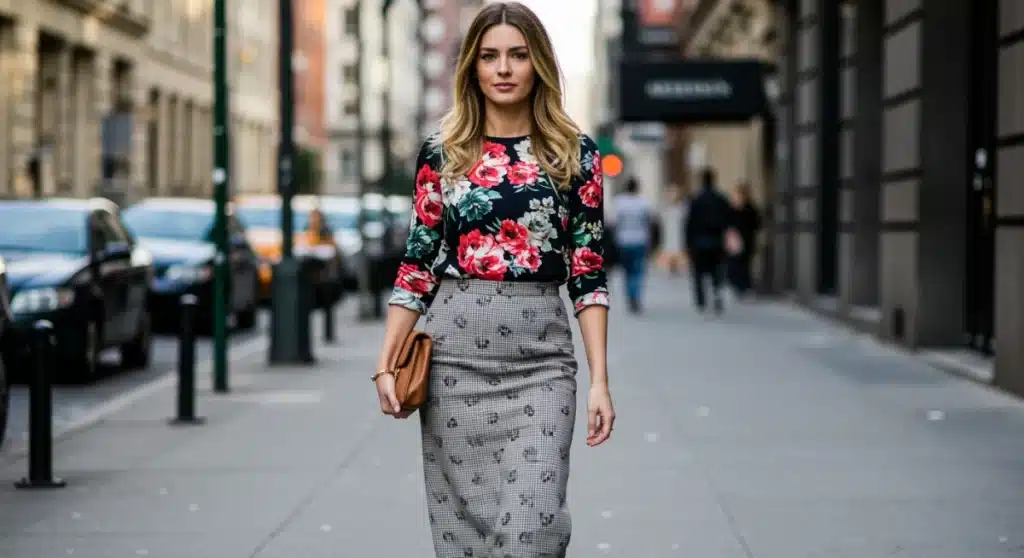
Mixing patterns in outfits often surprises a significant portion of the population because it challenges conventional fashion norms, requiring a keen eye for balance and an understanding of how different prints can harmoniously coexist to create a distinctive personal style.
Have you ever wondered why mixing patterns in outfits surprises 68% of people? This intriguing statistic highlights a common perception in fashion: the unexpected nature of combining different prints. While some see it as a daring move, others view it as a sophisticated art form. This article delves into the reasons behind this widespread surprise and offers insights into mastering this bold style choice.
The Psychology Behind Pattern Mixing Perception
The human brain is naturally wired to seek order and predictability. When confronted with an outfit that deliberately breaks conventional rules of uniformity, a sense of surprise often arises. This isn’t necessarily a negative reaction; rather, it’s a cognitive response to something outside the expected norm. Fashion, at its core, is a form of self-expression, and pattern mixing pushes the boundaries of what is considered ‘safe’ or ‘traditional.’
Our early fashion education often emphasizes matching and coordination, instilling a belief that patterns should be worn singularly or with solid colors. Deviating from this ingrained principle can feel counterintuitive, leading to the initial shock factor. However, it’s precisely this departure that makes pattern mixing so captivating and memorable when done well.
Breaking Visual Monotony
- Pattern mixing injects dynamism and visual interest into an ensemble, moving beyond predictable monochromatic or single-pattern looks.
- It demonstrates creativity and a willingness to take fashion risks, distinguishing the wearer from the crowd.
- The unexpected combination forces observers to engage more deeply with the outfit, appreciating the nuances of print, color, and scale.
Ultimately, the surprise factor in pattern mixing stems from its ability to disrupt established visual hierarchies and offer a fresh perspective on personal style. It’s about creating a narrative with your clothing, where each pattern contributes to a larger, cohesive story, even if the elements are disparate at first glance. Understanding this psychological underpinning is the first step toward embracing and mastering the art of combining prints. This approach transforms potential confusion into admiration, showcasing a sophisticated understanding of fashion’s expressive power.
Decoding the “68% Surprise”: A Cultural Phenomenon
The statistic that mixing patterns in outfits surprises 68% of people isn’t just a number; it reflects a broader cultural relationship with fashion rules and personal expression. In many societies, there’s an unspoken agreement on what constitutes acceptable attire, and often, this includes a preference for simplicity and uniformity. Complex pattern combinations can challenge these ingrained sartorial norms, leading to varied reactions ranging from genuine intrigue to slight bewilderment.
This cultural phenomenon is deeply rooted in how fashion trends evolve and how individuals interpret them. For decades, the emphasis was on matching accessories, shoes, and clothing, creating a harmonious but often predictable look. The rise of individualistic style and the breaking down of rigid fashion rules have paved the way for pattern mixing to gain traction, but the initial surprise remains a testament to its status as a non-conformist choice.
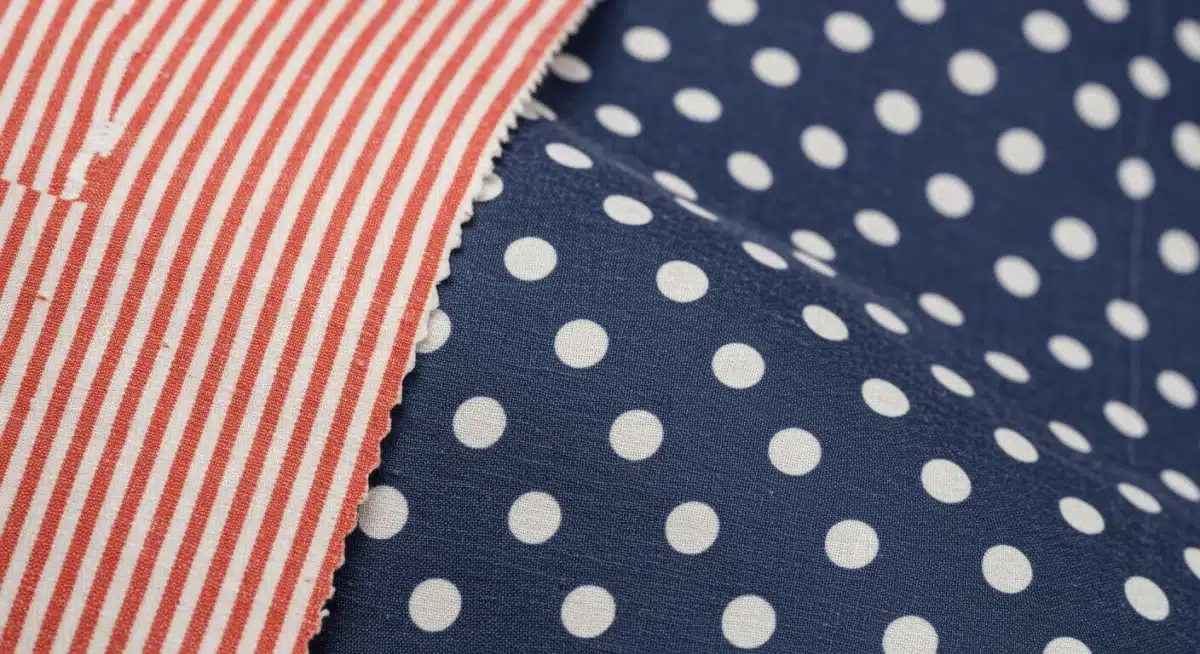
The surprise also comes from the perceived difficulty. Many believe that successfully mixing patterns requires an innate fashion sense, something they might not possess. This perception can deter people from even attempting it, reinforcing the idea that it’s a look reserved for the fashion-forward or those with specific styling expertise. However, with a few foundational principles, anyone can learn to blend patterns effectively.
Societal Influences on Style Perception
- Media representation often showcases pattern mixing as a high-fashion or avant-garde statement, further cementing its ‘surprising’ status.
- Traditional dress codes in professional or formal settings typically favor solid colors or subtle patterns, making bold combinations stand out significantly.
- The speed of trend cycles means that what is surprising today might become widely accepted tomorrow, but the initial shock factor is a natural part of this evolution.
Ultimately, the “68% surprise” is a fascinating indicator of where pattern mixing stands in the current fashion landscape. It signifies that while it’s gaining acceptance, it still holds enough novelty to elicit a strong reaction. This element of surprise is what gives pattern mixing its edge, making it a powerful tool for personal expression and a statement of confidence in one’s style choices.
The Art of Harmonious Clashing: Principles of Pattern Mixing
Far from being a random act of throwing prints together, successful pattern mixing is a deliberate art form guided by several key principles. The goal is not to create chaos, but rather a cohesive and visually interesting ensemble that looks intentional and stylish. Understanding these foundational rules can transform a potentially jarring outfit into a sophisticated statement, moving beyond the initial surprise to genuine admiration.
One of the most critical aspects is finding a common thread between the patterns. This could be a shared color palette, a similar scale, or even a consistent aesthetic. Without this unifying element, patterns can indeed clash in an unappealing way. When done correctly, however, the interplay of different prints creates a dynamic tension that is both bold and balanced, showcasing a true mastery of personal style.
Key Principles for Successful Pattern Mixing
- Color Harmony: Choose patterns that share at least one common color. This creates a visual bridge between disparate prints, tying them together effortlessly.
- Varying Scale: Combine patterns of different sizes. A large, bold print pairs well with a smaller, more subtle one, preventing them from competing excessively.
- Pattern Type: Some patterns naturally complement each other better. Stripes and florals, polka dots and plaid, or animal prints with geometric designs are classic pairings.
- Neutrals as Anchors: Incorporate solid neutral pieces to break up the patterns and provide a visual resting point, balancing the overall look.
- Texture Play: Consider the texture of the fabrics. Mixing a silky floral blouse with a tweed plaid skirt can add another layer of depth and interest.
The beauty of pattern mixing lies in its ability to showcase personality and creativity. It’s about experimenting and discovering what combinations resonate with your individual aesthetic. By adhering to these principles, you can confidently navigate the world of prints, turning potential fashion faux pas into celebrated style triumphs. It’s an empowering approach that allows you to express your unique fashion voice without overwhelming your audience.
Common Myths and Misconceptions About Pattern Mixing
The surprise factor associated with mixing patterns in outfits often stems from deeply ingrained myths and misconceptions about fashion. Many believe that pattern mixing is inherently difficult, reserved only for fashionistas, or that it inevitably leads to a chaotic look. These ideas can deter individuals from exploring this exciting avenue of personal style, limiting their creative expression and keeping them within the confines of ‘safe’ fashion choices.
One prevalent myth is that all patterns must be perfectly coordinated in color. While color harmony is a helpful guideline, it’s not a strict rule. Sometimes, a surprising pop of an unexpected color within one of the patterns can actually enhance the overall look, adding an element of playful rebellion. The key is to ensure there’s still a visual connection, even if it’s not a direct color match.
Debunking Pattern Mixing Myths
- Myth 1: Only certain patterns can be mixed. Reality: Almost any patterns can be mixed with careful consideration of scale, color, and texture.
- Myth 2: Pattern mixing is only for bold personalities. Reality: While it can be bold, subtle pattern mixing, like combining a pinstripe with a small polka dot, is accessible to everyone.
- Myth 3: You need a lot of patterned clothes. Reality: Start small with patterned accessories or by pairing one patterned item with a subtle print.
- Myth 4: It always looks busy. Reality: Strategic placement and the use of neutrals can prevent an outfit from looking overly cluttered.
Another common misconception is that pattern mixing is a one-size-fits-all approach. In reality, it’s highly personal. What works for one person might not work for another, and that’s perfectly fine. The journey of pattern mixing is one of discovery and experimentation, learning what combinations make you feel confident and stylish. By dispelling these myths, more individuals can feel empowered to explore the vast possibilities that pattern mixing offers, moving beyond the initial surprise to embrace a more adventurous and authentic style.
Practical Tips for Incorporating Pattern Mixing into Your Wardrobe
For those inspired to move past the initial surprise and embrace the art of mixing patterns in outfits, practical steps are essential. It’s less about innate talent and more about strategic choices and a willingness to experiment. Starting small and gradually building confidence can make this seemingly daunting fashion trend accessible to anyone, regardless of their current style comfort zone.
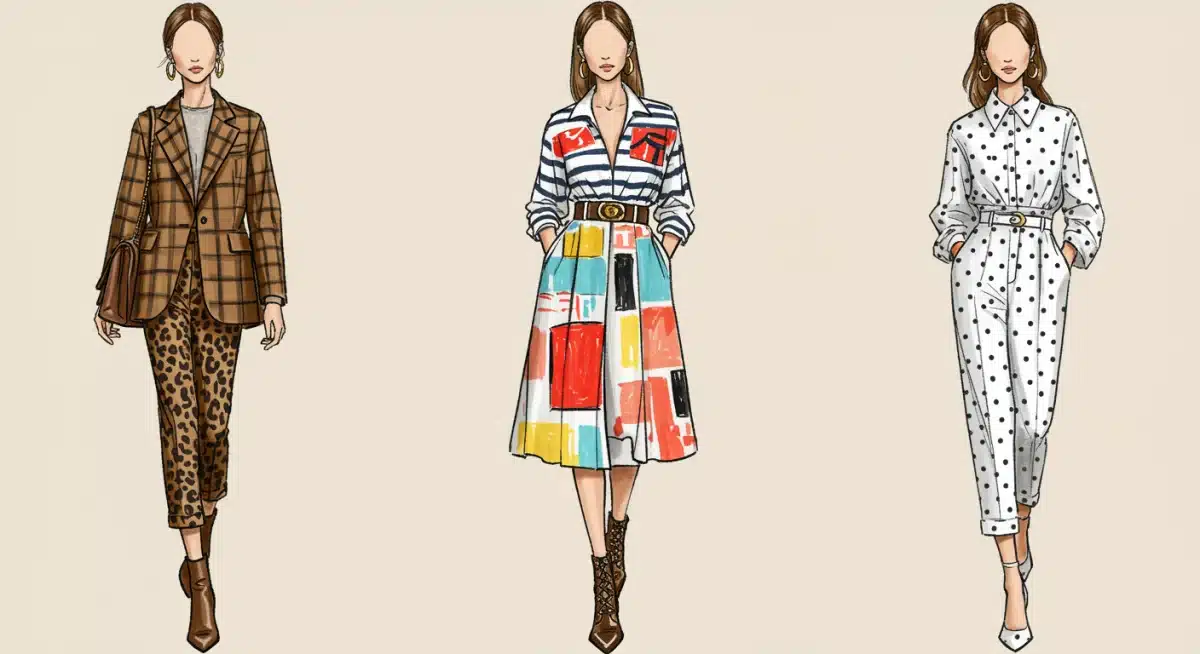
Begin by identifying patterns you already own and love. Perhaps a striped shirt, a floral skirt, or a plaid blazer. Think about how these pieces could potentially interact with each other. Don’t be afraid to lay out different combinations on your bed or try them on in front of a mirror. Sometimes, what looks odd on a hanger can come alive when worn, especially when paired with the right accessories and solid anchors.
Start Small and Build Confidence
- Accessorize with Patterns: Introduce pattern mixing through accessories like scarves, handbags, or shoes. For example, a striped top with a leopard print scarf.
- One Bold, One Subtle: Pair a dominant, eye-catching pattern with a more subdued or classic print, such as a large floral dress with a delicate pinstripe blazer.
- Stick to a Color Family: Choose patterns that share a similar color palette to ensure visual cohesion, even if the patterns themselves are very different.
- Use Neutrals as a Buffer: Incorporate solid neutral pieces (black, white, gray, beige) to break up the patterns and provide a visual resting point. A patterned top and skirt can be anchored by a neutral jacket.
- Mirror or Photo Test: Always check your pattern-mixed outfit in a full-length mirror or take a photo. This helps you see the outfit from a different perspective and identify any areas that might need adjustment.
Remember, fashion is about self-expression and having fun. There are no absolute right or wrong answers when it comes to personal style. The goal of pattern mixing is to create an outfit that feels authentic to you and makes you feel confident. By following these practical tips, you can confidently navigate the world of prints and create unique, head-turning looks that express your individuality and move beyond the initial surprise to inspire others.
The Future of Pattern Mixing: Beyond the Surprise
As fashion continues to evolve, the initial surprise surrounding mixing patterns in outfits is steadily giving way to wider acceptance and even expectation. What was once considered a daring, avant-garde choice is increasingly becoming a staple in contemporary wardrobes, signaling a broader shift in how we perceive and engage with personal style. The future of pattern mixing suggests a landscape where creativity and individuality are paramount.
This evolution is driven by several factors, including the democratization of fashion through social media, where influencers and everyday individuals showcase diverse styling techniques. As more people experiment and share their pattern-mixed looks, the concept becomes less intimidating and more normalized. This exposure helps to demystify the process, making it more accessible and encouraging others to try it themselves.
Evolving Fashion Norms and Personal Expression
- The rise of sustainable fashion encourages creative reuse and mixing of existing wardrobe pieces, including patterns, rather than constantly buying new items.
- Designers are increasingly incorporating mixed patterns in their collections, further legitimizing the trend and pushing its boundaries.
- Personal style blogs and online communities provide platforms for learning and sharing pattern-mixing tips, fostering a sense of community around this creative approach to dressing.
- The emphasis on individuality over conformity means that unique and expressive styling choices, like pattern mixing, are celebrated rather than questioned.
The future will likely see fewer people surprised by mixed patterns, as it becomes a more integral part of mainstream fashion dialogue. This shift doesn’t mean the excitement will diminish; instead, it will transform. The focus will move from the initial shock value to appreciating the nuance, artistry, and personal story behind each pattern-mixed ensemble. It’s an exciting prospect for fashion enthusiasts, promising an era of even greater creative freedom and self-expression through clothing.
Embracing Individuality: Why Pattern Mixing Resonates
The enduring appeal of mixing patterns in outfits, despite its initial surprise factor for many, lies in its profound connection to individual expression. In a world often driven by trends and conformity, pattern mixing offers a powerful way to stand out, communicate personality, and showcase a unique aesthetic. It’s more than just a fashion choice; it’s a statement of confidence and creativity that resonates deeply with those who seek to define their own style narrative.
This styling technique allows individuals to break free from the constraints of traditional fashion rules, creating looks that are truly their own. Each combination of prints, colors, and textures tells a story, reflecting the wearer’s mood, interests, and artistic inclinations. This level of personalization is incredibly empowering, fostering a sense of authenticity that mass-produced, trend-driven fashion often lacks.
The Power of Personal Style
- Pattern mixing is a direct manifestation of personal creativity, allowing for endless combinations and unique interpretations.
- It builds confidence as individuals learn to trust their own style instincts and move beyond external validation.
- It challenges the notion that fashion must be serious or rigid, injecting an element of fun and playfulness into daily dressing.
- Engaging in pattern mixing can be a form of self-discovery, helping individuals understand their preferences and how they want to present themselves to the world.
Ultimately, the reason pattern mixing continues to captivate and, yes, surprise, is because it taps into a universal desire for individuality. It’s a bold declaration that personal style is an art form, not just a set of rules. As more people embrace this philosophy, the surprise will transition into appreciation, recognizing the skill and artistry involved in crafting a truly unique and harmonious patterned ensemble. It’s a testament to the power of fashion as a tool for self-discovery and authentic expression.
| Key Aspect | Brief Description |
|---|---|
| Psychology of Surprise | Our brains prefer order; pattern mixing challenges this, creating visual intrigue. |
| Cultural Phenomenon | Societal norms and media representation influence pattern mixing as a non-conformist choice. |
| Harmonious Clashing | Successful pattern mixing requires shared colors, varying scales, and complementary types. |
| Embracing Individuality | Pattern mixing is a powerful tool for self-expression, confidence, and unique personal style. |
Frequently Asked Questions About Pattern Mixing
People find pattern mixing surprising because it challenges traditional fashion rules that often emphasize uniformity and matching. It breaks visual expectations, prompting a cognitive response to something unconventional. This surprise highlights the boldness and creativity involved in such styling choices, moving beyond predictable aesthetics.
Successful pattern mixing relies on several principles: find a common color to unify prints, vary the scale of patterns (e.g., large floral with small polka dots), and consider complementary pattern types like stripes and florals. Incorporating neutral pieces can also help anchor the look and prevent it from appearing too busy.
No, pattern mixing is not exclusive to any specific body type. It’s a versatile styling technique that can be adapted for everyone. The key is to choose patterns and silhouettes that flatter your individual figure. For instance, smaller patterns or strategically placed larger prints can enhance different body shapes effectively.
Beginners can start by mixing subtle patterns, like a pinstripe with a subtle check, or by using accessories. Try pairing one patterned item with a solid piece that picks up a color from the pattern. Another easy approach is to combine patterns within the same color family to ensure a cohesive, less overwhelming look.
As fashion norms evolve and individual expression becomes more celebrated, the surprise factor of pattern mixing is likely to diminish over time. Increased exposure through media and social platforms will normalize the practice, shifting the focus from initial shock to an appreciation for the artistry and creativity involved in expertly blended prints and textures.
Conclusion
The statistic that mixing patterns in outfits surprises 68% of people speaks volumes about our relationship with fashion and the boundaries we often place on personal style. Yet, this surprise is precisely what makes pattern mixing so compelling and transformative. It’s a testament to the power of breaking free from conventional norms, embracing creativity, and expressing individuality through clothing. As we’ve explored, mastering this art is less about innate talent and more about understanding foundational principles, debunking myths, and confidently experimenting with what resonates with your unique aesthetic. The journey of pattern mixing is an exciting one, promising a future where personal style is celebrated in all its diverse and unexpected forms, moving beyond initial bewilderment to genuine admiration and inspiration.