Advertisements
The ‘quiet luxury’ trend is fundamentally altering how established designers approach aesthetics, branding, and consumer engagement, emphasizing subtle sophistication and enduring quality over ostentatious displays.
The ‘quiet luxury’ trend and its impact on established designers represents a profound shift in the fashion world, moving away from overt branding and toward an appreciation for understated elegance and superior craftsmanship. This subtle yet powerful movement is redefining what luxury means for today’s discerning consumers, compelling heritage brands and contemporary labels alike to adapt their strategies and aesthetics. It challenges the very essence of traditional luxury marketing, inviting a deeper conversation about value, authenticity, and enduring style.
Advertisements
Understanding the ‘Quiet Luxury’ Phenomenon
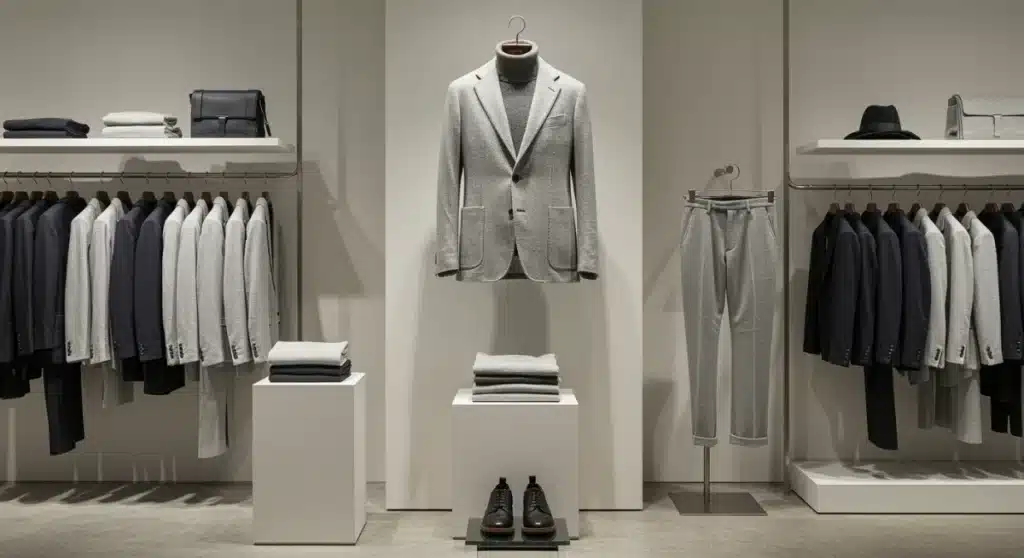
The concept of quiet luxury has rapidly gained traction, emerging as a dominant force in the high-end fashion landscape. It is not merely a fleeting trend but a reflection of evolving consumer values, where discretion and quality take precedence over conspicuous consumption. This movement emphasizes timeless design, exceptional materials, and impeccable construction, often devoid of prominent logos or flashy embellishments.
Consumers drawn to quiet luxury seek items that speak to their personal style and discerning taste, rather than serving as status symbols for external validation. This shift signals a maturation in the luxury market, where genuine value is found in longevity and intrinsic quality.
Advertisements
Defining Characteristics of Quiet Luxury
Quiet luxury is distinguished by several core attributes that set it apart from traditional luxury. These characteristics collectively create an aesthetic that is both sophisticated and approachable, appealing to a clientele that values substance over show.
- Understated Aesthetics: Designs are clean, minimalist, and timeless, avoiding overt branding or excessive ornamentation.
- Superior Craftsmanship: Emphasis on meticulous construction, hand-finishing, and attention to detail that ensures durability and a refined appearance.
- High-Quality Materials: Use of premium fabrics like cashmere, silk, fine wool, and exquisite leathers, chosen for their feel, drape, and longevity.
- Neutral Color Palettes: Predominantly features subdued hues such as beige, cream, navy, grey, and black, contributing to a versatile and elegant wardrobe.
Ultimately, quiet luxury is about an intrinsic sense of style and quality that resonates with those who appreciate refined taste. It’s a philosophy that champions quiet confidence and an investment in pieces that will truly last.
The Historical Roots and Evolution of Understated Elegance
While ‘quiet luxury’ feels like a contemporary phenomenon, its roots delve deep into the history of fashion, drawing inspiration from eras where discretion and enduring quality were paramount. This isn’t a new concept but rather a cyclical return to values that have always underpinned true luxury. Historically, the affluent often preferred bespoke garments and subtly branded items that only those in the know could recognize, signaling an exclusive membership in a certain social stratum without needing to shout about it.
From the minimalist designs of the 1990s to the timeless wardrobes of European aristocrats, the idea of dressing impeccably without overt display has always been a hallmark of refined taste. This historical context helps us understand why the current resurgence of quiet luxury feels so natural and enduring, rather than a fleeting trend.
Influential Eras and Figures
Several periods and iconic figures have shaped the trajectory of understated elegance, laying the groundwork for today’s quiet luxury movement. Their contributions highlight the enduring appeal of subtle sophistication.
- 1990s Minimalism: Designers like Helmut Lang and Jil Sander championed clean lines, monochromatic palettes, and functional, high-quality garments, rejecting the opulence of the 1980s.
- Old Money Aesthetic: The sartorial choices of European royalty and old American families, characterized by classic silhouettes, heritage brands, and impeccable tailoring, often without visible logos.
- Audrey Hepburn’s Style: Her iconic wardrobe, built on clean lines, simple shapes, and timeless pieces, exemplified elegance that transcended trends.
These historical precedents demonstrate that the appeal of quiet luxury is not new. Instead, it represents a reimagining of established principles of style and discernment, reflecting a contemporary desire for authenticity and lasting value in a world often saturated with fleeting trends.
How Established Designers Are Adapting to ‘Quiet Luxury’
Established designers, many of whom built their empires on recognizable logos and aspirational branding, are now navigating a complex shift toward quiet luxury. This adaptation involves more than just removing a logo; it requires a fundamental re-evaluation of design philosophy, marketing strategies, and even supply chain practices. Brands are focusing on communicating value through craftsmanship, material quality, and the story behind each piece, rather than through overt displays of wealth.
This pivot is crucial for maintaining relevance and attracting a new generation of luxury consumers who prioritize substance. Designers are increasingly investing in artisanal techniques, sustainable sourcing, and creating collections that emphasize versatility and enduring appeal.
Strategic Shifts in Design and Production
The shift towards quiet luxury has necessitated significant changes in how established brands approach their collections, from initial concept to final production. These adjustments reflect a renewed commitment to core luxury values.
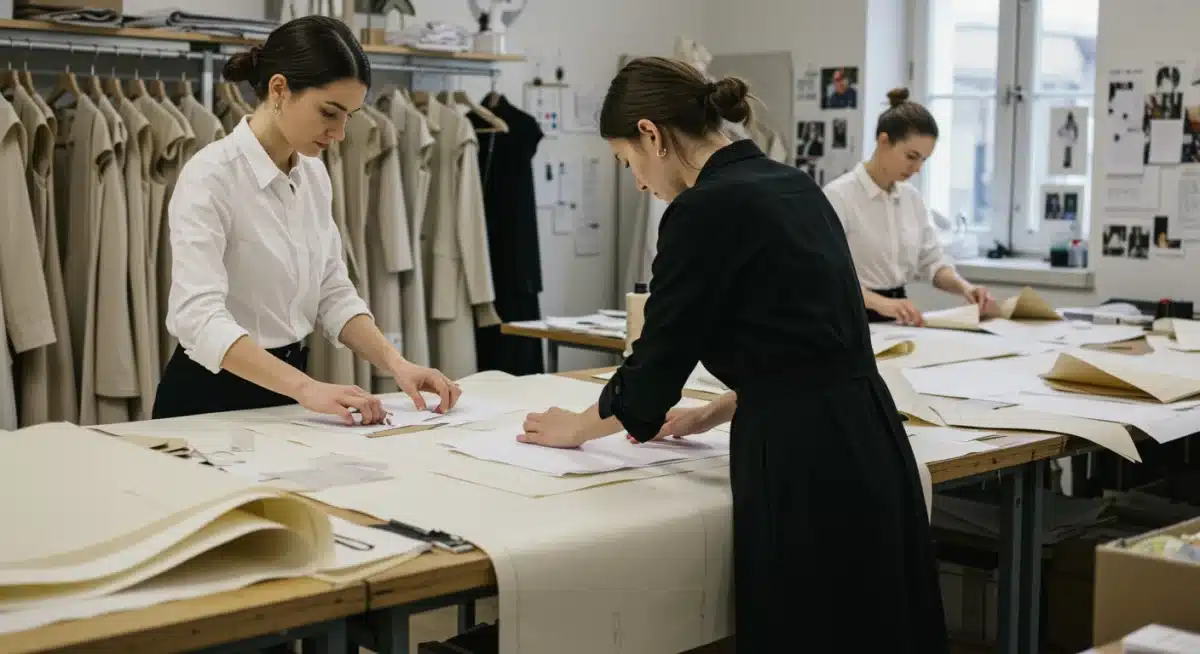
- Emphasis on Craftsmanship: Brands are highlighting their artisanal heritage, showcasing the intricate processes and skilled hands behind their products. This includes bespoke services and limited-edition runs that emphasize exclusivity through quality.
- Material Innovation: Investment in research and development for sustainable, high-quality materials that offer both luxury and environmental responsibility. This includes recycled fabrics, organic cottons, and innovative leathers.
- Timeless Silhouettes: A move away from overtly trendy or seasonal pieces towards classic, versatile designs that can be integrated into a long-term wardrobe. This fosters a sense of investment rather than disposability.
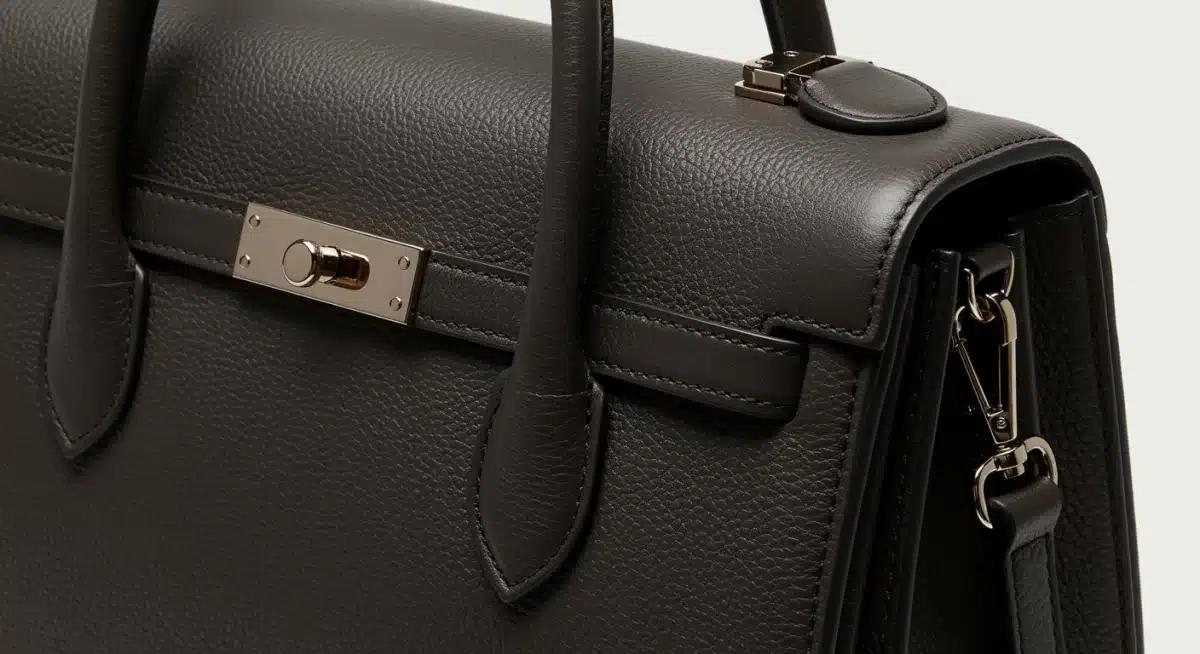
- Subtler Branding: Logos are either minimized, integrated into patterns, or moved to discreet locations, allowing the quality of the garment or accessory to speak for itself.
These strategic adjustments represent a conscious effort by established designers to align with the evolving preferences of the luxury consumer, ensuring their continued prominence in a market that increasingly values discretion and intrinsic quality.
Marketing and Branding in the Era of Understated Luxury
The marketing and branding strategies for established designers are undergoing a significant transformation in response to the quiet luxury movement. Gone are the days of relying solely on celebrity endorsements and flashy campaigns. Instead, brands are adopting more nuanced approaches that emphasize storytelling, heritage, and the intrinsic value of their products. This involves cultivating an image of exclusivity and sophistication that resonates with a clientele seeking authenticity and discretion.
Marketing efforts now focus on educating consumers about the quality of materials, the artistry of craftsmanship, and the enduring nature of their designs. This shift requires a deeper connection with the consumer, built on trust and shared values.
New Communication Approaches
To effectively communicate the essence of quiet luxury, brands are exploring innovative ways to engage with their audience, moving beyond traditional advertising. The focus is on creating a narrative that speaks to the discerning nature of their target market.
- Experiential Marketing: Creating immersive brand experiences that allow customers to appreciate the quality and craftsmanship firsthand, such as private viewings, atelier tours, or exclusive events.
- Storytelling and Heritage: Highlighting the brand’s history, the inspiration behind designs, and the skilled artisans involved in production. This adds depth and emotional value to products.
- Influencer Collaborations: Partnering with influencers who embody the quiet luxury aesthetic and have an authentic, engaged following, rather than those known for overt displays of wealth.
- Digital Discretion: Utilizing digital platforms to showcase product details and craftsmanship in a sophisticated manner, often through high-quality editorial content rather than direct sales pitches.
By adopting these new communication approaches, established designers are successfully navigating the evolving landscape of luxury marketing. They are building deeper connections with consumers who value authenticity and a more subtle expression of personal style, solidifying their position in the quiet luxury space.
Challenges and Opportunities for Heritage Brands
The advent of quiet luxury presents both significant challenges and unique opportunities for heritage brands. Many of these brands have historically relied on overt branding and recognizable symbols to convey their luxury status. The pivot to a more understated aesthetic requires a delicate balance between preserving brand identity and adapting to new consumer preferences. The challenge lies in shedding visible logos without diluting decades of brand recognition and equity.
However, this shift also offers a chance for heritage brands to reaffirm their core values of quality, craftsmanship, and timelessness. It allows them to lean into their rich histories and artisanal traditions, distinguishing themselves from newer, more trend-driven labels.
Navigating the Transition
Successfully transitioning to a quiet luxury model involves strategic decision-making and a deep understanding of market dynamics. Heritage brands must carefully consider how to evolve without alienating their existing customer base.
- Re-evaluating Brand DNA: Identifying the foundational elements of the brand’s identity that resonate with quiet luxury values, such as specific craftsmanship techniques or signature silhouettes.
- Educating Consumers: Shifting the narrative from logo recognition to an appreciation of material quality, design integrity, and the ethical production practices behind each piece.
- Innovation within Tradition: Introducing new designs that embody quiet luxury while still carrying the brand’s distinctive aesthetic, ensuring continuity and relevance.
- Supply Chain Transparency: Providing greater insight into the sourcing of materials and the manufacturing process, building trust and appealing to ethically conscious consumers.
For heritage brands, embracing quiet luxury is not about abandoning their past but about reinterpreting it for a contemporary audience. This strategic evolution allows them to maintain their revered status while capturing the attention of a new generation of luxury enthusiasts.
The Future Landscape: Longevity, Sustainability, and Personalization
The quiet luxury trend is not just a fleeting moment; it’s a harbinger of a more profound and lasting shift in the luxury market. Its emphasis on quality, discretion, and timelessness naturally aligns with growing consumer demands for sustainability and personalized experiences. As awareness of environmental impact and ethical production increases, consumers are gravitating towards pieces that offer longevity and responsible sourcing, moving away from fast fashion and disposable luxury items.
This future landscape will see established designers further integrating sustainable practices into their core operations, offering bespoke services, and focusing on creating emotional connections with their clientele. The value proposition will increasingly hinge on the story, the craftsmanship, and the enduring nature of the product.
Key Pillars of Future Luxury
The evolution of luxury will be built upon several interconnected pillars that reflect the values championed by quiet luxury. These elements will define how established designers innovate and engage with their market.
- Enhanced Durability and Repairability: Designing products meant to last a lifetime, often with repair services offered by the brand, fostering a circular economy model.
- Traceability and Transparency: Providing clear information about the origins of materials, manufacturing processes, and the ethical treatment of workers throughout the supply chain.
- Hyper-Personalization: Offering bespoke services, customization options, and unique experiences that cater to individual preferences, making each purchase truly unique.
- Emotional Connection: Building relationships with consumers through storytelling, community engagement, and a focus on shared values, transcending mere transactional exchanges.
The future of luxury, shaped significantly by the quiet luxury movement, will be characterized by a deeper commitment to ethical practices, enduring quality, and highly personalized customer journeys. Established designers who embrace these shifts will undoubtedly thrive, cementing their relevance in an evolving global market.
| Key Aspect | Brief Description |
|---|---|
| Core Philosophy | Understated elegance, high-quality craftsmanship over overt branding. |
| Designer Adaptation | Shifting design, production, and marketing to emphasize intrinsic value. |
| Market Impact | Increased demand for timeless pieces, sustainability, and authenticity. |
| Future Outlook | Focus on longevity, ethical practices, and personalized consumer experiences. |
Frequently Asked Questions About Quiet Luxury
Quiet luxury is characterized by understated elegance, superior craftsmanship, and high-quality materials, often without visible brand logos. It prioritizes timeless design and intrinsic value over overt displays of wealth, appealing to discerning consumers who value subtlety and lasting quality.
Established designers are adapting by focusing on refined aesthetics, investing in artisanal production, and utilizing premium, often sustainable, materials. They are also shifting their marketing to emphasize heritage, craftsmanship, and the enduring value of their products rather than brand visibility.
Its popularity stems from changing consumer values, including a desire for authenticity, sustainability, and discretion. After periods of overt branding, many consumers now prefer investment pieces that reflect personal style and quality rather than fleeting trends or status symbols.
Not necessarily. While overt logos are minimized, branding can still be present through subtle details like unique hardware, distinctive silhouettes, or internal labels. The emphasis is on the brand’s inherent quality and recognition among those who appreciate sophisticated design, rather than mass appeal.
The long-term impact will likely include a sustained focus on longevity, sustainability, and personalization. Brands will prioritize ethical sourcing, repairability, and unique customer experiences, fostering a deeper connection with consumers and solidifying the value of true craftsmanship.
Conclusion
The emergence of the ‘quiet luxury’ trend signifies a pivotal moment for established designers and the broader fashion industry. It represents a return to foundational principles where quality, craftsmanship, and enduring style are paramount. This shift compels brands to re-evaluate their design philosophies, marketing strategies, and consumer engagement, fostering a deeper appreciation for the intrinsic value of luxury goods. By embracing understated elegance and prioritizing ethical, sustainable practices, established designers are not only adapting to current market demands but are also shaping a more discerning and responsible future for luxury fashion. This evolution promises a landscape where authenticity and lasting appeal reign supreme, benefiting both brands and consumers alike.