
How Ralph Lauren Shaped Classic American Sportswear
Advertisements
Ralph Lauren shaped classic American sportswear by merging elite northeastern collegiate tailoring with rustic western utility and accessible casual wear. This design philosophy helps everyday dressers build versatile, enduring wardrobes, though navigating the wide array of brand sub-labels and fluctuating modern retail fabric blends requires careful inspection before buying.
Before Ralph Lauren launched his necktie business in 1967 under the name Polo, American fashion was largely divided between rigid European couture imports and strictly functional domestic workwear. Lauren established an aspirational narrative that treated everyday garments like cotton knit shirts, tailored tweed jackets, and denim trousers as components of a cohesive, elegant lifestyle. Understanding this design history reveals why items such as oxford button-downs, unstructured navy blazers, and chino trousers remain foundational staples across modern closets.
The origins of Ralph Lauren and the reimagining of Ivy League style
The foundation of classic American sportswear rests on the reinterpretation of mid-twentieth-century Ivy League apparel. Historically, collegiate dress among northeastern universities relied on conservative British tailoring techniques, heavy woolens, and formal dress codes. Ralph Lauren reinterpreted these aristocratic garments by loosening their construction and styling them alongside casual separates, creating a relaxed aesthetic that felt uniquely American.
Advertisements
When Lauren debuted his initial collection of wide neckties in 1967, he challenged the narrow, conservative neckwear standards of the era. Utilizing rich fabrics such as raw silk, vibrant foulards, and hand-woven tweeds, he introduced visual romance into everyday business dress. By 1968, the brand expanded into a complete menswear line, establishing an aesthetic rooted in equestrian sports, collegiate tennis, and traditional tailoring.
Rather than designing solely for formal occasions, Lauren introduced garments meant for weekend recreation, country retreats, and urban commutes. He took items previously reserved for exclusive sporting clubs and redesigned them for everyday public life. This democratization of country-club fashion redefined social uniforms across the United States, allowing consumers from diverse backgrounds to embrace an aesthetic previously confined to elite northeastern campuses.
Defining classic American sportswear through functional luxury
Classic American sportswear relies on interchangeable separates that prioritize mobility, durable construction, and effortless coordination. Unlike structured European tailoring, which often requires precise matching and rigid internal canvasing, American sportswear focuses on natural shoulders, breathable natural textiles, and adaptable layers. Ralph Lauren codified these elements into a recognizable visual language that prioritized comfort without sacrificing formality.
Advertisements
A key aspect of this philosophy was the mixing of formal and casual textures within a single outfit. Lauren routinely paired tailored flannel jackets with faded denim trousers or styled formal dress shirts beneath chunky hand-knit sweaters. This juxtaposition broke down traditional sartorial boundaries and established the blueprint for modern smart-casual dressing.
Core principles of American sportswear design
- Unstructured tailoring: Soft-shouldered blazers and unlined jackets that move naturally with the wearer.
- Textural contrast: Combining rugged fabrics like corduroy and denim with refined materials like silk and cashmere.
- Layering versatility: Garments designed to be added or removed seamlessly to adapt to changing temperatures and settings.
- Neutral color foundations: Relying on navy, camel, olive, cream, and gray to ensure effortless coordination across pieces.
Through these principles, classic American sportswear became a pragmatic response to modern daily routines. The wardrobe transitioned from rigid dress codes to modular dressing, giving individuals the freedom to navigate professional offices, social gatherings, and casual weekends using the same core collection of garments.
The core wardrobe staples that built the prep aesthetic
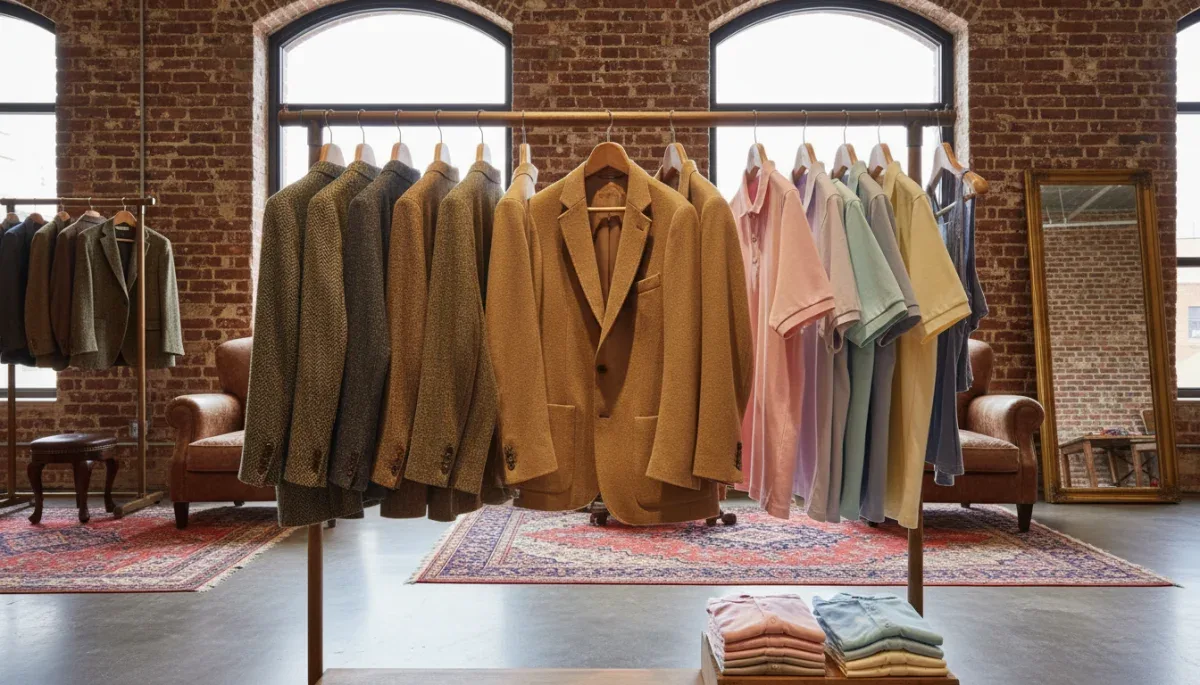
The prep aesthetic owes much of its longevity to specific garments that Ralph Lauren refined, popularized, and mass-distributed starting in the early 1970s. In 1972, the brand introduced its short-sleeve cotton mesh shirt featuring the embroidered polo player motif. Available in two dozen vibrant colors, the polo shirt quickly evolved into an essential garment across American suburbia and urban centers alike.
Beyond the polo shirt, Lauren systematically refined other classic garments that originated in sporting and military history. The brand elevated the oxford-cloth button-down shirt, the cotton chino trouser, the cable-knit cricket sweater, and the khaki trench coat into essential wardrobe building blocks. Each piece carried historical utility while fitting smoothly into contemporary daily life.
These garments were engineered to age gracefully. Utilizing heavyweight cotton twill, genuine Shetland wool, and uncorrected full-grain leathers, early collections emphasized garments that looked better with wear and gentle fading. This emphasis on patina reinforced the preppy ethos that true elegance stems from well-loved, durable clothing rather than disposable seasonal trends.
Cinematic storytelling and lifestyle branding in American design
Ralph Lauren transformed fashion marketing by designing complete environments rather than isolated garments. Beginning in the late 1970s and expanding through the 1980s, the company created multi-page advertising campaigns depicting multi-generational families living in idyllic country estates, seaside cottages, and western ranches. This narrative approach shifted consumer focus from garment specifications to an overarching aspirational lifestyle.
The cinematic approach gained significant cultural momentum when Lauren provided the menswear wardrobe for the 1974 film adaptation of The Great Gatsby. The pastel pink suits, white linen trousers, and silk waistcoats showcased on screen reignited public fascination with 1920s jazz-age tailoring and solidified Lauren's reputation as a custodian of classic American romance.
In 1977, the brand dressed Diane Keaton in Woody Allen's film Annie Hall, popularizing oversized menswear tailoring, wide-leg trousers, neckties, and tweed waistcoats for women. This cinematic exposure proved that prep style was not limited by gender or social background, cementing classic American sportswear as a major force in global popular culture.
Subcultural adoption and the evolution into street fashion
While classic American sportswear originated in elite northeastern institutions, its cultural impact expanded dramatically through unexpected subcultural adoption. In the late 1980s and 1990s, youth communities in New York City, particularly the Lo-Life movement in Brooklyn, adopted vintage and contemporary Polo garments as symbols of urban status and artistic expression.
These subcultures recontextualized prep garments by styling bold color-blocked windbreakers, alpine fleece jackets, and equestrian knits alongside oversized denim and athletic footwear. This organic adoption proved that the brand's aesthetic was dynamic enough to thrive far outside traditional country-club environments, fundamentally bridging the gap between luxury prep and modern streetwear.
This cross-cultural influence ultimately influenced how high-fashion houses design sportswear today. The interplay between traditional tailoring and urban street culture highlighted the versatility of the original designs, demonstrating that garments rooted in functional American design could convey diverse cultural meanings across generations.
How to incorporate archival prep elements into a modern wardrobe
Incorporating classic American sportswear into a modern wardrobe requires focusing on proportion, fabric quality, and restraint rather than wearing complete head-to-toe vintage outfits. Modern styling avoids looking like a costume by balancing traditional tailoring with understated contemporary basics.
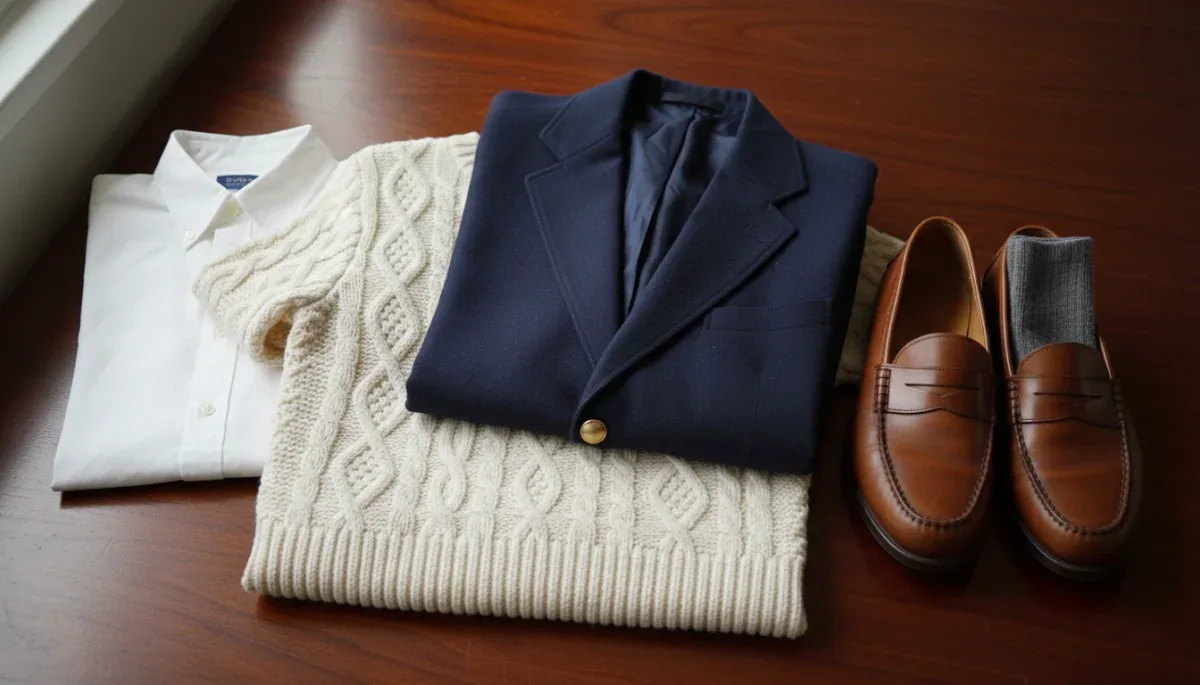
Begin with versatile anchor pieces that carry traditional prep heritage. A navy hopsack wool blazer with soft shoulders can be paired with neutral chinos for business settings or worn over a plain gray crewneck sweatshirt and dark denim for casual outings. Similarly, an oxford-cloth button-down shirt works equally well under a tailored suit or worn open over a white cotton t-shirt.
Practical steps for building a classic sportswear rotation
- Prioritize natural fabrics: Seek out garments made from 100% cotton, breathable linen, genuine wool, and suede to ensure longevity and authentic texture.
- Focus on classic footwear: Anchor outfits with leather penny loafers, canvas deck shoes, suede chukka boots, or minimalist leather court sneakers.
- Embrace subtle layering: Layer a fine-gauge merino wool crewneck or cable-knit sweater over a collared shirt, allowing the collar points to sit naturally.
- Keep accessories understated: Opt for braided leather belts, simple canvas tote bags, and classic tortoiseshell eyewear to complement the clean lines of the clothing.
By curating these timeless pieces and paying attention to silhouette and material composition, anyone can build a functional wardrobe inspired by classic American sportswear that remains stylish across seasons.
At a glance
| Style element | What to know |
|---|---|
| Origins | Developed from mid-twentieth-century Ivy League sports uniforms and rural outdoor workwear. |
| Key garments | Unstructured navy blazers, cotton pique polo shirts, oxford button-downs, and khaki chinos. |
| Design philosophy | Interchangeable, comfortable layers combining formal tailoring with relaxed casual textures. |
| Cultural footprint | Shaped Hollywood cinema, suburban dress codes, and modern global streetwear styling. |
Frequently asked questions
What is the difference between Ivy style and prep style?
Ivy style originated in the 1950s on northeastern college campuses, focusing on conservative tailoring, sack suits, and heavy woolens. Prep style evolved in subsequent decades by adding brighter colors, casual sporting goods, and relaxed lifestyle separates popularized largely by Ralph Lauren.
Why is the cotton polo shirt considered a sportswear staple?
The cotton polo shirt combined the neat collar of formal dress shirts with the breathable knit fabric of athletic wear. Ralph Lauren popularized this hybrid design as an everyday essential that could transition easily between sporting activities and casual social gatherings.
How can I identify authentic vintage American sportswear?
Authentic vintage garments typically feature heavy natural fibers, robust single-needle or double-needle stitching, and minimal synthetic blends. Checking interior union tags, manufacturer labels, and country-of-origin tags helps verify garment age and production standards.
Can classic American sportswear be worn in formal business environments?
Yes, tailored elements such as navy wool blazers, crisp oxford-cloth shirts, and worsted wool trousers meet standard business-casual and semi-formal workplace standards when paired with conservative leather dress shoes and understated neckwear.
The bottom line
Ralph Lauren reshaped classic American sportswear by transforming traditional athletic and collegiate garments into an accessible, cohesive lifestyle wardrobe that remains globally influential. To build a timeless personal collection, invest in well-constructed natural fabrics and versatile separates that can be easily layered across different social settings. Before purchasing, verify fabric composition tags to ensure you are getting genuine natural fibers rather than synthetic-heavy modern blends.
Written by
Lucas Bastos
Lucas Bastos writes about fashion tips, seasonal collections and designer spotlights for getclothez.com. Each article explains how things work, compares published details such as prices, policies and program rules, and points readers to the official source before they decide.