Why SHEIN’s Size ‘M’ Differs from Standard US Medium: A Deep Dive

SHEIN’s size ‘M’ frequently diverges from standard US medium due to a confluence of global manufacturing practices, inconsistent sizing charts across various vendors, and differing body type assumptions in their design process, leading to fit discrepancies for consumers.
Have you ever ordered a size ‘M’ from SHEIN only to find it fits nothing like your usual US medium? The frustration is real and widely shared. Understanding why SHEIN’s size ‘M’ fits differently than standard US medium is key to navigating the world of fast fashion and making more informed purchasing decisions.
The Global Sizing Conundrum: Understanding Variances
The fashion industry, particularly in the realm of fast fashion e-commerce, operates on a global scale that often overlooks standardized sizing. When you shop for clothes, you might assume a size ‘M’ is universally consistent, but this is rarely the case. Different regions, and even different brands within the same region, adhere to their own unique sizing conventions, leading to a complex web of measurements and expectations.
SHEIN, as an international retailer, sources its garments from numerous manufacturers primarily based in Asia. These manufacturers often design clothing based on the average body types and sizing standards prevalent in their regions, which can significantly differ from those in the United States. This fundamental difference is a primary reason why a SHEIN size ‘M’ might not align with what a US consumer expects from a medium.
Regional Body Type Differences
One of the most significant factors contributing to sizing discrepancies is the variation in average body shapes and builds across different geographical regions. What constitutes a ‘medium’ in one country might be considered a ‘small’ or even a ‘large’ in another, based on average height, weight, and proportions of the target consumer base.
- Asian Sizing: Generally, clothing manufactured in Asian countries tends to run smaller than US or European sizes. This is often attributed to the average body measurements in these regions, which typically feature smaller frames.
- US Sizing: US sizing standards are often more generous, reflecting a different average body type. A US medium usually accommodates specific bust, waist, and hip measurements that might be larger than an Asian medium.
- Lack of Universal Standards: There is no single, globally accepted standard for clothing sizes, allowing each brand or region to establish its own system.
Moreover, the interpretation of what a ‘medium’ signifies can extend beyond just numerical measurements. It can also encompass design philosophy, such as whether a garment is intended to be form-fitting, relaxed, or oversized, further complicating the sizing landscape.
In essence, the ‘M’ on a SHEIN label is a reflection of the manufacturer’s specific sizing chart, which is often influenced by their regional market, rather than a direct translation of a US medium. This global sizing conundrum necessitates a more critical approach to online shopping, especially from international retailers.
SHEIN’s Business Model and Its Impact on Sizing
SHEIN’s rapid rise to prominence is largely due to its unique ultra-fast fashion business model. This model, while offering trendy clothes at incredibly low prices, also contributes significantly to the sizing inconsistencies experienced by customers. Understanding how SHEIN operates can shed light on why their sizing can be so unpredictable.
SHEIN works with thousands of independent suppliers and manufacturers, each producing a relatively small batch of clothing styles. This decentralized manufacturing process means that there isn’t a single, overarching sizing standard applied uniformly across all garments. Each supplier might use their own patterns and grading systems, leading to variations even within the same product category or size.
Decentralized Manufacturing and Quality Control
The sheer volume of new items introduced daily on SHEIN’s platform makes it challenging to implement stringent, centralized quality control measures for sizing. While SHEIN does provide size charts, these are often general guidelines or measurements provided by individual suppliers, which may not always be perfectly accurate or consistent.
- Multiple Suppliers: Different suppliers mean different interpretations of a size ‘M’. One supplier’s ‘M’ might be tailored to a slimmer silhouette, while another’s might be more relaxed.
- Rapid Production Cycles: The speed at which new designs are produced and brought to market leaves little room for extensive fit testing across diverse body types.
- Cost-Efficiency: To keep prices low, manufacturers might prioritize speed and volume over meticulous adherence to a universal sizing standard.
Furthermore, the materials used can also play a role. The same size ‘M’ in a stretchy knit fabric will fit differently than in a rigid woven fabric, even if the initial measurements are identical. SHEIN’s vast array of products uses a wide variety of fabrics, further complicating the fit equation.
In essence, SHEIN’s business model, characterized by its extensive network of diverse suppliers and rapid production cycles, inherently creates an environment where sizing inconsistencies are almost inevitable. This makes relying solely on the letter size (like ‘M’) a risky endeavor for consumers.
The Importance of SHEIN’s Size Charts and Customer Reviews
Given the inherent inconsistencies in SHEIN’s sizing, relying solely on your usual US size ‘M’ is a recipe for disappointment. Instead, a more strategic approach involves diligently consulting SHEIN’s provided size charts and, perhaps even more crucially, poring over customer reviews. These resources are your best allies in deciphering the true fit of a garment before making a purchase.
Each product page on SHEIN typically includes a detailed size chart. This chart usually provides specific measurements in centimeters and inches for key areas like bust, waist, hips, and length. It’s important to note that these measurements are for the garment itself, not your body. Therefore, you should measure your own body and compare those measurements to the garment’s dimensions, allowing for a comfortable fit.
Decoding Size Charts and Fabric Information
Beyond the numerical measurements, pay close attention to the fabric composition listed. The stretchiness or rigidity of a material will significantly impact how a garment fits, even if the measurements are similar. A non-stretch fabric will require more precise measurements, while a highly elastic fabric might offer more leeway.
- Measure Yourself Accurately: Use a soft tape measure to get your current bust, waist, and hip measurements. Don’t rely on old measurements or assumptions.
- Compare Garment Measurements: Cross-reference your body measurements with the garment’s specific size chart. Look for a few inches of allowance for comfort, especially in non-stretch fabrics.
- Consider Fabric Stretch: If the fabric has spandex or elastane, it will have more give. If it’s 100% cotton or linen, it will be less forgiving.
Customer reviews are an invaluable resource because they offer real-world insights from people who have already purchased and tried on the item. Many reviewers include their own body measurements, the size they ordered, and how the item actually fit them. They often provide photos, which can visually demonstrate how a particular size ‘M’ looks on a body similar to yours.
Look for reviews that specifically mention sizing up or down, or that compare the fit to standard US sizes. Pay attention to comments about specific areas, such as whether the sleeves are too tight, the waist is too loose, or the length is unexpected. This collective wisdom can guide you far better than a simple letter size.
Body Positivity and the Psychological Impact of Sizing
The inconsistencies in sizing, particularly the disparity between a SHEIN ‘M’ and a standard US medium, can have a noticeable psychological impact on consumers. It often leads to confusion, frustration, and in some cases, can even affect body image and self-esteem. Understanding this impact is crucial for fostering a healthier relationship with fashion and online shopping.
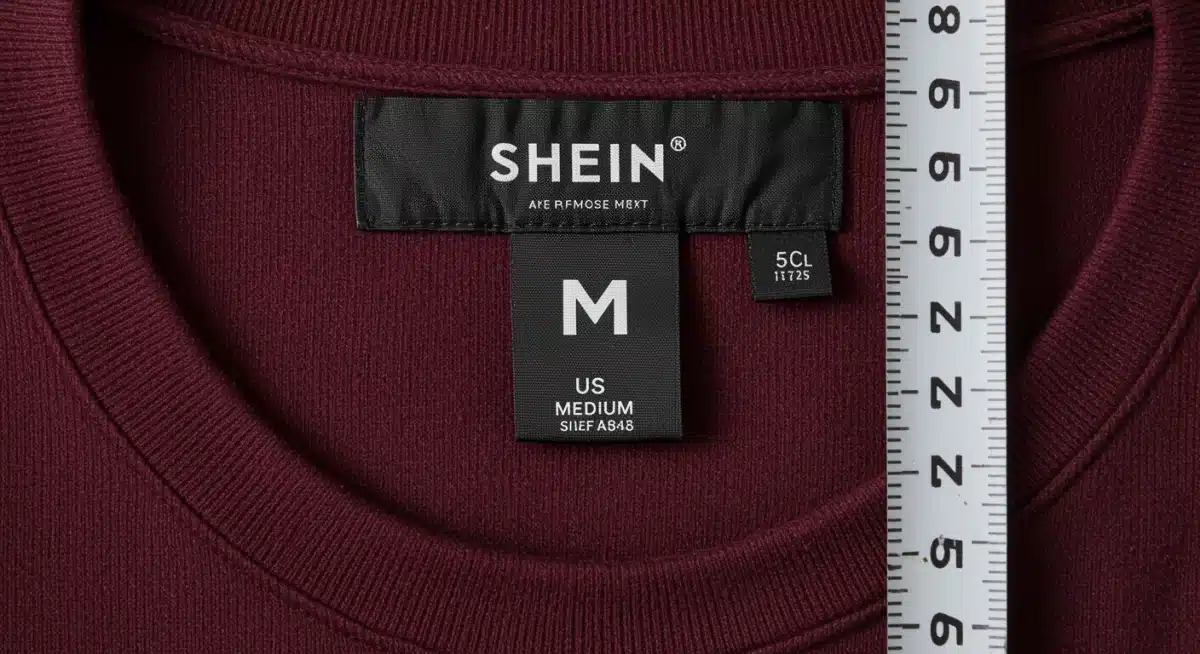
When a shopper accustomed to fitting into a US medium finds that a SHEIN ‘M’ is too small, their immediate reaction might be to question their own body. This can be particularly disheartening, as it implies a change in their body size rather than an inconsistency in clothing manufacturing. This negative self-perception can be exacerbated in an online shopping environment where direct comparison and trying on clothes are not possible before purchase.
Challenging the Notion of a ‘Standard’ Body
The concept of a ‘standard’ size ‘M’ itself is a social construct, not a biological reality. Human bodies are incredibly diverse, and expecting a single set of measurements to perfectly fit everyone within a given size category is unrealistic. Fast fashion, with its global reach, inadvertently highlights this diversity by revealing how different regions interpret these ‘standards’.
- Focus on Measurements, Not Labels: Shifting the focus from the letter size (M, L, XL) to actual body measurements can help depersonalize sizing issues.
- Embrace Your Unique Shape: Recognize that clothing is made for a variety of body types, and a garment not fitting doesn’t reflect negatively on your body.
- Educate Yourself: Understanding the reasons behind sizing discrepancies empowers shoppers to make better choices and reduces self-blame.
The experience of receiving ill-fitting clothing can also lead to a sense of distrust in online retailers and the fashion industry at large. It creates a barrier to a positive shopping experience and can deter consumers from exploring new styles or brands.
Ultimately, it’s essential for consumers to cultivate a mindset of body positivity and to understand that clothing sizes are merely arbitrary labels. The goal should be to find clothes that fit comfortably and make you feel good, regardless of the size label. This perspective helps in navigating the varied sizing landscape of retailers like SHEIN without internalizing sizing challenges as personal failings.
Practical Strategies for SHEIN Sizing Success
Navigating SHEIN’s diverse sizing effectively requires a proactive and informed approach. Instead of simply picking your usual US size ‘M’, implementing a few practical strategies can significantly improve your chances of receiving garments that fit well and meet your expectations. These tips will help you minimize returns and maximize your satisfaction with your SHEIN purchases.
The most fundamental strategy is to always, without exception, consult the specific size chart provided for each individual item. As previously discussed, SHEIN works with multiple suppliers, meaning that the measurements for a ‘medium’ can vary wildly from one product to another. Never assume consistency across different styles or even different colors of the same style.
Beyond the Size Chart: Expert Tips
While the size chart is your primary tool, there are additional steps you can take to ensure a better fit. Consider the garment’s intended style and how you prefer your clothes to fit. Do you like a looser fit, or do you prefer something more snug? This personal preference should influence whether you size up or down based on the measurements.
- Read All Reviews and Q&A: Pay special attention to reviews from customers with similar body types and measurements to yours. The Q&A section can also offer valuable insights.
- Check the ‘Fit’ Feedback: Many product pages include a ‘Fit’ section where customers can rate whether the item runs ‘True to Size,’ ‘Runs Small,’ or ‘Runs Large.’ This collective feedback is incredibly helpful.
- Utilize the ‘Size Guide’ Tool: SHEIN sometimes offers a personalized ‘Size Guide’ tool that asks for your height, weight, and fit preferences to recommend a size. While not foolproof, it can be a good starting point.
Another crucial tip is to understand the fabric. Stretchy fabrics offer more flexibility, so if you’re between sizes, you might be able to size down. For non-stretch fabrics, it’s usually safer to size up if you’re on the border, to ensure comfort and ease of movement. Also, consider the garment’s overall design. A structured blazer will require more precise sizing than a flowing maxi dress.
Finally, remember that SHEIN offers free returns on your first order from a package. While it’s always better to get the size right the first time, this policy provides a safety net if a garment still doesn’t fit as expected. By combining careful measurement, thorough review reading, and an understanding of fabric and style, you can significantly improve your SHEIN shopping experience.
The Role of Fabric and Garment Construction
Beyond the raw measurements and regional sizing differences, the very nature of a garment—its fabric composition and construction—plays a pivotal role in how a SHEIN size ‘M’ ultimately fits. Two garments with identical measurements on a size chart can feel entirely different when worn, simply because of the materials and how they are put together. Understanding these nuances is key to predicting fit more accurately.
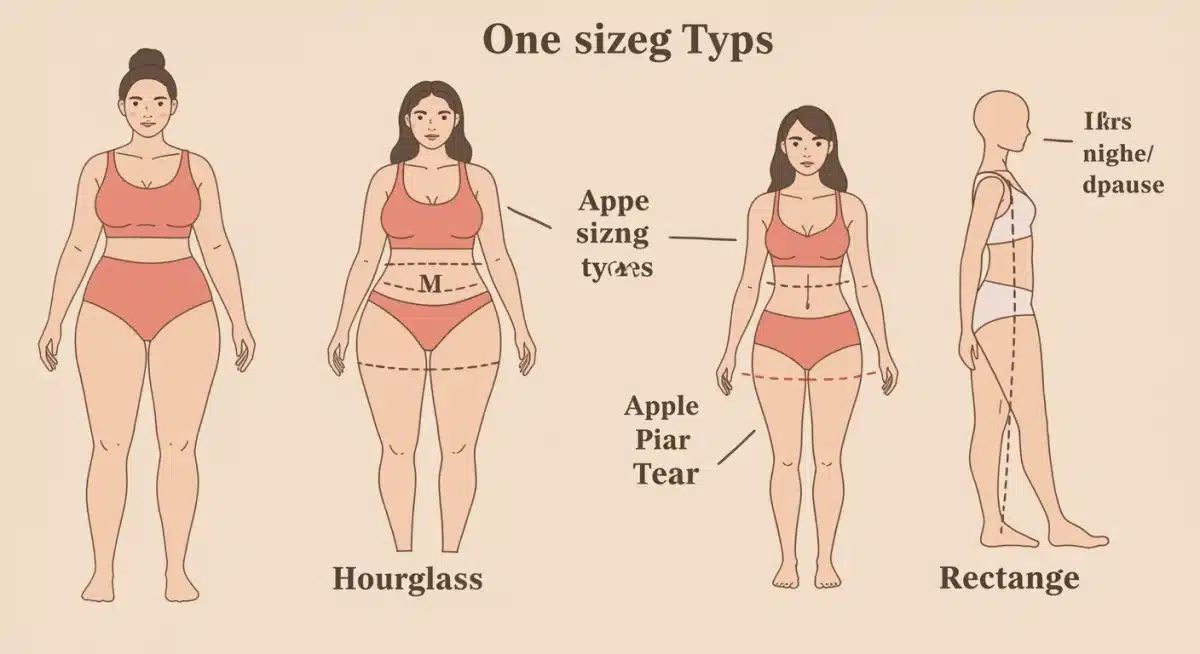
Fabric elasticity is perhaps the most obvious factor. A knit garment, especially one with a high percentage of spandex or elastane, will stretch and conform to the body much more than a woven fabric like denim or linen. This means a ‘medium’ in a stretchy fabric might feel more forgiving and accommodate a wider range of body shapes than a ‘medium’ in a rigid fabric, even if their initial flat measurements are similar.
Material Matters: Stretch vs. Structure
The drape and weight of a fabric also influence fit. A heavy, structured fabric will hold its shape more, while a lighter, flowy fabric will adapt to your body’s curves. SHEIN’s vast inventory includes items made from a myriad of materials, from crisp polyesters to soft rayons and various blends, each with its own unique properties.
- High-Stretch Fabrics: Often allow for a more flexible fit; you might even size down if you prefer a snug look. Examples include jersey knits, activewear blends.
- Low-Stretch/No-Stretch Fabrics: Require precise measurements; sizing up might be necessary for comfort. Examples include denim, linen, non-stretch cotton.
- Fabric Weight and Drape: Lighter fabrics tend to drape over the body, while heavier fabrics can add structure or bulk. Consider how you want the garment to hang.
Garment construction also contributes significantly. Seams, darts, and tailoring techniques all affect how a garment sits on the body. A well-constructed piece with thoughtful darting can create shape and accommodate curves, whereas a simpler, less tailored construction might offer a more boxy or uniform fit. Fast fashion items, in an effort to keep costs low, sometimes feature simpler construction methods that may not offer the same level of shaping as more expensive, tailored garments.
For example, a dress with an elasticized waist will fit differently than one with a fixed waistband, even if both are labeled ‘M’. The elastic provides adaptability, while the fixed waist demands very accurate measurements. Paying attention to these details in product descriptions and images can provide valuable clues about the garment’s likely fit and help manage expectations when encountering SHEIN’s varied sizing.
Future Trends: Towards More Standardized Sizing?
The ongoing challenge of inconsistent sizing, particularly highlighted by retailers like SHEIN, is not going unnoticed in the fashion industry. As e-commerce continues to dominate the retail landscape, the demand for more accurate and standardized sizing is growing. Consumers are increasingly vocal about their frustrations, and technological advancements are beginning to offer potential solutions that could revolutionize how we perceive and purchase clothing sizes.
One of the most promising trends is the adoption of virtual try-on technologies. These innovations use augmented reality (AR) and artificial intelligence (AI) to allow shoppers to ‘try on’ clothes digitally, providing a more realistic preview of how garments might fit their specific body shape. While still in nascent stages, these tools have the potential to significantly reduce sizing guesswork and returns.
Technological Innovations and Industry Initiatives
Beyond virtual try-on, other technologies are emerging to address sizing discrepancies. Body scanning technologies can create precise 3D models of individual bodies, which can then be used to recommend the perfect size across different brands. Some companies are also exploring AI-driven algorithms that analyze vast amounts of customer data, including reviews and return reasons, to offer more personalized size recommendations.
- AI-Powered Recommendations: Algorithms are being developed to learn from past purchases and returns, offering more accurate size predictions for individual users.
- 3D Body Scanners: These can capture precise body measurements, which could eventually lead to custom-fit clothing or highly accurate size recommendations across brands.
- Industry Collaboration: There’s a growing conversation among brands and industry bodies about the need for more consistent sizing standards, although widespread adoption remains a challenge.
Furthermore, some brands are moving towards a more inclusive approach to sizing, offering a wider range of sizes and providing more detailed fit descriptions. The emphasis is shifting from a single ‘standard’ to acknowledging and catering to the diversity of human body shapes. This includes detailed size guides that explain how to measure oneself and what to expect from different garment styles.
While a truly universal sizing standard for the entire global fashion industry might remain an elusive goal, the future points towards a more data-driven and personalized approach to sizing. This shift aims to empower consumers with better information and tools, ultimately making the online shopping experience, including for retailers like SHEIN, less frustrating and more reliable.
| Key Factor | Impact on SHEIN Size ‘M’ |
|---|---|
| Global Sizing Standards | Asian sizing often runs smaller than US standards, making SHEIN’s ‘M’ feel tighter. |
| Decentralized Manufacturing | Multiple suppliers lead to inconsistent patterns and measurements for the same size ‘M’. |
| Fabric & Construction | Stretch, drape, and tailoring significantly alter how a size ‘M’ garment fits different bodies. |
| Customer Reviews | Crucial for real-world fit insights, helping shoppers choose the correct size ‘M’ or adjust. |
Frequently Asked Questions About SHEIN Sizing
SHEIN’s ‘M’ often runs smaller because their primary manufacturing base is in Asia, where average body types and sizing standards differ from those in the US. Their decentralized supplier network also contributes to varied interpretations of a ‘medium’ size.
Always measure your bust, waist, and hips accurately, then compare these to the specific size chart on each product page. Reading customer reviews, especially those with similar body types, and noting their fit feedback is also highly recommended.
Yes, significantly. Stretchy fabrics will be more forgiving and adapt to your body, while rigid, non-stretch fabrics require more precise measurements. Always check the material composition as it impacts how the garment will drape and fit.
SHEIN’s size charts provide garment measurements, which are generally reliable if you measure yourself correctly. However, due to multiple suppliers, consistency can vary. Always double-check charts for individual items and cross-reference with customer reviews for real-world fit insights.
SHEIN typically offers free returns on your first item from a package, making it easier to return ill-fitting items. Always check their specific return policy for details and timelines. Utilizing their return process is part of managing online fashion purchases.
Conclusion
The disparity between why SHEIN’s size ‘M’ fits differently than standard US medium is a multifaceted issue stemming from global manufacturing practices, regional body type variations, and the decentralized nature of fast fashion production. It’s not a reflection of your body, but rather a characteristic of an industry still striving for universal sizing. By adopting a strategic approach—meticulously checking individual product size charts, delving into customer reviews, and understanding fabric properties—shoppers can significantly improve their success rate. As technology evolves, personalized sizing solutions may become more prevalent, but for now, informed consumer habits remain the best defense against sizing surprises, ensuring a more satisfying and less frustrating online shopping experience.