Spring Floral Trend: Beyond Just Flowers in Seasonal Collections
Advertisements
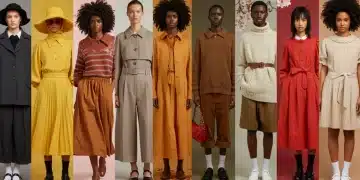
The Spring Floral Trend transcends traditional flower motifs, embracing a broader spectrum of botanical influences and abstract interpretations to create dynamic and sophisticated seasonal collections.
As the days lengthen and the world reawakens, so too does our desire for fresh aesthetics. The annual return of the Spring Seasonal Collection: The Floral Trend That’s More Than Just Flowers is upon us, and this year, it’s blossoming in ways you might not expect. Gone are the days when floral meant predictable daisies and roses; today’s interpretation is a sophisticated blend of art, nature, and innovation, inviting us to look closer and discover the nuanced beauty of the botanical world.
Advertisements
The Evolution of Floral Aesthetics
The floral motif has been a perennial favorite in design, appearing across textiles, art, and fashion for centuries. However, its modern iteration, particularly within the spring seasonal collections, signifies a significant departure from historical conventions. This evolution is driven by a desire for novelty and a deeper connection to nature, moving beyond mere representation to embrace abstract and interpretive forms.
Designers are now exploring the full spectrum of botanical inspiration, from microscopic cellular structures to expansive landscapes. This shift allows for greater creativity and offers consumers designs that feel both familiar and refreshingly new. It’s about capturing the essence of growth and renewal, rather than simply depicting a flower.
Advertisements
From Literal to Lyrical: New Interpretations
The literal depiction of flowers often carries a certain charm, but contemporary trends lean towards a more lyrical and suggestive approach. This means prints that hint at floral shapes rather than explicitly stating them, or patterns that derive from the organic flow of vines and leaves.
- Abstract botanical prints focusing on shapes and hues.
- Micro-floral patterns inspired by cellular structures.
- Deconstructed floral motifs, emphasizing individual elements.
- Artistic interpretations resembling watercolor or ink drawings.
This lyrical approach allows for a broader application across various products, from high fashion garments to home decor, ensuring the designs remain fresh and relevant throughout the season and beyond. It encourages a more thoughtful engagement with the pattern, inviting the viewer to find their own meaning within the botanical tapestry.
Technological Advancements in Print Design
The ability to create these intricate and varied floral expressions is greatly enhanced by technological advancements in print design. Digital printing, for instance, offers unparalleled precision and a limitless color palette, allowing designers to translate their most complex visions onto fabric with stunning accuracy. This technology facilitates the creation of gradients, fine details, and photo-realistic textures that were once impossible.
Furthermore, advancements in textile engineering have introduced new fabric blends that better showcase these elaborate prints. Fabrics with enhanced drape, texture, and light-reflecting properties contribute to the overall visual impact, making the floral designs truly come alive. These innovations ensure that the floral trend remains at the forefront of seasonal collections, continually reinventing itself with each passing year.
In essence, the evolution of floral aesthetics is a testament to both artistic innovation and technological progress. It reshapes how we perceive botanical beauty in design, making it a dynamic and ever-changing element of spring collections. This sustained reinvention keeps the floral trend exciting and ensures its enduring appeal, offering endless possibilities for creative expression and personal style.
Beyond the Bloom: Botanical Motifs and Their Influence
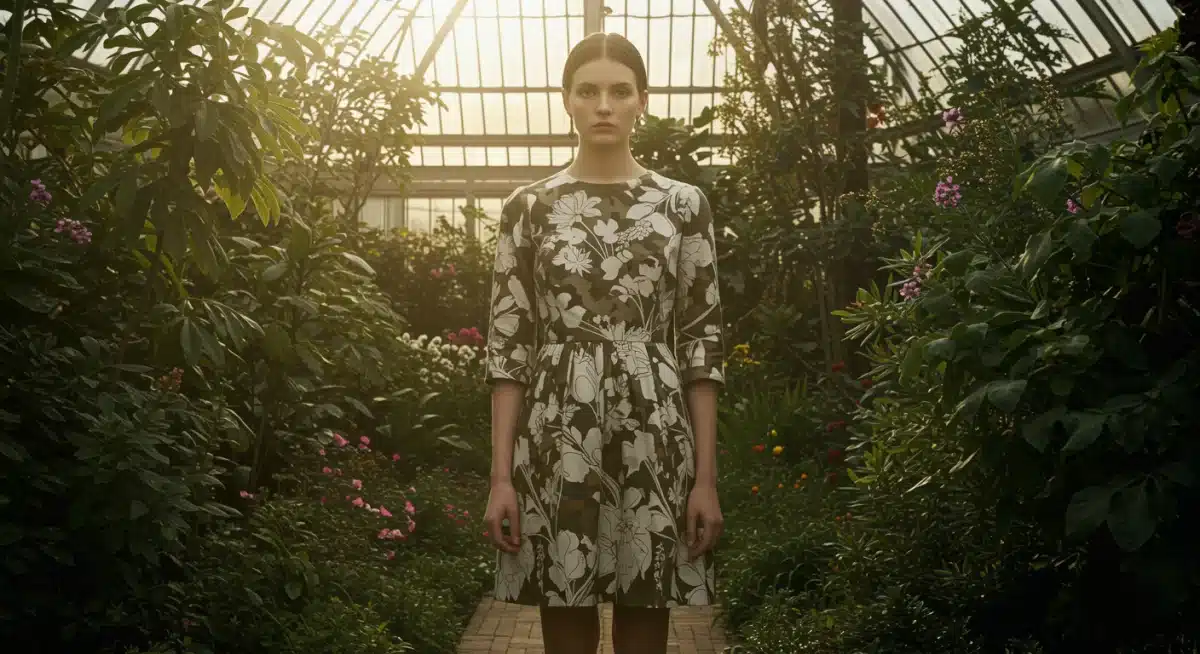
While flowers undeniably hold a central place in spring imagery, the current Spring Floral Trend extends far beyond just the bloom itself. Designers are drawing inspiration from the entire botanical world, incorporating elements like intricate leaf structures, winding vines, delicate roots, and even the subtle textures of bark and moss. This broader perspective enriches the floral narrative, offering a more comprehensive and sophisticated representation of nature’s awakening.
This expanded botanical focus allows for a deeper connection to the natural world, moving beyond the superficial beauty of a single flower to embrace the complexity and interconnectedness of ecosystems. It’s about celebrating the entire lifecycle of plants, from seed to full bloom and beyond, creating designs that tell a richer story.
Leafy Greens and Verdant Textures
The color green, in all its multitudinous shades, is becoming as prominent as the vibrant hues of blossoms. Patterns featuring lush foliage, delicate ferns, and bold tropical leaves are gaining traction, often serving as a sophisticated backdrop or even the main focus of a design. These verdant textures bring a sense of calm and natural beauty, offering a refreshing contrast to traditional floral brightness.
- Monochromatic green patterns emphasizing texture.
- Prints inspired by rainforest foliage and exotic plants.
- Subtle botanical embossing on fabrics for tactile interest.
- Integration of varied leaf shapes for dynamic compositions.
The emphasis on leafy greens also taps into a broader societal trend towards sustainability and a desire for more grounded, earthy aesthetics. These designs often evoke a sense of tranquility and connection to nature, resonating deeply with consumers seeking mindful and conscious choices in their purchases. They provide a versatile palette that can be both vibrant and subtle, depending on the context and complementary colors used.
Rooted in Design: Subterranean Inspirations
Perhaps the most unexpected yet compelling aspect of this trend is the exploration of subterranean botanical elements. Roots, mycelial networks, and even soil textures are inspiring abstract patterns and organic forms. This unconventional source of inspiration highlights the hidden beauty and foundational strength of plants, translating into designs that are both intriguing and deeply artistic.
These designs often feature earthy tones, intricate lines, and organic shapes that mimic the underground world. They add a layer of depth and intellectual curiosity to the spring collection, inviting a more contemplative appreciation of nature’s subtle wonders. The influence of these less obvious botanical elements demonstrates a sophisticated evolution in how designers approach natural themes, pushing boundaries and challenging conventional notions of beauty.
Ultimately, moving beyond just the bloom allows for a more expansive and nuanced interpretation of spring. By embracing the full spectrum of botanical motifs, designers are creating collections that are rich in detail, diverse in aesthetic, and deeply connected to the natural world in all its forms. This broader perspective ensures the floral trend remains fresh, compelling, and truly representative of nature’s complexity.
The Art of Abstraction: Reimagining Floral Patterns
The current Spring Floral Trend is heavily influenced by the art of abstraction, transforming traditional floral patterns into something new and unexpected. This approach moves away from literal depictions, instead focusing on the essence of flowers—their colors, shapes, and movements—to create designs that are both modern and timeless. Abstraction allows for a greater degree of artistic freedom, pushing the boundaries of what a floral print can be.
This reimagining often involves deconstructing floral elements, simplifying them into geometric forms, or blurring their outlines to create soft, impressionistic effects. The result is a collection of patterns that are less about botanical accuracy and more about evoking a feeling or an atmosphere. It’s a sophisticated way to incorporate nature without being overtly thematic, appealing to those who appreciate subtle beauty and contemporary design.
Geometric Florals: Structure Meets Nature
One prominent facet of abstract floral design is the integration of geometric elements. Designers are dissecting flowers into their fundamental shapes—circles, triangles, and squares—and reassembling them in structured, repetitive patterns. This fusion of organic and geometric forms creates a striking visual tension, offering a clean, contemporary take on floral prints.
- Symmetrical arrangements of stylized petals.
- Interlocking shapes forming floral mosaics.
- Bold lines delineating floral contours.
- Repetitive geometric patterns with botanical undertones.
These geometric florals are particularly popular in modern fashion and home decor, where their clean lines and structured appearance complement minimalist aesthetics. They provide a sense of order and sophistication, making floral patterns accessible to those who might find traditional, highly detailed prints overwhelming. This approach showcases the versatility of the floral motif, proving it can adapt to diverse stylistic preferences and remain relevant.
Impressionistic Blurs and Painterly Strokes
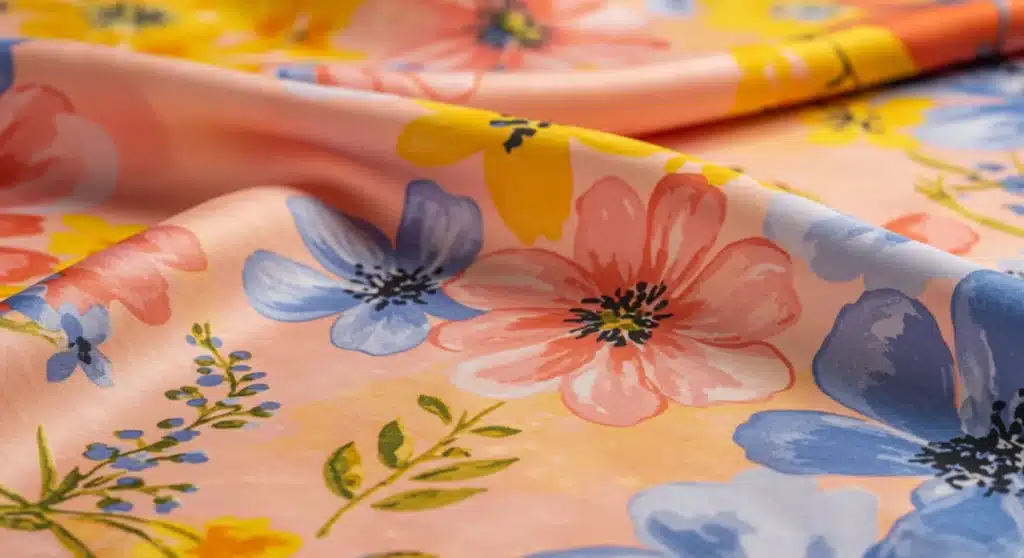
At the other end of the abstract spectrum are impressionistic and painterly floral patterns. These designs forgo sharp lines and precise details in favor of soft blurs, washes of color, and visible brushstrokes, reminiscent of a watercolor painting. The effect is often ethereal and dreamy, capturing the fleeting beauty of a flower in bloom rather than its exact form.
This style evokes a sense of romance and artistic expression, making it a favorite for flowing garments and delicate home textiles. The beauty lies in its imperfection and the way it allows colors to bleed and blend, creating unique and organic compositions. These painterly florals are about mood and emotion, transforming a simple pattern into a work of art that feels hand-touched and personal.
Through abstraction, the floral trend achieves a renewed sense of dynamism and artistic depth. It offers a fresh perspective on nature’s beauty, allowing designers to express creativity in countless ways and providing consumers with a diverse range of aesthetic choices that align with contemporary tastes. This artistic approach ensures the spring collection feels innovative and deeply engaging.
Sustainability and Ethical Sourcing in Floral Collections
As consumer awareness grows, the conversation around the Spring Floral Trend increasingly includes sustainability and ethical sourcing. Beyond aesthetic appeal, there is a rising demand for collections that reflect environmental responsibility and fair labor practices. This shift is not just a passing fad but a foundational change in how products are conceived, produced, and consumed, especially within seasonal collections.
Brands are responding by integrating eco-friendly materials, reducing waste in production, and ensuring transparency in their supply chains. This commitment to sustainability enhances the value proposition of floral designs, aligning them with the values of environmentally conscious consumers. It transforms the beauty of floral patterns into a statement of responsibility and care for the planet.
Eco-Friendly Fabrics and Dyes
The choice of materials is paramount in sustainable floral collections. Designers are prioritizing fabrics made from organic cotton, recycled polyester, Tencel, and linen, which have a lower environmental impact compared to conventional textiles. These materials often offer excellent drape and breathability, enhancing the comfort and longevity of garments.
- Organic cotton certified by GOTS (Global Organic Textile Standard).
- Recycled polyester derived from plastic bottles.
- Tencel (Lyocell) produced from sustainably sourced wood pulp.
- Natural dyes extracted from plants and minerals.
Furthermore, the use of eco-friendly dyes, which are free from harmful chemicals, is becoming standard practice. These dyes minimize water pollution and ensure that the vibrant floral colors are achieved without compromising environmental health. The combination of sustainable fabrics and dyes creates products that are not only beautiful but also kind to the planet.
Transparent Supply Chains and Fair Labor
Ethical sourcing extends to the entire supply chain, from the cultivation of raw materials to the manufacturing of finished products. Brands are working towards greater transparency, allowing consumers to trace the origin of their garments and understand the journey of each item. This includes ensuring fair wages, safe working conditions, and respectful treatment of all workers involved in the production process.
Certifications from organizations like Fair Trade and SA8000 provide assurance that products meet specific social and environmental standards. By choosing items from brands committed to these principles, consumers can support a more equitable and sustainable fashion industry. This holistic approach to sustainability ensures that the beauty of floral designs is matched by ethical practices, fostering a deeper connection between consumer values and consumption choices.
Ultimately, the integration of sustainability and ethical sourcing into spring floral collections marks a significant advancement. It demonstrates that beauty and responsibility can coexist, offering consumers products that are not only aesthetically pleasing but also align with a broader commitment to environmental stewardship and social justice. This trend is shaping the future of fashion and design, ensuring that our admiration for nature extends to protecting it.
Incorporating Spring Floral Trends into Your Wardrobe
Embracing the Spring Floral Trend doesn’t mean overhauling your entire wardrobe with head-to-toe blossoms. The beauty of this evolving trend lies in its versatility and the myriad ways it can be subtly or boldly incorporated into your personal style. From statement pieces to delicate accents, there are countless opportunities to infuse your look with the freshness and artistry of botanical inspiration.
The key is to consider your existing wardrobe and identify how new floral pieces can complement or elevate your current aesthetic. Whether you prefer vibrant prints or muted botanical textures, the spring collection offers something for everyone, allowing for personalized expressions of this timeless trend.
Statement Pieces and Everyday Accents
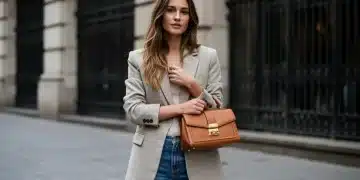
For those who love to make a bold statement, a dress or a blazer adorned with an abstract or oversized floral print can be a stunning focal point. These pieces can be paired with solid colors to let the print truly shine, creating an impactful and stylish ensemble. Look for unique color combinations and artistic interpretations that stand out from conventional floral patterns.
- Floral maxi dresses for effortless elegance.
- Blazers with botanical prints for a chic office look.
- Skirts featuring deconstructed floral motifs.
- Jumpsuits with all-over artistic botanical patterns.
If a more subtle approach is preferred, consider incorporating floral accents. A silk scarf with a delicate botanical design, a pair of embroidered shoes, or a handbag featuring a subtle leafy pattern can add a touch of spring to any outfit without being overwhelming. These smaller pieces are excellent for experimenting with the trend and can easily be mixed and matched with your existing wardrobe, providing versatility and a fresh update.
Mixing and Matching with Confidence
Don’t shy away from mixing floral prints with other patterns, such as stripes or subtle geometrics. The trick is to find common colors or complementary tones that tie the different patterns together, creating a cohesive yet dynamic look. For instance, a floral top with a striped skirt can work beautifully if both pieces share a similar background color or a dominant hue.
Another effective strategy is to balance busy floral prints with solid, neutral pieces. A vibrant floral blouse paired with tailored black trousers or a denim skirt creates a balanced and stylish outfit. This approach allows the floral element to be the star while maintaining a sophisticated and put-together appearance. Experimentation is encouraged, as personal style is often found in unexpected combinations.
Ultimately, incorporating spring floral trends into your wardrobe is about expressing joy and rejuvenation. Whether through bold statements or subtle accents, the evolving floral aesthetic offers endless possibilities to refresh your style and celebrate the beauty of the season. Embrace the versatility of botanical inspiration and let your personal style bloom.
Home Decor: Bringing the Outside In with Botanical Themes
The influence of the Spring Floral Trend extends seamlessly from fashion to home decor, transforming living spaces into serene and vibrant sanctuaries. Bringing botanical themes indoors is about more than just placing a vase of fresh flowers; it involves integrating textures, patterns, and colors inspired by nature to create an atmosphere of tranquility and freshness. This trend offers a refreshing way to connect with the natural world, even within urban environments.
Modern botanical decor embraces a wide range of interpretations, from subtle leafy motifs on textiles to bold, artistic wallpapers. The goal is to create spaces that feel alive, inviting, and deeply connected to the renewing energy of spring. It’s about crafting an environment that fosters well-being and reflects a love for the organic beauty found in nature.
Textiles and Upholstery: Softening Spaces
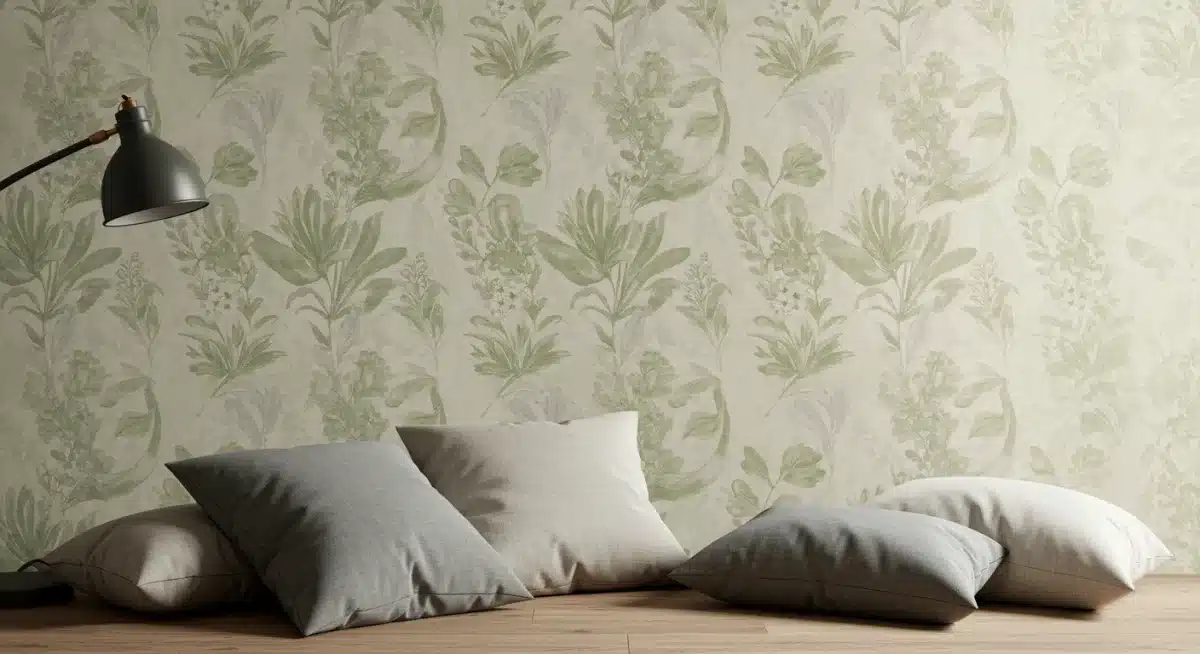
One of the easiest ways to introduce botanical themes into your home is through textiles. Throw pillows, blankets, and curtains adorned with floral or leafy patterns can instantly refresh a room. Opt for prints that feature abstract florals, delicate vine motifs, or lush green foliage to bring a sophisticated touch of nature indoors. Fabrics made from natural fibers like linen and cotton enhance the organic feel.
- Botanical print throw pillows for sofas and armchairs.
- Curtains with subtle leaf patterns to filter light.
- Upholstered furniture featuring elegant floral jacquards.
- Table linens with embroidered botanical details.
Upholstery choices can also play a significant role. A chair or ottoman covered in a fabric with a muted botanical print can serve as an elegant accent piece, adding visual interest without overpowering the room. These textile choices soften the overall aesthetic of a space, creating a cozy and inviting atmosphere where one can relax and unwind amidst nature-inspired beauty.
Walls and Art: Creating a Botanical Backdrop
For a more impactful statement, consider botanical-themed wallpaper or wall art. Modern wallpapers offer a vast array of designs, from large-scale abstract florals to intricate patterns of ferns and leaves. A feature wall adorned with such a design can transform a room, creating a striking backdrop that celebrates the beauty of the natural world.
Alternatively, botanical art prints, framed photographs of plants, or even pressed flower arrangements can add a touch of natural elegance to your walls. These elements allow you to introduce specific botanical species or artistic interpretations that resonate with your personal style. The careful selection of wall decor can reinforce the overall theme, making your home feel like a curated botanical haven.
Ultimately, incorporating spring floral trends into home decor is about creating a harmonious and refreshing living environment. By thoughtfully integrating botanical textiles, upholstery, and wall art, you can transform your home into a space that reflects the rejuvenating spirit of spring, fostering a sense of peace and connection to nature. This approach ensures your home feels both stylish and deeply comforting.
Future Forward: The Enduring Appeal of Botanical Inspiration
The Spring Floral Trend, in its current multifaceted form, is not merely a fleeting seasonal phenomenon but a clear indicator of the enduring appeal of botanical inspiration. As we look to the future, this trend is poised to continue its evolution, driven by a deeper appreciation for nature, advancements in design technology, and a growing global consciousness around sustainability. Its inherent versatility ensures its relevance across various industries and consumer preferences.
The shift from literal floral depictions to more abstract, conceptual, and environmentally conscious interpretations signifies a mature understanding of design and its connection to broader cultural narratives. This forward-looking approach ensures that botanical themes will remain a cornerstone of seasonal collections, continually reinventing themselves to captivate new audiences and reflect contemporary values.
Innovation in Materials and Techniques
The future of botanical design will undoubtedly see further innovations in materials and production techniques. Expect to see more bio-fabricated textiles, where materials are grown from organic matter or engineered to mimic natural structures, offering unprecedented sustainability and unique textures. Advances in 3D printing and laser cutting will also allow for intricate, multi-dimensional floral and botanical designs that transcend traditional flat prints.
- Bio-fabricated textiles with plant-based origins.
- Smart textiles integrating botanical patterns with interactive elements.
- Augmented reality applications for virtual try-on of botanical prints.
- Zero-waste pattern cutting techniques inspired by organic forms.
These technological leaps will not only enhance the aesthetic possibilities but also reinforce the sustainable aspect of botanical collections. Imagine garments and home goods that are not only beautiful but also fully biodegradable or even capable of changing patterns based on environmental cues. Such innovations will blur the lines between nature, technology, and design, creating truly immersive and responsible products.
Personalization and Experiential Design
The future will also emphasize personalization within botanical themes. Consumers will likely have more opportunities to customize floral patterns, selecting specific elements, color palettes, and scales to create unique designs that perfectly reflect their individual tastes and stories. This move towards bespoke botanical creations will deepen the emotional connection consumers have with their purchases.
Furthermore, experiential design will play a crucial role, with botanical collections offering more than just visual appeal. Think about clothing embedded with natural scents, or home decor that subtly changes color to mimic natural light cycles. These sensory experiences will elevate the botanical trend from mere aesthetics to a holistic engagement with nature, making it an even more integral part of our daily lives. The enduring appeal of botanical inspiration lies in its infinite capacity for renewal and its deep resonance with the human spirit’s connection to the natural world.
In conclusion, the enduring appeal of botanical inspiration is rooted in its ability to constantly evolve and adapt. By embracing innovation, sustainability, and personalization, the floral trend will continue to flourish, offering fresh and meaningful ways to connect with nature in our modern lives. This forward-looking perspective ensures its longevity and continued relevance across all facets of design.
| Key Aspect | Brief Description |
|---|---|
| Evolving Floral Aesthetics | Floral designs moving from literal to abstract, embracing artistic interpretations and technological advancements. |
| Beyond the Bloom | Inspiration now includes entire botanical world: leaves, vines, roots, and textures, not just flowers. |
| Sustainability Focus | Emphasis on eco-friendly materials, dyes, and transparent, ethical supply chains in collections. |
| Versatile Integration | Easy to incorporate into wardrobe or home decor, from bold statements to subtle accents, mixing patterns. |
Frequently Asked Questions About Spring Floral Trends
The modern spring floral trend encompasses a broader botanical scope, integrating abstract shapes, leafy greens, root-inspired patterns, and artistic interpretations. It moves past literal flower depictions to evoke the essence of nature’s awakening through diverse organic forms and sophisticated designs, making it more versatile and contemporary.
Designers are focusing on eco-friendly materials like organic cotton and recycled polyester, utilizing natural dyes, and ensuring transparent, ethical supply chains. This commitment aims to reduce environmental impact and promote fair labor, aligning the beauty of floral designs with responsible production practices for conscious consumers.
Yes, mixing floral patterns is encouraged! The key is to find common colors or complementary tones between the patterns to create a cohesive look. Balancing busy florals with solid, neutral pieces also ensures a sophisticated and well-put-together outfit. Experimentation allows for unique personal style expressions.
Botanical themes can be integrated through textiles like throw pillows and curtains with leafy or abstract floral prints. Wallpapers featuring large-scale botanicals or framed art prints also create a serene atmosphere. Focus on natural fibers and muted color palettes for a sophisticated, nature-inspired indoor sanctuary.
Future botanical design will likely feature bio-fabricated textiles, advanced 3D printing for intricate details, and increased personalization options. Expect smart textiles with interactive elements and experiential designs that engage multiple senses, further blurring the lines between nature, technology, and aesthetic appeal for deeper connection.
Conclusion
The Spring Seasonal Collection: The Floral Trend That’s More Than Just Flowers has unequivocally blossomed into a sophisticated and multifaceted aesthetic. It represents a profound evolution, moving beyond simplistic depictions to embrace the entire botanical world, from abstract forms to subterranean inspirations. This shift is not merely about visual appeal; it is deeply intertwined with a growing consciousness around sustainability, ethical production, and the desire for authentic connection to nature. As designers continue to innovate with materials and techniques, and consumers increasingly seek personalized, meaningful experiences, the botanical trend promises to remain a vibrant and enduring force in fashion, home decor, and beyond. It invites us to look closer, appreciate the intricate beauty of our natural world, and integrate its renewing energy into our daily lives with style and purpose.