Advertisements
The integration of sustainable fabrics into seasonal fashion collections faces significant hurdles, including scalability and cost, despite growing consumer demand and innovative material advancements.
Have you ever wondered about the truth about sustainable fabrics in seasonal fashion collections? As the fashion industry grapples with its environmental footprint, the promise of eco-friendly materials often takes center stage. But what does sustainability truly mean in the fast-paced world of seasonal trends, and are these fabrics genuinely making a difference?
Advertisements
Understanding Sustainable Fabrics: More Than Just a Buzzword
The term ‘sustainable fabrics’ has become prevalent in fashion discourse, often used interchangeably with ‘eco-friendly’ or ‘green.’ However, understanding what truly defines a sustainable fabric involves a deeper dive into its lifecycle, from raw material sourcing to manufacturing processes and end-of-life disposal. It’s a complex picture that extends far beyond a simple label.
Many fabrics lauded as sustainable boast impressive credentials, such as reduced water usage, lower carbon emissions, or biodegradability. Yet, the journey from fiber to finished garment can introduce unforeseen environmental impacts. For instance, while organic cotton avoids harmful pesticides, its cultivation can still be water-intensive, depending on regional practices. Similarly, recycled materials save resources but may still require chemical treatments or significant energy input during their transformation.
Advertisements
Defining True Sustainability in Textiles
True sustainability in textiles encompasses several critical factors, aiming to minimize environmental harm and promote social equity throughout the supply chain. It’s not just about the material itself, but the entire ecosystem surrounding its production and consumption.
- Resource Efficiency: How much water, energy, and land are used in production?
- Chemical Management: Are harmful chemicals avoided or safely managed at every stage?
- Social Responsibility: Are workers paid fair wages and provided safe working conditions?
- Biodegradability/Recyclability: What happens to the fabric at the end of its life?
Ultimately, a holistic view is essential. A fabric might be considered sustainable if it significantly reduces environmental impact in one area, even if it presents minor challenges in another. The goal is continuous improvement and transparency across the board.
In essence, defining sustainable fabrics requires a comprehensive evaluation of their environmental and social implications. It moves beyond marketing claims to a scientific and ethical assessment, ensuring that the chosen materials genuinely contribute to a more responsible fashion industry. This nuanced understanding is vital for consumers and brands alike.
The Challenge of Integrating Eco-Friendly Materials into Seasonal Collections
Integrating eco-friendly materials into seasonal fashion collections presents a unique set of challenges that often conflict with the industry’s traditional fast-paced model. The demand for new designs every few months, coupled with the complexities of sustainable sourcing, creates a delicate balance for brands to navigate.
One primary hurdle lies in the availability and scalability of sustainable fabrics. While innovations are constantly emerging, the infrastructure to produce these materials at the volume required for large-scale seasonal collections is still developing. Many sustainable options are produced by smaller mills or require specialized processing, making them harder to integrate into mass production schedules.
Supply Chain Complexities and Cost Implications
The supply chain for sustainable fabrics is often more intricate and less consolidated than that for conventional materials. This can lead to higher costs and longer lead times, directly impacting pricing and delivery for seasonal lines. Brands must weigh the environmental benefits against economic viability and consumer expectations.
- Limited Suppliers: Fewer global suppliers for specialized sustainable materials.
- Higher Production Costs: Often due to innovative processes or smaller batch sizes.
- Certification Requirements: Additional costs for verifying sustainability claims.
- Logistical Challenges: Sourcing from diverse, often smaller, global locations.
Moreover, the aesthetic and performance qualities of some sustainable fabrics may not always align with seasonal design trends. Designers might find limitations in terms of drape, color vibrancy, or durability, requiring creative solutions to maintain both sustainability and market appeal. Balancing these factors is crucial for successful integration.
Despite these challenges, many brands are committed to making progress. They are investing in research, forming partnerships with innovative textile producers, and educating their design teams on the potential of new materials. The journey is complex, but the imperative for change is driving significant shifts within the industry.
Innovations in Sustainable Fibers: What’s New and Noteworthy?
The landscape of sustainable fibers is rapidly evolving, with researchers and innovators continually developing new materials and improving existing ones. These advancements are crucial for overcoming the limitations of traditional textiles and offering viable alternatives for seasonal fashion collections. From bio-based synthetics to regenerated cellulosics, the options are becoming more diverse and sophisticated.
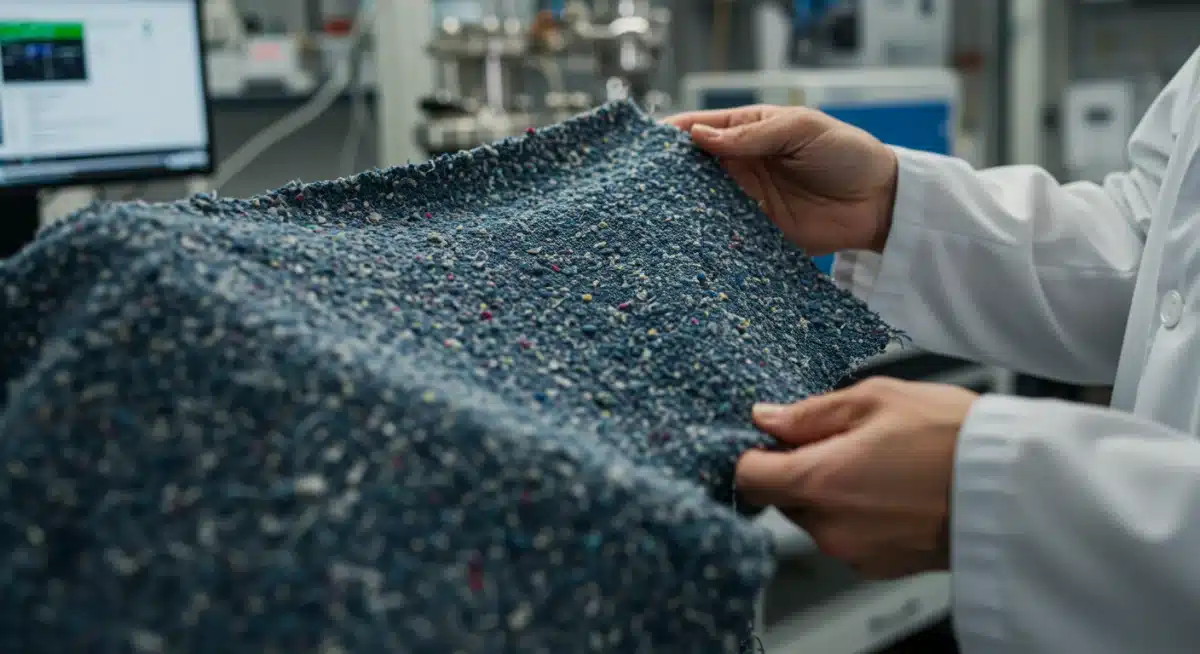
One of the most exciting areas of innovation is in circular textiles, which aim to keep materials in use for as long as possible, reducing waste. This includes technologies for recycling post-consumer garments into new fibers, minimizing the need for virgin resources. Such closed-loop systems are a game-changer for reducing the fashion industry’s environmental footprint.
Breakthrough Materials Transforming Fashion
Several cutting-edge materials are gaining traction, promising a more sustainable future for fashion. These innovations address various environmental concerns, from water scarcity to plastic pollution.
- Piñatex: Made from pineapple leaf fibers, offering a vegan leather alternative.
- Mylo: A mushroom-based leather substitute, grown sustainably in labs.
- Tencel Lyocell/Modal: Derived from sustainably managed wood sources, using a closed-loop production process.
- Recycled Polyester (rPET): Made from plastic bottles, reducing plastic waste and energy consumption.
- Hemp and Linen: Ancient fibers experiencing a resurgence due to their low environmental impact and durability.
Beyond new materials, there’s also a significant focus on improving the sustainability of conventional fibers. For example, advancements in dyeing technologies are reducing water and chemical usage, while new agricultural practices are making cotton cultivation more eco-friendly. These incremental improvements contribute significantly to the overall sustainability goals of the industry.
These innovations are not just theoretical; they are increasingly being adopted by forward-thinking brands for their seasonal collections. While challenges remain in terms of scale and cost, the continuous development of these materials signals a promising future for truly sustainable fashion.
Consumer Demand and Market Impact on Sustainable Choices
Consumer demand plays a pivotal role in driving the adoption of sustainable fabrics within seasonal fashion collections. As environmental awareness grows, more consumers are actively seeking out brands and products that align with their values. This shift in purchasing behavior is compelling fashion companies to integrate eco-friendly practices and materials into their core strategies.
Market research consistently shows a rising preference for sustainable options, particularly among younger demographics. Consumers are becoming more educated about the environmental and social costs of fast fashion and are willing to pay a premium for ethically produced and environmentally responsible garments. This growing segment of conscious consumers provides a strong incentive for brands to invest in sustainable solutions.
The Influence of Transparency and Certification
Transparency has emerged as a key factor in consumer trust and purchasing decisions. Brands that are open about their supply chains, material sourcing, and production processes tend to resonate more with environmentally conscious buyers. Third-party certifications also play a crucial role in validating sustainability claims and helping consumers make informed choices.
- Global Organic Textile Standard (GOTS): Certifies organic status of textiles.
- OEKO-TEX Standard 100: Ensures textiles are free from harmful substances.
- Fair Trade Certified: Guarantees fair wages and working conditions.
- Bluesign: Focuses on sustainable production processes and chemical management.
The market impact extends beyond individual purchasing decisions. The collective demand for sustainable fashion is encouraging greater investment in textile innovation and infrastructure for eco-friendly materials. It’s also pushing regulatory bodies to consider stricter environmental standards for the industry, potentially leveling the playing field for sustainable practices.
Ultimately, the power of the consumer cannot be underestimated. By choosing sustainable options, consumers are not only making personal statements but also sending clear signals to the fashion industry about the future they want to see. This demand is a powerful catalyst for change, driving brands towards more responsible and sustainable seasonal collections.
The Role of Brands and Designers in Promoting Sustainable Fabrics
Brands and designers are at the forefront of the movement towards sustainable fashion, holding significant power to influence both supply chains and consumer perceptions. Their decisions regarding material sourcing, production methods, and marketing strategies directly impact the widespread adoption of sustainable fabrics in seasonal collections.
Many pioneering brands are actively investing in research and development to discover and implement novel eco-friendly materials. They are forming partnerships with textile innovators, collaborating on pilot projects, and committing to ambitious sustainability targets. This proactive approach helps to overcome initial barriers and demonstrates a genuine commitment to environmental responsibility.

Strategies for Sustainable Integration
Designers, in particular, play a crucial role by integrating sustainable fabrics seamlessly into their creative processes. This involves not only selecting eco-friendly materials but also designing garments for longevity, versatility, and eventual recyclability. Their artistic vision can transform sustainable fashion from a niche market into a mainstream aesthetic.
- Transparent Sourcing: Prioritizing suppliers with ethical and environmental certifications.
- Circular Design Principles: Designing products for durability, repair, and recycling.
- Educating Consumers: Communicating the benefits and stories behind sustainable fabrics.
- Investing in Innovation: Supporting the development and scaling of new eco-materials.
Beyond material choices, brands are also exploring sustainable business models, such as rental services, repair programs, and take-back initiatives, to extend the life cycle of their products. These initiatives contribute to a more circular economy and reduce the overall environmental impact of seasonal fashion. Their influence extends to educating consumers about the value and benefits of sustainable fabrics, helping to shift perceptions and build trust.
The collective efforts of brands and designers are essential for normalizing sustainable practices and making eco-friendly materials a standard rather than an exception. Their leadership and commitment are vital for reshaping the industry towards a more responsible and environmentally conscious future.
Looking Ahead: The Future of Sustainable Fabrics in Fashion
The future of sustainable fabrics in seasonal fashion collections is bright, albeit with continued challenges. The momentum towards greater environmental responsibility is undeniable, driven by technological innovations, increasing consumer awareness, and the proactive efforts of brands and designers. We can expect to see even more sophisticated materials and circular systems emerge, transforming how clothes are made and consumed.
One key trend is the accelerating development of bio-fabricated materials, which are grown from microorganisms like bacteria, yeast, or algae. These materials have the potential to significantly reduce the need for traditional agricultural land, water, and harmful chemicals. Cultivated leathers and silks are just the beginning of what promises to be a revolutionary shift in textile production.
Circular Economy and Digitalization as Catalysts
The principles of the circular economy will become even more central, focusing on designing out waste and pollution, keeping products and materials in use, and regenerating natural systems. This means greater emphasis on designing for disassembly, repairability, and high-quality recycling. Digitalization will also play a crucial role, from transparent supply chain tracking using blockchain to AI-driven design tools that optimize material usage.
- Advanced Recycling Technologies: Chemical and mechanical recycling for mixed fibers.
- Bio-Based Textiles: Further development of materials from plant waste, algae, and microbes.
- On-Demand Manufacturing: Reducing overproduction and waste through efficient production.
- Digital Product Passports: Providing comprehensive information on a garment’s lifecycle.
Furthermore, collaboration across the industry will be paramount. From farmers and material scientists to designers and retailers, a collective effort is needed to build a truly sustainable fashion ecosystem. Policy and regulatory frameworks will also evolve to support these shifts, creating a more level playing field for sustainable practices.
While the transition won’t be without obstacles, the trajectory is clear: sustainable fabrics will increasingly become the norm rather than the exception in seasonal fashion. The ongoing innovation and commitment from all stakeholders promise a future where fashion is as kind to the planet as it is stylish.
| Key Point | Brief Description |
|---|---|
| Defining Sustainability | Holistic view of a fabric’s lifecycle, from sourcing to disposal, including environmental and social impact. |
| Seasonal Integration Challenges | Scalability, higher costs, complex supply chains, and matching material aesthetics to trends. |
| Fiber Innovations | Emergence of bio-based, recycled, and regenerated materials like Piñatex, Mylo, and Tencel. |
| Consumer Influence | Growing demand for transparency and certified sustainable products drives market shifts and brand adoption. |
Frequently Asked Questions About Sustainable Fabrics
A truly sustainable fabric considers its entire lifecycle, from raw material sourcing and manufacturing impact to its end-of-life disposal. Factors like resource efficiency, responsible chemical use, fair labor practices, and biodegradability/recyclability all contribute to its sustainability profile. It’s a holistic assessment, not just one characteristic.
Often, yes, sustainable fabrics can be more expensive due to innovative production processes, smaller scale manufacturing, and the costs associated with certifications and ethical sourcing. However, as demand grows and technologies advance, costs are gradually decreasing, making them more accessible to a wider market over time.
Seasonal collections often demand quick turnarounds and large volumes, which can challenge the integration of sustainable fabrics due to their sometimes limited scalability and longer lead times. Designers also face the task of aligning eco-friendly materials with current aesthetic trends and performance requirements for each season.
Exciting innovations include bio-based materials like Piñatex (pineapple leaves) and Mylo (mushroom leather), as well as advanced recycled fibers from post-consumer waste. Technologies for closed-loop recycling processes and bio-fabricated textiles grown from microbes are also rapidly developing, promising a less resource-intensive future.
Absolutely. Consumer demand is a powerful driver of change. By actively seeking out and purchasing garments made from sustainable fabrics, consumers signal to brands the importance of ethical and environmental responsibility. This collective action encourages brands to invest more in sustainable practices and materials, accelerating the industry’s transition.
Conclusion
The journey towards a fully sustainable fashion industry, particularly concerning seasonal collections, is complex but undeniably progressing. While challenges in scalability, cost, and design integration persist, the relentless innovation in sustainable fabrics and the growing demand from conscious consumers are reshaping the landscape. Brands and designers are increasingly embracing their role as catalysts for change, investing in transparent supply chains and circular design principles. The truth about sustainable fabrics in seasonal fashion is that it’s a dynamic, evolving field, marked by continuous improvement and a collective commitment to reducing environmental impact. As new technologies emerge and collaboration strengthens across the industry, the vision of truly eco-friendly and ethically produced seasonal fashion collections moves closer to reality, promising a future where style and sustainability coexist harmoniously.