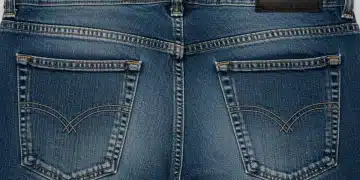
Why Tailoring Inexpensive Clothes Makes Them Look Expensive
Advertisements
Tailoring inexpensive clothes dramatically enhances their appearance, making them look significantly more expensive by ensuring a perfect fit that flatters your body and elevates overall garment quality.
Have you ever wondered how some people manage to look impeccably dressed, even in seemingly simple outfits? The secret often lies in the fit. Understanding why tailoring inexpensive clothes makes them look expensive is a game-changer for anyone aspiring to elevate their style without a hefty price tag.
Advertisements
The Unseen Power of a Perfect Fit
The foundation of looking polished and well put-together, regardless of the garment’s original price, is undoubtedly the fit. A garment that drapes correctly, accentuating your best features and concealing any areas you’d prefer to minimize, instantly elevates its perceived value. This isn’t just about vanity; it’s about the fundamental principles of design and proportion.
Advertisements
Mass-produced clothing is designed to fit a generalized body type, often resulting in pieces that are too long, too wide, or simply don’t sit right on an individual’s unique frame. This generic sizing is a primary reason why even decent quality fabrics can look lackluster and cheap.
Understanding Standard Sizing Limitations
Standard sizing charts are a necessary evil in the fashion industry. They allow for efficient production but rarely cater to the nuances of the human body. This means:
- Waistbands might gape on an hourglass figure.
- Sleeves could be too long for someone with shorter arms.
- Shoulder seams might extend past the natural shoulder line, creating a sloppy silhouette.
These seemingly minor discrepancies accumulate, broadcasting an image of carelessness rather than intentional style. A garment that doesn’t fit properly distracts from the wearer, drawing attention to the clothing’s flaws instead of the individual’s presence. The eye is naturally drawn to lines and proportions, and when these are off, the entire outfit suffers.
How Tailoring Transforms Basic Silhouettes
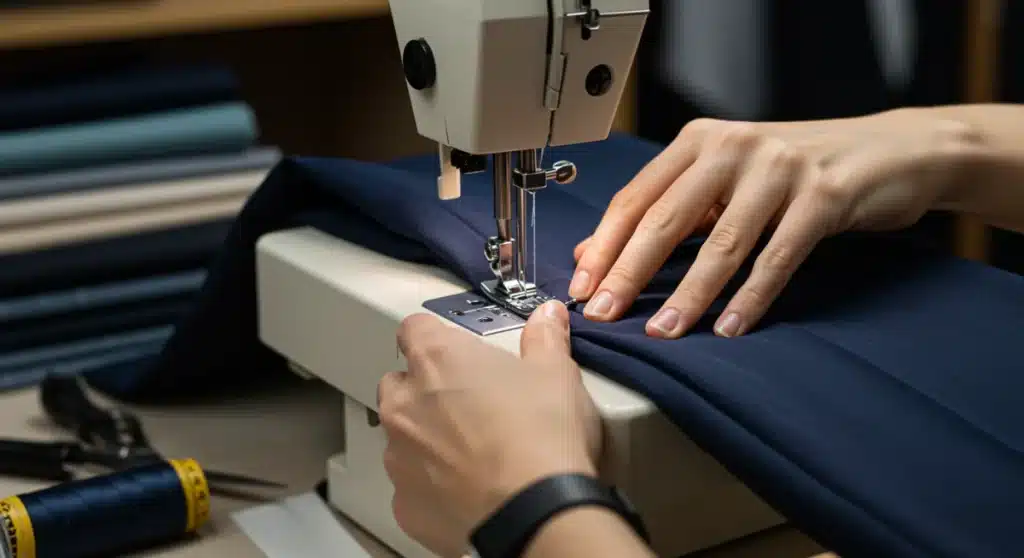
Tailoring intervenes where mass production falls short. It’s the art of refining a garment to complement the wearer’s specific measurements. This process can involve simple adjustments like hemming pants or taking in a waist, or more complex alterations such as reshaping a jacket’s shoulders. The result is a piece that appears custom-made, creating an illusion of luxury that belies its original cost.
Consider a simple pair of trousers. If they’re too long, they bunch at the ankles, looking disheveled. Hemming them to the perfect length creates a clean, streamlined look. This small change makes a significant difference in how the garment is perceived, making it look more expensive and intentional. The investment in tailoring, though an additional cost, often pays dividends in the form of enhanced style and longevity of the garment.
Ultimately, a perfect fit communicates attention to detail and a sophisticated understanding of personal presentation. It’s the silent language of elegance that elevates inexpensive items to a higher sartorial plane.
Strategic Alterations: Where to Focus Your Efforts
When considering why tailoring inexpensive clothes makes them look expensive, it’s crucial to identify which alterations yield the most significant impact for your investment. Not every piece needs a complete overhaul, but certain strategic adjustments can dramatically improve the overall aesthetic of a garment.
Focusing on key areas can transform a generic item into a custom-looking piece. These areas often involve the parts of the clothing that frame your body or dictate the overall silhouette. Understanding where to direct your tailoring budget is as important as the tailoring itself.
Prioritizing Key Garment Areas
The most impactful alterations generally involve the length, width, and shoulder fit of a garment. These elements are highly visible and dictate how a piece drapes on your body. For instance, correctly hemmed trousers or skirts prevent drag and create a polished line, instantly improving the perception of quality.
- Hemming Pants and Skirts: This is perhaps the most common and impactful alteration. Pants that pool at the ankles or skirts that hit at an awkward length can make an entire outfit look sloppy. A precise hem creates a clean line and a more refined silhouette.
- Sleeve Length: For jackets, shirts, and blouses, sleeve length is critical. Sleeves that are too long can make you look swallowed by your clothes, while sleeves that are too short can appear ill-fitting. A tailor can adjust these to the perfect length for your arms.
- Waist Adjustments: Trousers, skirts, and dresses often benefit from waist adjustments. A gaping waistband or a waist that’s too tight is uncomfortable and unflattering. Taking in or letting out the waist ensures a smooth, comfortable fit around your midsection.
The Impact of Shoulder Fit on Jackets and Coats
For structured garments like blazers, jackets, and coats, the shoulder fit is paramount. It’s one of the most difficult alterations to make, and therefore, it’s often advisable to buy these items with a good shoulder fit from the outset. However, if minor adjustments are needed, a skilled tailor can work wonders.
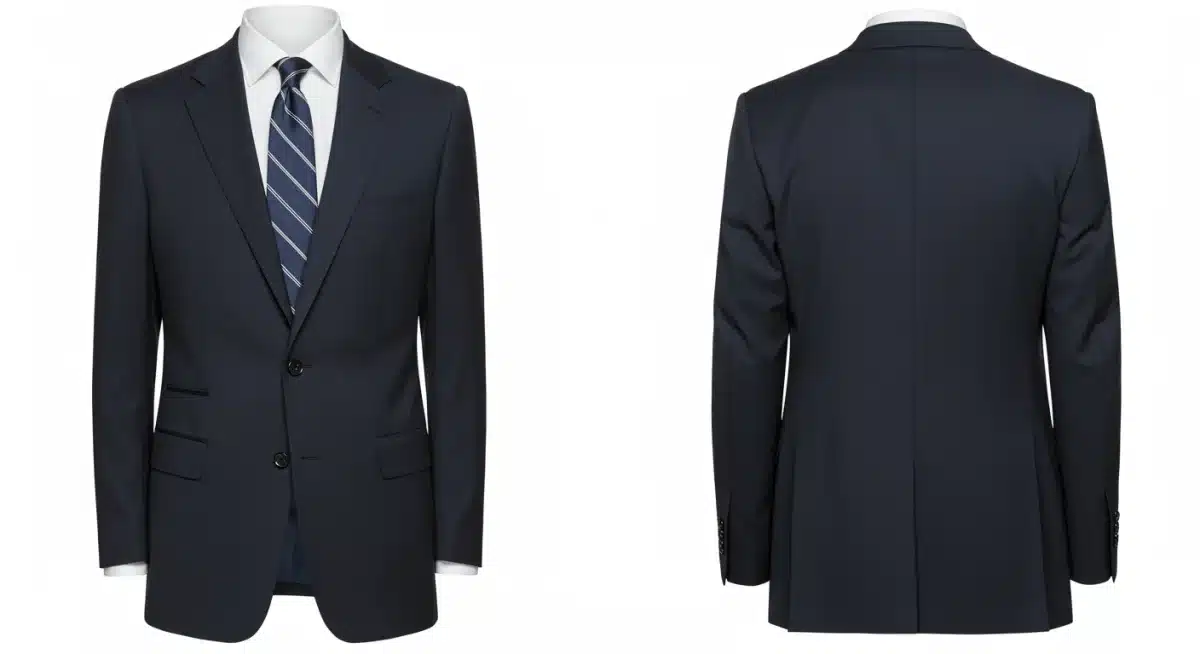
Shoulder seams that sit perfectly at the edge of your natural shoulder create a sharp, authoritative silhouette. If the shoulders are too wide, the garment will look oversized and sloppy. If they’re too narrow, it can restrict movement and appear strained. A well-fitting shoulder line is a hallmark of high-quality tailoring and can make an inexpensive blazer look like a designer piece.
Investing in these strategic alterations ensures that your clothes not only fit better but also project an image of thoughtful dressing and elevated style. These small changes collectively contribute to the perception of a much more expensive wardrobe.
Beyond the Seams: Fabric and Finish Considerations
While a perfect fit is the primary reason why tailoring inexpensive clothes makes them look expensive, the perceived quality of a garment also hinges on its fabric and finish. Even with impeccable alterations, certain fabric choices or construction details can betray an item’s low price point. However, tailoring can also subtly improve how a fabric drapes and behaves, enhancing its overall appearance.
Understanding the interplay between fit, fabric, and finishing touches allows for a more holistic approach to elevating your wardrobe. It’s about making strategic choices that maximize visual impact.
Choosing Fabrics That Mimic Luxury
When purchasing inexpensive clothing with the intention to tailor, look for fabrics that tend to hold their shape well and have a smooth, even texture. Natural fibers or high-quality blends often look more expensive than cheap synthetics. Fabrics like cotton, linen, rayon, or modal, when well-maintained, can mimic the look of more luxurious materials.
Avoid fabrics that are prone to wrinkling excessively, pilling quickly, or have a visible sheen that looks artificial. Even the best tailoring can’t completely overcome a fabric that inherently looks cheap. However, tailoring can ensure that the fabric drapes smoothly, reducing bulk and creating cleaner lines, which in turn makes the fabric appear more refined.
The Role of Finishing Touches and Details
Beyond the primary alterations, small finishing touches can significantly contribute to the perception of quality. A tailor can address minor flaws in construction that are common in inexpensive garments. These might include:
- Loose Threads: Trimming all loose threads makes a garment look much more finished and cared for.
- Cheap Buttons: Replacing plastic buttons with higher-quality alternatives made of mother-of-pearl, horn, or metal can instantly elevate a coat or shirt.
- Lining Adjustments: Sometimes, the lining of an inexpensive jacket or dress might be ill-fitting or poorly sewn. A tailor can adjust or improve the lining for a smoother interior and better drape.
- Reinforcing Seams: For garments you want to last, a tailor can reinforce weak seams, extending the life of the item and improving its overall structural integrity.
These details, though seemingly minor, contribute to the overall impression of a garment’s quality. When combined with a perfect fit, they create a cohesive and luxurious aesthetic that effectively disguises the item’s modest price tag. It’s the culmination of these small, deliberate choices that makes a significant difference.
The Economic and Environmental Benefits of Tailoring
The decision to tailor inexpensive clothing extends beyond mere aesthetics; it also offers substantial economic and environmental advantages. In an era of fast fashion and disposable clothing, embracing alterations is a sustainable choice that promotes mindful consumption and long-term value. This is yet another compelling reason why tailoring inexpensive clothes makes them look expensive, as it speaks to a more considered approach to fashion.
By investing in the longevity and fit of your garments, you’re not only enhancing your personal style but also contributing to a more sustainable fashion ecosystem.
Saving Money in the Long Run
While there’s an initial cost associated with tailoring, it often proves to be a more economical choice than constantly buying new clothes. Instead of replacing ill-fitting or slightly damaged items, you can restore them to a wearable, even desirable, state. This approach:
- Reduces Frequent Purchases: You’ll need to buy fewer new items if your existing wardrobe is well-maintained and perfectly fitted.
- Extends Garment Life: Tailoring can fix minor damages or reinforce weak points, significantly extending the lifespan of your clothes.
- Maximizes Wardrobe Versatility: Well-fitting garments are more comfortable and flattering, making you more likely to wear them, thus maximizing your wardrobe’s utility.
Consider the cost per wear. An inexpensive shirt that you love and wear frequently because it fits perfectly, thanks to tailoring, offers a much better value than a more expensive shirt that sits unworn because it’s uncomfortable or ill-fitting.
A Sustainable Approach to Fashion
Fast fashion has a significant environmental footprint, from excessive water usage in production to landfill waste. Choosing to tailor and repair clothes is a tangible step towards a more sustainable wardrobe. It aligns with the principles of circular fashion by:
Reducing textile waste: Fewer clothes are discarded if they can be repaired or refitted to remain relevant and stylish.
Decreasing demand for new production: By extending the life of existing garments, the pressure on manufacturers to produce new items is lessened.
Promoting local businesses: Supporting local tailors and alteration shops helps small businesses thrive within your community.
Embracing tailoring is a conscious decision to value quality over quantity, investing in pieces that serve you well for years to come. This mindful approach not only benefits your wallet and the planet but also imbues your clothing with a story and a sense of permanence, attributes often associated with expensive, bespoke fashion.
Building a Relationship with Your Tailor
A key aspect of understanding why tailoring inexpensive clothes makes them look expensive lies in establishing a good relationship with a skilled tailor. This professional connection can transform your approach to fashion, turning every purchase into a potential high-end piece. Finding the right tailor is akin to finding a trusted stylist—someone who understands your body, your style preferences, and the potential of each garment.
A good tailor isn’t just someone who alters clothes; they are a craftsman who can offer advice, suggest improvements, and execute precise work that makes all the difference.
How to Find the Right Tailor
Finding a reliable tailor requires a bit of research and perhaps some trial and error. Start by asking for recommendations from friends, family, or local boutiques. Online reviews can also provide valuable insights. When you visit a tailor for the first time, consider these points:
- Experience and Expertise: Look for a tailor with a strong portfolio or positive testimonials, especially for the types of garments you plan to alter.
- Communication: A good tailor will listen to your needs, offer suggestions, and clearly explain the alteration process and costs.
- Attention to Detail: Observe their workspace and how they handle garments. Precision and care are indicators of quality work.
- Pricing: While not the sole factor, ensure their pricing is transparent and reasonable for the services offered.
Don’t be afraid to start with a smaller, less expensive item for your first alteration to gauge their work before entrusting them with more valuable pieces.
Communicating Your Vision Effectively
Clear communication is paramount for successful tailoring. When you bring an item to your tailor, be prepared to articulate your desired outcome. Wear the shoes you would typically wear with the garment, and try it on in front of the tailor so they can see how it drapes on your body. Point out specific areas you want adjusted and explain your comfort preferences.
For example, if you’re hemming pants, specify whether you prefer a no-break, slight-break, or full-break look. If you’re altering a jacket, discuss how you want the shoulders, waist, and sleeves to feel. Don’t hesitate to ask questions or seek their professional opinion. Their expertise can often suggest improvements you hadn’t considered.
Building a rapport with your tailor over time will lead to even better results. As they become familiar with your body shape and style, they can anticipate your needs and offer more personalized alterations, making the entire process smoother and more rewarding. This partnership is invaluable in consistently achieving that expensive, custom-made look from your budget-friendly finds.

Practical Tips for Maximizing Your Tailoring Investment
To truly understand why tailoring inexpensive clothes makes them look expensive, it’s essential to approach the process strategically. Simply taking any item to a tailor isn’t enough; maximizing your investment requires thoughtful selection and a clear understanding of what alterations are worth the cost. These practical tips will help you make the most of your tailoring efforts, ensuring every dollar spent yields significant style dividends.
By being a savvy consumer and an informed client, you can consistently achieve a high-end look from your affordable wardrobe.
Selecting the Right Items for Tailoring
Not all inexpensive garments are worth tailoring. Prioritize items that have good quality fabric, even if the fit is off. Look for:
- Durable Fabrics: Cotton, wool blends, linen, and quality synthetics that don’t look cheap or flimsy.
- Classic Silhouettes: Timeless pieces like blazers, trousers, simple dresses, and skirts will always benefit from a perfect fit and remain stylish for longer.
- Wardrobe Staples: Items you wear frequently, such as work attire or everyday essentials, are excellent candidates for tailoring as they offer a high return on investment.
Avoid tailoring items that are extremely trendy and likely to go out of style quickly, or pieces made from very poor-quality fabric that won’t hold up to alterations or frequent wear. Also, consider the original price of the garment; sometimes, the cost of extensive alterations can exceed the item’s value, making a new purchase a more sensible option.
Understanding the Cost-Benefit Analysis of Alterations
Before committing to alterations, perform a quick cost-benefit analysis. Simple alterations like hemming pants or taking in a waist are typically inexpensive and offer a high visual impact. More complex alterations, such as resizing a jacket’s shoulders or completely restructuring a dress, can be costly. Ask your tailor for a quote before proceeding.
Consider the ‘value’ of the item to you. If it’s a piece you absolutely love, suits your style, and fills a gap in your wardrobe, a higher alteration cost might be justified. However, if it’s a mediocre item that you’re not particularly fond of, it might be better to pass. The goal is to invest in pieces that, once tailored, will look and feel significantly more expensive than their original price, giving you confidence and style for years to come.
Remember that tailoring is an investment in your personal brand and the longevity of your wardrobe. When done strategically, it’s one of the most effective ways to achieve a polished, high-end look without a designer budget.
The Psychological Impact of Well-Fitted Clothing
Beyond the visual transformation, one of the most profound reasons why tailoring inexpensive clothes makes them look expensive lies in its psychological impact. Wearing clothes that fit perfectly doesn’t just change how others perceive you; it fundamentally alters how you perceive yourself. This boost in confidence and self-assurance is an invaluable, intangible benefit that elevates your entire demeanor, making you appear more authoritative, competent, and stylish.
The feeling of being well-dressed is empowering, and this power is accessible regardless of the price tag on your garments, provided they are tailored to perfection.
Boosting Confidence and Self-Perception
When your clothes fit impeccably, you move with greater ease and confidence. There’s no fidgeting with a gaping waistband, pulling down a too-short hem, or adjusting sleeves that are too long. This freedom from wardrobe distractions allows you to focus more on your interactions and tasks, projecting an image of composure and capability. Studies have shown that clothing can influence cognitive processes and performance, a phenomenon known as ‘enclothed cognition.’
Well-fitting garments:
- Enhance Posture: Clothes that aren’t pulling or sagging encourage a more upright and confident stance.
- Improve Comfort: When clothes move with you, rather than against you, comfort increases, leading to less self-consciousness.
- Create a Polished Image: A crisp, tailored look signals attention to detail and self-respect, traits often associated with success and professionalism.
This internal shift in how you feel about yourself translates externally, making you appear more put-together and, by extension, more ‘expensive’ in the broader sense of value and presence.
Perception of Professionalism and Authority
In professional settings, the way you dress plays a significant role in how you are perceived. Well-tailored clothing, even if inexpensive, conveys professionalism, attention to detail, and respect for the occasion. This can subconsciously influence how colleagues, clients, and superiors interact with you.
An ill-fitting suit, for example, can undermine your credibility, suggesting a lack of care or preparedness. Conversely, a suit that fits like a glove, even if purchased off the rack and then tailored, projects an image of competence and authority. This is not about being flashy, but about presenting yourself in the best possible light. The subtle message conveyed by perfectly fitting clothes is one of control and capability, qualities that are highly valued in any professional environment.
Ultimately, tailoring is an investment in yourself. It’s about harnessing the power of presentation to not only look good but to feel good and project an image that aligns with your aspirations. The psychological dividends of well-fitted clothing are a compelling argument for embracing alterations as a fundamental component of smart dressing.
| Key Aspect | Description of Impact |
|---|---|
| Perfect Fit | Transforms generic sizing into a custom, flattering silhouette, instantly elevating perceived value. |
| Strategic Alterations | Focuses on key areas like hems, sleeves, and shoulders for maximum visual impact and elegance. |
| Fabric & Finish | Enhances material drape and allows for replacement of cheap details, improving overall quality perception. |
| Psychological Impact | Boosts wearer confidence and projects professionalism, contributing to an overall ‘expensive’ aura. |
Frequently Asked Questions About Tailoring Inexpensive Clothes
It’s worth it for items with good fabric quality and classic styles that you’ll wear often. For trendy pieces or very low-quality materials, the alteration cost might outweigh the garment’s value. Prioritize wardrobe staples that will benefit most from a perfect fit.
Hemming pants or skirts, adjusting sleeve lengths on shirts and jackets, and taking in the waist of trousers or dresses offer the highest return on investment. These small changes dramatically improve the garment’s silhouette and perceived quality.
Ask for recommendations from friends or local boutiques, and check online reviews. Start with a simple alteration on an inexpensive item to assess their work quality, communication, and pricing before committing to more complex jobs.
While tailoring can’t change the fabric’s inherent quality, it can significantly improve its drape and how it sits on your body. This makes the garment look more intentional and polished, often disguising the lower quality of the material.
Bring the garment you want altered, wear the shoes you’d typically pair with it, and be prepared to clearly explain your desired fit. Being specific helps the tailor achieve the best possible results for your individual needs.
Conclusion
The journey to understanding why tailoring inexpensive clothes makes them look expensive reveals a powerful truth about personal style: it’s not about the price tag, but the fit and presentation. By strategically investing in alterations, you can transform ordinary garments into extraordinary pieces that not only enhance your appearance but also boost your confidence and contribute to a more sustainable wardrobe. The perfect fit is the ultimate luxury, accessible to everyone willing to invest a little time and effort. Embrace the tailor’s art, and watch your entire wardrobe, and your presence, elevate to new, sophisticated heights.