Advertisements
The surprising reason why vintage clothing is making a comeback is a multifaceted phenomenon driven by growing environmental consciousness, the desire for unique personal style, and the pursuit of economic value in an increasingly fast-paced fashion industry.
In an era dominated by fast fashion and fleeting trends, observing the surprising reason why vintage clothing is making a comeback might seem counterintuitive at first glance. Yet, this resurgence is far from a mere nostalgic whim; it’s a profound cultural shift. Consumers are increasingly turning away from mass-produced garments, seeking instead the character, quality, and conscious consumption that vintage pieces offer. This movement is reshaping not only individual wardrobes but also the broader fashion landscape, signaling a deeper appreciation for history, craftsmanship, and environmental responsibility.
Advertisements
The Allure of Unique Style and Individuality
The modern fashion consumer is increasingly seeking ways to express their individuality, moving away from the homogenous looks often promoted by mainstream brands. Vintage clothing offers an unparalleled opportunity to cultivate a distinctive personal style that stands out from the crowd.
Each vintage piece carries a story, a history that adds depth and character to an outfit. Unlike mass-produced items, which can quickly become ubiquitous, a vintage garment is often one-of-a-kind. This exclusivity appeals to those who view fashion as a form of self-expression and wish to avoid blending into a sea of identical trends. The thrill of discovering a rare item, a forgotten gem from a bygone era, is a significant part of its appeal.
Advertisements
Craftsmanship and Quality That Endures
One of the most compelling aspects of vintage clothing is its often superior quality compared to many contemporary garments. Manufacturing standards in past decades frequently emphasized durability and meticulous construction, using higher-grade fabrics and more robust stitching techniques. This focus on longevity means that many vintage pieces have already withstood the test of time, proving their resilience.
- Durable Materials: Many vintage items are made from natural fibers like wool, cotton, and silk, often in heavier weights or with more intricate weaves than modern equivalents.
- Superior Construction: Details such as reinforced seams, hand-finished touches, and quality linings were common, contributing to the garment’s overall lifespan.
- Timeless Design: While trends evolve, classic vintage designs often possess an inherent timelessness that allows them to be seamlessly integrated into contemporary wardrobes.
This enduring quality not only makes vintage clothing a more sustainable choice but also a more economical one in the long run. Investing in a well-made vintage item can mean owning a piece that outlasts multiple fast fashion purchases, offering better value for money and reducing the need for frequent replacements. The tactile experience of such quality is often a revelation for those accustomed to flimsier modern alternatives, fostering a deeper connection to their clothing.
Sustainability: A Driving Force Behind the Resurgence
Perhaps the most significant factor contributing to the vintage clothing comeback is the growing global awareness of environmental issues. The fashion industry is notoriously one of the largest polluters, contributing significantly to textile waste, water pollution, and carbon emissions. Consumers, particularly younger generations, are increasingly prioritizing sustainable choices, and vintage clothing offers a direct and impactful solution.
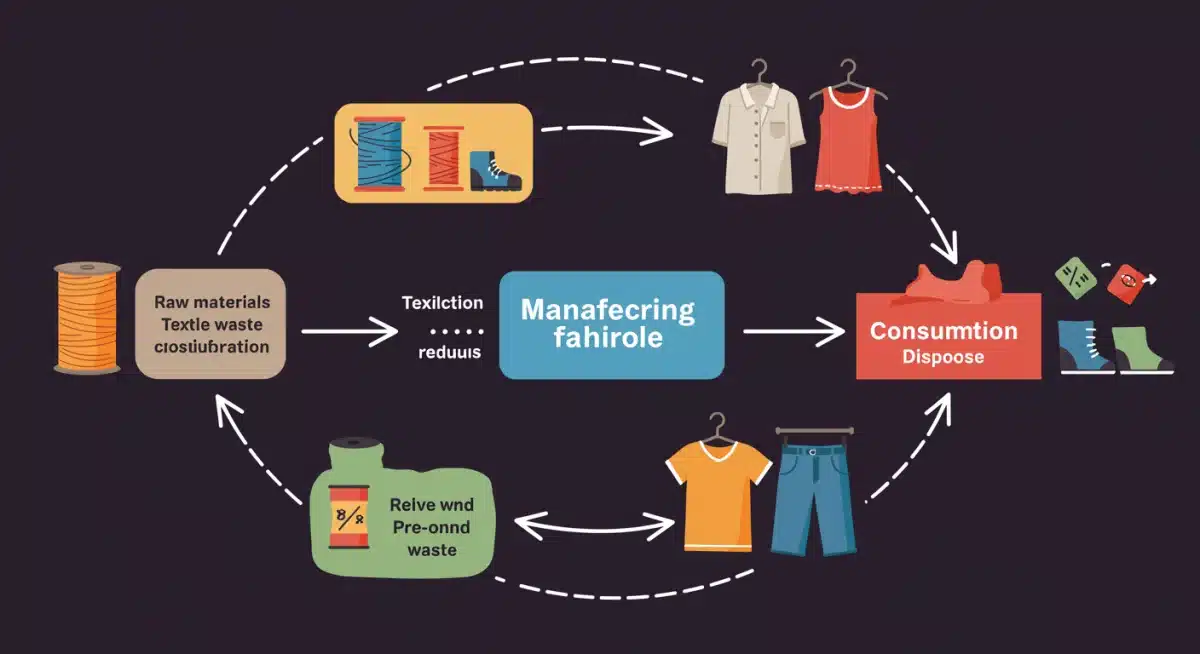
Choosing vintage over new clothing directly reduces the demand for new production, thereby lessening the environmental footprint associated with manufacturing, transportation, and disposal. This act of conscious consumption allows individuals to participate in a circular economy, extending the life cycle of garments and diverting them from landfills. It’s a tangible way for consumers to align their purchasing habits with their values, making a positive impact on the planet.
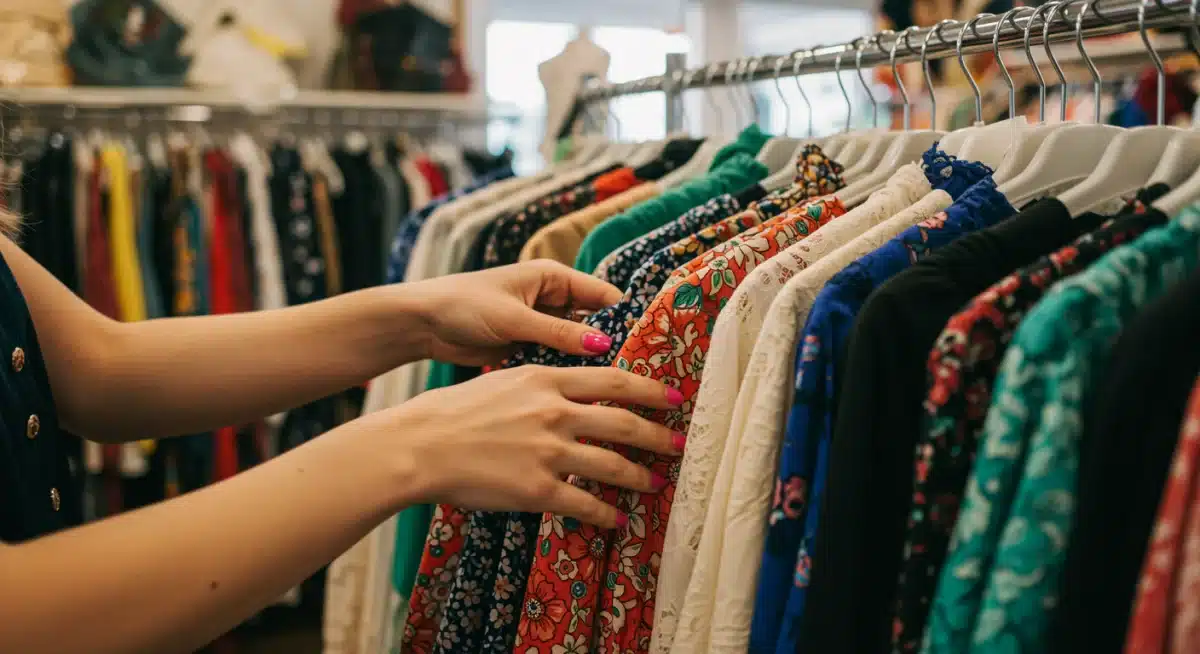
Reducing Textile Waste and Resource Consumption
The sheer volume of clothing discarded annually is staggering. Landfills are overflowing with textiles, many of which are synthetic and take hundreds of years to decompose. Even natural fibers can contribute to methane emissions as they break down. By purchasing vintage, consumers play a direct role in mitigating this waste crisis.
- Diverting from Landfills: Every vintage purchase means one less item contributes to textile waste, reducing the burden on waste management systems.
- Conserving Resources: Producing new garments requires vast amounts of water, energy, and raw materials. Opting for vintage saves these precious resources.
- Lower Carbon Footprint: The production and transportation of new clothing generate significant greenhouse gas emissions. Reusing existing garments drastically lowers this environmental impact.
The environmental benefits extend beyond just waste reduction. The fashion industry’s reliance on pesticides for cotton cultivation, toxic dyes, and microplastic shedding from synthetic fabrics are all areas where choosing vintage offers a cleaner alternative. This holistic approach to sustainability resonates deeply with environmentally conscious shoppers, transforming vintage shopping from a niche hobby into a mainstream movement. The desire to be part of the solution, rather than contributing to the problem, is a powerful motivator for many embracing pre-loved fashion.
Economic Advantages: Smart Spending in Tough Times
Beyond style and sustainability, the economic benefits of vintage clothing are a compelling draw for many consumers. In an economy where disposable income can be tight, getting more value for money is always attractive. Vintage garments often come at a fraction of the cost of their brand-new, often lower-quality, counterparts.
This affordability makes high-quality, unique pieces accessible to a wider demographic. Shoppers can build a diverse and stylish wardrobe without breaking the bank, allowing them to experiment with different aesthetics and trends without significant financial commitment. The perception that vintage is only for budget shoppers is quickly changing, however, as even high-end designers and fashionistas embrace the value proposition.
Investment Potential and Resale Value
While not every vintage find will be a collector’s item, many pieces retain or even increase their value over time. Unlike fast fashion items that depreciate rapidly, well-selected vintage garments can be seen as an investment. Rare designer pieces, unique historical items, or garments made with exceptional craftsmanship can command significant prices in the resale market.
- Appreciation in Value: Certain vintage brands or specific eras can become highly sought after, leading to an increase in their market value.
- Cost-Effective Wardrobe Building: Building a wardrobe with vintage pieces can be significantly cheaper than buying new, especially when considering the quality and longevity.
- Sustainable Investment: Investing in durable, high-quality vintage items reduces the need for constant repurchasing, saving money and reducing waste simultaneously.
This potential for resale or appreciation adds another layer of financial appeal to vintage shopping. It transforms clothing from a purely consumable item into a tangible asset, offering a practical and financially savvy approach to fashion consumption. For many, the hunt for a valuable vintage piece is as exciting as the eventual wear, combining the thrill of discovery with smart financial planning.
The Influence of Social Media and Pop Culture
The rise of social media platforms has played an instrumental role in accelerating the vintage clothing comeback. Instagram, TikTok, and YouTube have become powerful conduits for fashion inspiration, where influencers and everyday users alike showcase their unique vintage finds and styling tips. This visual-first content demystifies vintage shopping and makes it appear aspirational and accessible.
Pop culture, through film, television, and music, also continually reintroduces and romanticizes past fashion eras, sparking renewed interest in vintage styles. When celebrities are seen sporting vintage couture on red carpets or popular shows feature period-accurate wardrobes, it creates a trickle-down effect that encourages broader adoption. This constant exposure normalizes and glamorizes pre-loved clothing, making it a desirable choice for a diverse audience.
Community and Niche Markets
Social media has also fostered vibrant communities around vintage fashion. Online marketplaces, dedicated forums, and enthusiast groups allow buyers and sellers to connect, share knowledge, and discover hidden gems. This sense of community enhances the shopping experience, making it more engaging and collaborative.
Furthermore, the digital landscape has enabled the proliferation of niche vintage markets. Whether it’s specialized shops for specific decades, styles, or even sizes, online platforms make it easier for consumers to find exactly what they’re looking for, no matter how specific. This accessibility broadens the appeal of vintage clothing beyond traditional brick-and-mortar thrift stores, reaching a global audience.
The Evolution of Shopping Experiences
The way consumers access vintage clothing has dramatically evolved, moving far beyond dusty old thrift stores. While physical second-hand shops remain popular, the advent of online marketplaces has revolutionized the vintage shopping experience, making it more convenient and curated than ever before.
Platforms like Etsy, Depop, Poshmark, and The RealReal offer vast selections, often categorized and presented beautifully, mimicking a high-end retail experience. These digital storefronts provide detailed descriptions, multiple images, and sometimes even authentication services, building trust and confidence among buyers. This transformation has made vintage shopping less about rummaging and more about targeted discovery, appealing to a broader demographic who might otherwise be intimidated by traditional thrifting.
Curated Collections and Expert Guidance
Many online vintage retailers and even some physical boutiques now specialize in curated collections, focusing on specific eras, designers, or aesthetics. This curation saves shoppers time and effort, presenting them with a refined selection of high-quality items. Expert sellers often provide valuable context about the garment’s history, fabric, and care instructions, enhancing the overall purchasing experience.
- Specialized Boutiques: Both online and physical stores are emerging that focus on niche vintage categories, catering to specific tastes and preferences.
- Personal Shopping Services: Some vintage experts now offer personal shopping or styling services, helping clients integrate vintage pieces into their existing wardrobes.
- Transparency and Trust: Reputable online platforms and sellers often provide thorough item descriptions, measurements, and condition reports, fostering buyer confidence.
This evolution of the shopping experience has made vintage fashion more approachable and appealing to a wider audience. It removes many of the perceived barriers to entry, such as the time commitment required for traditional thrifting or concerns about quality and authenticity. As a result, vintage clothing is no longer just for the dedicated enthusiast but for anyone looking for unique, sustainable, and economically smart fashion choices.
The Appeal of Nostalgia and Cultural Connection
Beyond the practical considerations of style, sustainability, and economics, there’s a powerful emotional undercurrent driving the vintage clothing comeback: nostalgia. Fashion often serves as a time capsule, reflecting the social, cultural, and political landscape of its era. Wearing vintage clothing allows individuals to connect with these past periods, evoking a sense of history and romance.
For some, it’s about reliving or experiencing a decade they admire, perhaps one they weren’t alive for. For others, it’s a way to honor family history, wearing pieces passed down through generations. This connection to the past offers a depth that fast fashion simply cannot replicate, turning a garment into a conversation piece and a personal narrative. It’s a way to carry a piece of history with you, making a statement that transcends mere trend cycles.
Storytelling Through Garments
Each vintage garment has a story embedded within its fibers. Who wore it before? What occasions did it witness? This inherent narrative quality adds immense value and intrigue to vintage pieces. Unlike mass-produced clothing, which is often devoid of personal history, vintage items offer a tangible link to the past, sparking imagination and conversation.
- Historical Significance: Wearing a vintage piece can be a subtle nod to historical fashion movements, reflecting an appreciation for design evolution.
- Personal Connection: Inherited vintage clothing can carry sentimental value, connecting wearers to their family’s past and personal heritage.
- Conversation Starters: Unique vintage items often draw compliments and questions, becoming icebreakers and opportunities to share stories.
This aspect of storytelling is particularly potent in an increasingly digital and often impersonal world. Vintage clothing offers a tactile, authentic connection to human experience, transforming a simple outfit into a rich tapestry of narratives. It appeals to a desire for authenticity and depth that many find lacking in contemporary consumer culture, cementing its place as more than just a fashion choice, but a lifestyle statement.
| Key Reason | Brief Description |
|---|---|
| Unique Style | Offers individuality and distinctiveness, allowing wearers to stand out from mass-produced fashion. |
| Sustainability | Reduces textile waste, conserves resources, and lowers the carbon footprint of the fashion industry. |
| Economic Value | Provides high-quality garments at affordable prices, often with potential for appreciation in value. |
| Nostalgia & Connection | Connects wearers to history and culture, offering a unique personal narrative and emotional depth. |
Frequently Asked Questions About Vintage Fashion
Generally, vintage clothing refers to garments that are at least 20 years old but less than 100 years old. Items 100 years or older are typically considered antique. This age range ensures a piece has historical style significance while still being wearable and relatively accessible.
No, not necessarily. While some rare or designer vintage pieces can be costly, many affordable options exist in thrift stores, online marketplaces, and local boutiques. The price often depends on rarity, condition, designer, and current demand, making it accessible for various budgets.
Caring for vintage clothing requires gentle handling. Always check labels, if present, or research fabric types. Hand washing in cool water with mild detergent, air drying, and avoiding harsh chemicals are generally recommended. Proper storage in breathable garment bags can also prevent damage.
Excellent sources include local thrift stores, consignment shops, vintage boutiques, and specialized online platforms like Etsy, Depop, and The RealReal. Estate sales and flea markets can also yield unique finds. Researching reputable sellers is key for quality and authenticity.
By choosing vintage, you extend the life cycle of existing garments, reducing demand for new production. This lessens textile waste in landfills, conserves water and energy, and diminishes the environmental impact associated with manufacturing new clothing. It’s a direct step towards circular fashion.
Conclusion
The resurgence of vintage clothing is far more than a fleeting trend; it represents a meaningful shift in consumer values and fashion philosophy. Driven by the desire for unique personal style, a powerful commitment to environmental sustainability, smart economic choices, and the rich tapestry of cultural nostalgia, vintage fashion has cemented its place in contemporary wardrobes. As consumers become increasingly conscious of their impact on the planet and their desire for authenticity, the appeal of pre-loved garments will only continue to grow, proving that some styles truly are timeless and that history, when worn, can indeed be the most fashionable statement of all.