What Happens When You Wash SHEIN Clothes in Hot Water? A Detailed Guide
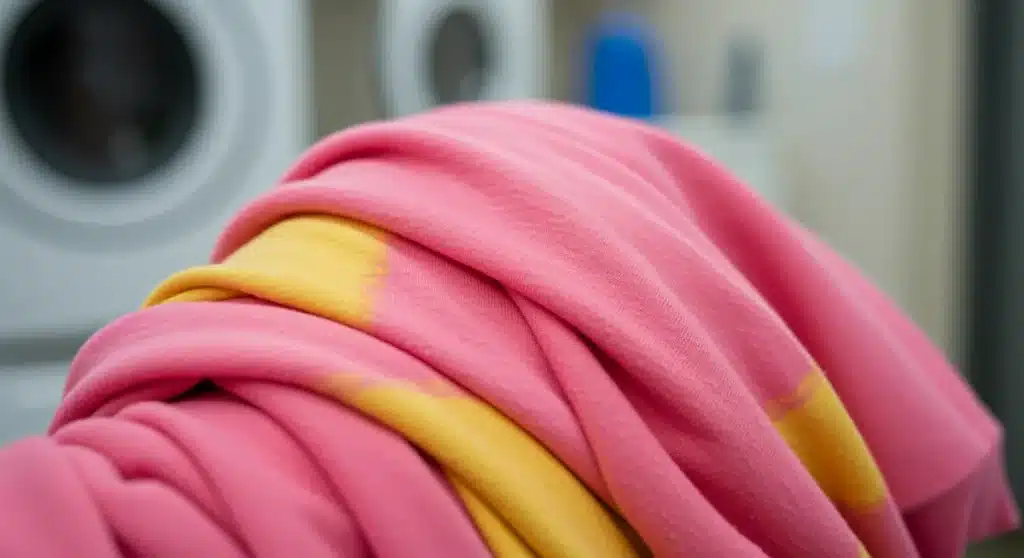
Washing SHEIN clothes in hot water can lead to significant shrinkage, color bleeding, fabric damage, and loss of garment shape, primarily due to the synthetic and blended materials often used in fast fashion.
Have you ever wondered what happens when you wash SHEIN clothes in hot water? It’s a common question, given the popularity and often delicate nature of fast fashion garments. The truth is, improper washing can dramatically alter your favorite pieces.
Understanding SHEIN’s Fabric Composition
SHEIN, a giant in the fast fashion industry, is known for its trendy and affordable clothing. However, this affordability often comes with a trade-off in fabric quality and composition. Most SHEIN garments are made from synthetic fibers or blends, which react differently to heat compared to natural fibers like cotton or linen. Understanding these materials is the first step to proper garment care.
The majority of SHEIN’s clothing line utilizes synthetic materials such as polyester, rayon, spandex, and various blends. These fibers are chosen for their cost-effectiveness, durability (under specific conditions), and ability to mimic the look of more expensive fabrics. However, their molecular structure makes them particularly susceptible to damage from high temperatures, which can cause irreversible changes to the garment.
Common Synthetic Fabrics and Their Properties
- Polyester: Highly resistant to wrinkles and shrinking in cold water, but can melt or deform in hot water, leading to permanent creases or stiffness.
- Rayon (Viscose): A semi-synthetic fiber known for its soft, silk-like feel. It’s notoriously sensitive to water and heat, prone to shrinking, stretching, and losing its shape significantly when exposed to hot temperatures.
- Spandex (Elastane): Provides stretch and flexibility. High heat can break down its elastic fibers, causing garments to lose their stretch and become baggy or brittle.
- Blends: Garments made from a mix of these fibers inherit the sensitivities of their components, often making them even more unpredictable when washed incorrectly.
Natural fibers, though less common in SHEIN’s core offerings, might also be present in some items. Even then, hot water washing can still pose risks such as excessive shrinking or color fading. Always check the care label, as it provides specific instructions tailored to the garment’s unique blend of materials. Ignoring these labels is a direct path to garment damage, especially when dealing with the varied and often delicate fabrics found in fast fashion collections.
The Immediate Effects of Hot Water on SHEIN Garments
When SHEIN clothes are subjected to hot water, the immediate effects can be quite dramatic and often irreversible. The high temperatures directly impact the integrity of the synthetic and blended fabrics, leading to visible changes almost instantly. These changes can range from aesthetic degradation to significant structural damage, compromising the garment’s wearability and lifespan.
One of the most common and noticeable effects is shrinkage. Synthetic fibers, particularly those with a looser weave or blend, tend to contract when exposed to heat. This isn’t just a minor tightening; it can result in a garment becoming several sizes smaller, making it unwearable. The heat causes the molecular bonds in the fibers to tighten, pulling the fabric in on itself. This is especially true for rayon and certain polyester blends. The shrinkage is often uneven, leading to distorted shapes and puckering seams.
Color Fading and Bleeding
Hot water is a notorious culprit for color issues. The dyes used in many fast fashion items, especially the vibrant ones, are not always designed to withstand high temperatures. When washed in hot water, these dyes can:
- Fade: The color pigments are stripped away, resulting in a duller, washed-out appearance. A bright red shirt might turn pale pink, for instance.
- Bleed: Dyes can run from one part of the garment to another, or from one garment to another if mixed in the wash. This can create unsightly stains and ruin other items in the load.
This color instability is a significant concern, as it directly impacts the aesthetic appeal of the clothing. A faded or stained garment quickly loses its charm and becomes less desirable to wear, shortening its effective lifespan. The vibrant appeal of many SHEIN items relies heavily on their color, making this an especially critical factor to consider when choosing wash temperatures.
Long-Term Damage: Beyond the First Wash
While some immediate effects of hot water washing are apparent, the long-term damage to SHEIN garments can be even more insidious. Even if a garment appears to survive a hot wash without obvious immediate harm, repeated exposure to high temperatures can significantly degrade the fabric’s quality and structure over time. This leads to a reduced lifespan for your clothing, turning those affordable pieces into short-lived investments.
One primary long-term issue is the breakdown of elastic fibers, particularly in items containing spandex or elastane. Hot water causes these delicate fibers to lose their elasticity, leading to garments that stretch out, sag, or become brittle. This means that form-fitting dresses might lose their shape, waistbands on pants might become loose, and stretchy tops might no longer snap back into place. The garment simply won’t fit or feel the same as it once did, diminishing its comfort and aesthetic appeal.
Fabric Weakening and Pilling
Synthetic fibers, while often touted for their durability, can become brittle and weak when consistently exposed to high heat. This weakening can manifest in several ways:
- Increased susceptibility to tears and holes: The fibers lose their strength, making them more prone to damage during wear or subsequent washes.
- Pilling: The surface of the fabric can develop small, unsightly balls of fiber, known as pills. Hot water can exacerbate this by roughening the fabric surface, causing fibers to break and tangle.
- Rougher texture: What once felt soft and smooth might become coarse and uncomfortable against the skin due to fiber damage.
These issues collectively contribute to the rapid deterioration of fast fashion items. Where a well-cared-for garment might last for years, a SHEIN item repeatedly washed in hot water could show significant signs of wear and tear after just a few cycles. This not only impacts your wardrobe but also contributes to textile waste, undermining efforts towards sustainable consumption, even for affordable fashion.
Decoding SHEIN Care Labels: Your Best Defense
The care label sewn into every SHEIN garment is not merely a suggestion; it’s a critical guide to preserving your clothing. Ignoring these labels, especially when dealing with the diverse and often sensitive materials used by fast fashion brands, is a surefire way to shorten the lifespan of your items. Understanding what each symbol means is your best defense against accidental damage caused by improper washing.
Care labels provide specific instructions regarding washing temperature, drying methods, ironing, and bleaching. These recommendations are determined by the manufacturer based on the fabric composition and construction of the garment. For SHEIN, where synthetic blends are prevalent, these instructions almost invariably lean towards cooler temperatures and gentler handling to prevent shrinkage, fading, and fabric degradation.
Common Care Label Symbols and Their Meaning
- Wash Tub Symbol: Indicates washing instructions. A number inside signifies the maximum water temperature (e.g., 30°C or 86°F for cold, 40°C or 104°F for warm). A tub with a hand means hand wash only. A tub with an ‘X’ means do not wash.
- Triangle Symbol: Pertains to bleaching. An empty triangle means any bleach can be used. A triangle with diagonal lines means non-chlorine bleach only. A black triangle with an ‘X’ means do not bleach.
- Square Symbol: Refers to drying instructions. A circle inside a square indicates tumble drying, with dots representing heat levels (one dot for low, two for medium). A line inside a square means line dry.
- Iron Symbol: Indicates ironing instructions. Dots inside the iron symbol denote temperature settings (one dot for low, three for high). An ‘X’ through the iron means do not iron.
Always take a moment to read and interpret these symbols before tossing your SHEIN clothes into the wash. If a label recommends cold water, stick to it. If it says hand wash, avoid the machine. These small efforts can make a significant difference in maintaining the quality, fit, and color of your garments, ensuring they last longer and look better. When in doubt, err on the side of caution with cooler temperatures and gentler cycles.
Best Practices for Washing SHEIN Clothes
To ensure your SHEIN garments retain their shape, color, and texture, adopting best washing practices is crucial. Given their typical fabric composition, a gentle approach is always recommended. By following a few simple steps, you can significantly extend the life of your fast fashion finds and keep them looking new for longer.
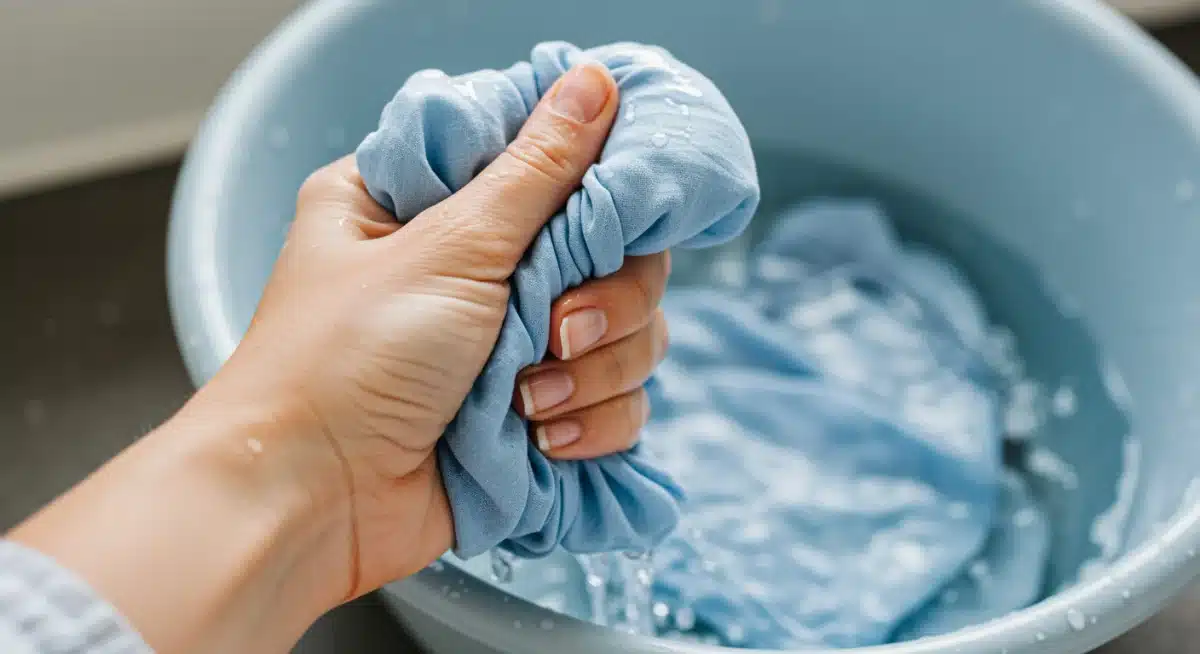
The golden rule for washing most SHEIN items is to use cold water. Cold water washing prevents shrinkage, preserves dye integrity, and is less harsh on delicate synthetic fibers. It’s also more energy-efficient, making it a more environmentally friendly choice. Pair cold water with a gentle cycle on your washing machine, or opt for hand washing for particularly delicate pieces like embellished tops, lace details, or items made primarily of rayon.
Specific Washing Recommendations
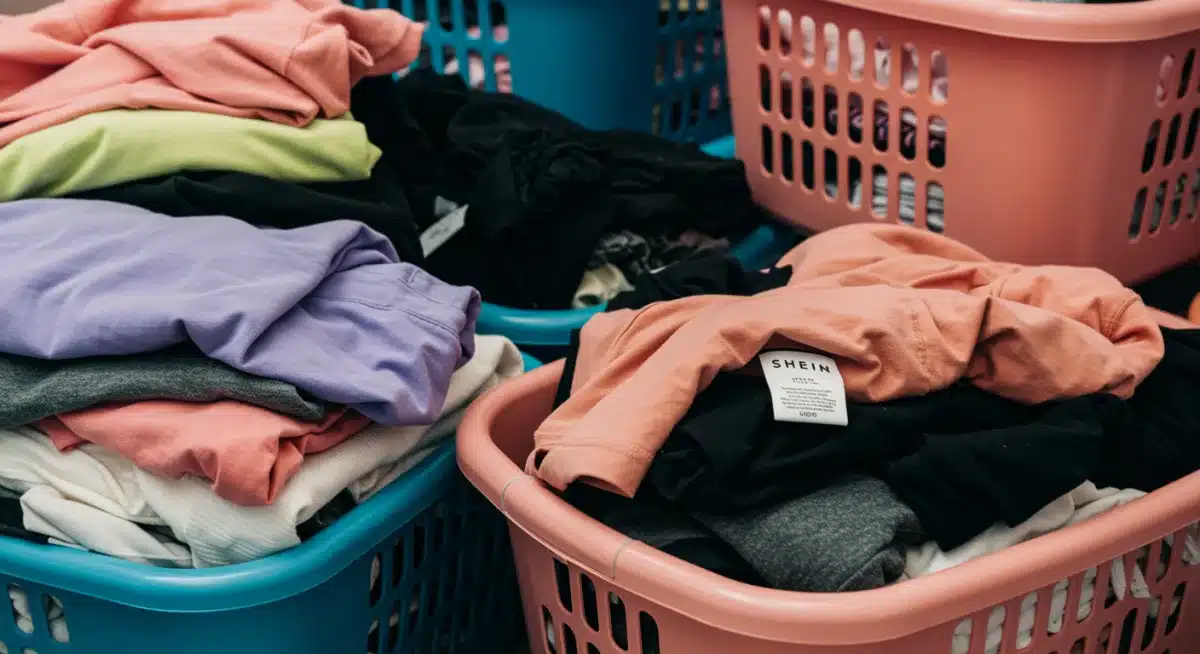
- Separate by Color and Fabric: Always separate darks from lights to prevent color bleeding. Also, separate delicate items from heavier ones to avoid friction damage.
- Use a Mild Detergent: Harsh detergents can strip colors and damage fibers. Choose a gentle, color-safe detergent, preferably one designed for delicate fabrics.
- Turn Garments Inside Out: This protects the outer surface of the fabric, especially printed designs or embellishments, from friction and fading during the wash cycle.
- Use Mesh Laundry Bags: For items with delicate details, sequins, or intricate weaves, placing them in a mesh laundry bag provides an extra layer of protection against snags and stretching.
When it comes to drying, air drying is almost always the safest option for SHEIN clothes. The high heat of tumble dryers can cause significant shrinkage and damage to synthetic fibers, similar to hot water. Lay garments flat on a clean surface or hang them on a padded hanger to dry, away from direct sunlight, which can also cause fading. If machine drying is unavoidable, use the lowest heat setting and remove items while still slightly damp to minimize heat exposure. These practices will help maintain the integrity and appearance of your SHEIN wardrobe.
The Environmental and Economic Impact of Garment Care
The way we care for our clothes, especially fast fashion items like those from SHEIN, has significant environmental and economic implications. While the initial purchase cost of SHEIN garments is low, improper care can lead to a rapid turnover of clothing, contributing to textile waste and increasing consumption. Understanding the broader impact can motivate more mindful laundry habits.
From an environmental perspective, the fast fashion cycle is notoriously resource-intensive. Producing new garments requires vast amounts of water, energy, and raw materials, often synthetic, which are derived from fossil fuels. When clothes are damaged quickly due to poor washing practices and subsequently discarded, they end up in landfills, where non-biodegradable synthetics can take hundreds of years to decompose, releasing microplastics and pollutants into the environment. Extending the life of your clothing through proper care directly reduces the demand for new production and lessens your environmental footprint.
Economic Savings and Sustainable Habits
Economically, taking excellent care of your SHEIN clothes translates into tangible savings. While SHEIN items are inexpensive, continually replacing damaged garments adds up over time. By preserving the quality and wearability of your existing wardrobe, you reduce the need for frequent repurchases, saving money in the long run. This shift towards conscious consumption also encourages a more sustainable approach to fashion.
Moreover, adopting gentle washing practices for SHEIN clothes often means using less hot water and tumble drying less frequently. This directly reduces household energy consumption, leading to lower utility bills. It’s a win-win: your clothes last longer, you save money, and you contribute positively to environmental conservation. Educating oneself on fabric care and implementing these practices for all garments, not just SHEIN, is a simple yet effective way to advocate for a more sustainable and economically sound approach to fashion consumption. It transforms a simple chore into an act of environmental stewardship and financial prudence.
| Key Aspect | Impact of Hot Water |
|---|---|
| Fabric Shrinkage | Synthetic fibers tighten, leading to irreversible size reduction and distortion. |
| Color Fading/Bleeding | Dyes are stripped or run, resulting in dullness or staining of garments. |
| Elasticity Loss | Spandex and elastic fibers break down, causing garments to lose stretch and shape. |
| Fabric Weakening | Fibers become brittle, increasing susceptibility to tears, holes, and pilling. |
Frequently Asked Questions About Washing SHEIN Clothes
While many SHEIN items can be machine washed, it’s crucial to check the care label first. Delicate items, those with embellishments, or specific fabrics like rayon often require hand washing or a very gentle machine cycle to prevent damage and maintain their original condition.
SHEIN clothes often shrink easily due to their common use of synthetic and semi-synthetic fibers like polyester, rayon, and various blends. These materials are highly susceptible to heat, causing their fibers to contract and the garment to shrink when exposed to hot water or high dryer temperatures.
Cold water is generally the safest option for washing SHEIN clothing, as it minimizes shrinkage, color fading, and damage to delicate fibers. However, always consult the specific care label for each garment, as some may have unique requirements or be strictly hand-wash only.
To prevent damage, air drying is highly recommended for SHEIN garments. Lay them flat or hang them on a padded hanger away from direct sunlight. If using a dryer, select the lowest heat setting and remove items while still slightly damp to avoid excessive heat exposure and potential shrinkage.
If a SHEIN care label is missing or unreadable, it’s best to err on the side of caution. Treat the garment as delicate: hand wash in cold water with a mild detergent, avoid harsh scrubbing, and air dry. This approach minimizes the risk of damage to unknown fabric compositions.
Conclusion
Understanding what happens when you wash SHEIN clothes in hot water is paramount for anyone looking to extend the life and maintain the aesthetic appeal of their fast fashion purchases. The delicate nature of synthetic and blended fabrics commonly used by SHEIN makes them particularly vulnerable to high temperatures, leading to issues such as shrinkage, color fading, loss of elasticity, and overall fabric degradation. By prioritizing cold water washes, gentle cycles, and air drying, you can significantly mitigate these risks. Adhering to care label instructions is not just about preserving a garment; it’s about making more sustainable choices, reducing textile waste, and ultimately getting more value from your wardrobe while contributing to a more mindful approach to fashion consumption.