Advertisements
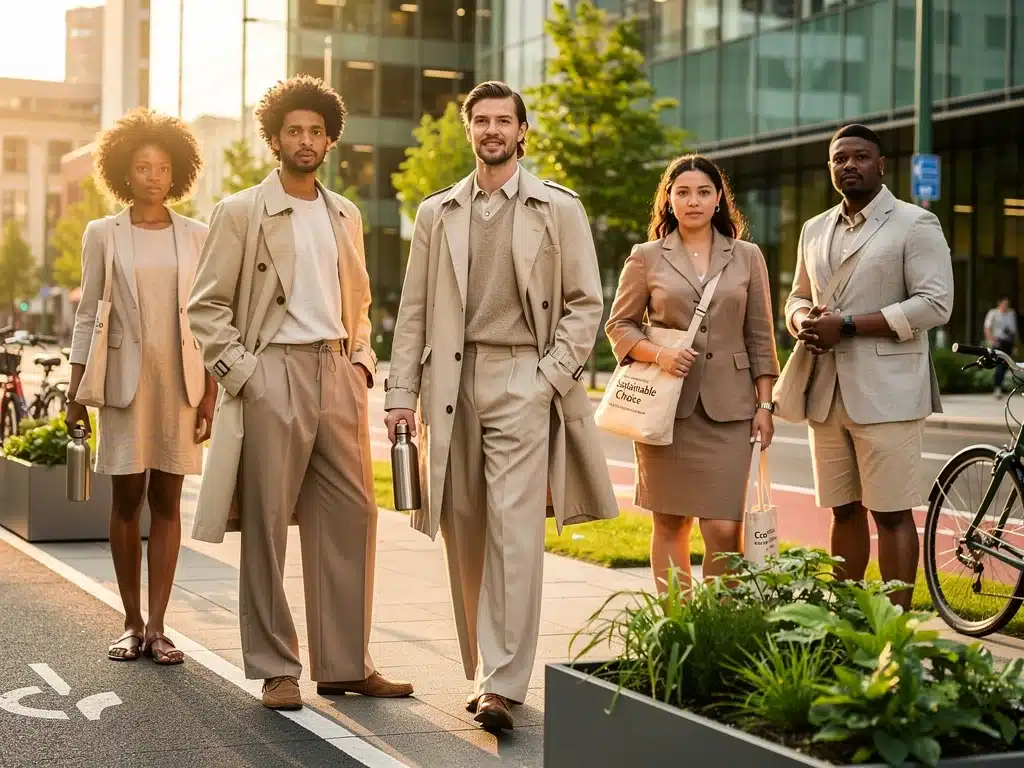
Ready to elevate your personal style while cutting your environmental footprint by 20%? Embracing Sustainable Fashion in 2026 isn’t about sacrificing trends—it’s about curating a chic, high-quality closet that respects both people and the planet.
Building an eco-friendly wardrobe comes down to smart garment selection, ethical fabrics, and versatile styling strategies. By choosing durable materials and circular apparel choices, you can create effortless looks that look stunning and minimize textile waste.
Ready to transform your daily wear with conscious style choices? Here are 5 versatile outfit formulas that prove ethical apparel and modern elegance go hand in hand.
Advertisements
Understanding the Core Principles of Sustainable Fashion
Sustainable fashion extends beyond just using organic cotton; it encompasses the entire lifecycle of a garment, from sourcing raw materials to its eventual disposal. This holistic approach ensures that environmental and social impacts are minimized at every stage, promoting a circular economy.
Key principles include reducing waste, conserving resources, minimizing pollution, and ensuring fair labor practices throughout the supply chain. These elements collectively contribute to a truly sustainable model, moving away from the linear ‘take-make-dispose’ system.
Adopting these principles means making informed decisions about what we buy, how we care for our clothes, and how we ultimately dispose of them. It is about fostering a deeper connection with our clothing and understanding its journey.
Advertisements
Defining Eco-Conscious Choices
Making eco-conscious choices means opting for materials with lower environmental footprints, such as recycled fabrics, organic fibers, and innovative biodegradable textiles. It also involves supporting brands committed to ethical manufacturing and transparent supply chains.
These choices are not just about individual garments but about fostering a mindset of responsible consumption. Every decision, from a single purchase to a complete wardrobe overhaul, contributes to the larger goal of a more sustainable fashion industry.
- Prioritize natural, biodegradable fibers like organic cotton, linen, hemp, and Tencel.
- Opt for recycled materials such as recycled polyester, nylon, and upcycled fabrics.
- Support brands with certifications for fair trade, organic standards, and ethical production.
- Consider the longevity and durability of garments to reduce frequency of replacement.
The emphasis is on quality over quantity, investing in pieces that last longer and have a timeless appeal. This approach reduces the need for constant consumption and minimizes textile waste, aligning perfectly with the goals of sustainable fashion 2026 outfits.
The 20% Impact Reduction Goal: A Roadmap for Change
Achieving a 20% impact reduction by 2026 requires a concerted effort from both brands and consumers, focusing on measurable changes across various aspects of fashion consumption.
This ambitious target is designed to push the industry towards more responsible practices and encourage individual accountability.
The roadmap involves strategic shifts in material selection, production processes, and consumer behavior, with a strong emphasis on transparency and innovation. It’s a collective journey towards a more circular and less resource-intensive fashion ecosystem.
For individuals, this means consciously evaluating purchases, extending garment lifespans, and exploring alternatives like repair, resale, and rental services. Every small choice contributes to the overarching goal of reducing environmental strain.
Measuring Your Fashion Footprint
Understanding your current fashion footprint is the first step towards reducing it, involving an assessment of the environmental impact of your clothing choices.
Tools and methodologies are emerging to help consumers quantify their contributions to waste, water usage, and carbon emissions.
This self-assessment empowers individuals to identify areas where they can make the most significant improvements. It transforms abstract environmental goals into tangible personal actions, making the journey towards sustainable fashion 2026 outfits more concrete.
- Track garment purchases, noting materials and brand sustainability claims.
- Estimate the environmental impact of your laundry habits (water, energy).
- Assess the lifespan of your clothing and how often you dispose of items.
- Utilize online carbon footprint calculators specifically designed for fashion consumption.
By regularly measuring and reflecting on these aspects, consumers can actively participate in the 20% impact reduction goal. This data-driven approach fosters a deeper understanding of personal responsibility in the broader context of sustainable fashion.
Building Eco-Conscious Outfits: The Five Key Looks
The 2026 Guide to Sustainable Fashion details how to construct five distinct eco-conscious outfits, each designed to minimize environmental impact while maximizing style versatility.
These outfits serve as practical examples, demonstrating that sustainable fashion can be both chic and responsible.
Each outfit focuses on key principles: multi-functionality, durability, ethical sourcing, and timeless design, ensuring longevity and reducing the need for frequent replacements. The selections highlight how thoughtful curation can lead to a powerful wardrobe.
These five looks are not prescriptive but rather illustrative, offering a foundation upon which individuals can build their own unique sustainable style. The goal is to inspire creativity within the bounds of environmental consciousness, making sustainable fashion 2026 outfits accessible to everyone.
Outfit 1: The Versatile Everyday Ensemble
This outfit centers on comfort and adaptability, perfect for a variety of daily activities, from running errands to casual meet-ups. It emphasizes foundational pieces that can be mixed and matched, reducing the overall number of garments needed.
Key elements include organic cotton jeans, a Tencel-blend top, and a recycled wool cardigan, all chosen for their durability and low environmental footprint. The focus is on timeless design that transcends fleeting trends.
- Organic cotton denim: durable, comfortable, and uses less water than conventional cotton.
- Tencel-blend t-shirt: soft, breathable, and made from sustainably sourced wood pulp.
- Recycled wool cardigan: warm, long-lasting, and diverts waste from landfills.
This ensemble proves that building sustainable fashion 2026 outfits doesn’t mean sacrificing style or practicality. It’s about smart choices that offer both aesthetic appeal and environmental benefits, creating a truly eco-conscious wardrobe staple.
Outfit 2: The Professional Power Look with a Conscience
Designed for the modern professional, this outfit combines elegance with ethical sourcing, proving that corporate attire can also be sustainable. It focuses on sharp tailoring and high-quality, eco-friendly fabrics that project confidence and responsibility.
The core components include a blazer made from recycled polyester, tailored trousers from organic linen, and a blouse crafted from peace silk or a similar cruelty-free alternative. Each piece is selected for its professional aesthetic and environmental credentials.
This outfit demonstrates that sustainable fashion 2026 outfits can seamlessly integrate into formal settings, challenging the notion that eco-friendly choices are limited to casual wear. It offers a powerful statement about commitment to both career and planet.
Outfit 3: The Weekend Explorer’s Sustainable Kit
For those who love to explore, this outfit prioritizes functionality, comfort, and environmental resilience, perfect for outdoor adventures or relaxed weekend activities. It’s built to withstand the elements while minimizing ecological impact.
Key items include activewear made from recycled plastic bottles, durable hemp cargo pants, and a waterproof jacket crafted from innovative bio-based materials. The design ensures maximum utility with minimal environmental cost.
- Recycled polyester activewear: moisture-wicking and made from post-consumer waste.
- Hemp cargo pants: incredibly durable, requires little water, and softens with wear.
- Bio-based waterproof jacket: offers protection without relying on fossil fuels.
This sustainable fashion 2026 outfit encourages an active lifestyle that respects nature, providing robust and reliable clothing for any adventure. It embodies the spirit of exploration with an unwavering commitment to sustainability.
Outfit 4: Evening Elegance, Sustainably Defined
This evening wear ensemble redefines glamour through a sustainable lens, showcasing that sophistication and environmental responsibility can beautifully coexist. It features luxurious, ethically sourced materials and timeless designs that remain relevant for years.
The outfit might include a dress made from organic silk or an innovative vegan silk alternative, paired with accessories crafted from upcycled materials or certified sustainable leather. The focus is on exquisite craftsmanship and reduced environmental footprint.
This look challenges conventional notions of luxury, proving that true elegance lies in conscious choices and enduring quality. It’s an inspiring example of how sustainable fashion 2026 outfits can grace any formal occasion with grace and integrity.
Outfit 5: The Seasonal Transition Essential
This final outfit is designed to bridge the gap between seasons, offering versatile layering pieces that adapt to fluctuating temperatures, reducing the need for an extensive, season-specific wardrobe. It emphasizes smart layering and multi-functional garments.
Components could include a modular trench coat made from organic cotton and recycled nylon, a fine-gauge merino wool sweater (ethically sourced), and adaptable organic cotton trousers. Each piece works independently or as part of a layered system.
- Modular trench coat: features detachable linings or hoods for varying weather conditions.
- Ethically sourced merino wool sweater: regulates temperature, is naturally breathable, and odor-resistant.
- Organic cotton trousers: comfortable, versatile, and suitable for multiple climates.
This sustainable fashion 2026 outfit allows for seamless transitions throughout the year, promoting a minimalist approach to seasonal dressing. It exemplifies how thoughtful design can significantly contribute to a reduced environmental impact.

Implementing the 20% Impact Reduction in Daily Life
Integrating the principles of the 20% impact reduction into daily fashion choices involves more than just buying new sustainable items; it requires a shift in mindset towards conscious consumption and care. This holistic approach ensures long-term environmental benefits.
Practical steps include extending the life of garments through proper care, exploring repair and alteration services, and actively participating in the circular economy through resale or donation. These actions collectively amplify individual impact.
The guide emphasizes that small, consistent changes in daily habits can lead to significant cumulative reductions in environmental footprint. It’s about making sustainable fashion 2026 outfits a habitual part of one’s lifestyle.
Care and Maintenance for Longevity
Proper garment care is crucial for extending the lifespan of clothing, directly contributing to the 20% impact reduction goal by delaying replacement. This involves understanding fabric specific needs and adopting eco-friendly laundry practices.
Simple adjustments like washing clothes less frequently, using cold water, air-drying, and repairing minor damages can make a substantial difference. These practices not only save energy and water but also preserve the quality of garments.
- Follow care labels diligently to prevent shrinking, stretching, or damage.
- Wash clothes in cold water to save energy and protect fabric integrity.
- Air-dry garments whenever possible to reduce energy consumption.
- Learn basic mending skills or utilize local repair services for minor damages.
By prioritizing thoughtful care, consumers can ensure their sustainable fashion 2026 outfits remain in circulation longer, maximizing their investment and minimizing waste. This active engagement in garment longevity is a cornerstone of responsible fashion.
The Future of Sustainable Fashion: Beyond 2026
The principles outlined in The 2026 Guide to Sustainable Fashion are not merely short-term targets but foundational steps towards a more profound transformation of the industry. The vision extends well beyond 2026, anticipating continuous innovation and systemic change.
Future developments are expected to include even greater advancements in material science, closed-loop manufacturing systems, and widespread adoption of circular business models.
The industry is moving towards a fully regenerative paradigm, where waste is eliminated and resources are continually reused.
Consumers will play an increasingly vital role in this evolution, with their purchasing power driving demand for transparent, ethical, and truly sustainable products. The journey towards a fully sustainable fashion ecosystem is ongoing, with 2026 marking a significant milestone.
Innovations Driving Future Sustainability
Breakthroughs in biotechnology and material science are rapidly expanding the possibilities for sustainable textiles, offering alternatives that are both high-performing and environmentally benign. These innovations are critical for achieving ambitious future sustainability goals.
From lab-grown leather and spider silk to textiles made from agricultural waste, the landscape of eco-friendly materials is continually evolving. These advancements promise to further reduce reliance on traditional, resource-intensive fibers and processes.
- Development of biodegradable and compostable materials for end-of-life solutions.
- Advancements in waterless dyeing technologies to reduce water consumption.
- Expansion of blockchain technology for transparent supply chain tracking.
- Growth of AI-driven design to optimize material use and minimize waste.
These innovations, coupled with consumer demand for sustainable fashion 2026 outfits and beyond, are shaping an exciting future for the industry. The focus remains on creating beautiful, functional clothing that respects planetary boundaries and social equity.
| Key Point | Brief Description |
|---|---|
| Impact Reduction Target | Aim for 20% environmental impact reduction by 2026 through conscious fashion choices. |
| Eco-Conscious Outfits | Guide to building 5 versatile, sustainable outfits for various occasions. |
| Material Focus | Prioritize organic, recycled, and innovative bio-based fabrics. |
| Longevity & Care | Emphasize proper garment care and repair to extend clothing lifespan. |
Frequently Asked Questions About Sustainable Fashion
In 2026, sustainable fashion is defined by a holistic approach encompassing ethical sourcing, minimal environmental impact throughout production, fair labor practices, and circularity. It prioritizes longevity, repair, and recycling over fast fashion, aiming for a significant reduction in waste and resource consumption.
Achieving a 20% impact reduction involves several steps: choosing durable, ethically produced garments, extending their lifespan through proper care and repair, exploring secondhand options, and minimizing new purchases. Prioritizing sustainable materials like organic cotton and recycled fabrics also contributes significantly to this goal.
Key materials for sustainable fashion 2026 outfits include organic cotton, Tencel, linen, hemp, recycled polyester, recycled nylon, and innovative bio-based fabrics. These materials are chosen for their lower environmental footprint, reduced water usage, and often their biodegradability or recyclability, supporting eco-conscious choices.
Initially, individual sustainable garments might have a higher upfront cost due to ethical production and quality materials. However, their durability and timeless design often lead to a lower cost per wear over time. The focus is on investing in fewer, higher-quality pieces that last longer, reducing overall consumption.
You can find brands aligning with The 2026 Guide to Sustainable Fashion by looking for certifications like GOTS (Global Organic Textile Standard), Fair Trade, or B Corp. Online directories for sustainable fashion and ethical marketplaces are also excellent resources to discover brands committed to transparent and responsible practices.
Looking Ahead: The Evolving Landscape of Conscious Consumption
The 2026 Guide to Sustainable Fashion marks a pivotal moment, shifting the conversation from awareness to actionable impact. This guide is not an endpoint but a significant milestone in the ongoing evolution of conscious consumption, setting a clear precedent for future fashion choices.
As consumers become more informed and demand greater transparency, the industry must continue to innovate and adapt, fostering a truly circular economy.
The principles of building sustainable fashion 2026 outfits will serve as a foundation for even more ambitious goals in the years to come.
What happens now is a collective effort: individuals embracing these guidelines, brands accelerating their sustainable practices, and policymakers creating supportive frameworks. The journey to a fully sustainable fashion future is a shared responsibility, with 2026 serving as a powerful catalyst for change.