Designer Brand TikTok Viral: Impact & Strategies

Advertisements
When a designer brand goes viral on TikTok, it triggers a cascade of effects, from unprecedented demand and new audience engagement to critical brand management challenges, fundamentally reshaping its market presence and future trajectory.
Advertisements
In today’s rapidly evolving digital landscape, understanding what happens when a designer brand goes viral on TikTok is no longer a niche concern but a critical strategic imperative. This phenomenon can catapult a brand into an unprecedented spotlight, transforming its trajectory almost overnight. It raises fascinating questions about authenticity, accessibility, and the delicate balance between maintaining luxury appeal and embracing mass digital exposure.
The immediate impact of unexpected virality
When a designer brand experiences an unexpected surge in popularity on TikTok, the immediate effects are often palpable and far-reaching. This sudden exposure can lead to an overnight transformation in consumer perception and demand. The initial wave of virality typically manifests as a dramatic increase in website traffic and social media engagement, often catching brands off guard.
Advertisements
The speed at which trends propagate on TikTok means that a single viral video, whether an organic endorsement or a cleverly designed campaign, can instantly expose a brand to millions. This can lead to a significant boost in product searches and, crucially, sales. However, this immediate success also brings with it a unique set of challenges that require swift and strategic responses.
Spike in demand and inventory challenges
One of the most direct consequences of a designer brand going viral on TikTok is an overwhelming surge in demand for the featured product or collection. This can quickly deplete existing inventory, creating both a lucrative opportunity and a logistical nightmare.
- Rapid stock depletion: Products can sell out within hours or days, leading to backorders and potential customer frustration.
- Supply chain strain: Manufacturers and suppliers may struggle to keep up with the sudden, unanticipated increase in production requirements.
- Quality control pressure: Rushing production to meet demand can sometimes compromise the meticulous quality standards expected of designer goods.
Managing this rapid increase in demand requires agile supply chain management and transparent communication with customers regarding stock availability and shipping delays. Brands must decide whether to lean into the trend with increased production or maintain exclusivity.
Media attention and brand perception shift
Beyond sales, virality on TikTok also attracts significant media attention. Fashion publications, lifestyle blogs, and even mainstream news outlets often pick up on these stories, amplifying the brand’s visibility further. This can be a double-edged sword for designer brands.
While increased media coverage can solidify a brand’s relevance and reach new demographics, it also opens the door to scrutiny. The brand’s image, previously curated for a specific luxury audience, might now be interpreted by a much broader, and sometimes less forgiving, public. Maintaining brand integrity while navigating this new level of exposure becomes paramount.
In conclusion, the immediate impact of TikTok virality is a whirlwind of heightened attention and demand. While it presents incredible opportunities for growth and reach, it also necessitates careful management of inventory, supply chains, and public perception to ensure long-term brand health.
Navigating authenticity and brand image
For designer brands, authenticity and a carefully cultivated brand image are cornerstones of their appeal. When a brand goes viral on TikTok, it faces the complex task of integrating this new, often spontaneous, form of popularity with its established identity. The platform’s raw, unpolished nature can clash with the polished exclusivity traditionally associated with luxury.
Maintaining brand integrity while embracing TikTok’s democratic spirit requires a delicate balance. The challenge lies in leveraging the platform’s reach without diluting the brand’s core values or alienating its traditional clientele. It’s about adapting to a new medium while staying true to the brand’s essence.
The tension between exclusivity and accessibility
Designer brands thrive on exclusivity. Their high price points, limited distribution, and aspirational marketing create a sense of desirability. TikTok, conversely, thrives on accessibility and relatability. When a designer item becomes a viral sensation, it often becomes more accessible, at least in conversation, to a wider audience.
- Democratization of luxury: Viral trends can make luxury items seem more attainable, sparking desire in new consumer segments.
- Risk of brand dilution: Overexposure or association with fleeting trends can, for some, diminish the perception of exclusivity and uniqueness.
- Balancing act: Brands must carefully craft their messaging to welcome new audiences without alienating existing high-net-worth customers who value exclusivity.
This tension is central to the brand’s post-viral strategy. Brands need to decide how much they want to lean into this newfound accessibility versus reinforcing their luxury status. It’s not about choosing one over the other, but finding a harmonious coexistence.
Leveraging user-generated content (UGC) responsibly
TikTok is powered by user-generated content (UGC), and viral moments are almost always driven by organic user enthusiasm. For designer brands, this presents an invaluable opportunity to tap into authentic storytelling. However, it also means relinquishing some control over the brand narrative.
Brands can engage with UGC by reposting, commenting, or even directly collaborating with creators who genuinely champion their products. This not only acknowledges the community but also amplifies the viral moment. However, it’s crucial to ensure that the UGC aligns with the brand’s values and desired image. Curating and selectively engaging with UGC allows brands to maintain a degree of control while still benefiting from authentic advocacy.
In essence, navigating authenticity post-virality means embracing the platform’s unique dynamics while strategically safeguarding the brand’s established identity. It’s a continuous process of adaptation and mindful engagement.
Understanding new consumer demographics
One of the most significant shifts a designer brand experiences after going viral on TikTok is a fundamental change in its consumer demographic. The platform’s vast and diverse user base, predominantly Gen Z and younger millennials, introduces the brand to an audience that might not have traditionally engaged with luxury fashion. This influx of new consumers presents both immense opportunities and unique challenges.
Brands must quickly adapt their marketing strategies, communication channels, and even product offerings to resonate with this younger, digitally native segment. Ignoring this new demographic would mean missing out on a powerful future consumer base, while mishandling it could alienate existing customers.
Gen Z and millennial purchasing power
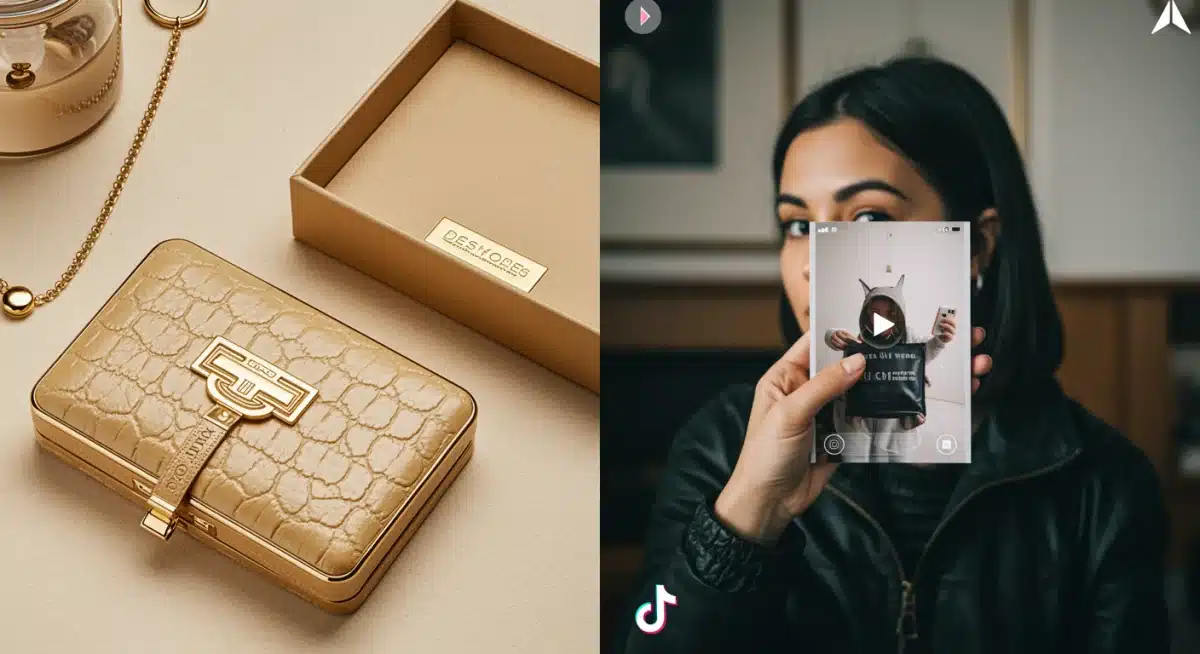
While often perceived as having less disposable income than older generations, Gen Z and millennials represent a formidable purchasing power, particularly when it comes to aspirational luxury items. They are highly attuned to trends, value authenticity, and are willing to invest in items that reflect their personal brand and values.
- Aspirational buying: Younger consumers often save for specific, trending designer items they see on social media.
- Value alignment: Brands that demonstrate social responsibility and sustainability resonate strongly with these demographics.
- Digital-first shopping: These consumers are accustomed to online shopping, making e-commerce a crucial channel for conversion.
Understanding the nuances of these purchasing behaviors is key. It’s not just about selling a product, but about selling an experience, a lifestyle, and a set of values that align with what these younger consumers seek.
Adapting marketing and communication strategies
The traditional marketing playbook for luxury brands often involves glossy magazine ads, exclusive events, and high-production value campaigns. While these still hold value, they may not be sufficient to fully engage a TikTok-driven audience. Brands must diversify their communication to include more dynamic, interactive, and platform-native content.
This includes experimenting with short-form video content, collaborating with relevant TikTok creators (influencer marketing), and engaging directly with comments and trends. The tone of voice also needs to evolve, becoming more approachable and less overtly formal, without losing the brand’s inherent sophistication. This adaptation ensures that the brand speaks effectively to its new, diverse audience.
In summary, a viral moment on TikTok compels designer brands to deeply understand and strategically engage with new consumer demographics. This requires a flexible approach to marketing and a keen awareness of the values and purchasing habits of younger generations.
Strategic responses and long-term planning
A viral moment, while exciting, is inherently fleeting. For a designer brand, the true test lies in how it capitalizes on this temporary surge in attention to build sustainable growth and a stronger market position. This requires moving beyond reactive measures to proactive strategic planning, ensuring that the virality translates into lasting brand equity rather than just a momentary spike.
Long-term planning involves careful consideration of brand expansion, product development, and sustained engagement with the new audience segments acquired through TikTok. It’s about turning a flash in the pan into a foundational element of future success.
Capitalizing on the moment strategically
Brands must have a strategy in place to leverage the viral moment effectively. This goes beyond simply restocking products. It involves creating a cohesive narrative that integrates the viral product into the broader brand story and using the momentum to introduce other collections or initiatives.
- Cross-promotion: Highlight other relevant products or collections to capitalize on increased website traffic.
- Exclusive drops: Create limited-edition versions or collaborations inspired by the viral item to maintain excitement and exclusivity.
- Content strategy: Develop a robust content calendar that continues to engage the new audience with relevant, high-quality material.
Effective capitalization means not just selling more of the viral item, but strategically using its popularity to elevate the entire brand portfolio. This requires foresight and an understanding of consumer behavior beyond the immediate trend.
Investing in digital infrastructure and talent
The demands of a TikTok-driven audience often expose gaps in a brand’s digital infrastructure and internal capabilities. To sustain growth and engagement, designer brands must invest in robust e-commerce platforms, efficient customer service channels, and skilled digital marketing teams.
This includes hiring or training social media strategists who understand the nuances of platforms like TikTok, data analysts who can interpret new audience insights, and supply chain experts who can manage fluctuating demand. A strong digital foundation ensures that the brand can effectively scale its operations and maintain a high level of customer experience even under increased pressure.
Ultimately, strategic responses and long-term planning are about transforming a viral phenomenon into a catalyst for enduring brand transformation. It requires adaptability, investment, and a clear vision for the future.
The role of influencers and UGC in sustained engagement
For designer brands seeking to maintain momentum after a viral TikTok moment, understanding and strategically utilizing the power of influencers and user-generated content (UGC) is paramount. These elements are not just drivers of initial virality but are crucial for sustained engagement and relevance on the platform. The decentralized nature of TikTok means that authentic voices often hold more sway than traditional advertising.
Brands must move beyond a transactional view of influencer marketing, fostering genuine relationships and empowering their community to become brand advocates. This approach builds trust and ensures that the brand remains part of ongoing conversations.
Cultivating genuine influencer partnerships
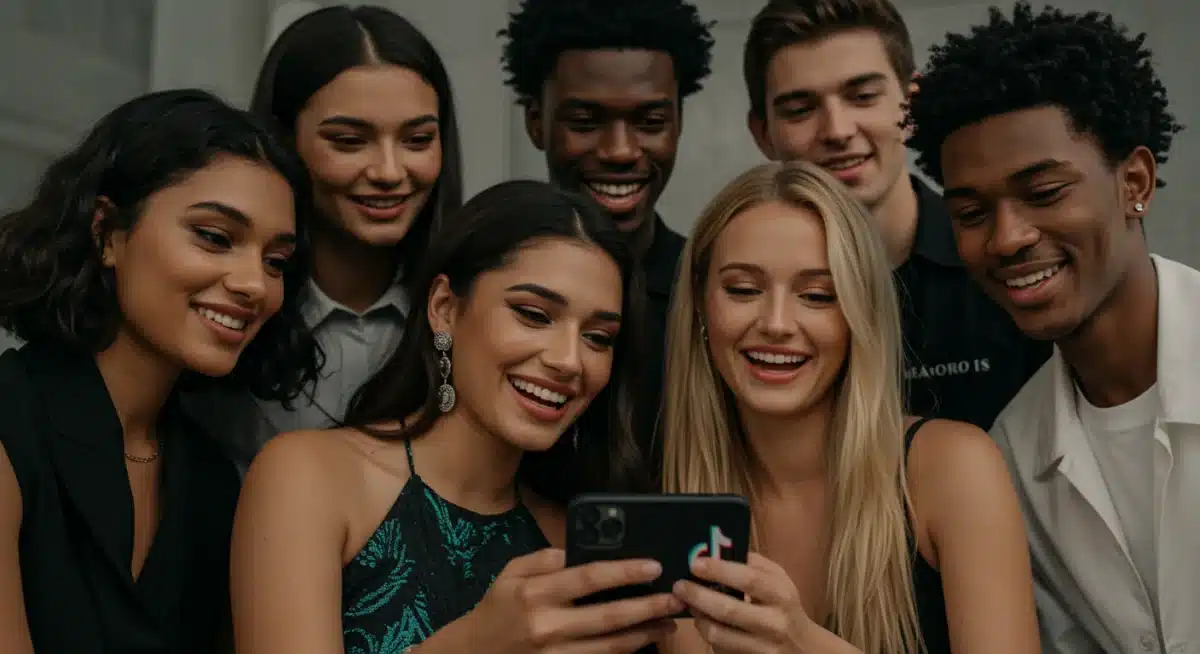
Rather than simply paying for sponsored posts, designer brands can benefit immensely from cultivating genuine partnerships with influencers whose personal brand aligns with their own. This means seeking out creators who authentically appreciate and use the brand’s products, rather than those who simply have a large following.
- Authenticity over reach: Prioritize creators whose content feels organic and trustworthy, even if their follower count is smaller.
- Long-term collaborations: Develop ongoing relationships that allow influencers to become true brand ambassadors.
- Creative freedom: Allow influencers artistic liberty within brand guidelines to ensure their content resonates with their audience.
These authentic partnerships can lead to more impactful and believable content, fostering a deeper connection between the brand and the influencer’s audience, and in turn, with the brand’s own community.
Encouraging and amplifying user-generated content
UGC is the lifeblood of TikTok, and a viral moment often generates a wave of user-created content. Brands should actively encourage this by running contests, creating branded hashtags, or even featuring user content on their own official channels. Amplifying UGC not only recognizes the community but also provides a continuous stream of authentic social proof.
When users see their content being celebrated by a designer brand, it creates a powerful sense of belonging and encourages others to participate. This feedback loop fuels sustained engagement and keeps the brand relevant within the ever-changing TikTok ecosystem. It transforms consumers from passive recipients of marketing messages into active participants in the brand’s story.
In conclusion, sustained engagement post-virality hinges on a thoughtful approach to influencers and UGC. By prioritizing authenticity and empowering their community, designer brands can transform a momentary trend into a lasting digital presence.
Challenges and risks in the digital spotlight
While the allure of going viral on TikTok is undeniable, it is not without its significant challenges and risks, particularly for designer brands. The intense digital spotlight can amplify both positive and negative aspects, requiring brands to be exceptionally agile and prepared for rapid response. The very nature of viral content can be unpredictable, making it difficult to control the narrative entirely.
Navigating these risks effectively is crucial to ensuring that a viral moment enhances, rather than detracts from, a brand’s long-term reputation and value. Brands must anticipate potential pitfalls and develop robust strategies to mitigate them.
Managing negative sentiment and backlash
The democratic nature of TikTok means that alongside praise, brands can also face criticism or even backlash. A viral trend might expose perceived flaws in a product, ethical concerns about production, or simply ignite a wave of negative opinions. This can spread just as rapidly as positive sentiment.
- Reputation management: Develop protocols for monitoring social sentiment and responding swiftly and appropriately to negative comments.
- Crisis communication: Have a plan in place for addressing more serious criticisms or controversies with transparency and sincerity.
- Learning from feedback: View negative feedback as an opportunity for improvement and to demonstrate responsiveness to consumer concerns.
Ignoring negative feedback can be detrimental, leading to a loss of trust and a damaged brand image. Proactive and empathetic engagement is key to turning potential crises into opportunities for demonstrating brand integrity.
Maintaining exclusivity and luxury appeal
For designer brands, a core challenge post-virality is how to maintain their exclusive, luxury appeal when their products become widely discussed and potentially mass-marketed. The fear of brand dilution is a real concern, as overexposure can sometimes diminish the aspirational quality that defines luxury.
Brands may need to carefully adjust their messaging, emphasizing craftsmanship, heritage, and unique design elements. They might also consider introducing new, higher-tier exclusive collections or experiences to cater to their traditional high-end clientele. The goal is to expand reach without sacrificing the perception of rarity and premium quality that underpins their luxury status.
In essence, the digital spotlight of TikTok brings both immense opportunity and significant risk. Designer brands must be vigilant, adaptable, and strategic in managing their public image and product offerings to navigate this complex landscape successfully.
Evolving brand strategy in the digital age
The phenomenon of a designer brand going viral on TikTok serves as a powerful reminder that traditional brand strategies must evolve in the digital age. The linear path from designer to consumer has been disrupted, replaced by a dynamic, multi-directional flow of information and influence. Brands can no longer solely dictate their narrative; they must co-create it with their audience.
This evolution demands a more flexible, responsive, and digitally integrated approach to branding. It’s about embracing new platforms not just as advertising channels, but as spaces for genuine interaction and community building. The brands that thrive will be those that understand and adapt to this new paradigm.
Integrating social commerce and direct-to-consumer models
TikTok’s growing emphasis on social commerce means that the platform is not just for discovery but also for direct conversion. Designer brands are increasingly integrating shopping features directly into their social media presence, streamlining the path from inspiration to purchase.
- In-app shopping: Utilizing TikTok Shop or similar features to allow direct purchases from videos.
- Livestream commerce: Hosting live shopping events to showcase products and engage with customers in real-time.
- Enhanced e-commerce: Ensuring their own websites offer a seamless, luxurious shopping experience that mirrors the brand’s aesthetic.
This shift towards social commerce and robust direct-to-consumer (DTC) models gives brands greater control over the customer journey and valuable first-party data, allowing for more personalized marketing efforts.
Future-proofing brand relevance
To future-proof their relevance, designer brands must continuously monitor digital trends and be willing to experiment with new technologies and platforms. This includes exploring emerging social media channels, engaging with Web3 concepts like NFTs, and understanding the metaverse’s potential impact on fashion.
Remaining agile and open to innovation is key. The brands that are proactive in adapting to the digital landscape, rather than merely reacting to viral moments, will be the ones that sustain their luxury appeal and market leadership for years to come. This involves fostering a culture of continuous learning and digital exploration within the organization.
In conclusion, the digital age necessitates a comprehensive evolution of brand strategy for designer brands. By integrating social commerce, embracing DTC models, and continuously innovating, brands can leverage viral moments into sustained success and enduring relevance.
Measuring success beyond initial virality
While the immediate metrics of a viral TikTok moment—like views, likes, and shares—are impressive, true success for a designer brand is measured by its long-term impact. This involves looking beyond fleeting engagement to assess how virality contributes to sustainable growth, brand loyalty, and overall market position. A viral moment is a launchpad, not the destination.
Brands must establish clear key performance indicators (KPIs) that track the ripple effects of their TikTok fame, ensuring that the short-term buzz translates into meaningful, enduring value. This requires a shift from vanity metrics to actionable insights that inform future strategy.
Key performance indicators for sustained impact
To truly understand the success of a viral moment, designer brands need to track a broader range of KPIs that reflect long-term brand health and customer acquisition. These metrics provide a more holistic view of the viral effect.
- Customer lifetime value (CLTV): Assessing if new customers acquired through TikTok become repeat purchasers.
- Brand sentiment: Monitoring changes in overall brand perception and reputation across various platforms.
- Website traffic and conversion rates: Analyzing sustained increases in direct website visits and sales from non-TikTok channels.
- Audience growth and engagement: Tracking the growth of followers and active engagement on all owned social channels, not just TikTok.
By focusing on these metrics, brands can distinguish between ephemeral trends and genuine shifts in consumer behavior and brand loyalty. This deeper understanding allows for more informed strategic decisions.
Building lasting brand loyalty and community
The ultimate measure of success for a designer brand post-virality is its ability to build a loyal community that transcends any single viral product or trend. This involves fostering a sense of belonging and shared values among its customers, turning casual followers into dedicated advocates.
Strategies include creating exclusive content for loyal customers, developing loyalty programs, and actively engaging with the community through Q&A sessions, behind-the-scenes glimpses, and interactive campaigns. A strong brand community not only provides a stable customer base but also acts as a powerful source of authentic marketing and advocacy, reinforcing the brand’s position in the market.
In conclusion, measuring success extends far beyond the initial burst of virality. For designer brands, it means meticulously tracking long-term KPIs and investing in strategies that cultivate lasting brand loyalty and a vibrant, engaged community, ensuring that their TikTok fame contributes to enduring market strength.
| Key Impact Area | Brief Description |
|---|---|
| Demand Surge | Sudden, massive increase in product interest and sales, often leading to inventory and supply chain challenges. |
| Brand Perception | Shift in how the public views the brand, potentially democratizing luxury but risking dilution of exclusivity. |
| New Demographics | Acquisition of younger, digitally native consumers, requiring adapted marketing strategies. |
| Long-term Strategy | Necessity for strategic planning to convert temporary virality into sustainable growth and brand loyalty. |
Frequently asked questions about TikTok virality for designer brands
Designer brands primarily benefit from TikTok virality through unprecedented brand exposure to a younger demographic, significant spikes in product demand, and increased website traffic. This can lead to a substantial boost in sales and the acquisition of new, often aspirational, customers who might not have traditionally engaged with luxury fashion.
The main risks include potential brand dilution due to overexposure, challenges in maintaining exclusivity, and the possibility of negative sentiment or backlash spreading rapidly. Managing sudden inventory demands and ensuring quality control under pressure are also significant operational risks that can impact brand reputation.
To maintain exclusivity, designer brands can focus on reinforcing their heritage and craftsmanship, introducing limited-edition collections, or offering exclusive experiences to loyal customers. They can also carefully curate their digital presence, ensuring that while they engage with new audiences, their core luxury messaging remains distinct and aspirational.
UGC is generally beneficial as it offers authentic social proof and fosters community. However, luxury brands must carefully curate and engage with UGC to ensure it aligns with their brand image and values. Uncontrolled or misaligned UGC could potentially dilute brand messaging or lead to undesirable associations, requiring strategic monitoring and engagement.
Long-term success is measured beyond initial engagement metrics by tracking customer lifetime value (CLTV), sustained brand sentiment, and conversion rates from new customer segments. Brands also assess the growth of their overall social media presence and the strength of their community building efforts, ensuring virality translates into enduring brand equity and loyalty.
Conclusion
The journey of a designer brand going viral on TikTok is a compelling case study in the power and unpredictability of modern digital marketing. It represents a pivot point, offering unprecedented opportunities for growth and audience expansion, yet simultaneously demanding careful navigation of brand identity, exclusivity, and logistical challenges. Brands that successfully leverage these moments do so by understanding their evolving audience, adapting their strategies with agility, and committing to long-term digital integration. Ultimately, the true measure of success lies not in the initial viral explosion, but in the sustained resonance and loyalty built in its wake, proving that even in the fast-paced world of TikTok, enduring value remains paramount.