Vintage-Inspired Pieces: A Seasonal Comeback in Fashion
Advertisements
The resurgence of vintage-inspired pieces in seasonal collections is fueled by a collective yearning for unique aesthetics, sustainability, and the profound narrative embedded within historical fashion designs.
Have you noticed how elements from yesteryear are increasingly gracing today’s runways and ready-to-wear lines? The undeniable allure of vintage-inspired seasonal fashion is captivating designers and consumers alike, proving that true style is indeed timeless and continually finds new ways to enchant us.
Advertisements
The Enduring Appeal of Nostalgia in Fashion
Nostalgia holds a powerful sway over human emotion, and fashion is no exception. In an ever-accelerating world, looking back to eras of perceived simplicity, elegance, or rebellion offers a comforting anchor. This emotional connection translates directly into a demand for garments and accessories that echo the past, but with a contemporary twist.
Designers skillfully reinterpret classic silhouettes, patterns, and embellishments, allowing consumers to experience the charm of historical styles without the practical challenges of authentic vintage wear. This blend of old and new creates a unique aesthetic that feels both familiar and refreshingly modern.
Advertisements
The Cyclical Nature of Fashion Trends
Fashion is inherently cyclical, with styles from previous decades continuously inspiring current trends. However, the current emphasis on vintage inspiration goes beyond mere replication; it’s about thoughtful reinterpretation and integration into modern wardrobes. This approach acknowledges the rich history of design while pushing boundaries.
- 1920s Flapper Glamour: Dropped waists, intricate beading, and feathered details re-emerge in evening wear.
- 1950s Sophistication: Full skirts, cinched waists, and elegant tailoring inspire contemporary formal attire.
- 1970s Bohemian Chic: Flowing fabrics, wide-leg trousers, and earthy tones dominate casual and festival wear.
- 1990s Minimalism: Clean lines, slip dresses, and understated palettes offer a sleek, modern appeal.
The beauty of this cyclical nature is its ability to offer endless possibilities for reinvention. Each era provides a distinct aesthetic vocabulary that can be adapted to suit current sensibilities, ensuring that vintage-inspired pieces remain fresh and relevant. The current revival is particularly strong because it taps into a desire for quality and narrative.
Ultimately, the enduring appeal of nostalgia in fashion speaks to a deeper human need for connection and meaning. Vintage-inspired pieces offer a tangible link to the past, allowing wearers to weave historical narratives into their personal style. This sentimental value, combined with innovative design, ensures their continued presence in seasonal collections.
Sustainability and Conscious Consumption Drive Demand
In an era increasingly defined by environmental awareness, the fashion industry faces growing pressure to adopt sustainable practices. Vintage-inspired pieces offer a compelling solution, aligning perfectly with the principles of conscious consumption by promoting longevity and reducing the demand for new production.
Consumers are becoming more discerning, seeking items that not only look good but also carry a story and contribute positively to a more sustainable future. This shift in consumer values directly impacts design choices, making vintage inspiration a popular and responsible direction for seasonal collections.
Reducing Fashion’s Environmental Footprint
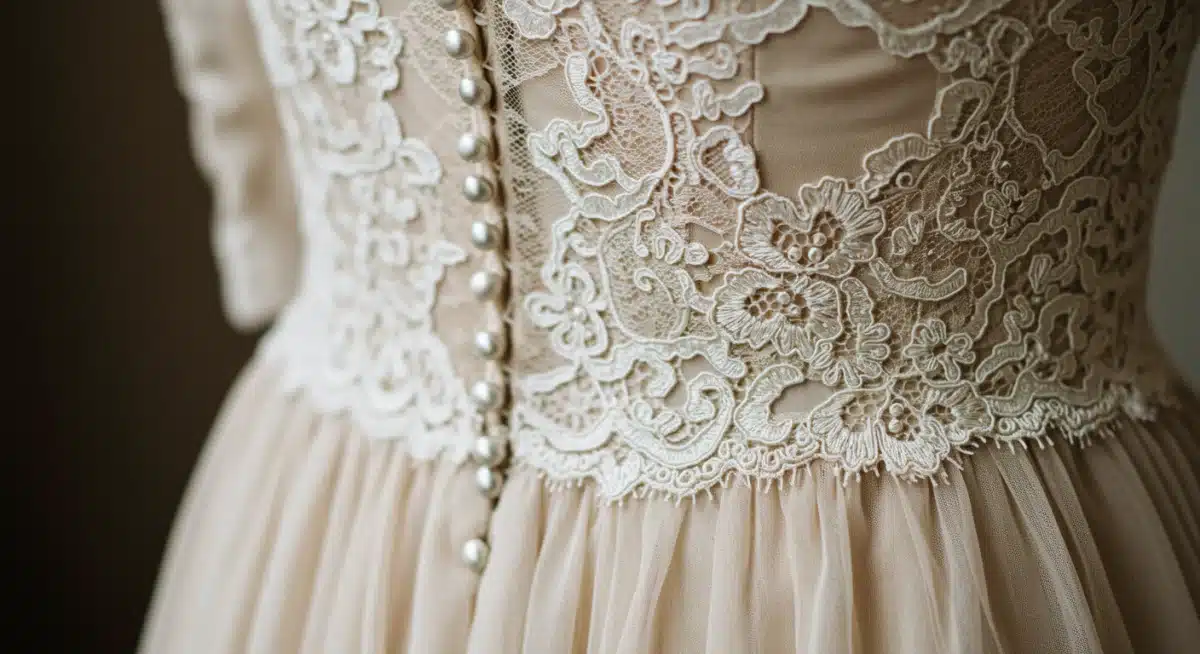
Embracing vintage aesthetics often means prioritizing quality craftsmanship and durable materials, echoing an era when clothing was made to last. This contrasts sharply with fast fashion’s disposable nature, offering a more environmentally friendly alternative.
- Longevity: Designs rooted in classic styles tend to have a longer lifespan, transcending fleeting trends.
- Resource Conservation: Reinterpreting existing designs reduces the need for new raw material extraction and manufacturing processes.
- Ethical Production: Many vintage-inspired brands prioritize ethical sourcing and production, appealing to conscious consumers.
The emphasis on sustainable practices extends beyond just the garment itself. It encompasses the entire lifecycle, from design to eventual disposal or recycling. By drawing inspiration from the past, designers can create pieces that are not only beautiful but also mindful of their environmental impact, resonating with a growing segment of the market.
The movement towards conscious consumption is not just a trend; it’s a fundamental shift in how people view their purchases. Vintage-inspired fashion, with its inherent connection to quality and timelessness, naturally fits into this evolving consumer mindset. It’s about investing in pieces that endure, both in style and in substance, thereby reducing overall waste.
The Quest for Individuality and Unique Expression
In a world saturated with mass-produced fashion, many individuals crave uniqueness and a way to express their personal style that stands out from the crowd. Vintage-inspired pieces provide an ideal canvas for this, allowing for creative interpretation and a distinct aesthetic that avoids uniformity.
Unlike purely trend-driven items that quickly become ubiquitous, vintage-inspired designs offer a sense of rarity and curated style. They allow wearers to tell a story through their clothing, showcasing a personality that values history, artistry, and a departure from the ordinary.
Breaking Away from Mainstream Monotony
The desire to move beyond identical outfits seen on social media or in every mall is a powerful motivator. Vintage-inspired fashion offers a refreshing alternative, allowing for a more eclectic and personal approach to dressing.
- Distinct Silhouettes: Unconventional cuts and shapes from past eras offer a unique profile.
- Rich Textures and Prints: Fabrics and patterns not commonly found in modern collections add depth and character.
- Handcrafted Details: Embellishments and finishes reminiscent of artisanal techniques lend an air of exclusivity.
This pursuit of individuality also fosters a greater appreciation for the craftsmanship and design principles of earlier periods. Consumers are increasingly seeking out pieces that feel special, that have a narrative, and that reflect a more thoughtful approach to personal presentation. Vintage-inspired collections meet this demand by offering a diverse range of styles that can be mixed and matched to create truly unique ensembles.
Ultimately, the quest for individuality is about self-expression and building a wardrobe that authentically represents who you are. Vintage-inspired pieces, with their inherent character and historical resonance, provide an exceptional avenue for achieving this, ensuring their continued popularity in seasonal fashion landscapes.
Designers Reimagining Archival Silhouettes and Details
Contemporary designers are increasingly delving into fashion archives, not merely to copy, but to reinterpret and innovate. This deep dive into historical garments provides a rich source of inspiration, allowing for the creation of new pieces that carry echoes of the past while firmly rooted in the present. The careful balance between homage and innovation is key to their success.
The process involves dissecting classic designs, understanding their construction, and then infusing them with modern sensibilities, fabrics, and functionality. This results in collections that feel both nostalgic and cutting-edge, appealing to a broad spectrum of fashion enthusiasts.
Key Elements Reinterpreted for Modern Appeal
Designers focus on specific elements that define a particular era, translating them into contemporary contexts. This might involve updating a fabric, adjusting a proportion, or combining elements from different historical periods to create something entirely new.
- Puff Sleeves: Reimagined from the Victorian and 1980s eras, often with a more structured or exaggerated form.
- Waist Cinching: A nod to 1950s glamour, achieved through modern corsetry or belting techniques.
- Art Deco Prints: Geometric patterns from the 1920s and 30s, rendered in contemporary color palettes.
- Wide-Leg Trousers: Revived from the 1970s, now often with higher waists and more fluid drapes.
The ingenuity lies in taking these recognizable elements and making them relevant for today’s consumer. It’s about understanding the essence of a vintage style and then adapting it to fit modern lifestyles and aesthetic preferences. This creative dialogue between past and present is what keeps vintage-inspired fashion dynamic and exciting.
By reimagining archival silhouettes and details, designers are not just recycling old ideas; they are engaging in a sophisticated form of design evolution. They are preserving the beauty and craftsmanship of historical fashion while ensuring its continued relevance and appeal in the fast-paced world of seasonal collections.
The Influence of Pop Culture and Social Media
Pop culture has always been a powerful catalyst for fashion trends, and in the digital age, social media amplifies this influence exponentially. Period dramas, celebrity styling, and fashion influencers regularly showcase vintage-inspired looks, making them highly visible and aspirational to a global audience.
Platforms like Instagram and TikTok are awash with users sharing their takes on retro aesthetics, creating a viral loop that further fuels the demand for these styles. This constant exposure normalizes and popularizes vintage-inspired fashion, making it a staple in seasonal collections.
From Screen to Street: The Trend Acceleration
When a character in a popular series sports a particular vintage-inspired outfit, or an influencer styles a retro piece in a fresh way, the impact is immediate. This rapid dissemination of trends means that what was once a niche interest can quickly become a mainstream desire.
- Television Series: Shows like ‘The Crown’ or ‘Bridgerton’ spark interest in specific historical aesthetics.
- Celebrity Endorsements: Stars wearing vintage or vintage-inspired pieces on red carpets or in daily life.
- Influencer Marketing: Fashion creators demonstrating how to style retro items for contemporary looks.
Social media also democratizes fashion, allowing anyone to become a trendsetter by showcasing their unique vintage-inspired ensembles. This participatory culture reinforces the appeal, as individuals feel empowered to experiment with and adopt these styles. The visual nature of these platforms is perfectly suited to highlighting the aesthetic charm of retro fashion.
The symbiotic relationship between pop culture, social media, and fashion ensures that vintage-inspired pieces remain at the forefront of seasonal trends. As long as there’s a fascination with the past and a desire for visually engaging content, these styles will continue to find new audiences and interpretations.
Accessibility and Versatility in Modern Wardrobes
One of the key reasons for the sustained comeback of vintage-inspired pieces is their remarkable accessibility and versatility. Unlike authentic vintage, which can be challenging to source and fit, modern interpretations offer the same aesthetic appeal with contemporary sizing, comfort, and care instructions. This makes them far more practical for everyday wear.
Furthermore, these pieces are designed to integrate seamlessly into existing wardrobes, proving that vintage inspiration doesn’t require a complete stylistic overhaul. They can be dressed up or down, mixed with contemporary items, and adapted to various occasions, making them incredibly valuable additions to any seasonal collection.
Effortless Integration into Contemporary Style
The beauty of vintage-inspired fashion lies in its ability to elevate and add character to even the simplest outfits. A classic tweed blazer, a floral midi dress, or a pair of high-waisted jeans can instantly inject a touch of retro charm without feeling costume-like.
- Mix-and-Match Potential: Pair a vintage-inspired blouse with modern trousers or a retro skirt with a contemporary top.
- Comfort and Fit: Modern manufacturing ensures comfortable fabrics and accurate sizing, unlike many true vintage items.
- Seasonal Adaptability: From light summer dresses to cozy winter knits, vintage inspiration spans all seasons.
This versatility encourages experimentation and creativity, allowing individuals to craft unique looks that reflect their personality. The ease with which these pieces can be incorporated into different styles makes them a go-to choice for consumers seeking both fashion-forward appeal and timeless elegance. They are not just statement pieces but foundational elements that enhance a wardrobe’s depth.
In conclusion, the accessibility and versatility of vintage-inspired pieces are crucial factors in their enduring popularity. They offer the best of both worlds: the charm and character of historical fashion combined with the practicality and comfort of modern design, ensuring their continued prominence in seasonal collections.
| Key Aspect | Brief Description |
|---|---|
| Nostalgia & Appeal | Emotional connection to past eras drives desire for classic silhouettes and details. |
| Sustainability Focus | Eco-conscious consumers seek durable, timeless pieces that reduce environmental impact. |
| Individuality | Desire for unique, expressive style that stands apart from mass-produced fashion. |
| Designer Reinterpretation | Modern designers skillfully adapt historical elements for contemporary appeal and functionality. |
Frequently Asked Questions About Vintage-Inspired Fashion
Vintage-inspired fashion refers to new garments and accessories that draw heavily on the styles, silhouettes, and details of past eras, typically from the 1920s to the 1990s. Unlike true vintage, these pieces are newly manufactured but designed to evoke a retro aesthetic, blending old-world charm with modern wearability.
True vintage refers to original garments made in a previous era, typically at least 20 years old. Vintage-inspired items are newly made but designed to look like they are from a past era. They offer modern sizing, fabrics, and construction, making them often more practical and easier to care for than authentic vintage pieces.
Their popularity stems from several factors, including a desire for nostalgia, individuality, and sustainability. Designers reinterpret classic looks to offer fresh perspectives, while consumers appreciate the unique aesthetic and the ability to integrate timeless pieces into their modern wardrobes. Pop culture also plays a significant role in their visibility.
Yes, they can be a sustainable choice. By focusing on timeless designs and quality construction, vintage-inspired pieces promote longevity in wardrobes, reducing the cycle of fast fashion. Many brands creating these items also prioritize ethical sourcing and sustainable manufacturing processes, aligning with conscious consumption values.
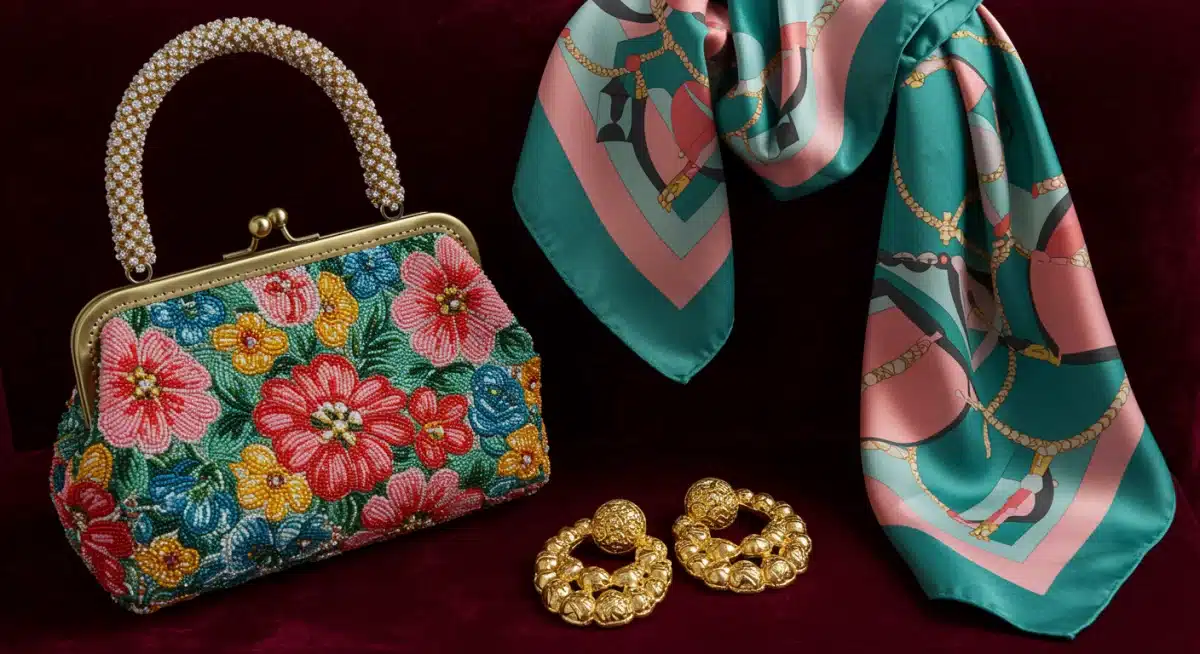
Start by mixing and matching. Pair a retro-style top with modern jeans, or a vintage-inspired skirt with a contemporary sweater. Focus on one or two key pieces to avoid a costume-like look. Accessories like scarves, handbags, or jewelry are also excellent ways to add a subtle touch of vintage charm to any outfit.
Conclusion
The resurgence of vintage-inspired pieces in seasonal collections is far more than a fleeting trend; it’s a testament to the enduring power of classic design, the growing demand for sustainable fashion, and the universal desire for individuality. As designers continue to reinterpret history with a modern lens, and consumers increasingly seek meaning and longevity in their purchases, these timeless styles will undoubtedly remain a cornerstone of contemporary fashion. Embracing vintage inspiration allows us to celebrate the past while confidently stepping into the future, creating wardrobes that are rich in character, ethically conscious, and uniquely our own.