Designer Jeans: The Unseen Impact of Pocket Placement
Advertisements
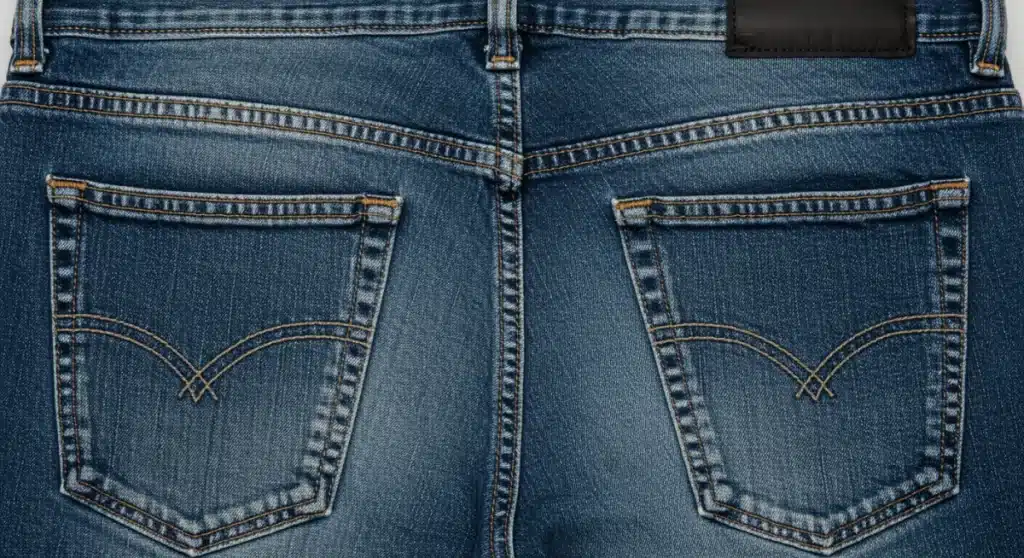
The strategic placement of pockets on designer jeans is a rarely discussed yet pivotal design element that profoundly influences how denim flatters your figure, defining the overall aesthetic and perceived quality of the garment.
The Detail in Designer Jeans Nobody Talks About: Pocket Placement
When you invest in a pair of designer jeans, you expect superior fabric, impeccable craftsmanship, and a flattering fit. Yet, there’s one subtle but incredibly powerful design element that often goes unacknowledged: the detail in designer jeans nobody talks about: pocket placement. This seemingly minor aspect plays a monumental role in how a pair of jeans shapes your silhouette, enhances your curves, or even creates the illusion of a different body type. It’s a testament to the meticulous artistry that distinguishes premium denim from its fast-fashion counterparts, a silent architect of your style.
Advertisements
The Unsung Hero of Denim Design: Why Pocket Placement Matters
The world of denim is vast, but the difference between a good pair of jeans and a truly exceptional one often lies in the details. Among these, the positioning of back pockets stands out as a critical, yet frequently overlooked, factor. It’s not just about aesthetics; it’s about illusion, proportion, and how the garment interacts with the wearer’s body.
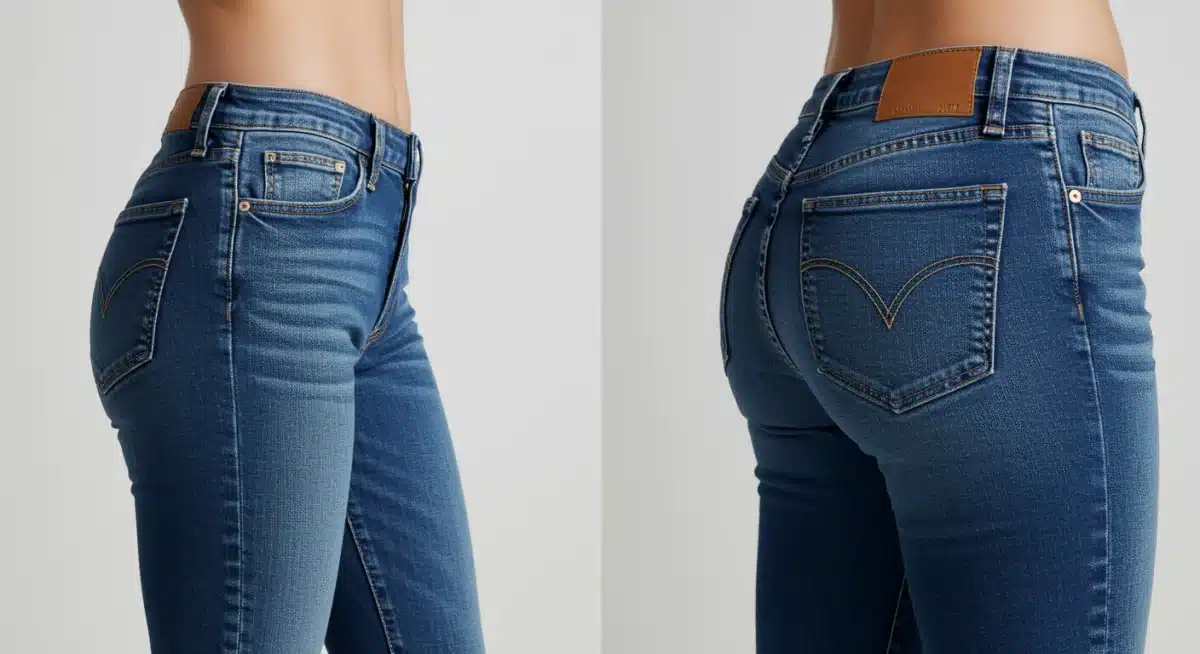
Think about the last time you tried on a pair of jeans that just didn’t feel right, even if the waist and length were perfect. Chances are, the pocket placement might have been a contributing factor. Designers understand that these small fabric squares, when strategically placed, can lift, widen, narrow, or flatten the appearance of the derriere, dramatically altering the overall visual impact of the jeans. This is where expertise and experience truly come into play, transforming a simple piece of clothing into a sculpted work of art.
Advertisements
The Art of Visual Enhancement
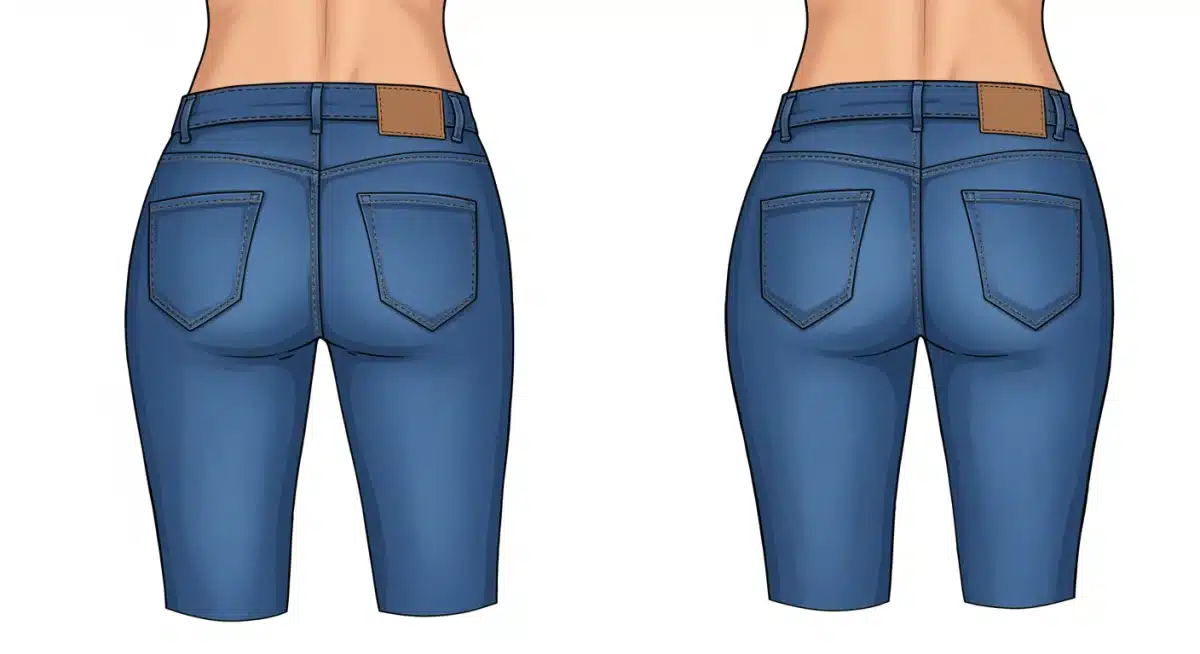
Pocket placement is a sophisticated tool for visual enhancement. A well-placed pocket can create the illusion of a more lifted and shapely rear, while poorly positioned pockets can inadvertently draw attention to areas one might prefer to de-emphasize. It’s a delicate balance of height, width, and angle that denim experts spend years perfecting.
- Lifting Effect: Pockets positioned slightly higher on the curve of the derriere can create a natural lifting effect, making the rear appear firmer and more sculpted.
- Widening Effect: Pockets placed further apart can give the illusion of wider hips, balancing out proportions for those with narrower frames.
- Narrowing Effect: Conversely, pockets placed closer together can minimize the appearance of width, offering a more streamlined look.
- Flattering Proportions: The size and shape of the pocket itself also contribute, with smaller pockets often appearing to enlarge the area and larger pockets providing a more understated look.
The impact of this design choice extends beyond just the rear view. The overall harmony of the jeans, from the waistline to the hem, is influenced by how the pockets integrate into the design. It’s a foundational element that dictates the entire flow of the garment on the body.
Ultimately, understanding the nuances of pocket placement empowers consumers to make more informed choices when selecting denim. It shifts the focus from merely finding jeans that fit to finding jeans that truly flatter, transforming an everyday item into a cornerstone of personal style.
The Science Behind the Stitch: Proportions and Perception
Beyond artistic intuition, there’s a tangible science to how pocket placement influences perceived proportions. It’s an intricate dance between geometry and human perception, where millimeters can make a world of difference. Designer brands invest heavily in research and development to understand these subtle effects, ensuring their denim consistently delivers a superior aesthetic result.
The human eye naturally seeks balance and proportion. When pockets are placed optimally, they create a visual equilibrium that makes the wearer appear more statuesque and harmonious. This isn’t just about making the derriere look good; it’s about how the entire lower body is framed and perceived, from the waist to the thighs.
Key Proportional Considerations
Several factors are meticulously calculated when determining the ideal pocket placement for a particular style or fit of designer jeans. These considerations are often specific to the target demographic and the intended aesthetic of the denim line.
- The ‘Golden Ratio’ Principle: Many designers unconsciously, or consciously, apply principles of the golden ratio to pocket positioning, aiming for visually pleasing proportions that are inherently attractive to the human eye.
- Torso-to-Leg Ratio: The placement of pockets can influence how long or short the legs appear. Higher pockets can elongate the leg line, especially when combined with a high-waisted cut.
- Hip-to-Waist Ratio: Pockets can emphasize or soften the transition from the waist to the hips, playing a crucial role in creating or diminishing an hourglass figure.
- Curve Enhancement: The exact curvature of the pocket’s top edge, its distance from the side seam, and its height relative to the yoke all contribute to how much a curve is accentuated or minimized.
The intricate interplay of these elements is what elevates designer denim. It’s not just about sewing a pocket onto a piece of fabric; it’s about crafting an illusion that enhances the wearer’s natural form. This level of detail requires not only skilled artisans but also designers with a profound understanding of body mechanics and visual psychology.
Ultimately, the science of pocket placement is about creating a garment that doesn’t just fit, but truly complements the wearer, making them feel confident and stylish. It’s a silent language of design that speaks volumes about the quality and thought behind a pair of premium jeans.
Historical Evolution: From Utility to Aesthetic Statement
The journey of jean pockets from purely functional elements to sophisticated design features is a fascinating chapter in fashion history. Originally, pockets were designed for utility, intended to hold tools, coins, or other small necessities for laborers. Their placement was dictated by practicality, often positioned for easy access and durability in rugged environments.
As jeans transitioned from workwear to mainstream fashion, particularly in the mid-20th century, designers began to recognize the aesthetic potential of these utilitarian details. The back pocket, in particular, became a canvas for branding and style, evolving from a simple patch to an integral part of the garment’s overall look. This shift marked a pivotal moment, transforming jeans from mere clothing into a powerful fashion statement.
Defining Eras Through Pocket Design
Different eras have seen distinct trends in pocket placement, reflecting the prevailing fashion sensibilities and ideals of body shape. Each decade brought its own interpretation, influencing what was considered flattering and stylish.
- Early Workwear (Late 1800s – Early 1900s): Pockets were large, sturdy, and often placed lower on the seat for maximum carrying capacity and ease of access while working. Aesthetics were secondary.
- 1950s & 60s: As jeans became synonymous with youth culture and rebellion, pockets started to move higher and often featured decorative stitching, symbolizing a move towards style over pure utility. Slimmer fits began to emerge.
- 1970s & 80s: The rise of designer denim brought a greater emphasis on flattering cuts. Pockets became more varied in size and placement, with some brands experimenting with smaller, higher pockets to create a ‘lifted’ look, while others opted for larger, more relaxed styles.
- 1990s & 2000s: Low-rise jeans often featured pockets that were positioned lower on the hip, emphasizing a different silhouette. The rise of premium denim further solidified the importance of meticulous pocket design.
Today, the historical evolution of pocket placement continues to inform contemporary design. Vintage styles often inspire modern interpretations, proving that while trends come and go, the fundamental principles of proportion and perception remain timeless. Understanding this evolution helps appreciate the depth of thought that goes into modern designer denim.
The Subtle Art of Pocket Sizing and Shaping
While placement is paramount, the size and shape of the back pockets themselves are equally critical components of the overall design aesthetic in designer jeans. These two elements work in tandem with placement to sculpt the silhouette, creating illusions that can significantly alter how a body is perceived. It’s a nuanced art, where even a slight variation can change the entire dynamic of the garment.
Think of pockets as miniature canvases on the landscape of denim. Their dimensions and contours are carefully considered to complement the cut of the jeans and the intended body shape. A pocket that is too large or too small for a particular area can throw off proportions, regardless of its placement.
Impact of Pocket Dimensions
The dimensions of a pocket—its height, width, and the angle of its top edge—are not arbitrary. They are calculated to enhance or minimize certain features, contributing to the overall desired effect of the jeans.
- Pocket Height: Taller pockets can elongate the derriere, while shorter, wider pockets can create a more rounded appearance.
- Pocket Width: Narrower pockets tend to make the area appear smaller, while wider pockets can add visual volume or balance broader hips.
- Top Edge Curvature: A more curved top edge can soften the lines and contribute to a more rounded look, whereas a straighter, more angular top can suggest a firmer, more athletic shape.
- Stitching and Embellishments: The type of stitching, embroidery, or even the presence of flaps can also influence the perceived size and shape, adding depth and detail.
The mastery of pocket sizing and shaping is what distinguishes true denim artistry. It requires an understanding of how different body types interact with fabric and design, ensuring that each pair of designer jeans offers a flattering and aesthetically pleasing result. This attention to detail is a hallmark of quality and a key reason why consumers gravitate towards premium brands.
Designer Secrets: How Brands Master Pocket Placement
Behind every iconic pair of designer jeans lies a team of skilled artisans and designers who meticulously obsess over every detail, especially pocket placement. This isn’t a task left to chance; it’s a deliberate and often iterative process involving extensive prototyping, fitting sessions, and a deep understanding of human anatomy and fashion trends.
Designer brands understand that their reputation often hinges on the fit and flattery their denim provides. Therefore, they employ specialized techniques and insights to ensure their pocket placement consistently delivers the desired aesthetic and comfort. It’s a significant investment in both time and resources, reflecting the value placed on this seemingly small detail.
The Design Process and Expertise
The journey to perfect pocket placement involves several crucial steps, each requiring specialized knowledge and an eye for detail. This rigorous process is what sets designer jeans apart from mass-produced alternatives.
- Body Mapping and Prototyping: Designers often use body mapping techniques and 3D modeling to understand how fabric drapes and how pockets will sit on various body shapes. Multiple prototypes are created and tested on live models.
- Ergonomic Considerations: Beyond aesthetics, pockets must also be functional and comfortable. Placement accounts for natural body movements, ensuring the pockets don’t bunch or pull awkwardly.
- Brand Signature: Many designer brands develop a signature pocket placement that becomes recognizable. This consistency helps build brand identity and customer loyalty, as consumers know they can expect a certain flattering effect.
- Material Interaction: The type of denim—whether it’s rigid, stretchy, thick, or thin—also influences pocket placement. Designers adjust positioning to account for how the fabric will behave and drape on the body.
This level of dedication to precision highlights why the detail in designer jeans nobody talks about: pocket placement is so vital. It’s a silent promise of quality and thoughtful design, a commitment to creating a garment that not only looks good but also makes the wearer feel good. The expertise involved transforms denim into a wearable work of art.
Choosing Your Perfect Pair: Practical Tips for Pocket Placement
Armed with the knowledge of how influential pocket placement is, you can now approach denim shopping with a more discerning eye. Selecting the right pair of jeans goes beyond just waist size and inseam; it involves understanding how the back pockets will flatter your unique body shape. This strategic approach ensures you invest in jeans that not only fit well but also enhance your silhouette and boost your confidence.
Don’t fall into the trap of buying jeans solely based on front-facing appeal. Always take the time to examine the rear view, as this is where pocket placement truly shines—or falls short. A few simple tips can guide you toward making an informed decision that will elevate your denim game.
What to Look for When Trying On Jeans
When you’re in the fitting room, pay close attention to these specific aspects of pocket placement. These observations will help you determine if the jeans are truly the right fit for your figure.
- The ‘Lift’ Factor: Stand sideways and check if the pockets appear to lift your derriere. Generally, pockets that start just above the fullest part of your glutes and end around the mid-point tend to be most flattering.
- Symmetry and Balance: Ensure the pockets are symmetrical and balanced on both sides. Uneven placement can create an awkward and unflattering appearance.
- Distance from Side Seams: Pockets that are too close to the side seams can make hips appear wider, while those too close to the center seam can make the derriere look flattened. Aim for a balanced distance that complements your natural width.
- Pocket Size Relative to Your Body: Smaller pockets on a larger frame can make the area appear bigger, and vice-versa. Choose pockets that are proportionate to your body type.
- The ‘Smile’ or ‘Frown’ Effect: The top edge of the pocket can create a subtle ‘smile’ (curved upwards) or ‘frown’ (curved downwards) effect. A slight ‘smile’ often contributes to a more lifted look.
Remember, the goal is to find jeans where the pockets work with your body, not against it. Don’t be afraid to try on multiple styles and brands. The perfect pair exists, and understanding the nuances of pocket placement is your secret weapon to finding it. This attention to detail transforms the mundane act of buying jeans into a thoughtful investment in your personal style.
Beyond the Back: Front Pocket Dynamics and Overall Fit
While the focus often remains on the back pockets, the design and placement of front pockets also contribute significantly to the overall fit and aesthetic of designer jeans. These subtle elements, though less overtly transformative than their rear counterparts, play a crucial role in how the jeans sit on the hips, the sleekness of the silhouette, and even the comfort level. Overlooking them would be akin to appreciating a painting but ignoring its frame.
Front pockets, whether they are classic scoop pockets, subtle slant pockets, or even decorative false pockets, influence how the fabric drapes over the hips and thighs. Their depth, angle, and proximity to the side seams can either streamline the figure or add unwanted bulk, especially around the hip area.
Front Pocket Types and Their Impact
Different styles of front pockets are designed to achieve specific aesthetic and functional outcomes, each with its own set of advantages and considerations.
- Scoop Pockets: The most common type, these classic curved pockets can sometimes gape open if the jeans are too tight, potentially adding bulk. Well-designed scoop pockets lie flat and integrate seamlessly into the hip line.
- Slant Pockets: Often seen in more tailored or trouser-style jeans, slant pockets offer a cleaner, more streamlined look as they follow the natural curve of the hip. They tend to be less prone to gaping.
- Coin/Watch Pockets: These small pockets, typically located within the right front pocket, are largely decorative now but add a touch of classic denim heritage. Their size and stitching can subtly enhance the jeans’ craftsmanship.
- False Pockets or No Pockets: Some designer jeans, particularly those aiming for a very sleek, minimalist look, may feature false front pockets or no front pockets at all to avoid any potential bulk or interruption of the silhouette.
The depth of front pockets is also a consideration. Shallow pockets might be aesthetically pleasing but offer little utility, while overly deep pockets can bunch up and create an unflattering bulge. Designer brands strike a balance, ensuring pockets are both practical and visually harmonious, contributing to the overall refined appearance of the jeans.
Ultimately, a truly well-designed pair of designer jeans considers every aspect of pocket dynamics, front and back, to create a garment that is both functional and flawlessly flattering. It’s this holistic approach to design that elevates premium denim to an art form, ensuring that every detail, no matter how small, contributes to a superior wearing experience.
The Long-Term Value of Thoughtful Design
Investing in designer jeans, particularly those that pay meticulous attention to details like pocket placement, offers long-term value that extends far beyond initial cost. This isn’t just about owning a brand name; it’s about acquiring a garment that is engineered for longevity, flattering appeal, and enduring style. The thoughtful design inherent in premium denim ensures it remains a staple in your wardrobe for years, adapting to trends while maintaining its classic appeal.
The meticulous effort put into each seam, wash, and pocket placement means these jeans are built to last, both in terms of physical durability and timeless aesthetic. Fast fashion often sacrifices these nuances for quick production, resulting in garments that quickly lose their shape, appeal, and structural integrity. Designer denim, conversely, is a testament to the power of considered craftsmanship.
Why Quality Design Endures
Several factors contribute to the lasting value of designer jeans, especially those where design elements like pocket placement are optimized for perfection.
- Enhanced Durability: Superior construction, including reinforced stitching and high-quality denim fabric, means designer jeans withstand wear and tear much better. This reduces the need for frequent replacements.
- Timeless Appeal: Designs that prioritize classic proportions and flattering silhouettes, often achieved through expert pocket placement, tend to transcend fleeting trends. A well-designed pair of jeans will look stylish for many seasons.
- Confidence Boost: A garment that consistently makes you look and feel good is invaluable. The subtle enhancements provided by expert pocket placement contribute significantly to personal confidence and comfort.
- Sustainable Choice: Investing in fewer, higher-quality items is inherently more sustainable. By choosing durable, well-designed jeans, you reduce your consumption and environmental impact compared to constantly replacing fast-fashion alternatives.
Ultimately, the long-term value of designer jeans with thoughtful design lies in their ability to consistently deliver on the promise of quality, comfort, and style. The detail in designer jeans nobody talks about: pocket placement is a prime example of how small, often unnoticed, design choices can have a profound and lasting impact on the wearer’s experience and the garment’s overall worth. It’s an investment in yourself and in craftsmanship that truly matters.
| Key Aspect | Brief Description |
|---|---|
| Visual Enhancement | Strategic pocket placement creates illusions of lifting, widening, or narrowing the derriere for a flattering silhouette. |
| Proportional Science | Designers use precise calculations to balance proportions, influencing perceived leg length and hip-to-waist ratio. |
| Sizing & Shaping | Pocket dimensions and curvature are tailored to complement the body, impacting perceived size and shape of the area. |
| Designer Expertise | Brands invest in extensive prototyping and body mapping to achieve optimal, consistent pocket aesthetics. |
Frequently Asked Questions About Jean Pocket Placement
Pocket placement is crucial because it significantly influences the perceived shape and proportion of your rear and entire lower body. Expertly placed pockets can lift, flatter, or balance your silhouette, distinguishing designer denim from less thoughtful designs that might inadvertently flatten or distort your figure.
Higher pockets tend to create a more lifted and rounded appearance, making the derriere seem more sculpted. Conversely, pockets placed too low can make the rear look flatter or longer. The ideal height typically aligns with the natural curve of your glutes for maximum flattery.
Absolutely. Pockets placed further apart can create the illusion of wider hips, which can balance proportions for narrow frames. Pockets positioned closer together, however, can make the hips appear narrower or the derriere more streamlined. It’s a key tool for visual proportion control.
When trying on jeans, always check the rear view in a mirror. Look for pockets that are symmetrical, proportionate to your body size, and appear to lift or flatter your natural curve. Avoid pockets that gape, bunch, or are significantly off-center, as these can detract from the overall look.
Yes, front pockets are important too. While less dramatic than back pockets, their design and depth affect how the jeans lay over your hips and thighs. Well-designed front pockets lie flat and avoid adding bulk, contributing to a sleek and comfortable fit. Poorly designed ones can create unwanted bulges.
Conclusion
The journey through the intricate world of jean pocket placement reveals that this seemingly minor detail is, in fact, a cornerstone of designer denim’s appeal. It’s a silent language of design, meticulously crafted to sculpt, flatter, and enhance the wearer’s silhouette. From the historical evolution of utility to the sophisticated science of proportion and perception, every aspect of pocket design contributes to the overall aesthetic and value of a pair of jeans. Understanding this often-overlooked secret empowers you to make more informed choices, transforming your denim wardrobe into a curated collection of pieces that truly celebrate your unique form. The next time you slip into a pair of designer jeans, take a moment to appreciate the artistry behind the pockets – a testament to the thoughtful design that elevates everyday wear into an art form.