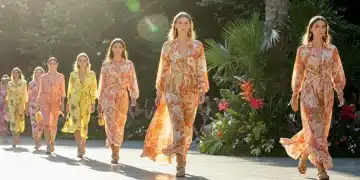
Sustainable Seasonal Drops: Brands Leading Eco-Friendly Collections in 2026

Advertisements
The fashion industry is hitting a major turning point, moving beyond mere trends toward a permanent commitment to the planet. Eco-Friendly Fashion Drops are now the gold standard, blending cutting-edge style with a deep respect for our global ecosystems.
In 2026, forward-thinking labels are ditching the traditional fast-fashion model to embrace circularity and ethical production. These conscious seasonal launches prioritize carbon-neutral logistics and regenerative materials, ensuring that every new piece leaves a positive mark.
From mushroom-based leather to air-purifying denim, these industry leaders are proving that high-end aesthetics can thrive alongside green values. Explore how these ten visionary brands are redefining modern wardrobes through innovative, earth-conscious collections.
Advertisements
The Urgency for Sustainable Fashion Practices
The fashion industry’s environmental impact has long been a critical concern, with significant contributions to pollution, waste, and resource depletion.
This necessitates a fundamental reevaluation of traditional production models and consumption patterns, especially in the context of fast fashion.
Advertisements
Recognizing this, a growing number of brands are actively embracing sustainability as a core business principle, moving beyond mere compliance to genuine innovation.
Their efforts are crucial in mitigating the industry’s footprint and fostering a more regenerative approach to clothing production.
The demand for eco-friendly alternatives is surging among consumers who are increasingly informed about the consequences of their purchasing decisions.
This consumer-driven pressure is a powerful catalyst for change, compelling brands to adopt more responsible practices and transparency.
Defining Eco-Friendly Seasonal Drops
Eco-friendly seasonal drops refer to collections released by brands that integrate sustainable practices throughout their entire lifecycle, from design to disposal.
This encompasses using responsibly sourced materials, ethical manufacturing processes, and designs that promote longevity.
These collections often feature innovative materials such as organic cotton, recycled polyester, Tencel, and upcycled fabrics, minimizing the reliance on virgin resources.
The goal is to reduce environmental impact while offering stylish and high-quality garments that appeal to conscious consumers.
Furthermore, eco-friendly drops emphasize transparency in their supply chains, allowing consumers to trace the origins of their clothing and understand the ethical conditions under which they were produced.
This commitment to openness builds trust and reinforces the brand’s sustainable mission.
Consumer Demand and Industry Response
Consumer preferences are undeniably shifting towards sustainable products, with surveys consistently showing a willingness to pay more for ethically produced goods.
This growing awareness is pushing brands to integrate sustainability not just as a marketing ploy, but as a core business strategy.
Brands that fail to adapt risk losing market share to competitors who prioritize environmental and social responsibility.
The industry’s response to this demand includes investing in research and development for new materials, optimizing production processes, and engaging in circular economy initiatives.
This responsiveness signifies a broader industry-wide acknowledgment that sustainability is no longer optional but a prerequisite for long-term success and relevance in the modern fashion market. The brands highlighted in the Eco-Friendly Fashion Drops are at the forefront of this movement.
Pioneering Brands Leading the Charge in 2026
Several brands are distinguishing themselves through their unwavering commitment to sustainability in their seasonal collections for 2026. These companies are not only producing eco-friendly garments but are also actively innovating in materials, production, and supply chain management.
Their leadership sets a powerful example for the wider industry, demonstrating that profitability and ecological responsibility are not mutually exclusive goals.
These brands are proving that a sustainable business model can thrive while delivering high-quality, desirable fashion to consumers.
By showcasing these leaders, we aim to provide insight into the diverse strategies employed to achieve sustainability, from incorporating recycled materials to implementing ethical labor practices. Each brand offers a unique perspective on what constitutes truly eco-friendly fashion.
Patagonia’s Enduring Commitment
Patagonia continues its legacy as a frontrunner in sustainable apparel, with its 2026 seasonal drops expected to feature an even greater percentage of recycled and organic materials.
Their focus remains on durability and repairability, actively encouraging customers to extend the life of their garments.
The brand’s commitment extends to fair trade practices and environmental activism, often donating a portion of sales to grassroots environmental organizations.
Patagonia’s transparent supply chain and robust repair programs set a high standard for the industry, emphasizing longevity over fast consumption.
Their upcoming collections will likely highlight advancements in recycled down and synthetic insulation, alongside continued efforts to reduce water usage in their dyeing processes. This holistic approach makes Patagonia a consistent leader in Eco-Friendly Fashion Drops.
Stella McCartney’s Luxury Eco-Vision
Stella McCartney remains a beacon of luxury sustainable fashion, consistently pushing boundaries with innovative, animal-free materials and responsible manufacturing.
Her 2026 collections are anticipated to further integrate bio-based fabrics and advanced recycling technologies.
The brand avoids leather, fur, and feathers, opting instead for materials like vegan leather made from mushrooms or plant-based alternatives.
McCartney’s design philosophy seamlessly blends high fashion with a deep respect for the planet, proving that luxury can be entirely ethical.
Her influence extends beyond her own brand, as she actively advocates for policy changes within the fashion industry and collaborates with material innovators. Stella McCartney epitomizes how high-end design can align perfectly with the principles of Eco-Friendly Fashion Drops.
Reformation’s Transparent Approach
Reformation has built its brand around transparency and sustainability, offering stylish, ready-to-wear pieces with a clear environmental footprint.
Their 2026 seasonal drops will continue to prioritize sustainable fabrics like Tencel, linen, and recycled content, alongside comprehensive impact reports.
The brand provides a ‘RefScale’ for each product, detailing its environmental savings in terms of water, waste, and carbon emissions.
This level of transparency empowers consumers to make informed choices and encourages other brands to follow suit in reporting their environmental impact.
Reformation’s commitment to ethical sourcing and responsible production extends to their factories, ensuring fair wages and safe working conditions. They are a prime example of a brand making Eco-Friendly Fashion Drops accessible and desirable to a broad audience.
Innovations in Materials and Production
The backbone of Eco-Friendly Fashion Drops lies in continuous innovation in materials and production techniques. Researchers and brands are collaborating to develop alternatives that are less resource-intensive and more environmentally benign than traditional options.
These innovations range from the creation of entirely new fibers from agricultural waste to advanced recycling processes that give new life to discarded textiles.
The goal is to close the loop on fashion, transforming it into a circular economy where waste is minimized and resources are continually reused.
Such advancements are crucial for scalability, enabling more brands to transition towards sustainable practices without compromising on quality or aesthetic appeal. The future of eco-friendly fashion is deeply intertwined with these technological breakthroughs.
Bio-Based and Recycled Fabrics
The development of bio-based fabrics, derived from natural sources like plants and fungi, is revolutionizing sustainable fashion.
Materials such as Pinatex (pineapple leaf fiber) and Mylo (mushroom mycelium leather) offer compelling alternatives to traditional animal-derived or petroleum-based materials.
Recycled fabrics, including regenerated nylon from fishing nets and recycled polyester from plastic bottles, are also becoming standard in eco-friendly collections.
These materials divert waste from landfills and oceans, significantly reducing the environmental footprint of new garments.
Brands are increasingly blending these innovative materials to create textiles that offer superior performance, comfort, and durability, proving that sustainable options can surpass conventional ones in both quality and environmental benefit.
This push for new materials defines the direction of 10 Brands Leading Eco-Friendly Collections in 2026.
Circular Economy Principles in Action
Many brands are adopting circular economy principles, moving away from the linear ‘take-make-dispose’ model towards systems that prioritize reuse, repair, and recycling. This involves designing products for longevity and end-of-life considerations from the outset.
Initiatives like take-back programs, where customers can return old garments for recycling or resale, are becoming more common. These programs ensure that valuable materials remain in circulation, reducing the demand for new resources and minimizing waste.
The integration of digital product passports, which provide information about a garment’s composition and care instructions, further supports circularity by enabling more effective recycling and repair. This holistic approach is central to the mission of Eco-Friendly Fashion Drops.
Ethical Sourcing and Fair Labor Practices
Beyond environmental concerns, ethical sourcing and fair labor practices are foundational pillars of sustainable fashion.
Brands are increasingly scrutinized for their supply chain integrity, with consumers demanding assurance that their clothing is produced under humane and equitable conditions.
This involves rigorous auditing of factories, ensuring fair wages, safe working environments, and the absence of child labor or forced labor. Transparency in the supply chain is critical, allowing brands to track their products from raw material to finished garment.
The brands highlighted in Eco-Friendly Fashion Drops are actively working to build trust with their consumers by demonstrating a clear commitment to social responsibility alongside environmental stewardship.
Transparency in the Supply Chain
Achieving true transparency in the fashion supply chain is a complex but essential endeavor. Brands are leveraging technology, such as blockchain, to create immutable records of their product’s journey, providing unparalleled visibility into their sourcing and manufacturing processes.
This transparency allows consumers to verify claims of sustainability and ethical production, fostering greater trust between brands and their customers. It also helps identify and address potential issues within the supply chain, ensuring continuous improvement.
Publicly sharing supplier lists and audit reports is another way brands are increasing transparency, inviting scrutiny and demonstrating their commitment to accountability. This open approach is a hallmark of leadership in Eco-Friendly Fashion Drops.
Ensuring Fair Wages and Safe Conditions
Fair wages and safe working conditions are non-negotiable components of ethical production. Leading sustainable brands are actively collaborating with their manufacturing partners to implement and monitor these standards, often exceeding minimum legal requirements.
This includes providing living wages, reasonable working hours, and access to essential benefits for garment workers. Investing in worker well-being not only aligns with ethical principles but also contributes to higher quality products and more stable supply chains.
Certifications from organizations like Fair Trade and SA8000 provide external validation of a brand’s commitment to social responsibility.
These certifications offer consumers assurance that the clothing they purchase supports equitable labor practices, a key aspect of Eco-Friendly Fashion Drops.
The Role of Technology in Advancing Sustainability
Technology plays a transformative role in accelerating the fashion industry’s transition towards sustainability.
From innovative material science to advanced supply chain management, digital tools and scientific breakthroughs are enabling brands to achieve new levels of eco-friendliness and efficiency.
These technological advancements are not only making sustainable practices more feasible but also more scalable, allowing a broader range of brands to adopt environmentally responsible approaches.
The integration of AI, IoT, and biotechnology is redefining what’s possible in fashion production.
The brands featured in Eco-Friendly Fashion Drops are often early adopters of these technologies, leveraging them to minimize waste, optimize resource use, and enhance transparency throughout their operations.
Digital Design and Production
Digital design tools, such as 3D garment design software, significantly reduce the need for physical samples, thereby cutting down on material waste, energy consumption, and transportation emissions.
This allows designers to iterate and refine concepts virtually before committing to physical production.
On-demand manufacturing, facilitated by digital technologies, helps minimize overproduction, a major source of waste in the fashion industry. Garments are produced only when an order is placed, aligning production more closely with actual consumer demand.
These digital innovations are not just about efficiency; they also enable greater creativity and customization, allowing brands to offer unique products while adhering to sustainable practices. This paradigm shift is vital for the future of 10 Brands Leading Eco-Friendly Collections in 2026.
Traceability and Data Analytics
Advanced traceability systems, often powered by blockchain technology, provide an unprecedented level of insight into the supply chain. Brands can track raw materials from their origin to the final product, verifying their sustainability claims and ensuring ethical sourcing.
Data analytics further enhances sustainability efforts by identifying areas of inefficiency and high environmental impact within the production process. This data-driven approach allows brands to make informed decisions to reduce their carbon footprint, water usage, and waste generation.
The ability to collect and analyze comprehensive data empowers brands to continuously improve their sustainable practices and communicate their progress transparently to consumers. This integration of technology is a defining characteristic of Eco-Friendly Fashion Drops.

The Future of Eco-Friendly Seasonal Drops
The trajectory for Eco-Friendly Fashion Drops points towards even greater integration of environmental and social responsibility. The industry is moving beyond niche sustainable lines to a future where eco-friendly practices are the norm, not the exception, across all collections.
This evolution will be driven by continued consumer demand, regulatory pressures, and ongoing technological innovation. Brands that embrace these changes will be best positioned for long-term success and relevance in a rapidly transforming market.
The focus will expand to include not just the product itself, but the entire business ecosystem, from energy consumption in retail stores to the impact of logistics and packaging. A holistic approach to sustainability will define the leaders of tomorrow.
Expanding Certifications and Standards
The landscape of sustainable fashion certifications and standards is continuously evolving, providing clearer guidelines and greater assurance for both brands and consumers.
Expect to see a proliferation of certifications that cover various aspects of sustainability, from material sourcing to social compliance.
These certifications will become increasingly important for brands to validate their eco-friendly claims and for consumers to make informed purchasing decisions.
Standards like GOTS (Global Organic Textile Standard) and Bluesign will likely gain even wider recognition and adoption.
The harmonization of these standards across different regions will also be a key development, simplifying the process for global brands and enhancing accountability. This trend will solidify the credibility of Eco-Friendly Fashion Drops.
Consumer Engagement and Education
Effective consumer engagement and education are paramount to fostering a truly sustainable fashion ecosystem. Brands are investing more in communicating their sustainability efforts transparently, helping consumers understand the impact of their choices.
This includes clear labeling, educational content on websites, and interactive experiences that highlight the journey of a garment from raw material to finished product. Empowered consumers are more likely to support brands that align with their values.
The role of storytelling in conveying the sustainable ethos of a brand will become even more pronounced, creating deeper connections with consumers. This educational push is vital for the continued growth and success of Eco-Friendly Fashion Drops.
Challenges and Opportunities for 2026
While the momentum towards sustainable fashion is strong, significant challenges remain for brands aiming to implement eco-friendly seasonal drops comprehensively.
These include the high cost of sustainable materials, the complexities of ethical supply chain management, and the need for greater infrastructure for recycling and upcycling.
However, these challenges also present numerous opportunities for innovation and market differentiation. Brands that successfully navigate these hurdles will not only contribute positively to the planet but also gain a competitive edge in a discerning market.
The year 2026 will be a critical period for brands to demonstrate their commitment, adapt to evolving consumer expectations, and solidify their position as leaders in the sustainable fashion movement. The success of Eco-Friendly Fashion Drops hinges on overcoming these obstacles.
Overcoming Supply Chain Complexities
Managing a sustainable supply chain is inherently complex, requiring meticulous oversight of every stage, from raw material extraction to final delivery. This involves collaborating with a global network of suppliers, each with their own unique environmental and social practices.
Brands are investing in advanced supply chain mapping tools and partnerships with third-party auditors to ensure compliance with sustainability standards. Building long-term relationships with suppliers who share a commitment to ethical practices is also crucial.
Despite these complexities, the opportunity to build resilient, transparent, and ethical supply chains offers significant long-term benefits in terms of brand reputation and operational efficiency. This continuous effort defines the brands recognized for their Eco-Friendly Fashion Drops.
Scaling Sustainable Innovations
One of the biggest challenges for sustainable fashion is scaling innovative materials and production methods to meet mass market demand. Many eco-friendly alternatives are currently more expensive or less readily available than conventional options.
Investment in research and development, coupled with strategic partnerships, is essential to bring down costs and increase the availability of sustainable materials. Government incentives and industry collaborations can also play a vital role in accelerating this scaling process.
As sustainable innovations become more widespread, they will drive down prices and make eco-friendly fashion more accessible to all consumers, transforming the industry on a global scale. This scalability is a key factor for the future success of Eco-Friendly Fashion Drops.
| Key Point | Brief Description |
|---|---|
| Brand Leadership | Top 10 brands are setting new benchmarks in eco-friendly seasonal collections for 2026. |
| Material Innovation | Focus on bio-based, recycled, and upcycled fabrics to reduce environmental impact. |
| Ethical Production | Emphasis on transparent supply chains, fair wages, and safe working conditions. |
| Future Outlook | Continued growth in sustainable practices, driven by technology and consumer demand. |
Frequently Asked Questions About Sustainable Seasonal Drops
A sustainable seasonal drop features collections designed and produced with minimized environmental and social impact. This includes using eco-friendly materials, employing ethical labor practices, ensuring supply chain transparency, and often incorporating circular economy principles for longevity and recyclability.
Eco-friendly collections are crucial due to growing environmental concerns like climate change and resource depletion, and increasing consumer demand for ethical products. Brands are responding by integrating sustainable practices to reduce their ecological footprint and meet conscious consumer expectations.
Common materials include organic cotton, recycled polyester (rPET), Tencel, linen, hemp, and innovative bio-based fabrics like Pinatex or Mylo. These materials are chosen for their reduced environmental impact compared to conventional options, minimizing water use, chemical pollution, and waste.
Consumers can identify truly sustainable brands by looking for certifications (e.g., GOTS, Fair Trade), transparent supply chain information, detailed impact reports, and clear communication about their ethical practices. Brands committed to longevity, repair, and take-back programs also indicate strong sustainability efforts.
Technology is vital for advancing sustainable fashion through innovations in material science (e.g., bio-fabrics), digital design (e.g., 3D sampling), and supply chain traceability (e.g., blockchain). These tools help reduce waste, optimize resource use, and enhance transparency, driving the evolution of eco-friendly fashion.
Looking Ahead
The movement towards Eco-Friendly Fashion Drops is more than just a passing trend; it represents a fundamental shift in the fashion industry’s ethos.
The brands highlighted are not only responding to consumer demand but are actively shaping the future of fashion through innovation and responsibility.
As we move forward, expect to see an even greater integration of sustainable practices across the entire value chain, driven by technological advancements and a collective commitment to a greener planet.
The ongoing developments in material science and ethical manufacturing will continue to redefine what is possible in eco-friendly fashion, making sustainability an inherent part of every collection.