Advertisements
Building an affordable and sustainable fashion wardrobe involves strategic choices, from embracing secondhand markets and mindful consumption to supporting ethical brands and extending garment lifespans through care and repair.
In a world increasingly aware of its environmental footprint, the quest for a wardrobe that is both kind to the planet and your wallet has become a significant pursuit. The secret to finding affordable sustainable fashion isn’t a hidden trick, but rather a combination of informed choices and a shift in mindset. This guide will walk you through practical steps and innovative strategies to build a stylish, eco-conscious closet without breaking the bank.
Advertisements
Understanding Sustainable Fashion: More Than Just a Trend
Sustainable fashion encompasses a broad range of practices aimed at minimizing the negative environmental and social impacts of the clothing industry. It’s about more than just organic cotton or recycled polyester; it’s a holistic approach that considers the entire lifecycle of a garment, from its raw materials to its eventual disposal. Many people mistakenly believe that sustainable fashion is inherently expensive, but this perception often overlooks the diverse avenues available for conscious consumption.
The fast fashion model, characterized by rapid production cycles and low prices, has contributed significantly to environmental degradation and unethical labor practices. Choosing sustainable options means actively opting out of this cycle and supporting alternatives that prioritize people and the planet. This doesn’t necessitate a complete overhaul of your shopping habits overnight, but rather a gradual integration of more thoughtful practices.
Advertisements
The Pillars of Sustainable Fashion
- Ethical Production: Ensuring fair wages, safe working conditions, and respect for human rights throughout the supply chain.
- Environmental Impact: Minimizing water usage, reducing pollution, curbing carbon emissions, and avoiding harmful chemicals.
- Durability and Longevity: Creating high-quality garments designed to last, reducing the need for frequent replacements.
- Circular Economy Principles: Promoting reuse, repair, recycling, and upcycling to keep materials in use and out of landfills.
By understanding these core principles, consumers can make more informed decisions when seeking affordable sustainable fashion. It’s about valuing quality over quantity and recognizing the true cost of clothing beyond its price tag.
Thrift Stores and Secondhand Shopping: Your Best Allies
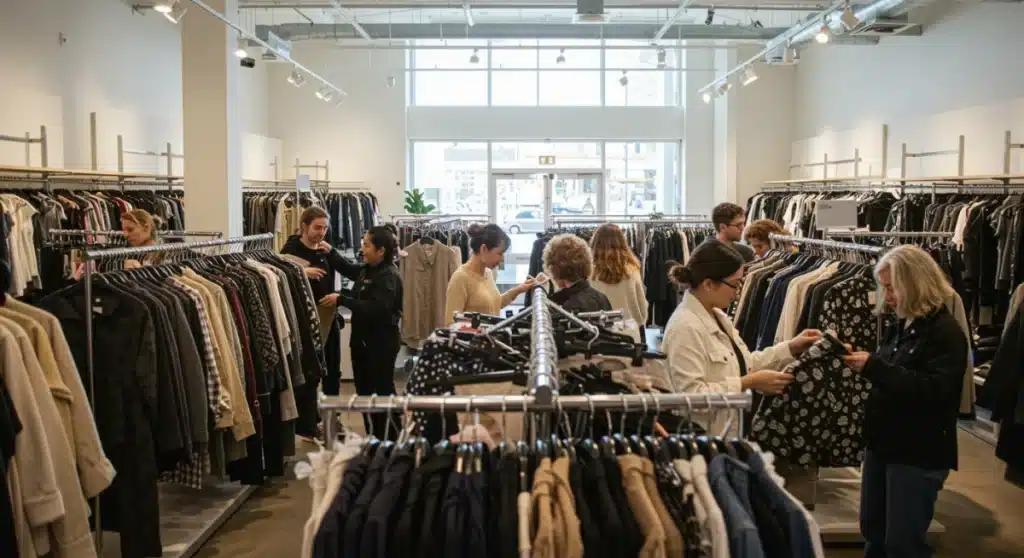
One of the most effective and wallet-friendly ways to engage in sustainable fashion is through secondhand shopping. Thrift stores, consignment shops, vintage boutiques, and online marketplaces dedicated to pre-owned clothing offer an unparalleled treasure trove of unique and affordable pieces. This approach directly supports the circular economy by extending the life of garments, diverting them from landfills, and reducing the demand for new production.
Many people are surprised by the quality and variety available in secondhand markets. From designer labels to everyday essentials, you can often find items in excellent condition for a fraction of their original price. The thrill of the hunt is also a significant part of the experience, as each visit promises new discoveries.
Tips for Successful Thrifting
- Be Patient and Persistent: Finding the perfect piece sometimes requires multiple visits.
- Inspect Carefully: Check for stains, tears, missing buttons, or broken zippers before purchasing.
- Know Your Style: Have a clear idea of what you’re looking for to avoid impulse buys.
- Consider Alterations: A garment that’s a little too big or long can often be tailored to fit perfectly.
Online platforms like ThredUp, Poshmark, and Depop have revolutionized secondhand shopping, making it accessible from the comfort of your home. These platforms allow you to filter by brand, size, style, and condition, streamlining the search for specific items. Embracing secondhand options is a powerful step towards building an affordable sustainable fashion wardrobe that is both unique and environmentally responsible.
The Power of a Capsule Wardrobe: Intentional Choices
A capsule wardrobe is a collection of a few essential items of clothing that can be mixed and matched to create numerous outfits. The goal is to maximize versatility and minimize excess. This approach naturally aligns with sustainable fashion principles by encouraging mindful consumption and reducing the overall number of garments purchased. By focusing on quality over quantity, you invest in pieces that last longer and offer greater utility.
Creating a capsule wardrobe begins with assessing your current clothes, identifying your personal style, and understanding your lifestyle needs. It’s about choosing timeless pieces that transcend seasonal trends and can be dressed up or down. While the initial investment in a few high-quality, ethically produced core items might seem higher, their longevity and versatility often lead to long-term savings and a reduced environmental impact.
Building Your Capsule Wardrobe
Start by identifying your core colors and silhouettes. Think about the activities you engage in most frequently and select clothing that suits those needs. This might include:
- Neutral-colored tops and bottoms that can be easily paired.
- Versatile outerwear like a classic trench coat or a durable denim jacket.
- A few statement pieces that express your individuality.
- High-quality shoes and accessories that complement multiple outfits.
The beauty of a capsule wardrobe lies in its adaptability. You can periodically refresh it with a few new (or secondhand) items, ensuring it remains relevant to your evolving style and needs, all while maintaining a commitment to affordable sustainable fashion.
Mindful Consumption: Shopping with Purpose
Beyond where you shop, how you shop plays a crucial role in achieving affordable sustainable fashion. Mindful consumption means making deliberate purchasing decisions, questioning the necessity of each item, and considering its environmental and social impact. This contrasts sharply with impulse buying driven by fleeting trends or emotional urges.
Before making a purchase, ask yourself a few key questions: Do I truly need this? How many ways can I wear it? How long will it last? Is it ethically made? By pausing and reflecting, you can avoid unnecessary acquisitions that contribute to textile waste and drain your budget. This practice also fosters a deeper appreciation for the clothes you already own.
Strategies for Mindful Shopping
One powerful strategy is to create a shopping list and stick to it. This helps you focus on gaps in your wardrobe rather than being swayed by tempting displays. Another is to wait a few days before making a purchase. Often, the initial desire fades, revealing whether the item was a genuine need or just a momentary want.
Supporting brands that are transparent about their supply chains and sustainability efforts is also vital. Look for certifications such as Fair Trade, GOTS (Global Organic Textile Standard), or B Corp status, which indicate a commitment to ethical and environmental standards. While these brands might sometimes have higher price points, many offer sales or have accessible entry-level items. Researching and understanding a brand’s values helps you allocate your budget to companies that align with your principles, making your affordable sustainable fashion journey more impactful.
Repair, Repurpose, and Upcycle: Extending Garment Life
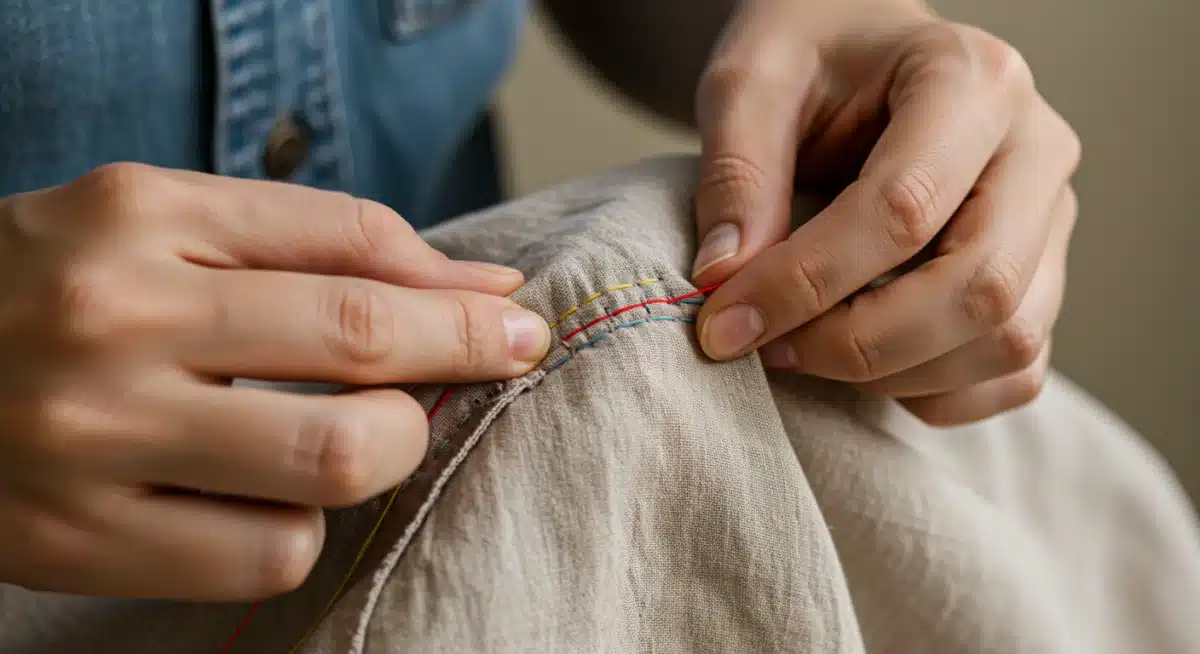
A cornerstone of affordable sustainable fashion is extending the lifespan of your existing clothes. Instead of discarding items at the first sign of wear and tear, consider repairing them. A missing button, a small tear, or a loose hem can often be fixed with basic sewing skills or by a local tailor. Learning simple mending techniques not only saves money but also instills a greater appreciation for your garments.
Beyond simple repairs, repurposing and upcycling offer creative ways to transform old clothes into new treasures. An old pair of jeans can become shorts or a tote bag. A worn-out t-shirt can be cut into cleaning rags. With a little imagination, garments that might otherwise end up in a landfill can be given a second life, reducing waste and fostering creativity.
Benefits of Repair and Upcycling
- Cost Savings: Repairing is almost always cheaper than buying new.
- Reduced Waste: Keeps textiles out of landfills, lessening environmental burden.
- Unique Style: Upcycled items often result in one-of-a-kind pieces.
- Skill Development: Learning to mend and alter clothes builds valuable life skills.
Embracing the repair and repurpose mindset is a powerful way to make your wardrobe more sustainable and affordable. It shifts the focus from constant acquisition to mindful maintenance, turning existing clothing into long-term assets rather than disposable goods.
Renting, Swapping, and Borrowing: Alternative Consumption Models
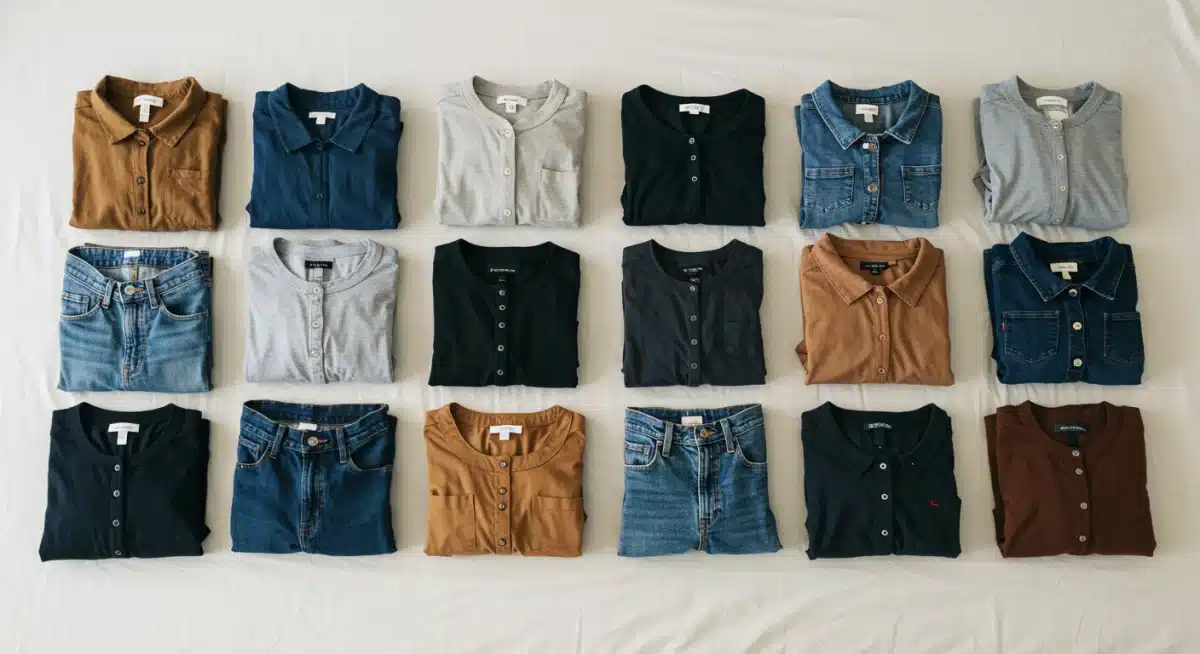
For special occasions or items you only need temporarily, renting, swapping, and borrowing offer excellent alternatives to purchasing new. Clothing rental services, for instance, allow you to wear high-end or occasion-specific garments without the significant financial investment or the environmental impact of a single-use purchase. This model is gaining popularity for formal wear, maternity clothes, and even everyday designer pieces.
Clothing swaps are another fantastic way to refresh your wardrobe without spending a dime. Organize an event with friends or participate in local community swaps where you can exchange clothes you no longer wear for items others are looking to rehome. This promotes a sense of community and keeps clothing in circulation.
Exploring Alternative Fashion Consumption
Borrowing from friends or family members for specific events is also a simple yet effective way to practice sustainable consumption. Before buying something new for a one-off occasion, consider if someone in your network has an item you could use. These alternative consumption models not only save money but also significantly reduce the demand for new production, making them integral to the affordable sustainable fashion movement.
By exploring these options, you can enjoy a diverse wardrobe without the commitment of ownership or the environmental cost associated with new purchases. It’s about finding smart, collaborative ways to access the clothing you need, fostering a more sustainable and community-oriented approach to fashion.
Investing in Quality Over Quantity: The Long-Term View
While the immediate appeal of cheap, fast fashion can be strong, a key aspect of achieving affordable sustainable fashion in the long run is shifting your mindset towards investing in quality over quantity. High-quality garments, though they may have a higher upfront cost, are designed to last. They withstand more washes, retain their shape, and often use better materials and construction techniques.
When you buy fewer, better-made items, you reduce the frequency of purchases, ultimately saving money over time. Consider the cost-per-wear: a $20 t-shirt that lasts 10 washes costs $2 per wear, whereas a $60 t-shirt that lasts 100 washes costs $0.60 per wear. The more expensive, higher-quality item proves to be the more economical and sustainable choice in the long run.
Benefits of Quality Investments
- Longevity: Clothes last longer, reducing the need for frequent replacements.
- Better Fit and Feel: Quality fabrics and construction often lead to superior comfort and appearance.
- Reduced Waste: Less frequent discarding of worn-out items.
- Timeless Style: High-quality pieces often have classic designs that remain stylish for years.
This approach requires a change in perspective, moving away from disposable fashion towards building a wardrobe of cherished, durable pieces. It empowers you to curate a truly personal style that reflects your values, all while contributing positively to both your budget and the planet. Ultimately, investing in quality is a strategic move towards a truly affordable sustainable fashion future.
| Key Strategy | Brief Description |
|---|---|
| Secondhand Shopping | Explore thrift stores and online platforms for unique, pre-owned garments at lower prices, extending their lifespan and reducing waste. |
| Capsule Wardrobe | Curate a versatile collection of essential, mix-and-match items to reduce overall purchases and promote mindful consumption. |
| Repair & Upcycle | Extend garment life by mending, altering, or creatively transforming old clothes, minimizing textile waste and saving money. |
| Quality Investment | Prioritize durable, well-made items that last longer, reducing the need for frequent replacements and offering better long-term value. |
Frequently Asked Questions About Affordable Sustainable Fashion
Not necessarily. While some ethically produced new garments might have a higher upfront cost, strategies like secondhand shopping, repairing clothes, and investing in durable pieces make sustainable fashion highly affordable in the long run. The initial investment often pays off through extended wear and reduced consumption.
Excellent places include local thrift stores, consignment shops, vintage boutiques, and online platforms such as ThredUp, Poshmark, and Depop. These options provide a vast selection of unique items, often in great condition, at significantly lower prices than new retail.
Begin by auditing your current wardrobe, identifying what you truly need. Prioritize secondhand shopping for those items. Learn basic mending skills to extend the life of your existing clothes. Focus on versatile pieces that can be mixed and matched, minimizing the need for numerous new purchases.
Mindful consumption in fashion involves making deliberate choices about what you buy. It means questioning if you truly need an item, considering its longevity, versatility, and ethical production. This approach helps avoid impulse purchases, reduces waste, and aligns spending with your values, fostering a more sustainable relationship with clothing.
Yes, clothing rental services are an excellent sustainable option, especially for special occasions or trending items you might only wear a few times. They reduce the need for individual purchases, minimize textile waste, and allow access to a wider variety of styles without the long-term commitment or environmental impact of ownership.
Embracing a Sustainable Fashion Future
The journey toward an affordable sustainable fashion wardrobe is less about radical changes and more about conscious, consistent choices. As we’ve explored, the ‘secret’ lies not in a single solution, but in a multifaceted approach that embraces secondhand treasures, values thoughtful consumption, champions the longevity of garments, and explores innovative alternatives to traditional buying habits. Each step, no matter how small, contributes to a larger movement that benefits both your personal finances and the health of our planet. By adopting these strategies, you empower yourself to build a stylish, ethical, and economically sound wardrobe, proving that fashion can indeed be both beautiful and responsible.