
Advertisements
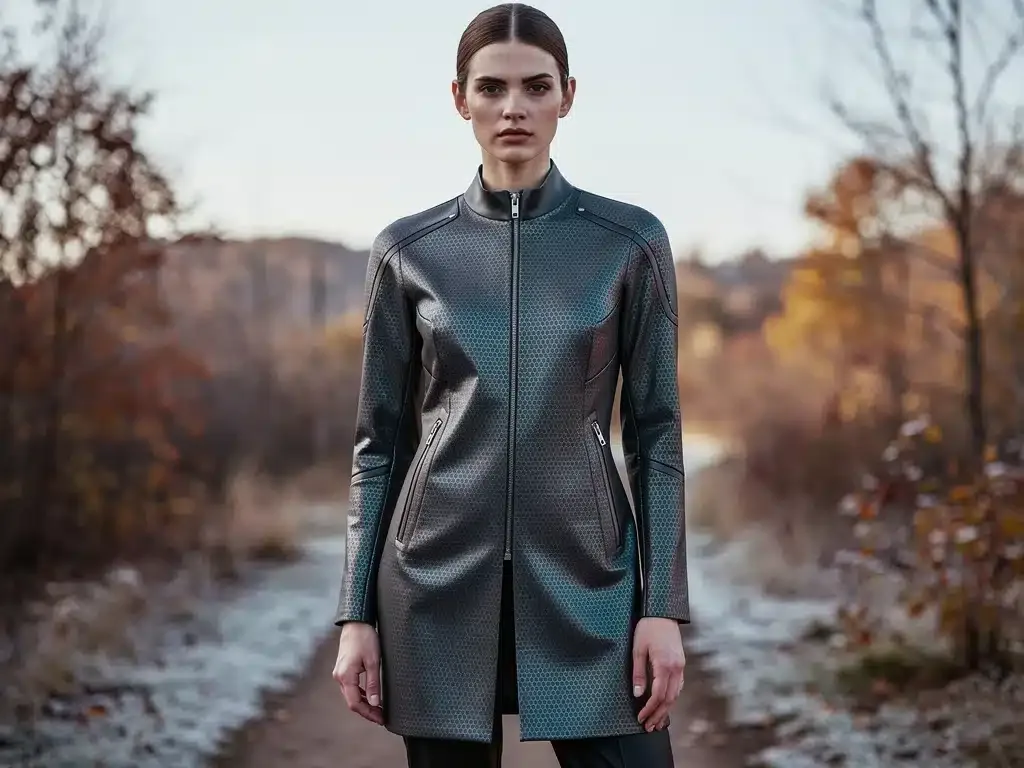
As the crisp air rolls in, staying ahead of the curve means looking closely at the next generation of cold-weather style. Our Fall 2026 Outerwear Guide dives into three major fabric innovations that are completely redefining how we dress for the elements.
Forget traditional layering; the upcoming seasonal drops are all about a high-tech revolution. We are seeing a massive shift toward bio-engineered textiles, dynamic adaptive materials, and next-generation thermal insulation that blend peak performance with sustainability.
Whether you are a fashion enthusiast or just looking to upgrade your wardrobe, these textile advancements will change your relationship with winter wear. Here is your definitive look at the future of functional fashion.
Advertisements
The Rise of Sustainable Bio-Engineered Textiles in Fall 2026 Outerwear
The fashion industry’s pivot towards sustainability continues its rapid acceleration, with Fall 2026 witnessing a remarkable surge in bio-engineered textiles.
These fabrics, derived from natural and renewable resources, offer compelling alternatives to traditional synthetics, significantly reducing environmental impact. Designers are actively integrating these materials into their collections, emphasizing both ecological responsibility and high performance.
Consumers are increasingly demanding transparency and ethical sourcing, pushing brands to innovate beyond conventional methods.
Advertisements
Bio-engineered textiles represent a crucial step forward, addressing concerns about pollution, waste, and resource depletion. Their development signifies a collective effort to harmonize fashion with planetary health, setting new benchmarks for responsible production.
This shift is not merely a trend but a fundamental re-evaluation of how garments are created and consumed. The incorporation of these advanced materials directly influences the overarching narrative of the Fall 2026 Outerwear Guide, positioning sustainability at its very core.
Expect to see these innovations become a standard, rather than an exception, in future collections.
Advancements in Plant-Based Fibers
Innovations in plant-based fibers are leading the charge, with materials like mushroom leather and algae-derived textiles gaining prominence.
These alternatives offer comparable durability and aesthetic appeal to their conventional counterparts, while boasting significantly lower carbon footprints. The focus is on scalable solutions that can meet the demands of mass production.
Researchers are continuously refining processes to enhance the performance characteristics of these fibers, including water resistance, breathability, and thermal regulation.
Such developments ensure that sustainable options do not compromise on the functionality expected from high-quality outerwear. This commitment to both eco-friendliness and performance is a defining feature of the Fall 2026 Outerwear Guide.
- Mycelium-based leathers offering a durable, animal-free alternative.
- Algae and seaweed fibers providing natural dyes and moisture-wicking properties.
- Hemp and organic cotton blends engineered for enhanced warmth and longevity.
Recycled and Upcycled Fabric Technologies
Beyond new bio-engineered materials, the refinement of recycled and upcycled fabric technologies remains a critical area of innovation.
Brands are increasingly investing in sophisticated processes that transform post-consumer waste, such as plastic bottles and discarded textiles, into high-quality yarns suitable for outerwear. This circular approach minimizes waste and conserves valuable resources.
These advanced recycling techniques are producing fabrics that are not only sustainable but also meet stringent performance requirements for durability and weather protection.
The integration of these materials into the Fall 2026 Outerwear Guide signifies a mature approach to circular fashion. Expect to see jackets and coats crafted from these innovative, resource-efficient textiles.
- Polyester from recycled plastic bottles now achieving premium softness and strength.
- Upcycled wool and cashmere blends offering luxurious feel with reduced environmental impact.
- Closed-loop systems for textile recycling, minimizing landfill contributions.
Dynamic Adaptive Materials: Responding to Environmental Shifts
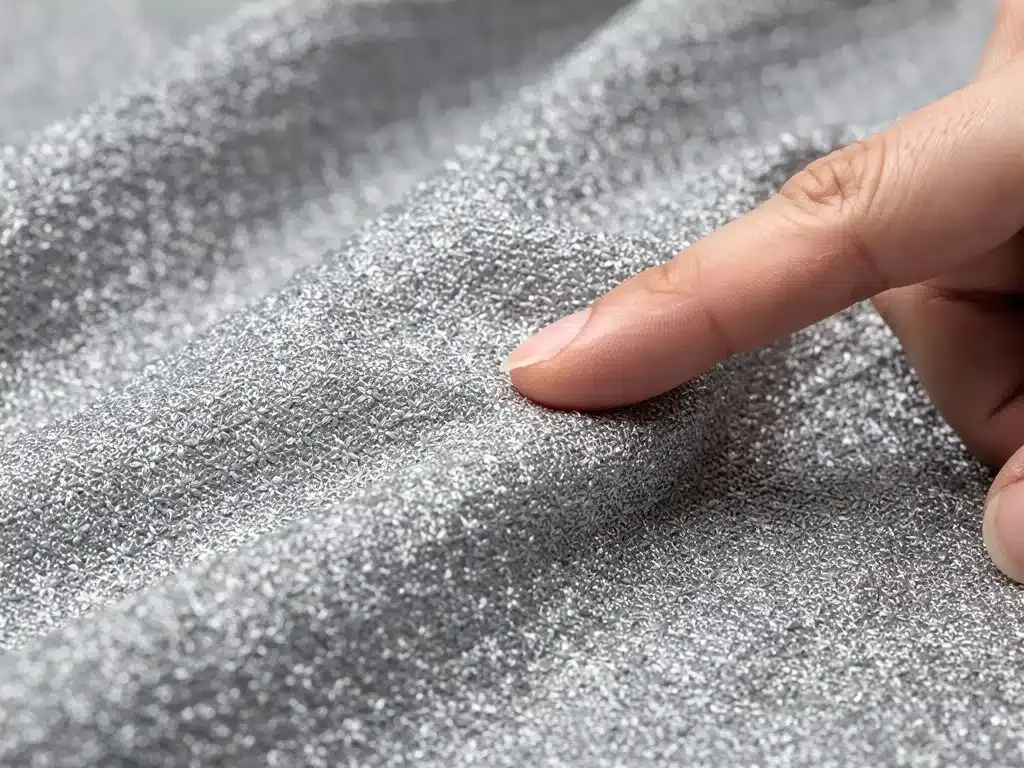
The second major innovation highlighted in the Fall 2026 Outerwear Guide revolves around dynamic adaptive materials. These intelligent textiles are designed to react to external conditions, such as temperature and humidity, providing enhanced comfort and protection.
This represents a significant leap from static garments, offering a truly responsive clothing experience.
Imagine outerwear that automatically adjusts its breathability or insulation based on your activity level or the ambient temperature. These materials employ advanced chemical and structural engineering to achieve such feats.
Their development is driven by the desire for versatile garments that can perform optimally across a wider range of conditions, simplifying the consumer’s wardrobe.
The integration of these adaptive properties marks a new frontier in functional fashion, directly addressing the challenges of unpredictable weather.
This innovation is poised to redefine consumer expectations for outerwear, making it a cornerstone of the Fall 2026 Outerwear Guide. The future of dressing for the elements is becoming remarkably smarter and more intuitive.
Phase-Change Materials for Temperature Regulation
Phase-change materials (PCMs) are at the forefront of adaptive textile technology, capable of absorbing, storing, and releasing latent heat. When the body warms up, PCMs absorb excess heat, providing a cooling effect.
Conversely, as temperatures drop, they release stored heat, offering warmth. This dynamic regulation ensures optimal comfort regardless of external fluctuations.
The application of PCMs in outerwear allows for garments that maintain a stable microclimate around the wearer, reducing the need for layering and enhancing overall versatility.
This technology is a game-changer for those who experience varying activity levels or frequent transitions between different environments. The Fall 2026 Outerwear Guide showcases how these materials are being seamlessly integrated into stylish designs.
- Microencapsulated PCMs embedded directly into fabric fibers.
- Outerwear that actively manages body temperature, reducing overheating and chilling.
- Enhanced comfort in fluctuating weather conditions, from mild to extreme.
Moisture-Reactive and Self-Cleaning Fabrics
Beyond temperature, adaptive materials are also evolving to manage moisture and maintain hygiene. Moisture-reactive fabrics can expand or contract to adjust airflow and breathability, allowing for rapid moisture wicking when needed and greater insulation when dry.
This intelligent response ensures the wearer remains comfortable and dry, even during strenuous activities.
Furthermore, self-cleaning fabrics, often incorporating nanotechnology, are emerging as a practical innovation. These textiles resist stains and odors, requiring less frequent washing and thus extending the garment’s lifespan while conserving water and energy.
This dual focus on comfort and convenience is a significant highlight within the Fall 2026 Outerwear Guide, appealing to modern lifestyles.
- Fabrics that dynamically adjust porosity to enhance breathability or insulation.
- Nanotechnology-infused surfaces that repel liquids and dirt.
- Reduced need for frequent washing, contributing to garment longevity and sustainability.
Advanced Insulation Technologies for Superior Warmth
The third key innovation in the Fall 2026 Outerwear Guide centers on advanced insulation technologies. While traditional down and synthetic fills remain relevant, new breakthroughs are delivering superior warmth-to-weight ratios, enhanced compressibility, and improved wet-weather performance.
These advancements are critical for creating lighter, more effective outerwear for extreme conditions.
Engineers are leveraging biomimicry and material science to develop insulation that mimics natural structures, such as polar bear fur or bird feathers, for optimal thermal efficiency.
The goal is to provide maximum warmth with minimal bulk, allowing for greater freedom of movement and a sleeker aesthetic. This focus on performance without compromise is a hallmark of the upcoming season.
These next-generation insulation materials are transforming how outerwear is designed and experienced, making heavy, cumbersome coats a thing of the past.
The Fall 2026 Outerwear Guide emphasizes how these innovations contribute to both practical functionality and contemporary style, offering consumers unparalleled protection against the cold.
Ultra-Lightweight and High-Loft Synthetics
Synthetic insulation has seen remarkable improvements, with new fibers designed to trap more air for superior warmth at a fraction of the weight.
These ultra-lightweight, high-loft synthetics offer an excellent alternative to down, particularly for those with allergies or ethical concerns. Their performance in damp conditions often surpasses that of natural down, as they retain insulating properties even when wet.
The latest iterations are also highly compressible, allowing outerwear to be packed down into incredibly small volumes, ideal for travel and outdoor enthusiasts.
This combination of warmth, lightness, and packability makes these materials a standout feature in the Fall 2026 Outerwear Guide. Expect to see these advanced synthetics in a wide array of jackets and parkas.
- Synthetic fibers that mimic the structure of down for exceptional warmth.
- Insulation that maintains thermal properties even when exposed to moisture.
- Highly compressible materials ideal for travel and compact storage.
Aerogel and Vacuum Insulation Panels
Pushing the boundaries of thermal protection, aerogel and vacuum insulation panels (VIPs) are making their way from specialized applications into mainstream outerwear.
Aerogel, known as “frozen smoke,” is one of the lightest and most effective insulating materials known, offering unparalleled thermal resistance in a minimal layer. VIPs, which create a vacuum chamber, virtually eliminate heat transfer.
While still in early adoption for general apparel due to manufacturing complexities and cost, these technologies represent the pinnacle of insulation.
Their integration, even in targeted areas of high-performance garments, can dramatically improve warmth without adding significant bulk. The Fall 2026 Outerwear Guide identifies these as future-forward innovations to watch closely.
- Aerogel insulation providing extreme warmth with minimal thickness.
- Vacuum insulation panels offering near-perfect thermal barriers.
- Targeted application in critical zones for enhanced cold protection.
Integration of Smart Textiles and Wearable Tech
Beyond the three primary fabric innovations, the Fall 2026 Outerwear Guide also notes a growing trend in the integration of smart textiles and wearable technology.
While not strictly a fabric innovation, the ability to embed electronics directly into these new materials enhances their functionality significantly. This fusion creates garments that are not only protective but also interactive and connected.
Imagine outerwear with integrated heating elements controlled by a smartphone app, or jackets that monitor vital signs and communicate with external devices.
These capabilities are becoming increasingly sophisticated, moving beyond novelty to offer genuine utility. The seamless incorporation of technology into fabric structures is key to their widespread adoption.
This evolving landscape suggests a future where outerwear serves multiple purposes, blurring the lines between clothing, accessory, and device.
The Fall 2026 Outerwear Guide emphasizes the potential for these smart textiles to elevate the user experience, making garments more intuitive and responsive to individual needs. This convergence of fashion and tech is an exciting development.
Embedded Sensors and Responsive Elements
The embedding of micro-sensors directly into fabrics allows for real-time monitoring of various parameters, from body temperature and heart rate to external environmental conditions.
These sensors can then trigger responsive elements within the garment, such as activating heating panels or adjusting ventilation, creating a truly personalized climate control system. This level of responsiveness is a defining characteristic of advanced outerwear.
Such integration offers significant benefits for athletes, outdoor enthusiasts, and anyone seeking enhanced comfort and safety in challenging environments.
The data collected can also provide valuable insights for health and wellness tracking. The Fall 2026 Outerwear Guide highlights how these intelligent features are being designed to be unobtrusive and fully integrated into the garment’s aesthetic.
- Textiles with integrated heating elements for customizable warmth.
- Garments that monitor physiological data and adjust comfort settings.
- Seamless embedding of technology without compromising fabric flexibility or appearance.
Connectivity and Digital Integration
The next frontier involves outerwear that is not only smart but also connected. Bluetooth and Wi-Fi modules are being miniaturized and integrated into garments, allowing them to communicate with smartphones, smart home devices, and other wearables.
This connectivity opens up possibilities for remote control, data logging, and even emergency alerts, adding layers of utility.
Imagine an outerwear piece that can automatically order a coffee on your commute or send an alert if you fall during a hike. These scenarios, once futuristic, are rapidly becoming tangible realities.
The Fall 2026 Outerwear Guide underscores how this digital integration will transform outerwear from a passive shield into an active, intelligent companion, enhancing daily life and safety.
- Outerwear that syncs with personal devices for remote control and data transfer.
- Integrated GPS and communication features for enhanced safety in remote areas.
- The development of a connected wardrobe ecosystem, where garments interact seamlessly.
The Impact on Design and Consumer Experience
The profound innovations detailed in the Fall 2026 Outerwear Guide are not merely technical feats; they are fundamentally reshaping design aesthetics and the overall consumer experience.
Designers are now able to create garments that are lighter, more versatile, and inherently more sustainable, without sacrificing style or performance. This liberation from traditional material constraints is fostering a wave of creative expression.
For consumers, this translates into outerwear that is not only more comfortable and protective but also aligns with their values.
The ability to purchase garments made from recycled or bio-engineered materials, or those that adapt to their needs, offers a new level of satisfaction. The emphasis is shifting towards intelligent consumption, where quality and innovation are paramount.
The market for outerwear is becoming increasingly sophisticated, driven by these technological advancements. The Fall 2026 Outerwear Guide serves as a crucial resource for understanding these shifts and making informed choices.
Consumers can look forward to a season where their outerwear is not just a necessity, but a statement of innovation and conscious living.
Streamlined Silhouettes and Enhanced Functionality
With lighter, stronger, and more adaptive fabrics, designers can achieve cleaner, more streamlined silhouettes that were previously impossible.
The bulk associated with warmth is significantly reduced, leading to more elegant and versatile designs suitable for both urban environments and outdoor adventures. This aesthetic shift is a direct result of material science advancements.
Enhanced functionality means garments are performing better across a wider range of conditions, simplifying the consumer’s wardrobe.
A single piece of outerwear can now offer protection against varying temperatures, moisture, and wind, making it a more valuable and practical investment. The Fall 2026 Outerwear Guide showcases how this fusion of form and function is redefining modern apparel.
- Reduced garment weight and bulk while maintaining superior warmth.
- Versatile designs suitable for multi-climate and multi-activity use.
- Aesthetic appeal that complements high-performance capabilities.
Longevity and Circularity in Outerwear
The focus on sustainable and durable materials directly contributes to increased garment longevity, a key aspect of circular fashion.
Outerwear made from high-quality, innovative fabrics is designed to last longer, reducing the frequency of replacement and minimizing waste. This shift from fast fashion to enduring pieces is a significant win for both consumers and the planet.
Furthermore, the development of easier-to-recycle materials and take-back programs ensures that garments can be reintegrated into the production cycle at the end of their life.
This commitment to circularity is a core principle guiding the innovations in the Fall 2026 Outerwear Guide. Consumers can invest in outerwear knowing it has a reduced environmental footprint from creation to disposal.
- Durable fabrics extending the lifespan of outerwear garments.
- Easier end-of-life recycling for innovative textile compositions.
- Brands implementing take-back programs to promote circularity.
Key Players and Market Trends for Fall 2026
The landscape of outerwear for Fall 2026 is being shaped by a confluence of established brands and innovative startups, all vying to lead with these new fabric technologies.
Major fashion houses are investing heavily in R&D, collaborating with textile scientists to integrate cutting-edge materials into their collections. This competitive environment is accelerating the pace of innovation across the industry.
Simultaneously, a new generation of direct-to-consumer brands is emerging, often built entirely around sustainable and performance-driven principles.
These agile companies are quick to adopt and commercialize new fabric innovations, offering consumers fresh perspectives and specialized products. Their influence is increasingly felt within the broader market, pushing established players to adapt.
The market trends indicate a strong consumer preference for outerwear that combines ethical production with advanced functionality.
This demand is driving both innovation and marketing strategies, making the Fall 2026 Outerwear Guide a critical tool for understanding where the industry is headed. Expect to see collaborations and partnerships that further blur the lines between tech and fashion.
Leading Brands Embracing Innovation
Several prominent brands are already showcasing their commitment to these fabric innovations, signaling their vision for the Fall 2026 season.
These industry leaders are not just adopting new materials but are actively contributing to their development, setting new standards for performance and sustainability. Their collections will serve as a benchmark for the wider market.
From luxury labels incorporating bio-engineered silks to outdoor specialists launching jackets with adaptive insulation, the spectrum of innovation is broad.
These brands are demonstrating that advanced technology can be seamlessly integrated into diverse aesthetic profiles, appealing to a wide range of consumer tastes. The Fall 2026 Outerwear Guide will closely track their pioneering efforts.
- Luxury brands integrating sustainable alternatives for high-end appeal.
- Performance brands launching new lines with advanced adaptive materials.
- Outdoor gear companies pioneering ultra-lightweight and extreme-weather insulation.
Consumer Demand Driving Sustainable Choices
The contemporary consumer is more informed and ethically conscious than ever before, with purchasing decisions heavily influenced by a brand’s sustainability credentials.
This strong demand is a powerful catalyst for the adoption of bio-engineered and recycled fabrics, pushing brands to prioritize environmental responsibility. Transparency in sourcing and production is becoming non-negotiable.
Beyond sustainability, consumers also seek value through enhanced functionality and durability, aligning perfectly with the benefits offered by adaptive and advanced insulation materials.
The desire for versatile, long-lasting outerwear that performs across various conditions is a major market driver. The Fall 2026 Outerwear Guide reflects this evolving consumer landscape, where ethical choices meet practical needs.
- Growing preference for outerwear with verified sustainable certifications.
- Increased willingness to invest in durable, high-performance garments.
- Demand for transparent supply chains and ethical manufacturing practices.
Forecasting Future Outerwear Developments Post-2026
Looking beyond the immediate horizon of the Fall 2026 Outerwear Guide, the trajectory of fabric innovation points towards even more integrated and intelligent garments.
Research and development in textile science are continuous, with breakthroughs in areas like self-repairing fabrics, energy-harvesting textiles, and even personalized material compositions on the horizon. The future of outerwear promises to be truly revolutionary.
The convergence of biotechnology, nanotechnology, and artificial intelligence will likely lead to fabrics that are not only adaptive but also predictive, anticipating environmental changes and user needs.
This proactive functionality will redefine comfort, protection, and interaction with clothing. The implications for health, safety, and personal expression are immense, shaping how we perceive and use apparel.
These long-term trends suggest a future where outerwear is an extension of our digital and physical selves, offering unparalleled levels of customization and performance.
The Fall 2026 Outerwear Guide provides a foundational understanding of the current state, but the journey of innovation is far from over. Consumers and industry professionals alike should prepare for an exciting era of textile evolution.
Biomimicry and Self-Healing Materials
Inspired by nature’s resilience, biomimicry is driving the development of self-healing materials. Fabrics that can autonomously repair minor tears or abrasions, extending their lifespan and reducing waste, are in advanced stages of research.
This technology promises to revolutionize garment durability, making outerwear even more robust and sustainable.
Imagine a jacket that can mend itself after a snag on a branch, or a coat whose water-repellent coating regenerates over time. These capabilities would significantly reduce the need for repairs and replacements, offering unprecedented longevity.
The Fall 2026 Outerwear Guide hints at these transformative possibilities, setting the stage for future textile breakthroughs that will redefine product lifecycles.
- Fabrics that can autonomously repair minor damage and extend product life.
- Inspiration from natural processes for enhanced material resilience.
- Reduced textile waste through self-maintenance features.
Personalized and On-Demand Fabric Creation
The ultimate frontier in fabric innovation may lie in personalized and on-demand material creation. Advances in 3D printing and additive manufacturing could allow for the custom fabrication of textiles tailored to individual body measurements, performance needs, and aesthetic preferences.
This would usher in an era of hyper-personalized outerwear, eliminating mass production waste.
Such technology could enable consumers to design their own fabric compositions, choosing specific properties like insulation levels, breathability zones, and even integrated sensors.
This level of customization would transform the shopping experience, making every piece of outerwear uniquely suited to its wearer. The Fall 2026 Outerwear Guide lays the groundwork for understanding how these emerging capabilities will shape future fashion.
- Custom 3D-printed fabrics tailored to individual specifications.
- On-demand production reducing inventory waste and promoting unique designs.
- Hyper-personalized outerwear optimized for individual performance and comfort.
| Key Innovation | Brief Description |
|---|---|
| Sustainable Bio-Textiles | Fabrics derived from natural, renewable resources like mushrooms and algae, reducing environmental impact. |
| Dynamic Adaptive Materials | Textiles that react to temperature and moisture, adjusting insulation and breathability for optimal comfort. |
| Advanced Insulation | Ultra-lightweight synthetics, aerogels, and VIPs offering superior warmth-to-weight ratios and wet-weather performance. |
| Smart Textile Integration | Embedding electronics for features like heating, vital monitoring, and connectivity, enhancing garment utility. |
Frequently Asked Questions About Fall 2026 Outerwear Fabrics
What are the primary fabric innovations for Fall 2026 outerwear?▼The main innovations include sustainable bio-engineered textiles, dynamic adaptive materials that respond to environmental changes, and advanced insulation technologies offering superior warmth with less bulk. These three areas are collectively redefining the performance and environmental footprint of cold-weather apparel for the upcoming season.
How do sustainable bio-engineered textiles impact the Fall 2026 Outerwear Guide?▼Sustainable bio-engineered textiles significantly reduce the environmental impact of outerwear by using renewable resources like mushroom leather and algae-derived fibers. This innovation emphasizes ethical sourcing and a lower carbon footprint, aligning with consumer demand for eco-conscious fashion. It makes sustainability a core component of the Fall 2026 Outerwear Guide.
What benefits do dynamic adaptive materials offer in new seasonal drops?▼Dynamic adaptive materials provide enhanced comfort and protection by reacting to external conditions like temperature and humidity. They can adjust breathability or insulation automatically, making garments more versatile and responsive to the wearer’s needs. This technology reduces the need for multiple layers, simplifying the dressing process for varying weather.
Are advanced insulation technologies replacing traditional down and synthetics?▼Advanced insulation technologies, such as ultra-lightweight synthetics, aerogel, and vacuum insulation panels, are offering superior alternatives to traditional materials. While down and older synthetics remain, these new innovations provide better warmth-to-weight ratios, enhanced compressibility, and improved wet-weather performance, leading to lighter and more effective outerwear options.
How will these fabric innovations change the consumer experience for Fall 2026 outerwear?▼Consumers will experience outerwear that is lighter, more versatile, and more sustainable. Garments will offer enhanced comfort through adaptive features and superior protection with advanced insulation. The integration of smart textiles also promises interactive and connected clothing, transforming outerwear into an intelligent companion that aligns with modern values and practical needs.
Looking Ahead: The Future of Outerwear Innovation
The developments outlined in the Fall 2026 Outerwear Guide represent a pivotal moment in fashion, signaling a clear trajectory towards more sustainable, intelligent, and high-performance garments.
What happens now involves continued investment in R&D, with brands pushing the boundaries of material science and design.
Consumers should monitor upcoming collections for the widespread adoption of these innovations, which will redefine expectations for cold-weather apparel.
This era marks a significant step towards a more functional and environmentally conscious fashion industry, impacting both individual style and global sustainability efforts.