Advertisements
Learning to Master the 70/30 Silhouette is the ultimate secret to pulling off oversized tailoring without getting swallowed by excess fabric. Balancing volume with intentional proportions creates an instantly polished, modern aesthetic that looks effortlessly curated.
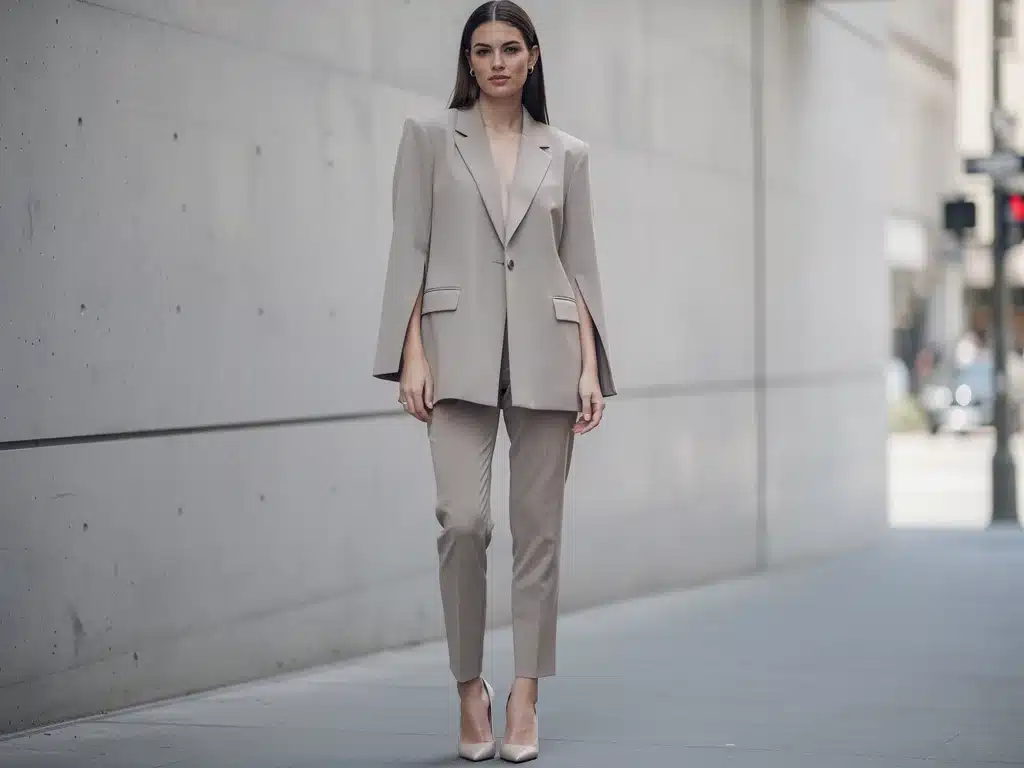
This golden ratio of style balances 70% relaxed structure with 30% fitted contrast—such as pairing exaggerated wide-leg trousers with a waist-defining top or a boxy blazer over sleek trousers.
Altering these visual proportions shifts optical weight and creates clean vertical lines that flatter your natural frame.
Advertisements
Discover how to style exaggerated blazers, wide-leg trousers, and boxy outerwear using smart layering and cinch points. Elevate your everyday wardrobe today and bring effortless balance to your high-fashion tailoring.
Understanding the 70/30 Silhouette Rule
The 70/30 silhouette rule dictates that 70% of your outfit should be oversized or voluminous, while the remaining 30% should be fitted or streamlined. This principle creates a deliberate contrast, preventing a look from appearing shapeless or overwhelming.
It is not merely about wearing loose clothing; it is about strategic proportion play that elevates your style. This balance is crucial for achieving a sophisticated aesthetic, especially with the continued prominence of oversized tailoring.
Advertisements
By consciously applying this rule, individuals can transform their wardrobes, ensuring comfort without sacrificing elegance. It offers a framework for navigating contemporary fashion trends with confidence and precision.
Why the 70/30 Rule Matters for 2026 Trends
As oversized tailoring continues its reign into 2026, the 70/30 silhouette rule becomes indispensable for modern dressing. Its importance lies in its ability to refine voluminous pieces, making them wearable and chic for everyday life and formal occasions.
Without this strategic balance, oversized garments can easily consume the wearer, leading to an unpolished appearance. The rule ensures that even the most dramatic silhouettes maintain a sense of intentionality and structure.
This approach aligns perfectly with the evolving fashion landscape, which increasingly values both comfort and sophisticated design. Mastering the 70/30 silhouette rule is key to staying current and impactful in your style choices.
The evolution of oversized tailoring
Oversized tailoring has moved beyond a fleeting trend to become a foundational element of modern wardrobes. Its evolution reflects a broader shift towards comfort, gender-neutrality, and a more relaxed yet polished aesthetic.
Designers are consistently reinterpreting traditional silhouettes, offering new proportions and fabrications. This continuous innovation makes understanding foundational styling rules, like the 70/30 principle, even more critical for consumers.
- Relaxed blazers and trousers
- Wide-leg pants and coats
- Deconstructed suits
Implementing the 70/30 Rule in Practice
Applying the 70/30 silhouette rule involves thoughtful selection and pairing of garments. The goal is to create a visual anchor with the fitted portion, drawing attention to a specific part of the body while the oversized pieces provide fluidity.
Consider an oversized blazer paired with slim-fit trousers or a voluminous top with a pencil skirt. The contrast is what makes the outfit visually interesting and balanced, preventing any single element from overpowering the look.
Experimentation is encouraged, but always keep the core principle in mind: one part expansive, one part contained. This deliberate choice ensures the 70/30 silhouette rule is effectively utilized to its full potential.
Strategic garment pairings
Effective garment pairings are the cornerstone of mastering the 70/30 silhouette rule. This involves identifying which pieces will constitute the 70% oversized volume and which will form the 30% fitted element.
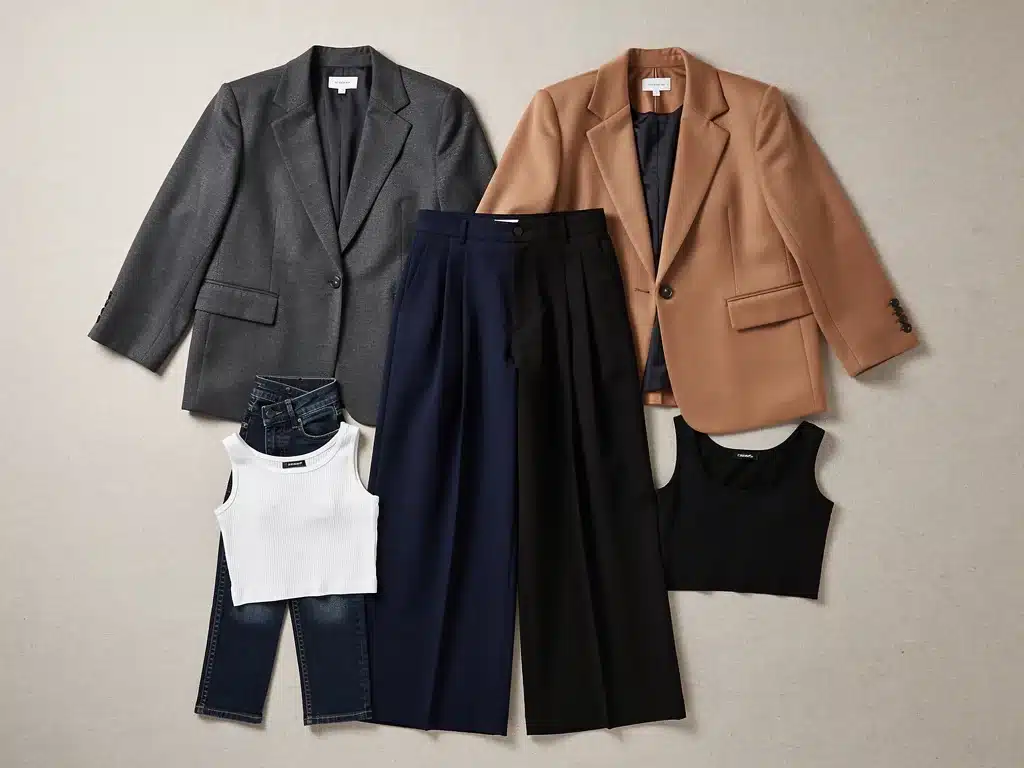
For example, a wide-leg suit pant (70%) can be beautifully balanced with a fitted turtleneck or a cropped top (30%). Conversely, an oversized trench coat (70%) works well over a form-fitting dress (30%).
- Oversized blazer + skinny jeans
- Voluminous sweater + tailored skirt
- Wide-leg trousers + fitted tank top
Accessorizing to Enhance the 70/30 Silhouette
Accessories play a pivotal role in refining and enhancing the 70/30 silhouette rule, offering opportunities to further define the balance. Belts, for instance, can cinch an oversized blazer, creating a more defined waistline and shifting the proportion.
Footwear also contributes significantly; sleek, pointed-toe shoes can lengthen the leg, providing a counterpoint to voluminous trousers. Jewelry and bags, while smaller, add personal touches without disrupting the overall balance.
The right accessories don’t just complete an outfit; they actively participate in shaping its silhouette and ensuring the 70/30 silhouette rule is perfectly executed. They are the final touch that brings cohesion.
Common Pitfalls and How to Avoid Them
When applying the 70/30 silhouette rule, several common mistakes can undermine its effectiveness. One frequent error is allowing both the top and bottom to be excessively oversized, which results in a shapeless and overwhelming appearance.
Another pitfall is neglecting the fabric and drape of the garments; stiff, heavy fabrics can make oversized pieces look bulky rather than fluid. Always consider how different materials will fall and interact with each other.
Finally, ignoring your body proportions can lead to an imbalance, even when attempting to follow the rule. Adjust the 70/30 ratio slightly to flatter your unique shape, ensuring the 70/30 silhouette rule works for you.
Fabric choices and drape
The choice of fabric is paramount when working with the 70/30 silhouette rule. Lighter, more fluid fabrics like silk, linen, or soft wool blends allow oversized pieces to drape elegantly, contributing to the desired voluminous effect without adding unnecessary bulk.
Conversely, for the fitted 30%, fabrics with some stretch or structure, such as cotton twill or ponte knit, can provide the necessary definition. The interplay between these different textures and drapes enhances the overall aesthetic.
- Soft wool for oversized blazers
- Flowy silk for wide-leg trousers
- Stretchy knits for fitted tops
The 70/30 Rule for Different Body Types
The beauty of the 70/30 silhouette rule lies in its adaptability to various body types. The key is to strategically place the fitted 30% to highlight your most flattering features, while the oversized 70% provides comfort and style.
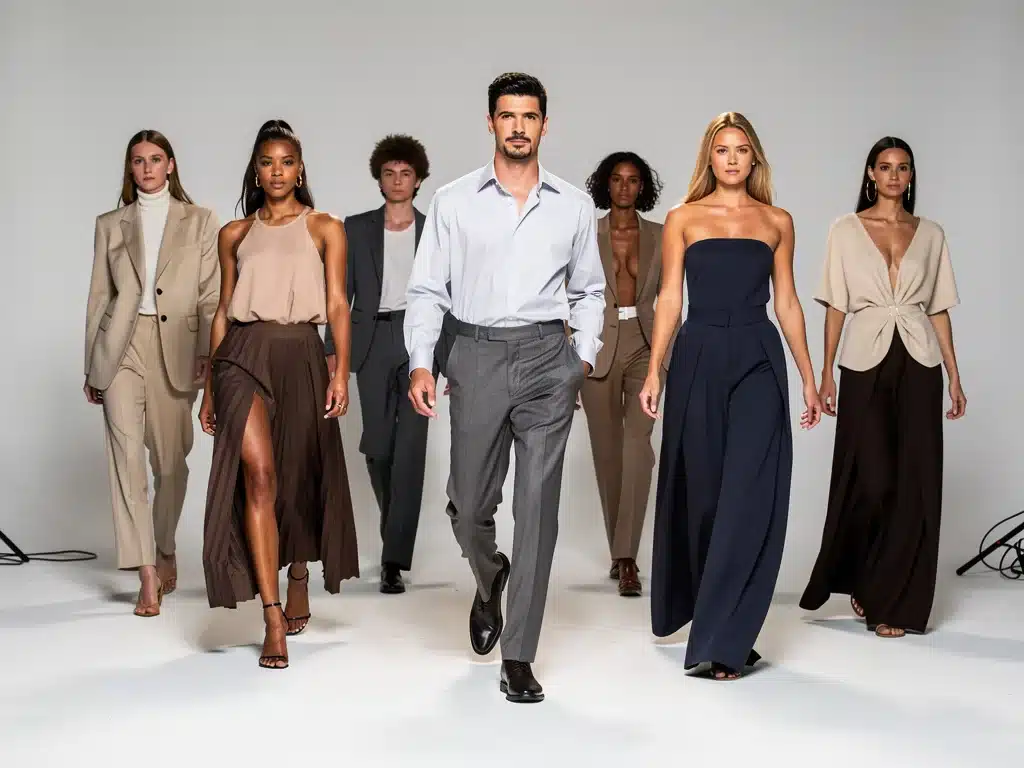
For example, individuals with broader shoulders might opt for fitted bottoms and an oversized top that drapes softly. Those with a smaller upper body might choose an oversized bottom and a more tailored top to create balance.
Understanding your own proportions and what makes you feel confident is crucial. The 70/30 silhouette rule is a guideline, not a rigid law, allowing for personal interpretation and individual expression within its framework.
Future of the 70/30 Silhouette and Tailoring in 2026
Looking ahead to 2026, the 70/30 silhouette rule is set to remain a cornerstone of sophisticated dressing, continually evolving with new interpretations. Fashion forecasts suggest a continued emphasis on comfort and versatility, making this rule more relevant than ever.
Expect to see innovative fabric blends and sustainable materials play a larger role in oversized tailoring, offering both ethical and aesthetic advantages. The rule will adapt to these material shifts, allowing for even greater creative expression.
Designers will likely push boundaries with asymmetrical cuts and unexpected layering, all while adhering to the core principle of balanced proportions. The future of the 70/30 silhouette rule is one of dynamic adaptation and enduring style.
Sustainable fashion and the 70/30 rule
The growing emphasis on sustainable fashion practices will undoubtedly influence how the 70/30 silhouette rule is applied in 2026. Consumers are increasingly seeking durable, versatile pieces that can be styled in multiple ways, reducing the need for constant consumption.
Oversized tailoring, when balanced with the 70/30 rule, naturally lends itself to this philosophy. Investing in high-quality, adaptable pieces that can be mixed and matched creates a more sustainable and functional wardrobe.
- Ethically sourced fabrics for oversized garments
- Versatile pieces that transcend seasons
- Focus on longevity and reusability
Styling Inspiration for the 70/30 Silhouette
Finding inspiration for applying the 70/30 silhouette rule is abundant across various platforms and fashion editorials. Observing how stylists and influencers interpret this rule can provide fresh ideas for your own wardrobe.
Consider exploring runway collections from leading designers who consistently feature oversized tailoring. Pay attention to how they balance volume and form, and which accessories they use to complete the look.
Social media platforms are also a rich source of daily inspiration, showcasing diverse applications of the 70/30 silhouette rule on different body types and personal styles. This exposure helps refine your own understanding and application.
| Key Point | Brief Description |
|---|---|
| Rule Definition | 70% oversized, 30% fitted for balanced proportions. |
| Why it Matters | Prevents shapelessness in oversized tailoring, ensures elegance. |
| Practical Application | Pair voluminous items with streamlined ones strategically. |
| Future Relevance | Continues as a key styling principle for 2026 fashion. |
Frequently Asked Questions About the 70/30 Silhouette Rule
The 70/30 silhouette rule is a styling principle where 70% of your outfit consists of oversized or voluminous garments, and the remaining 30% is made up of fitted or streamlined pieces. This creates a visually balanced and modern look, especially crucial for balancing oversized tailoring.
It’s important because oversized tailoring, while stylish, can easily overwhelm a silhouette if not balanced. The 70/30 silhouette rule ensures that voluminous pieces are grounded by a fitted element, preventing a shapeless appearance and maintaining a polished aesthetic in 2026.
Absolutely. The 70/30 silhouette rule is highly adaptable. The key is to strategically place the fitted 30% to highlight your best features. For instance, if you have an hourglass figure, you might use a belt to cinch an oversized blazer, creating definition at the waist.
Common mistakes include wearing entirely oversized pieces without any fitted elements, which leads to a bulky look. Another error is neglecting fabric choices; stiff fabrics can make oversized items look less elegant. Always consider drape and proportion when applying the 70/30 silhouette rule.
Conclusion
Ultimately, mastering the 70/30 silhouette rule is about taking control of your personal style and wearing your clothes with total confidence—rather than letting oversized trends wear you.
By thoughtfully pairing relaxed volume with strategic structure, you unlock a versatile formula that elevates everyday tailoring into an intentional, high-fashion statement.
As forward-thinking tailoring continues to dominate global fashion, understanding these core principles of contrast and drape becomes your best styling asset.
Whether you are cinching a boxy blazer, balancing wide-leg trousers, or experimenting with sustainable fabrics, adhering to this classic proportion rule ensures every outfit remains sleek, flattering, and effortless.
Integrate these simple balance tactics into your daily wardrobe routine to refine your silhouette and future-proof your style. Embrace the contrast, experiment with smart cinch points, and step out in relaxed tailoring that looks seamlessly tailored to you.