Mixing High-End and Budget Pieces: Your Seasonal Collection Strategy
Advertisements
Blending high-end and budget pieces in seasonal collections creates a sophisticated, versatile wardrobe that maximizes style impact and financial efficiency, appealing to a broader audience without compromising quality or trend relevance.
Ever wondered what happens when you mix high-end and budget pieces in your seasonal collection?
This fashion strategy, often called high-low styling, is more than just a trend;
it’s a smart approach to building a versatile, stylish, and financially savvy wardrobe.
It allows you to invest wisely in key pieces while staying current with fleeting trends without breaking the bank.
Advertisements
The Art of High-Low Fashion: A Strategic Overview
The concept of mixing high-end and budget pieces in seasonal collections is deeply rooted in the desire for both luxury and practicality. This approach isn’t about compromising on style; rather, it’s about elevating it by carefully curating items that complement each other, regardless of their price tag. It’s a testament to personal style over brand allegiance, allowing individuals to create unique looks that reflect their individuality and understanding of fashion.
This strategic blend enables a dynamic wardrobe that can easily transition from casual daywear to elegant evening attire, adapting to various occasions and moods. It requires an eye for quality, an understanding of current trends, and a willingness to experiment. The goal is to achieve a cohesive aesthetic where the origins of each piece become secondary to the overall impact of the ensemble.
Advertisements
Defining High-End and Budget Pieces
Understanding what constitutes a high-end versus a budget piece is crucial for successful high-low styling. High-end items often come with a significant investment, reflecting superior craftsmanship, premium materials, and brand prestige. Budget pieces, on the other hand, are typically more affordable, allowing for greater flexibility in experimenting with trends without long-term commitment.
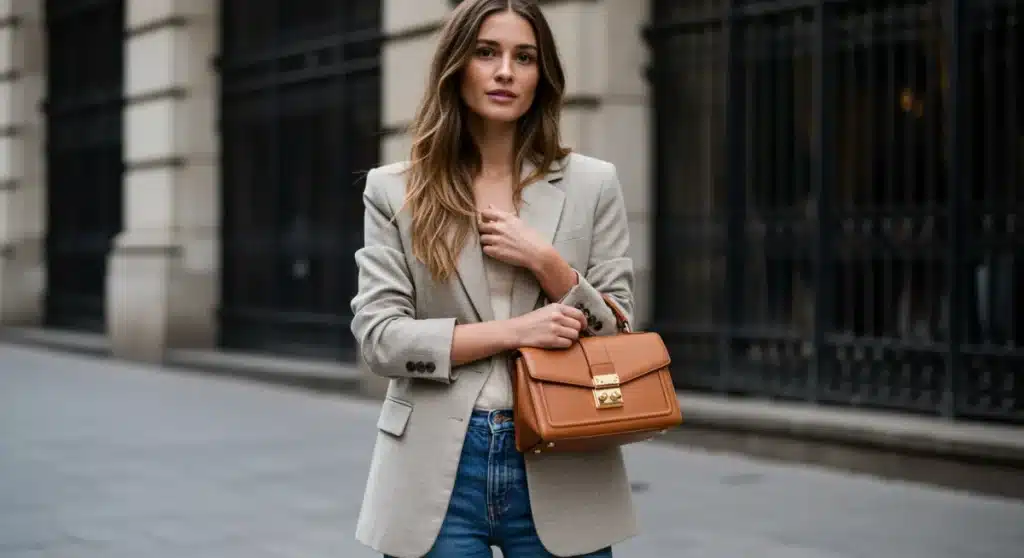
- High-End Pieces: These are often timeless classics, investment items like a quality leather bag, a well-tailored blazer, or designer shoes. They are chosen for their durability, versatility, and ability to elevate any outfit.
- Budget Pieces: These include trendy tops, seasonal accessories, fast-fashion items, or basic staples like t-shirts and denim. They are selected for their ability to add a fresh, current feel to a wardrobe without a hefty price tag.
The distinction is less about absolute price and more about the perceived value and longevity of the item. A budget piece can still be well-made and stylish, just as a high-end piece can be a statement item that defines an entire look. The synergy between them is what makes this approach so compelling and effective for modern fashion.
Ultimately, mastering the art of high-low fashion involves developing a keen sense of discernment. It’s about recognizing when to splurge on an item that will stand the test of time and when to save on something that will serve a more transient, trend-driven purpose. This balance is key to creating a seasonal collection that feels both luxurious and approachable.
Maximizing Versatility and Personal Expression
One of the most compelling advantages of integrating high-end and budget pieces is the unparalleled versatility it brings to a seasonal collection. By combining items from different price points, individuals can craft a wardrobe that effortlessly adapts to various settings, from professional environments to casual outings and formal events. This adaptability is crucial in today’s fast-paced world, where a single outfit might need to serve multiple purposes throughout the day.
Beyond practicality, this approach significantly enhances personal expression. It moves beyond the notion that one must exclusively adhere to a single style or brand aesthetic. Instead, it encourages a more creative and individualistic approach, allowing the wearer to tell their unique fashion story. It’s about curating a collection that truly reflects who you are, rather than merely what brands you can afford to wear.
Creating Diverse Outfits with High-Low Components
The true magic lies in how these disparate elements can be combined to form cohesive and stylish outfits. A classic example is pairing a designer handbag or a high-quality watch with an affordable dress or a pair of trendy jeans. The luxury item instantly elevates the entire ensemble, lending an air of sophistication and intentionality.
- Elevating Basics: A simple, well-fitting budget t-shirt can look incredibly chic when paired with a high-end blazer and tailored trousers. The contrast highlights the quality of the investment pieces while keeping the overall look grounded and modern.
- Balancing Trends: Incorporate a trendy, budget-friendly skirt or top with a timeless, high-quality leather jacket or boots. This allows you to embrace current styles without committing a significant financial outlay to items that might quickly go out of fashion.
- Smart Accessorizing: Utilize high-end accessories, such as scarves, jewelry, or belts, to add a touch of luxury to an otherwise budget-friendly outfit. These small details can make a huge difference in the perceived value and polish of a look.
This method also encourages a more thoughtful approach to shopping. Instead of impulse buys, it promotes strategic acquisitions, where each new piece is considered for its potential to integrate with existing wardrobe items, both high-end and budget. This conscious consumption leads to a more sustainable and personally resonant wardrobe.
Ultimately, the blend of high-end and budget pieces empowers individuals to be their own stylists, confidently navigating the fashion landscape with creativity and intelligence. It’s a celebration of personal taste, where the ultimate goal is to feel good and look great, regardless of the price tags involved.
Navigating Trends and Investment Pieces
Understanding how to effectively blend high-end and budget items is particularly crucial when it comes to seasonal collections, which are often heavily influenced by fleeting trends. The high-low strategy offers an intelligent framework for engaging with these trends without making financially risky commitments. It enables fashion enthusiasts to stay current and stylish, while simultaneously building a foundational wardrobe of enduring quality.
This approach helps in distinguishing between items that warrant a significant investment due to their timeless appeal and longevity, and those that are better acquired at a lower price point because their relevance is likely to be short-lived. This discernment is a hallmark of a sophisticated fashion sense and a practical approach to wardrobe management.
Strategic Allocation of Resources
When planning a seasonal collection, consider where your investment will yield the most return. High-end pieces should ideally be items that transcend seasonal shifts and can be worn for years, even decades. These are the workhorses of your wardrobe, providing a stable foundation around which you can build diverse outfits.
- Invest in Staples: Prioritize high-quality outerwear, classic footwear, premium denim, and versatile handbags. These items form the backbone of any wardrobe and their quality is often immediately apparent, elevating everything else they are paired with.
- Experiment with Budget: Use budget-friendly items to explore new colors, prints, and silhouettes that are currently trending. This allows for experimentation without the pressure of a large financial commitment, making it easier to adapt to changing fashion landscapes.
This strategic allocation ensures that your wardrobe remains fresh and relevant each season, without requiring a complete overhaul. It’s about smart spending, where every purchase, whether high-end or budget, serves a specific purpose within your overall fashion strategy. The blend creates a collection that is both economically sensible and fashion-forward.
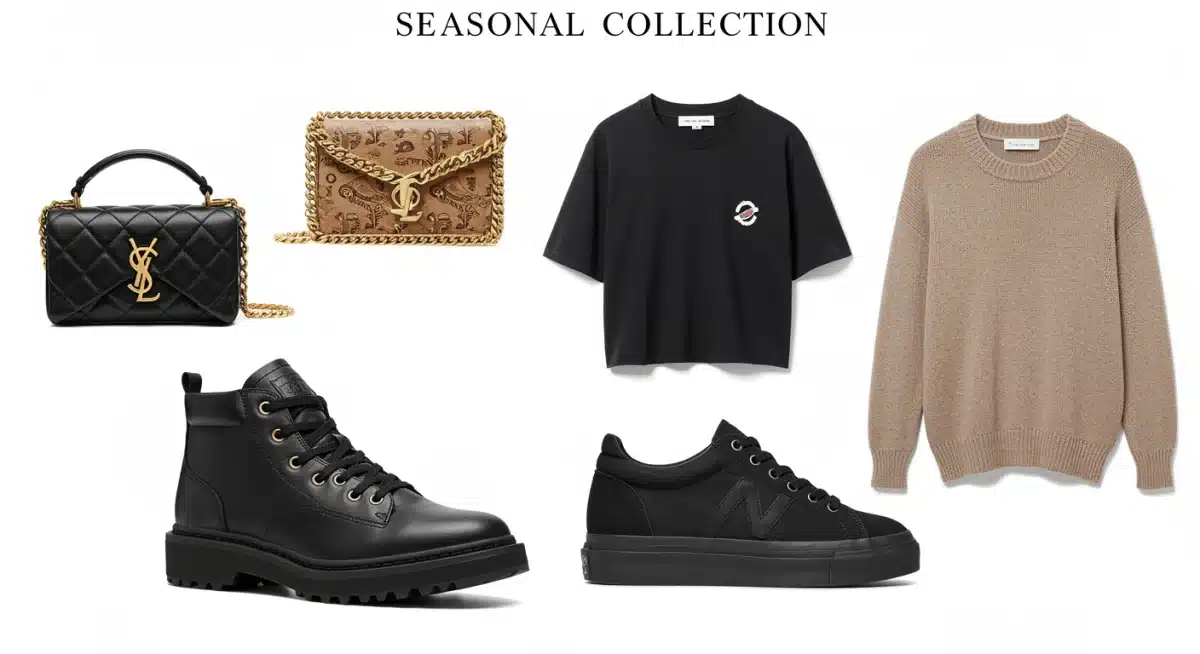
Embracing this mindset means that you are less likely to feel the need to constantly buy new, expensive items to keep up with trends. Instead, you develop a more sustainable and thoughtful approach to fashion, where each piece is valued for its contribution to your personal style and the overall cohesion of your seasonal collection.
The Economic and Sustainable Advantages
Beyond the aesthetic benefits, mixing high-end and budget pieces in your seasonal collection offers significant economic and sustainable advantages. In an era where conscious consumerism is gaining traction, this strategy aligns perfectly with the desire to build a more responsible and financially intelligent wardrobe. It challenges the notion that one must choose between quality and affordability, demonstrating that both can coexist harmoniously.
Economically, it optimizes spending by directing funds towards items that offer long-term value and versatility, while allowing for more playful, temporary additions without financial strain. Sustainably, it encourages a more thoughtful approach to consumption, reducing waste and promoting the longevity of garments. This balance creates a more resilient and adaptable personal style.
Smart Spending and Reduced Waste
One of the primary economic benefits is the ability to stretch your fashion budget further. By investing in a few key high-end pieces that will last for years, you reduce the need for frequent replacements. These durable items become foundational elements, allowing you to cycle through more affordable, trend-driven pieces without accumulating excessive clothing.
- Longevity of Investment: High-end items, often made with superior materials and craftsmanship, endure wear and tear better, reducing the frequency of purchases and ultimately saving money over time.
- Cost-Effective Trend Adoption: Budget pieces allow for low-risk experimentation with seasonal trends. If a trend fades quickly, the financial impact is minimal, preventing buyer’s remorse and unused expensive items.
- Building a Core Wardrobe: This strategy encourages the development of a strong core wardrobe of versatile, high-quality items, reducing the need for impulsive purchases and maximizing the utility of every garment.
From a sustainability perspective, this approach champions the idea of quality over quantity. By investing in durable, timeless pieces, you actively participate in reducing the environmental impact of fast fashion, which often relies on rapid production and disposal cycles. Extending the lifespan of clothing through careful selection and maintenance is a powerful step towards a more sustainable fashion ecosystem.
Furthermore, the emphasis on versatility means each piece in your wardrobe is likely to be worn more often and in more combinations, thereby reducing the per-wear cost and maximizing its utility. This thoughtful consumption not only benefits your wallet but also contributes to a more mindful and ethical approach to fashion, aligning personal style with broader environmental concerns.
Overcoming Challenges and Common Misconceptions
While the high-low fashion strategy offers numerous benefits, it’s not without its challenges and common misconceptions. Many people assume that mixing price points will result in a disjointed or cheap-looking outfit, or that it requires an innate, unteachable sense of style. Dispelling these myths and understanding how to navigate potential pitfalls is crucial for successfully implementing this approach in your seasonal collection.
The key is to approach this strategy with intentionality and a keen eye for detail, rather than simply throwing random items together. It requires a certain level of understanding about fabric quality, construction, and how different textures and silhouettes interact. With practice, however, these skills can be honed, transforming a potentially intimidating task into an enjoyable creative process.
Addressing Quality and Cohesion Concerns
One of the most frequent concerns is that budget pieces will detract from the overall quality of an outfit, making it appear less polished. While it’s true that some budget items may lack the refined finish of their high-end counterparts, selecting them carefully can mitigate this issue. Focus on clean lines, classic cuts, and solid colors when opting for more affordable pieces.
- Focus on Fit: A well-fitting garment, regardless of its price, always looks more expensive. Tailoring budget pieces can dramatically improve their appearance and integrate them seamlessly with high-end items.
- Prioritize Fabric: Even with budget pieces, look for natural fibers or well-made synthetics. Avoid overly shiny or thin fabrics that can immediately signal lower quality.
- Maintain Consistency: Ensure there’s a cohesive theme or color palette in your outfit. This helps unify pieces from different price points, creating a harmonious and intentional look.
Another misconception is that high-low styling is only for those with a large disposable income. In reality, it’s a strategy that can be adapted to any budget, as it emphasizes smart choices over sheer spending power. The goal isn’t to buy the most expensive items, but the right items that serve your style and functional needs.
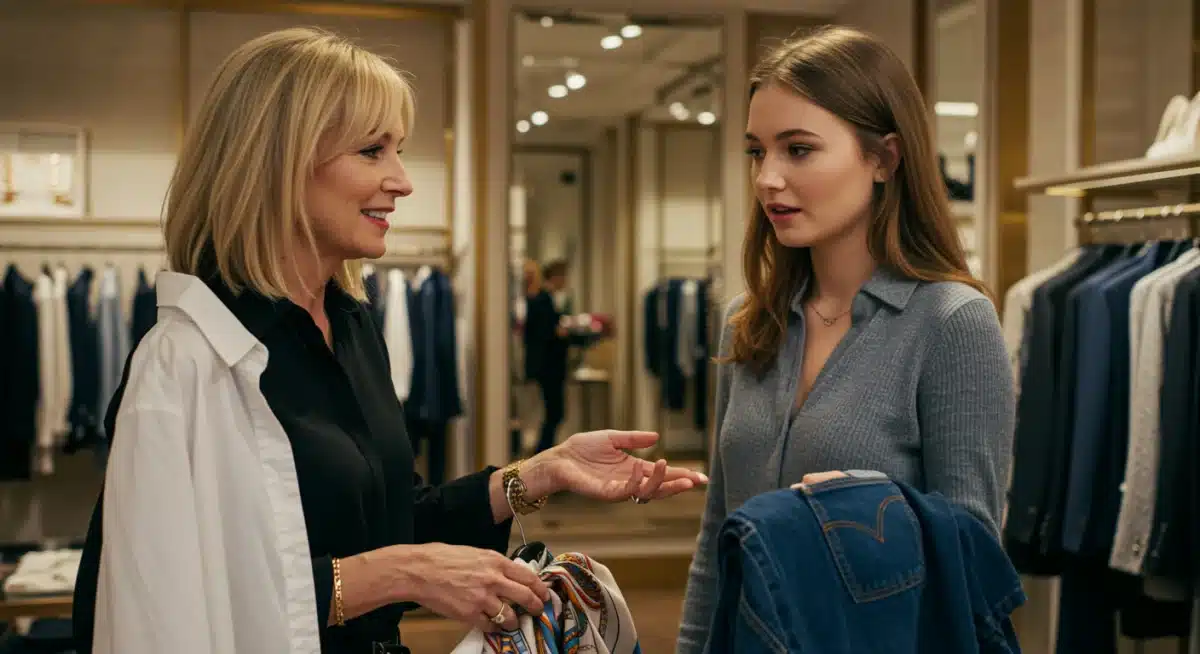
Ultimately, overcoming these challenges involves developing a critical eye and a willingness to experiment. It’s about learning what works for your personal style and body type, and understanding that true elegance comes from how you wear your clothes, not just how much they cost. With a bit of practice, anyone can master the art of blending high-end and budget pieces into a stunning seasonal collection.
Curating Your Seasonal Collection: Practical Tips
Building a cohesive and stylish seasonal collection by mixing high-end and budget pieces requires a thoughtful approach. It’s not just about randomly acquiring items but rather strategically selecting pieces that will work together to create a versatile and personal wardrobe. This curation process involves planning, discernment, and a good understanding of your personal style and needs for the upcoming season.
The goal is to create a collection where every piece, regardless of its price point, feels intentional and contributes to your overall aesthetic. This process can be incredibly rewarding, leading to a wardrobe that is both functional and expressive, perfectly suited for the season ahead.
Developing a Cohesive High-Low Wardrobe
To effectively curate your seasonal collection, start with an inventory of what you already own. Identify your existing high-end staples and consider how new budget pieces can complement them. Think about the season’s dominant trends and how you might incorporate them in an affordable way without sacrificing the integrity of your investment pieces.
- Define Your Core Style: Understand your personal aesthetic. Are you minimalist, bohemian, classic, or edgy? This will guide your selections, ensuring new pieces align with your existing wardrobe.
- Create a Seasonal Mood Board: Visualizing your desired looks, colors, and textures for the season can help you identify gaps and prevent impulsive purchases. Include both aspirational high-end looks and practical budget inspirations.
- Invest in Versatile Basics: Ensure your core high-end pieces are versatile enough to be dressed up or down with budget accessories and trendy items. Think neutral colors and classic silhouettes.
- Shop with Intent: Before buying a budget piece, consider at least three different ways you can integrate it into your existing wardrobe. This ensures it’s a purposeful addition rather than a fleeting trend item.
Moreover, pay attention to the details. The way you style your mixed pieces can significantly impact the overall impression. A well-chosen belt, a statement scarf, or carefully selected jewelry can elevate even the most affordable outfit. These small touches contribute to the perceived luxury and thoughtfulness of your ensemble.
Finally, remember that maintenance is key. Properly caring for your garments, especially the high-end pieces, will ensure their longevity and keep them looking their best, allowing them to continue elevating your budget-friendly items season after season. This holistic approach to curation ensures your seasonal collection is both stylish and sustainable.
The Psychological Impact of Blended Fashion
The decision to mix high-end and budget pieces in a seasonal collection extends beyond mere aesthetics and economics; it also carries a significant psychological impact on the wearer. This approach can foster a sense of confidence, creativity, and authenticity that might not be achieved through an exclusively high-end or budget-focused wardrobe. It empowers individuals to take ownership of their style, rather than being dictated by brand labels or price tags.
This blend cultivates a more mindful relationship with clothing, encouraging a deeper appreciation for individual pieces and the stories they tell. It shifts the focus from external validation to internal satisfaction, making fashion a more personal and rewarding experience. The freedom to combine elements from different worlds can be incredibly liberating.
Confidence, Creativity, and Authenticity
When you successfully integrate diverse pieces into a cohesive look, it instills a sense of personal accomplishment and confidence. The ability to create a stylish outfit without relying solely on expensive brands demonstrates an understanding of fashion that goes beyond superficial consumption. This confidence translates into how you carry yourself and interact with the world.
- Boosted Confidence: Successfully mixing pieces from different price points confirms your ability to style effectively, leading to increased self-assurance in your fashion choices.
- Enhanced Creativity: This strategy demands a creative approach to styling, pushing you to think outside the box and find unexpected combinations that express your unique personality.
- Authentic Self-Expression: By selecting items based on personal appeal rather than brand prestige, you cultivate a wardrobe that truly reflects your identity, fostering a sense of authenticity.
Furthermore, the act of curating a high-low wardrobe encourages a playful and experimental mindset. It allows for fashion to be a source of joy and exploration, rather than a rigid set of rules. This creative freedom can be incredibly invigorating, making getting dressed each day an exciting opportunity for self-expression.
Ultimately, the psychological benefits of mixing high-end and budget pieces contribute to a more positive and empowering relationship with fashion. It’s about celebrating individual style, embracing creativity, and building a wardrobe that not only looks good but also feels authentically you, reflecting a confident and discerning individual.
Future of Fashion: Blending as the New Norm
The trend of mixing high-end and budget pieces in seasonal collections is not merely a passing fad; it represents a significant shift in the fashion landscape, signaling what could become the new norm. As consumers become more discerning, environmentally conscious, and financially savvy, the traditional boundaries between luxury and affordability are increasingly blurring. This evolution suggests a future where personal style and strategic consumption take precedence over overt brand display.
This blended approach aligns with broader societal movements towards sustainability and individuality. It offers a flexible and intelligent way to engage with fashion, ensuring relevance and longevity in an ever-changing industry. The future of fashion is likely to be less about exclusive categories and more about inclusive, personalized curation.
The Evolving Consumer Mindset
The modern consumer is increasingly educated and empowered. They are no longer content with simply buying into a brand name; they seek value, authenticity, and a connection to the products they purchase. This shift in mindset fuels the popularity of high-low styling, as it allows individuals to craft a narrative that resonates with their personal values.
- Value-Driven Decisions: Consumers prioritize the overall value of an item—its quality, versatility, and ethical production—over its price tag alone. High-end pieces offer longevity, while budget items provide trend access.
- Sustainability Focus: The desire to reduce environmental impact drives consumers to invest in durable pieces and to make more thoughtful, less impulsive purchases, fitting perfectly with the high-low strategy.
- Personalization over Homogenization: There’s a growing rejection of mass-market uniformity in favor of unique, personalized styles that blend different elements to create a distinct look.
This evolving mindset suggests that the fashion industry will need to adapt, offering more transparent supply chains, higher quality at various price points, and a greater emphasis on versatility and timeless design. Brands, both luxury and mass-market, will likely find themselves collaborating or at least influencing each other more directly, as consumers seek the best of both worlds.
In this future, the ability to seamlessly integrate diverse pieces will be a key fashion skill, allowing individuals to navigate trends with grace and maintain a sophisticated, adaptable wardrobe. The blending of high-end and budget items is not just a styling choice; it’s a reflection of a more mature, conscious, and exciting era in fashion.
| Key Aspect | Brief Description |
|---|---|
| Versatility Boost | Creates a highly adaptable wardrobe for various occasions and styles. |
| Economic Efficiency | Optimizes spending by investing in lasting pieces and saving on trends. |
| Personal Expression | Fosters unique style, reflecting individuality over brand dependency. |
| Sustainability Impact | Promotes conscious consumption and reduces fast fashion waste. |
Frequently Asked Questions About Blended Seasonal Collections
Mixing high-end and budget pieces enhances versatility, allows for greater personal expression, and optimizes your fashion budget. It enables you to invest in timeless quality while staying current with seasonal trends without overspending on fleeting items.
Focus on fit, fabric quality, and a consistent color palette. Tailor budget pieces if necessary, and use high-end accessories to elevate simpler items. A clear understanding of your personal style also helps in creating harmonious outfits.
Prioritize investment in versatile, durable items like classic outerwear, quality handbags, comfortable footwear, and well-tailored basics. These pieces form the foundation of your wardrobe and can elevate any budget-friendly ensemble.
Not if done thoughtfully. The key is careful selection of budget pieces, ensuring good fit and avoiding overtly synthetic or poorly constructed items. High-quality accessories and attention to detail can always elevate the overall appearance.
Yes, it encourages more conscious consumption. By investing in durable, timeless pieces and using budget items for trends, you reduce the need for constant wardrobe overhauls, thereby lessening the environmental impact associated with fast fashion.
Conclusion
The exploration of what happens when you mix high-end and budget pieces in your seasonal collection reveals a profound shift in modern fashion. This strategy is far more than a fleeting trend; it’s a sophisticated, intelligent, and sustainable approach to building a wardrobe that is both luxurious and accessible. By embracing high-low styling, individuals gain unparalleled versatility, allowing them to navigate various social contexts with ease and confidence. It empowers personal expression, moving beyond brand dictation to celebrate individual creativity and authenticity. Economically, it represents a smart allocation of resources, ensuring that investments are made in timeless, durable pieces while allowing for affordable experimentation with seasonal trends. Moreover, this practice aligns with a growing global consciousness towards sustainability, promoting thoughtful consumption and reducing waste within the fashion industry. As the fashion landscape continues to evolve, the art of blending high-end and budget items will undoubtedly become a cornerstone of discerning personal style, proving that true elegance lies not in price tags, but in thoughtful curation and confident self-expression.