Natural Fabrics vs. Synthetics: Why Your Choice Matters More
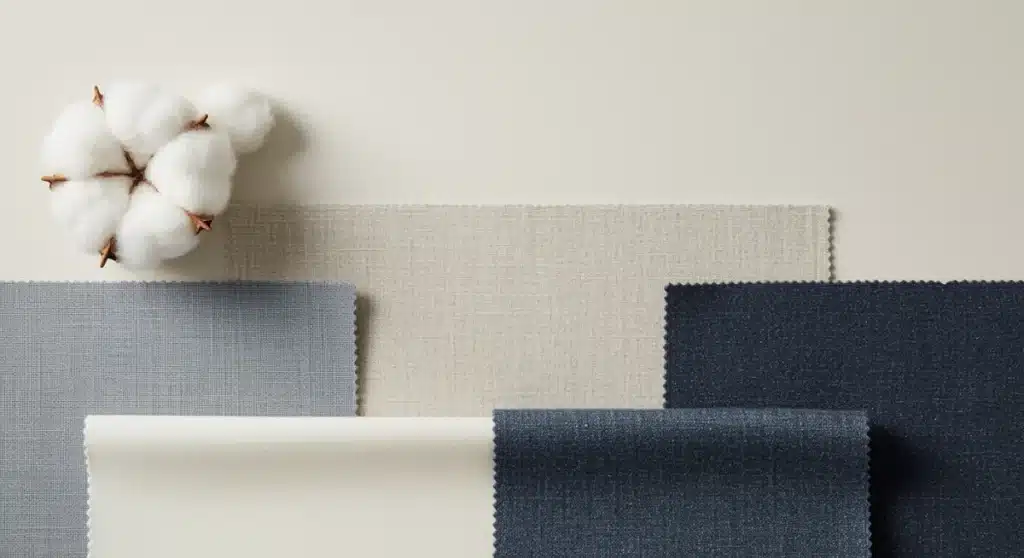
Choosing natural fabrics over synthetics is increasingly vital for personal well-being, environmental sustainability, and overall comfort, offering breathability and reducing microplastic pollution.
Have you ever paused to consider the material composition of the clothes you wear daily? The decision to prioritize natural fabrics benefits over synthetic alternatives is far more impactful than many realize. It’s not merely a matter of personal preference; it delves into realms of health, comfort, and significant environmental consequences. Understanding these distinctions can profoundly influence your wardrobe choices and contribute to a more sustainable lifestyle.
The Fundamental Difference: Natural vs. Synthetic Origins
The journey of a garment begins with its fibers, which are broadly categorized into natural and synthetic. This fundamental distinction dictates everything from how the fabric feels against your skin to its environmental footprint. Natural fibers are derived directly from living organisms, offering a connection to the earth that synthetics simply cannot replicate. They have been used for millennia, evolving with human civilization.
In contrast, synthetic fibers are human-made, often originating from petrochemicals. Their creation involves complex chemical processes, transforming raw materials into durable, often water-resistant, and sometimes surprisingly soft textiles. While synthetics have their advantages, particularly in specialized performance wear, their widespread adoption has brought unforeseen challenges.
Natural Fibers: A Gift from Nature
- Cotton: Highly absorbent, breathable, and soft, cotton is a staple for everyday wear.
- Linen: Known for its strength and cooling properties, linen is ideal for warm climates.
- Wool: Offers excellent insulation, moisture-wicking, and natural odor resistance.
- Silk: Luxuriously soft, smooth, and naturally hypoallergenic, silk is prized for its elegance.
These fibers require cultivation or animal rearing, impacting land use and agricultural practices. However, they are inherently biodegradable, returning to the earth without persistent pollution.
Synthetic Fibers: The Age of Innovation
- Polyester: Durable, wrinkle-resistant, and quick-drying, often used in activewear.
- Nylon: Strong, elastic, and water-resistant, commonly found in swimwear and outerwear.
- Acrylic: Soft and warm, often mimicking wool, but prone to pilling.
- Spandex (Lycra): Known for its exceptional elasticity, providing stretch and comfort.
The innovation behind synthetic fabrics has led to remarkable advancements in textile performance, yet it’s crucial to weigh these benefits against their long-term environmental and health implications. Understanding the origins of your clothing is the first step toward making more informed choices.
Health and Comfort: What Touches Your Skin Matters
Beyond aesthetics, the feel and interaction of fabric with your skin are paramount for comfort and health. Natural fabrics are renowned for their breathability and hypoallergenic properties, making them a preferred choice for sensitive skin and everyday wear. They allow your skin to breathe, regulating body temperature more effectively than their synthetic counterparts.
Synthetics, while often touted for their moisture-wicking capabilities in athletic wear, can sometimes trap heat and moisture against the skin, creating an environment conducive to bacterial growth and skin irritation. This can lead to issues ranging from discomfort to actual skin conditions, especially for those with allergies or sensitivities.
Breathability and Temperature Regulation
One of the most significant advantages of natural fibers like cotton, linen, and wool is their inherent ability to breathe. This means air can circulate freely through the fabric, helping to dissipate heat and moisture from your body. This natural ventilation keeps you cooler in warm weather and helps regulate your temperature in cooler conditions by trapping air without causing overheating.
Synthetic fabrics, often woven tightly, tend to be less breathable. While some are engineered to wick moisture away, they don’t always allow for the same level of air exchange, which can lead to a clammy feeling and discomfort, particularly during prolonged wear or in humid environments.
Hypoallergenic Properties and Skin Sensitivity
Many individuals experience skin irritation, rashes, or allergic reactions to certain fabrics. Natural fibers are generally less likely to cause these issues. For instance, organic cotton is grown without harmful pesticides and chemicals, making it exceptionally gentle on the skin. Silk is naturally hypoallergenic and often recommended for those with eczema or other skin sensitivities.
Synthetic fabrics, manufactured using various chemicals and dyes, can sometimes contain residues that trigger allergic reactions. The non-porous nature of some synthetics can also exacerbate skin issues by preventing proper air circulation and trapping irritants close to the skin. Choosing natural fibers can significantly reduce the risk of such reactions, contributing to overall skin health and comfort.
Environmental Impact: A Looming Concern
The environmental footprint of our clothing choices is a critical aspect often overlooked. The production, use, and disposal of textiles have far-reaching consequences for our planet. Natural fabrics and synthetic fabrics each present distinct environmental challenges, but the cumulative impact of synthetics, particularly regarding microplastic pollution, is becoming an increasingly urgent global concern.
From the immense water usage in cotton farming to the chemical-intensive processes of synthetic manufacturing, every garment has a story of resource consumption and waste generation. Understanding these impacts is essential for making eco-conscious decisions that align with a sustainable future.
Production and Resource Consumption
The cultivation of natural fibers like cotton can be resource-intensive, requiring significant amounts of water and, in conventional farming, pesticides. However, advancements in organic farming and sustainable practices are mitigating these impacts. Linen, derived from flax, is known for being a low-impact crop, requiring less water and fewer pesticides.
Synthetic fibers, on the other hand, are primarily derived from petroleum, a non-renewable fossil fuel. Their production involves energy-intensive processes and the use of various chemicals, which can lead to air and water pollution. The extraction of petroleum itself has significant environmental consequences, including habitat destruction and carbon emissions.
Microplastic Pollution: The Silent Killer
Perhaps the most alarming environmental impact of synthetic fabrics is microplastic pollution. Every time you wash a synthetic garment, tiny plastic fibers shed from the fabric and enter our waterways. These microplastics are too small to be filtered out by most wastewater treatment plants and eventually make their way into rivers, lakes, and oceans.

Once in the aquatic environment, microplastics are ingested by marine life, entering the food chain and eventually making their way back to humans. They act as sponges for toxins, carrying harmful chemicals into the organisms that consume them. This pervasive pollution poses a severe threat to ecosystems and potentially human health, making the choice of natural fibers a crucial step in reducing our plastic footprint.
Biodegradability and Waste Management
At the end of their life cycle, natural fibers offer a significant advantage: biodegradability. Cotton, linen, wool, and silk can decompose naturally, returning their organic components to the earth without leaving behind harmful residues. This natural decomposition process helps to reduce landfill waste and minimizes long-term environmental damage.
Synthetic fabrics, being plastic-based, are not biodegradable. They can persist in landfills for hundreds of years, slowly breaking down into smaller and smaller microplastic particles. This creates a perpetual waste problem, contributing to the ever-growing mountains of textile waste globally. The inability of synthetics to naturally decompose means that every synthetic garment ever made will remain on the planet in some form for generations to come.
Considering the full life cycle of a garment, from its raw material extraction to its eventual disposal, it becomes clear that opting for natural fabrics can significantly lessen our collective environmental burden. This conscious choice supports a circular economy where materials are reused, recycled, or naturally returned to the earth.
Durability and Care: Longevity in Your Wardrobe
When investing in clothing, durability and ease of care are practical considerations that influence a garment’s longevity and overall value. Both natural and synthetic fabrics offer different attributes in this regard, with proper care being a universal factor in extending the life of any textile. The perception that synthetics are always more durable is not entirely accurate; many natural fibers boast remarkable strength and resilience.
Understanding the specific care requirements for different fabrics can help you maintain your wardrobe effectively, reducing the need for frequent replacements and minimizing textile waste. A well-cared-for garment, regardless of its composition, is a more sustainable garment.
Strength and Resilience of Natural Fibers
While some synthetics are engineered for extreme durability, many natural fibers are inherently strong and long-lasting. Linen, for example, is one of the strongest natural fibers, becoming even stronger when wet. This makes linen garments incredibly durable and capable of withstanding years of wear and washing. Cotton, especially high-quality weaves, is also known for its strength and ability to resist tearing.
Wool fibers are naturally crimped, giving them elasticity and resistance to wrinkling and tearing. Silk, despite its delicate appearance, is quite strong for its weight. The key to the longevity of natural fibers often lies in their structure and how they are woven, allowing them to endure repeated use and cleaning without significant degradation.
Care Instructions and Maintenance
Caring for natural fabrics typically involves specific considerations to preserve their integrity and appearance. Cotton is generally easy to care for and can withstand machine washing, though colored items may require cold water to prevent fading. Linen benefits from gentle washing and often looks best air-dried to maintain its characteristic texture.
Wool and silk, being animal fibers, require more delicate care. Wool often needs hand washing or dry cleaning and should be laid flat to dry to prevent stretching or shrinking. Silk should also be hand washed with mild detergents and air-dried away from direct sunlight. While these care routines might seem more involved, they are essential for extending the life of these luxurious and durable natural garments.
Synthetic fabrics often boast ‘easy care’ labels, being machine washable and quick-drying. However, their durability can sometimes be misleading. Repeated washing can cause microfibers to shed, and some synthetics are prone to pilling or losing their shape over time. While they might seem low-maintenance initially, understanding their unique wear patterns and environmental impact is crucial.
The Economic Perspective: Investing in Quality and Longevity
When discussing clothing choices, the economic aspect is undeniably important. While natural fabrics might sometimes carry a higher initial price tag, evaluating their long-term value reveals a different story. Investing in quality natural garments often translates to greater longevity, reduced need for replacements, and a more sustainable approach to your wardrobe budget.
Fast fashion, often dominated by synthetic materials, promotes a cycle of frequent purchases and quick disposal. This seemingly affordable trend can accumulate into significant spending over time, not to mention its immense environmental cost. Shifting focus to durable, classic pieces made from natural fibers can be a more economically sound and environmentally responsible strategy.
Initial Cost vs. Long-Term Value
It’s true that a garment made from organic cotton, fine linen, or luxurious silk often costs more upfront than a polyester blend. This higher price reflects the quality of the raw materials, the ethical production processes, and the craftsmanship involved. However, this initial investment typically pays off significantly in the long run.
Natural fabrics, when cared for properly, tend to last much longer than their synthetic counterparts. They resist pilling, maintain their shape, and often age gracefully, developing character over time. A well-made wool coat or a classic linen shirt can remain a staple in your wardrobe for years, even decades, whereas a synthetic item might need replacing after just a few seasons due to wear and tear or fading.
Reducing the Need for Frequent Replacements
The durability and timeless appeal of natural fabrics directly contribute to reducing the need for frequent clothing replacements. By choosing items that are built to last and retain their aesthetic appeal, you actively participate in slowing down the fast fashion cycle. This means fewer trips to the store, less money spent on new clothes, and a smaller contribution to textile waste.
Moreover, the versatility of natural fiber garments often allows for easier integration into various outfits and seasons. A quality cotton tee can be dressed up or down, and a linen blend can transition from casual to semi-formal with ease. This adaptability further enhances their value, making them practical and enduring additions to any wardrobe.
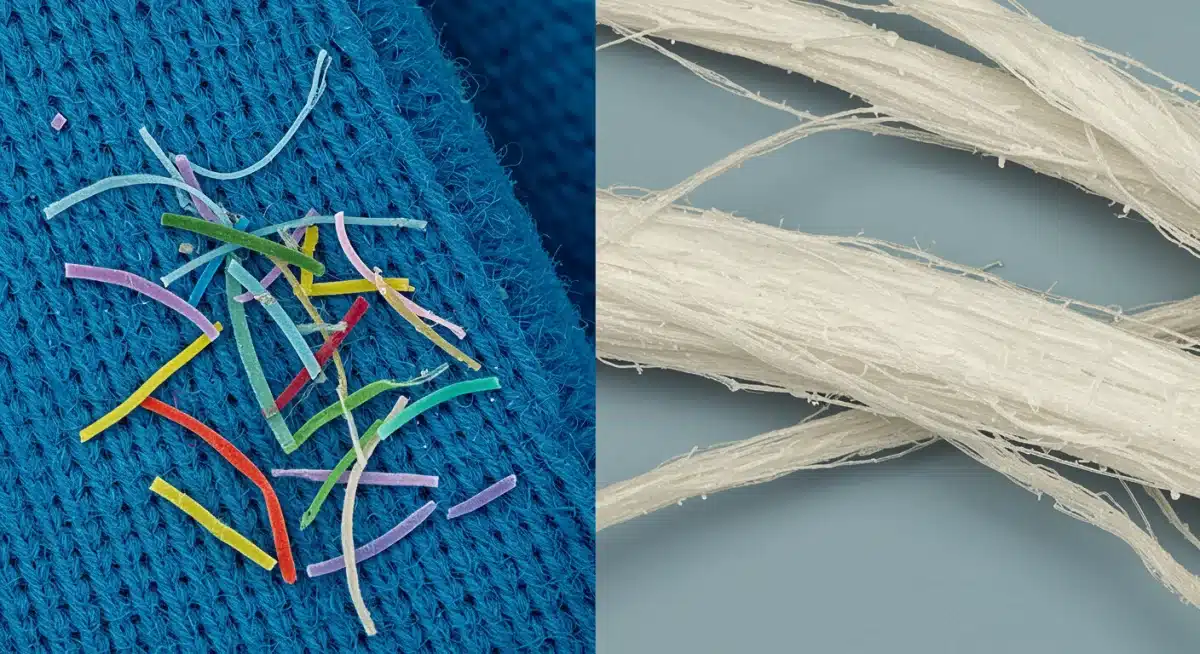
Ultimately, a mindful approach to clothing purchases, prioritizing quality natural fabrics, transforms your wardrobe into a collection of enduring pieces rather than a transient assortment. This not only benefits your wallet over time but also aligns with a more conscious and sustainable consumption pattern, proving that true value extends beyond the price tag.
Ethical Considerations: Beyond the Fabric Itself
The choice between natural and synthetic fabrics extends beyond personal comfort and environmental impact to encompass significant ethical considerations. The fashion industry, particularly fast fashion, has been scrutinized for its labor practices and supply chain transparency. These ethical dimensions are an integral part of making truly responsible clothing choices.
Understanding where and how your clothes are made, and the conditions under which the raw materials are sourced, is crucial for supporting a more just and equitable textile industry. Both natural and synthetic supply chains can be complex, but conscious consumers can seek out brands committed to ethical production.
Labor Practices and Supply Chain Transparency
The production of both natural and synthetic fibers often involves extensive labor, from cultivation and harvesting to spinning, weaving, and garment construction. Unfortunately, many parts of the global fashion supply chain are plagued by issues such as low wages, unsafe working conditions, and child labor.
When choosing natural fabrics, opting for certified organic or fair trade options can provide assurance that the raw materials were sourced and processed under ethical conditions. These certifications often guarantee fair wages, safe working environments, and the absence of exploitative labor practices. Transparency in the supply chain allows consumers to trace the origin of their garments and support brands that prioritize human rights.
Animal Welfare in Natural Fiber Production
For natural fibers derived from animals, such as wool and silk, animal welfare becomes a primary ethical concern. Practices like mulesing in sheep farming or the force-feeding of silkworms raise questions about the humane treatment of animals in the textile industry. Conscious consumers can seek out certifications like Responsible Wool Standard (RWS) or cruelty-free silk alternatives.
These certifications ensure that animals are treated humanely, have access to proper nutrition and living conditions, and are not subjected to painful procedures. By choosing products with these labels, consumers can support practices that align with their ethical values regarding animal welfare. This highlights that even within the natural fiber category, discernment is key to making truly ethical choices.
Considering the ethical implications of your clothing choices means looking beyond the material itself to the entire ecosystem of production. Supporting brands that are transparent about their supply chains and committed to fair labor practices and animal welfare contributes to a more responsible and compassionate fashion industry for everyone involved.
Practical Outfit Ideas with Natural Fabrics
Integrating natural fabrics into your wardrobe doesn’t mean sacrificing style or practicality. In fact, it opens up a world of comfortable, elegant, and versatile outfit possibilities suitable for every occasion. From casual everyday wear to sophisticated evening ensembles, natural fibers offer a foundation for timeless and sustainable style. Embracing these materials allows for creativity while prioritizing comfort and environmental responsibility.
Building a wardrobe around natural fabrics is about making conscious choices that reflect your values without compromising on aesthetic appeal. It’s about curating pieces that feel good, look good, and do good for the planet.
Everyday Comfort and Casual Style
- Cotton T-shirts and Jeans: A classic combination. Opt for organic cotton tees for ultimate softness and breathability.
- Linen Shirts and Shorts: Perfect for warm weather, linen offers a relaxed yet chic look. Pair with leather sandals for a comfortable summer outfit.
- Wool Sweaters: For cooler days, a fine merino wool sweater provides warmth without bulk, and can be easily layered over a cotton shirt.
These pieces form the backbone of a comfortable, casual wardrobe that is both stylish and sustainable. The natural fibers allow for excellent air circulation, making them ideal for daily wear.
Dressing Up: Elegance and Sophistication
- Silk Blouses and Dresses: Silk drapes beautifully and adds an instant touch of luxury to any outfit, perfect for evening wear or special occasions.
- Wool Blazers and Trousers: High-quality wool tailored pieces offer a sophisticated and professional look, ideal for office wear or formal events.
- Linen Suits: For a breathable yet refined summer formal look, a well-tailored linen suit is an excellent choice, offering a relaxed elegance.
Natural fabrics excel in formal wear due to their superior drape, texture, and ability to hold dyes beautifully. They provide a level of comfort and breathability that synthetics often struggle to match in elegant settings.
By thoughtfully incorporating natural fabrics into your outfit choices, you elevate your personal style while making a positive impact. These materials offer versatility, allowing you to create diverse looks that are both fashionable and aligned with a conscious lifestyle. The possibilities are endless when you choose to dress naturally.
| Key Aspect | Impact of Fabric Choice |
|---|---|
| Health & Comfort | Natural fabrics offer superior breathability and are hypoallergenic, reducing skin irritation. Synthetics can trap heat and moisture. |
| Environmental Footprint | Natural fibers are biodegradable and reduce microplastic pollution. Synthetics are petroleum-based and persist for centuries. |
| Durability & Value | Quality natural fabrics offer greater longevity and timeless style, providing better long-term economic value. |
| Ethical Sourcing | Choosing certified natural fabrics supports fair labor and animal welfare, promoting a more ethical fashion industry. |
Frequently Asked Questions About Fabric Choices
While often more sustainable due to biodegradability and lower microplastic shedding, the sustainability of natural fabrics depends on farming practices (e.g., organic cotton vs. conventional cotton) and processing. Synthetics are inherently less sustainable due to fossil fuel dependence and non-biodegradability.
Yes, synthetic fabrics offer benefits like enhanced durability, water resistance, and quick-drying properties, making them suitable for specific applications such as activewear, swimwear, and outerwear where performance is critical. They can also be more stretchable and wrinkle-resistant.
Always check the care label inside the garment, which lists the fabric composition. Look for terms like cotton, linen, wool, silk, hemp, or rayon (which is derived from wood pulp). Many brands also highlight natural materials in their product descriptions or on tags.
Microplastic pollution refers to tiny plastic fibers shed from synthetic clothes during washing. These enter waterways, harm marine life, and can re-enter the human food chain. It’s a significant environmental concern due to its pervasive nature and long-term ecological impact.
Yes, organic cotton is grown without harmful pesticides, synthetic fertilizers, or genetically modified organisms, making it better for the environment, farmers’ health, and often gentler on sensitive skin. Conventional cotton farming is notoriously resource-intensive and chemical-heavy.
Conclusion
The choice between natural and synthetic fabrics is far more nuanced than a simple preference for texture or appearance. It’s a decision with profound implications for our personal health, the environment, the longevity of our wardrobes, and the ethical landscape of the fashion industry. By understanding the origins, impacts, and benefits of each, consumers can make informed choices that align with a more sustainable and conscious lifestyle. Embracing natural fabrics is not just a trend; it’s a step towards a healthier planet and a more mindful approach to what we wear every day.