Advertisements
Tired of seeing your favorite outfits fall apart after just a few washes? Embracing Smart Shopping is the ultimate way to break the fast-fashion cycle and build a resilient wardrobe filled with pieces that actually stand the test of time.
The secret lies in training your eye to spot premium, long-lasting textiles before hitting the checkout. By prioritizing robust natural fibers, dense weave structures, and meticulous stitching, you can easily invest in garments built to endure for half a decade or more.
Shifting your retail habits toward intentional, quality-driven choices is both a win for your wallet and a major victory for sustainable style. Here is your ultimate insider guide to evaluating premium clothing materials so you can shop smarter and wear your favorite looks longer.
Advertisements
The Shifting Paradigm: Longevity in Fashion
The fashion industry is undergoing a significant transformation, moving away from fast fashion towards more sustainable and durable options.
Consumers are increasingly demanding garments that not only look good but also withstand the test of time, reducing environmental impact and personal expenditure.
This shift is driven by a growing awareness of textile waste and the desire for a more conscious approach to clothing ownership.
Advertisements
The focus is now firmly on investment pieces that offer extended wear, making the ability to identify high-quality fabrics a crucial skill.
As we head into 2026, understanding the properties of different textiles and their manufacturing processes becomes paramount for any discerning shopper.
This knowledge empowers individuals to make choices that align with both their personal style and their values regarding sustainability and durability.
Understanding Fabric Composition and Durability
The foundation of a long-lasting garment lies in its fabric composition. Natural fibers often offer superior durability and breathability compared to many synthetics, though advancements in synthetic technology are narrowing this gap.
Merino wool, for instance, is renowned for its strength, elasticity, and resistance to odor and wrinkles, making it an excellent choice for everyday wear and travel.
Similarly, high-quality cotton, particularly long-staple varieties, provides comfort and resilience, improving with age if properly cared for.
Understanding the weave and knit of a fabric is also critical. Tightly woven or knitted fabrics generally offer greater durability and shape retention than loosely constructed ones, resisting pilling and stretching over time. This detail is essential for Smart Shopping in 2026.
Natural Fibers: The Gold Standard
Natural fibers have long been celebrated for their inherent qualities that contribute to clothing longevity. Their breathability, comfort, and ability to improve with age make them a cornerstone of any durable wardrobe.
Materials like linen, known for its exceptional strength and ability to soften with each wash, and silk, revered for its luxurious feel and natural resilience, exemplify this. These fibers, when processed correctly, offer unparalleled longevity.
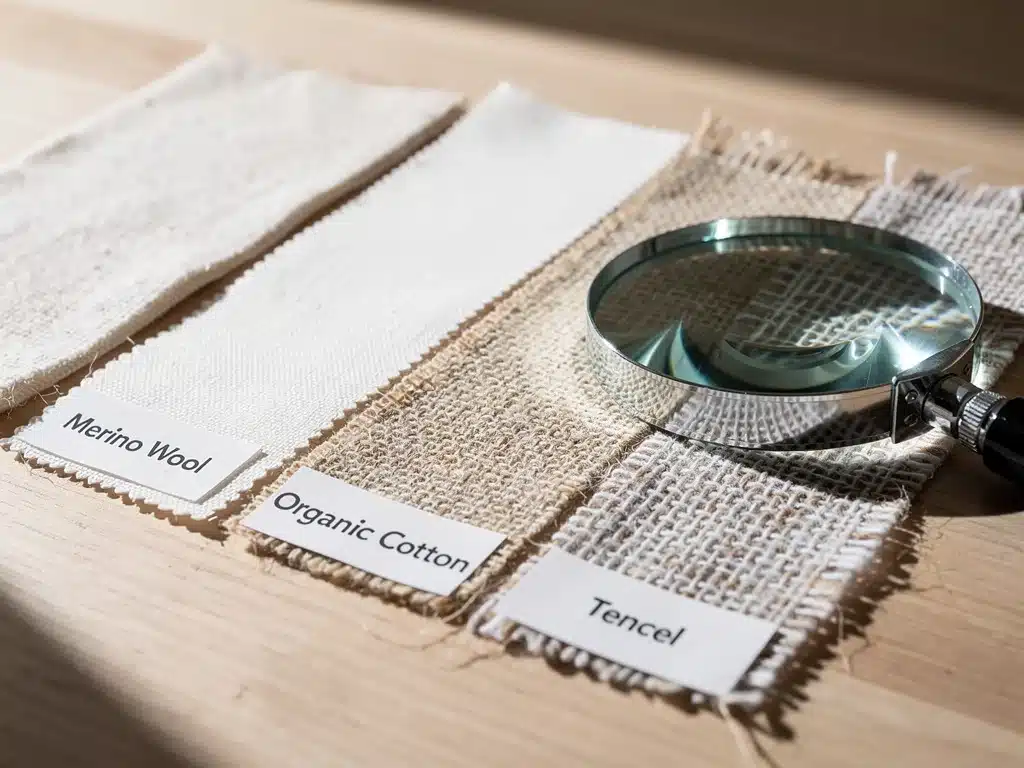
- Organic Cotton: Durable, breathable, and softens over time.
- Merino Wool: Resilient, odor-resistant, and regulates temperature.
- Linen: Extremely strong, absorbent, and becomes softer with wear.
- Silk: Strong, smooth, and naturally resistant to dust mites and mildew.
Synthetic Innovations for Longevity
While natural fibers are often preferred, modern synthetic fabrics have made significant strides in durability and performance. Innovations in polymerization and weaving techniques have created synthetics that can rival natural fibers in certain applications.
Recycled polyesters and nylons, for example, are now engineered for increased tensile strength and abrasion resistance, making them ideal for activewear and outerwear. These materials often offer quick-drying properties and resistance to wrinkles, expanding their appeal.
The key is to differentiate between high-quality synthetics, which are designed for longevity and performance, and cheaper alternatives that contribute to fast fashion’s disposability.
Informed consumers prioritize synthetics with clear durability claims. This is central to Smart Shopping in 2026.
Visual and Tactile Cues for Quality Assessment
When shopping, several visual and tactile cues can help you assess fabric quality even without extensive technical knowledge. These practical tips are invaluable for making informed purchases.
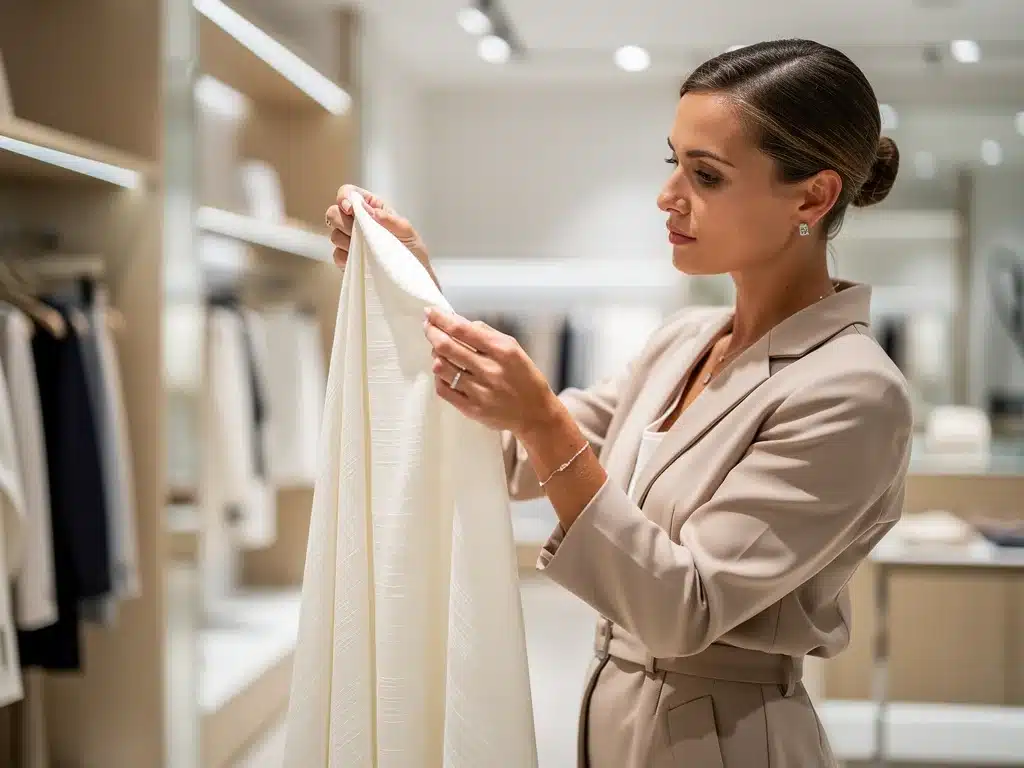
Examine the fabric closely for consistency in weave or knit. High-quality fabrics will show a tight, even construction without loose threads, snags, or irregularities. The color should also be uniform, indicating a professional dyeing process.
Touch the fabric to feel its density and texture. A substantial, smooth feel often indicates a higher thread count or tighter weave, suggesting greater durability. Avoid fabrics that feel overly thin, flimsy, or have an uneven texture, as these are likely to wear out quickly.
Inspecting the Weave and Finish
A close inspection of the fabric’s weave or knit structure reveals much about its potential lifespan. Tightly packed, uniform stitches or threads are a clear indicator of superior craftsmanship and durability.
Look for a smooth, even surface without any fuzziness or pilling, which can be signs of lower quality fibers or poor finishing. A well-finished fabric will also have clean edges and seams, contributing to the garment’s overall integrity.
The way the fabric drapes and moves also offers clues. High-quality materials tend to have a fluid, natural drape that recovers well from wrinkling, reflecting the resilience of their fibers and construction. This is a key aspect of Smart Shopping in 2026.
The Wrinkle Test and Recovery
A simple yet effective test for fabric quality involves gently crushing a small section of the material in your hand. The way it recovers provides valuable insight into its inherent resilience and resistance to creasing.
High-quality fabrics, especially those with natural elasticity like wool or certain blends, will spring back quickly with minimal creasing.
Fabrics that retain deep, stubborn wrinkles after this test are often indicative of lower quality fibers or poor construction, prone to showing wear rapidly.
This test, combined with visual inspection, offers a quick assessment of a garment’s potential for longevity and ease of care. It’s a pragmatic approach for discerning shoppers seeking durable clothing. This is a crucial tip for Smart Shopping in 2026.
Decoding Labels: Beyond the Basics
Fabric labels provide essential information, but truly understanding them requires going beyond just the fiber content. Details about thread count, weave type, and certifications offer deeper insights into quality.
For cotton, a higher thread count generally indicates a denser, more durable fabric, though extremely high counts can sometimes be misleading if the fibers themselves are short-staple. Look for terms like “long-staple cotton” or “Egyptian cotton” for superior quality.
Certifications such as GOTS (Global Organic Textile Standard) or Oeko-Tex Standard 100 assure that fabrics meet specific environmental and social criteria, often correlating with higher quality and responsible production. These labels are vital for Smart Shopping in 2026.
Understanding Thread Count and Ply
While often associated with bed linens, thread count (TPI) is also relevant for certain apparel fabrics, particularly cotton. It refers to the number of threads woven into one square inch of fabric.
A higher thread count suggests a tighter, denser weave, which typically translates to greater durability and a smoother feel.
However, an excessively high thread count can sometimes be achieved by twisting multiple thinner threads together (ply), which doesn’t always equate to superior quality if the base fibers are weak.
Focus on a balanced combination of thread count, fiber quality (e.g., long-staple), and ply for optimal durability and comfort. This nuanced understanding is key to making truly informed fabric choices.
The Role of Ethical and Sustainable Sourcing
The origin and production methods of fabrics are increasingly linked to their quality and longevity. Ethically and sustainably sourced materials often come from producers who prioritize craftsmanship and environmental stewardship.
Companies committed to sustainable practices tend to use higher-grade raw materials and employ more careful manufacturing processes, resulting in superior quality textiles.
This commitment often extends to fair labor practices and reduced chemical usage, benefiting both the product and the planet.
Supporting brands that transparently share their sourcing and production stories is a form of Smart Shopping in 2026. It ensures that your investment not only lasts but also aligns with responsible consumer values. This is essential for Smart Shopping in 2026.
Certifications and Transparency
Certifications play a crucial role in verifying ethical and sustainable sourcing claims. Labels like Fair Trade, GOTS, and Bluesign provide independent assurance that fabrics meet stringent standards.
These certifications cover various aspects, from organic farming practices and non-toxic dyes to fair wages and safe working conditions. They offer consumers a reliable way to identify products that are both high-quality and responsibly produced.
Transparency from brands regarding their supply chains further empowers consumers.
Companies that openly share information about their factories, material origins, and environmental impact demonstrate a commitment to both quality and accountability, building trust with their customer base.
Impact of Construction on Garment Longevity
Even the highest quality fabric can fail if the garment’s construction is poor. Seams, stitching, and finishing details are critical indicators of a garment’s overall durability and its potential to last for years.
Examine seams for evenness, tightness, and reinforcement. Double-stitched seams, French seams, or flat-felled seams are signs of superior construction that prevent fraying and tearing. Loose or uneven stitching is a red flag, indicating a garment likely to fall apart quickly.
Pay attention to details like buttonholes, zippers, and lining. Well-made garments will feature sturdy hardware, neatly finished buttonholes, and fully lined interiors where appropriate, all contributing to extended wear. This attention to detail is vital for Smart Shopping in 2026.
Seam Quality and Reinforcement
The integrity of a garment’s seams is a direct reflection of its construction quality. Strong, well-executed seams are essential for resisting the stresses of wear and washing, ensuring the garment holds its shape.
Look for even, consistent stitching with no skipped stitches or loose threads. Areas subject to high tension, such as armholes, crotches, and pocket attachments, should ideally be reinforced with bar-tacks or extra stitching to prevent premature failure.
Finished seam allowances, such as serged or bound edges, prevent fraying and add to the garment’s internal neatness and durability. These small details collectively contribute to a garment’s ability to last for many years. This is a crucial part of Smart Shopping in 2026.
Care Instructions: Maximizing Your Investment
Even the most durable fabrics require proper care to achieve their maximum lifespan. Understanding and following care instructions is not merely a suggestion but a necessity for preserving garment quality.
Different fabrics have specific needs; for example, wool often benefits from gentle hand washing or dry cleaning, while some cottons can withstand machine washing. Ignoring these instructions can lead to shrinkage, stretching, color fading, or fabric degradation.
Investing in appropriate care products, such as gentle detergents and specialized fabric softeners, can also extend the life of your clothes.
Proper storage, including folding knitwear to prevent stretching and using padded hangers for delicate items, further contributes to longevity. This attention to detail is key for Smart Shopping in 2026.
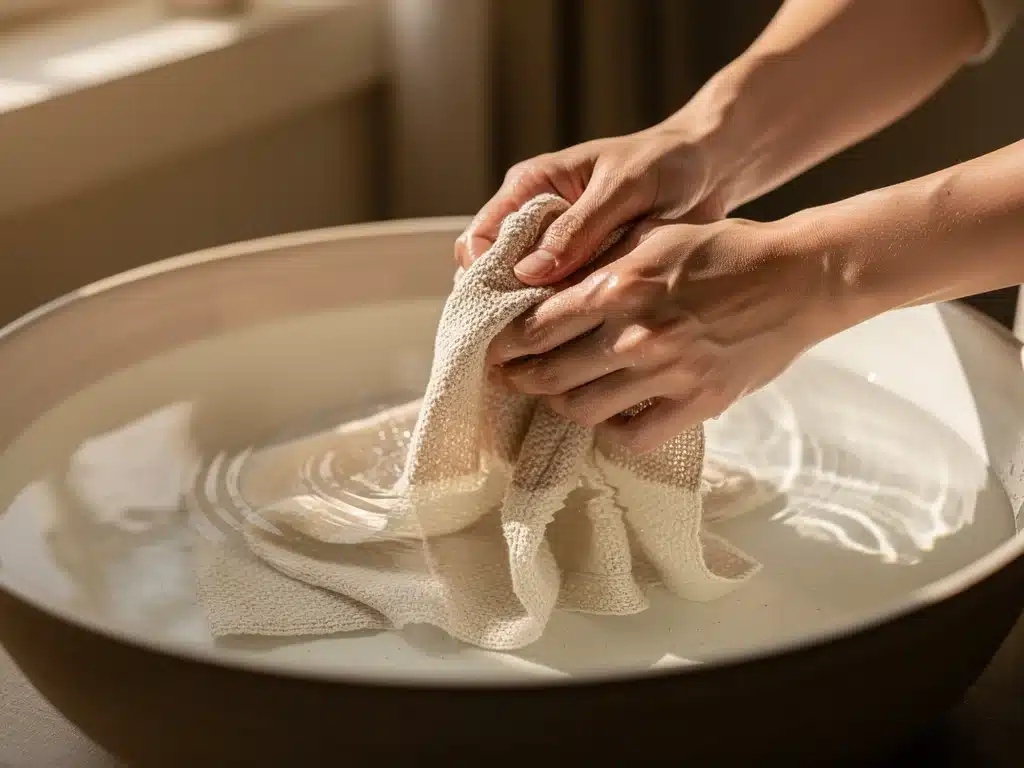
Understanding Fabric-Specific Care
Each fabric type possesses unique characteristics that dictate its optimal care regimen. Treating all garments uniformly can inadvertently shorten their lifespan, even if they are made from high-quality materials.
For instance, silk and linen often require cooler water temperatures and air drying to maintain their integrity and prevent damage. Synthetics, while generally more robust, can be sensitive to high heat, which can melt or degrade their fibers.
Taking the time to understand the care symbols on garment labels and researching best practices for specific fabrics is an investment in your wardrobe.
This knowledge allows you to preserve the quality and appearance of your clothes, ensuring they remain wearable for years to come. This is fundamental to Smart Shopping in 2026.
Future Trends in Durable Fashion
Looking ahead to 2026 and beyond, several trends are poised to further enhance clothing longevity. Innovations in textile science, coupled with evolving consumer expectations, will drive the development of even more durable and sustainable options.
Expect to see a greater emphasis on circular design principles, where garments are made to be easily repaired, recycled, or upcycled. This approach minimizes waste and extends the lifecycle of materials, contributing to a more sustainable fashion ecosystem.
Technological advancements, such as self-healing fabrics and smart textiles that adapt to environmental conditions, are also on the horizon.
These innovations promise to revolutionize how we think about clothing durability and function, making Smart Shopping in 2026 an even more sophisticated endeavor.
Emerging Materials and Technologies
The textile industry is continuously innovating, bringing forth new materials and technologies designed to improve durability and environmental impact. These advancements are set to redefine what constitutes a high-quality fabric.
Bio-engineered fibers, derived from plant-based sources or microbial processes, offer promising alternatives to traditional materials, often boasting enhanced strength and biodegradability.
These materials reduce reliance on petrochemicals and offer a more sustainable footprint.
Furthermore, advancements in coating technologies and molecular engineering are creating fabrics with inherent resistance to stains, water, and abrasion, without compromising breathability or feel.
These innovations will allow garments to withstand harsher conditions and require less intensive care, prolonging their usability. This is a key part of Smart Shopping in 2026.
| Key Point | Brief Description |
|---|---|
| Fabric Composition | Natural fibers like wool and cotton, alongside advanced synthetics, are crucial for longevity. |
| Visual & Tactile Cues | Inspect weave consistency, feel density, and perform the wrinkle test for quality assessment. |
| Label Decoding | Understand thread count, ply, and look for certifications like GOTS for assurance. |
| Garment Construction | Strong seams, reinforced stress points, and quality hardware are vital for durability. |
Frequently Asked Questions About Fabric Longevity
Linen is often cited as one of the most durable natural fibers, known for its exceptional strength and ability to resist tearing and stretching. Merino wool and organic cotton, especially long-staple varieties, also offer significant longevity due to their inherent fiber strengths and resilience, improving with age and proper care.
Always inspect the fabric for a tight, even weave or knit, consistent color, and a substantial feel. Perform a gentle wrinkle test; high-quality fabrics should recover quickly. Check garment labels for fiber content, thread count, and certifications like GOTS or Oeko-Tex for added assurance of quality and ethical production.
Modern synthetic fabrics, particularly recycled polyester and nylon, can offer excellent durability, abrasion resistance, and quick-drying properties, making them suitable for specific uses like activewear. While natural fibers often age gracefully, advanced synthetics are engineered for performance and longevity, rivaling natural options in certain applications when produced to high standards.
Garment construction is as critical as fabric quality. Strong, even, and reinforced seams (like French or flat-felled seams), sturdy hardware, and neatly finished buttonholes all contribute significantly to a garment’s lifespan. Poorly constructed items, even from good fabric, will often fail prematurely at stress points, highlighting the importance of detailed craftsmanship.
Future trends include increased focus on circular design for repairability and recyclability, bio-engineered fibers from sustainable sources, and smart textiles with enhanced properties like self-healing or adaptive resistance. These innovations aim to extend garment life, reduce environmental impact, and make Smart Shopping in 2026 even more effective and conscientious.
Looking Ahead: Investing in Your Wardrobe
The shift towards prioritizing longevity in clothing is more than a trend; it’s a fundamental change in consumer behavior and industry focus.
As we move further into 2026, the insights shared here will become increasingly relevant for every shopper aiming to build a sustainable and enduring wardrobe.
By applying this insider knowledge on fabric identification, construction assessment, and proper care, consumers can confidently invest in garments that not only meet their aesthetic preferences but also offer exceptional durability.
This approach transcends fleeting fashion cycles, fostering a more mindful and economical way of dressing.
Continue to monitor developments in textile innovation and sustainable practices, as the landscape of high-quality fabrics is constantly evolving.
Your ability to engage in Smart Shopping in 2026 will empower you to make choices that benefit both your personal style and the planet.