
How to Transition Summer Dresses into Cooler Autumn Weather
Advertisements
You can transition summer dresses into cooler autumn weather by building layers underneath and over lightweight silhouettes, swapping open sandals for structured footwear, and balancing breathable textiles with dense seasonal fabrics. This approach helps anyone looking to extend their warm-weather wardrobe into October and November without buying entirely new garments, though it requires attention to garment proportions to prevent bulky silhouettes.
As ambient temperatures drop across the United States during September and October, shifting your wardrobe does not require packing away sundresses, slip dresses, or linen midis immediately. Adapting these pieces for autumn is primarily a matter of regulating body heat through strategic thermal barriers and visually grounding warm-weather colors with rich, autumnal tones.
Layering knitwear over and under warm-weather silhouettes
The most straightforward method to transition summer dresses involves treating the dress as either a foundational skirt or a decorative top layer. A lightweight slip dress or sleeveless sundress functions effectively as a base layer over which you can add varying weights of knitwear. When adding pullovers, crewnecks, or cardigans over a dress, the main challenge is managing waist definition and fabric bunching.
Advertisements
To crop a standard pullover over a summer dress without altering the garment permanently, you can secure the sweater hem into a thin waist belt or fold it upward over an elastic band positioned at your natural waistline. This technique transforms a full-length maxi or midi dress into a flowing skirt, creating thermal insulation around your torso while displaying the lower pattern and movement of the dress. Alternatively, placing fine-gauge knitwear underneath your dresses preserves the full silhouette of the dress while providing direct skin warmth.
Effective base layer pairings
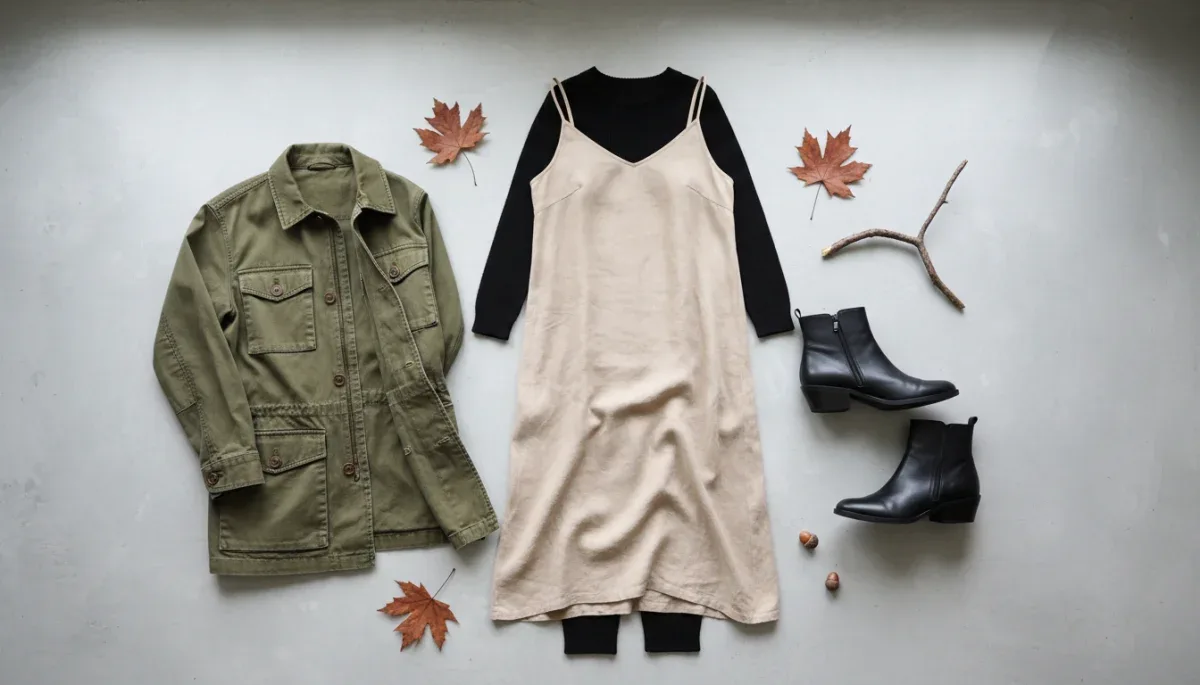
- Fitted turtleneck tops: A thin modal, rib-knit, or merino wool turtleneck worn directly beneath a sleeveless slip dress or pinafore creates clean lines without adding excess bulk around the shoulders.
- Long-sleeve crewneck bodysuits: Bodysuits provide a seamless base under tiered cotton dresses, preventing shifting or bunching around the waistline throughout the day.
- Thermal long underwear: Seamless thermal tops in neutral tones provide discreet warmth when worn underneath long-sleeved floral chiffon or georgette maxi dresses.
When selecting knits to pair over dresses, prioritize natural wools, cashmere blends, or heavyweight cotton yarns. These fibers regulate temperature more effectively than unbreathable synthetic knits, preventing overheating when moving between chilly outdoor air and heated indoor environments.
Grounding lightweight fabrics with structured outerwear
Summer dresses are predominantly cut from light, fluid textiles such as cotton poplin, viscose, rayon, and linen. When exposed to autumn winds, these materials can feel visibly and physically out of place. Outerwear provides the necessary architectural structure to counteract light drapery, framing the soft movement of the dress with crisp, defined edges.
Advertisements
A classic tailored blazer instantly formalizes a casual summer sundress, making it suitable for professional workplaces or formal gatherings during transitional months. Opt for blazers constructed from wool blends, heavy twill, or corduroy. Choosing an oversized blazer allows sufficient room in the sleeves and armholes for light sweaters or long sleeves worn beneath the dress, ensuring unhindered arm movement.
Leather and suede jackets offer another functional contrast. A cropped biker jacket or a tailored leather blazer introduces wind resistance and tactile weight, which anchors airy fabrics like eyelet lace or printed silk. For casual daytime settings, an unlined trench coat or a utility jacket made from heavy cotton canvas offers weather protection against unpredictable autumn rain showers without creating an overly insulated barrier on milder days.
Proportion plays a critical role when selecting outerwear length. As a general rule, pair shorter mini dresses with outerwear that hits either at the exact same hemline or extends significantly past it, such as a mid-calf duster coat. For midi and maxi dresses, outerwear that crops right at the natural waist or hip line prevents the outfit from overwhelming your frame.
Selecting tights, socks, and seasonal footwear pairings
Footwear dictates the seasonal tone of an outfit faster than almost any other element. Swapping strappy leather sandals, espadrilles, and canvas sneakers for closed-toe leather boots immediately adapts summer garments for cooler weather conditions and damp pavement.
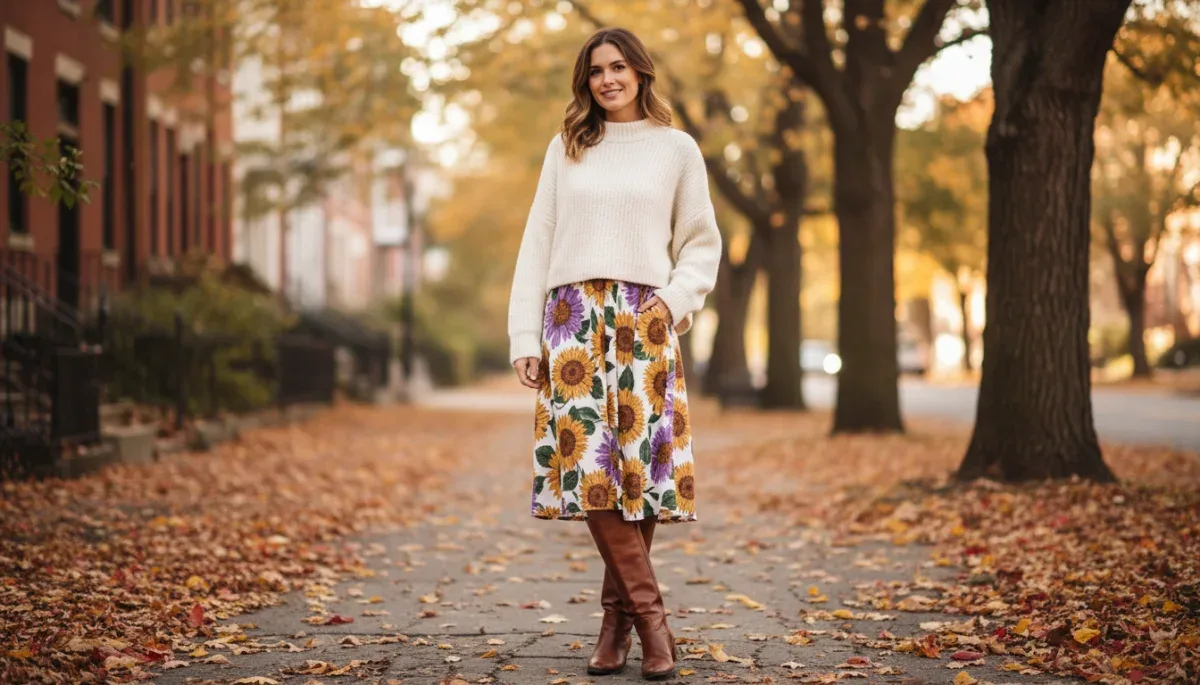
Knee-high leather or suede boots are particularly effective when paired with midi-length dresses. When the hem of the dress overlaps the top of the boot shaft by several inches, it creates an unbroken visual line that blocks cold air from reaching bare legs. Ankle boots and Chelsea boots pair naturally with shorter hemlines or tiered mini dresses, offering rugged traction and ankle support on brisk days.
Foot and leg wear combinations
- Sheer black tights (15 to 30 denier): Sheer hosiery adds subtle warmth and tonal depth to dark floral prints or jewel-toned summer slips without visually overpowering delicate fabrics.
- Opaque thermal tights (60+ denier): Heavy opaque tights provide reliable insulation against late-autumn frosts and pair cleanly with structured A-line dresses and heavier boots.
- Ribbed knit socks with loafers: Chunky wool or cotton crew socks paired with leather penny loafers or lug-sole oxfords create an academic, structured aesthetic when worn with shorter dresses.
- Fleece-lined translucent tights: These garments offer the visual appearance of sheer nylon hosiery while containing a thick fleece interior lining for maximum insulation.
When incorporating tights, select footwear in a matching or complementary tonal value to lengthen the visual profile of your legs. Avoid wearing open-toed shoes with standard seam-toed tights to maintain structural comfort and aesthetic balance.
Balancing prints, hem lengths, and proportion adjustments
Not every summer pattern integrates seamlessly into an autumn color palette. Pastel hues, gingham prints, and tropical botanicals can clash with the muted earth tones typically associated with fall styling. However, with thoughtful color balancing, many prints can remain in rotation through the colder months.
To adapt bright summer prints, draw out the darkest secondary shade present in the fabric and repeat that color across your accessories, outerwear, and footwear. For instance, if a yellow floral dress features dark olive stems or deep burgundy accents, style the piece with an olive trench coat or burgundy leather boots. This anchors the vibrant base color and harmonizes the overall ensemble with seasonal tones.
Hemline lengths also dictate your warmth and styling strategy. Maxi dresses offer substantial leg coverage, making them natural candidates for hidden thermal leggings worn underneath. Mini dresses require deliberate layering strategies with opaque tights or knee-high boots to ensure physical comfort against dropping temperatures. Adjusting the visual waistline using belts can also help re-establish proportions when heavier coats or thick cardigans are layered on top.
When working with shirt dresses, leave the bottom buttons undone to allow movement over straight-leg denim jeans or tailored trousers. This tunic-style pairing represents a contemporary approach to transitional dressing that delivers complete wind protection while showcasing the design details of the dress.
Incorporating seasonal textures to modify summer textiles
Texture contrast is the foundation of visually compelling autumn outfits. Summer garments are notoriously smooth, flat, or airy, which can make an outfit look incomplete when worn during cooler weather without tactile counterweights. By introducing tactile depth through accessories and supplementary garments, you can shift the visual weight of lightweight fabrics.
Combine smooth silk slip dresses with coarse-gauge cable-knit wool or brushed mohair. The tactile tension between the glossy, liquid drape of the silk and the fuzzy, matte surface of the knitwear creates an intentional aesthetic rather than an accidental pairing. Similarly, pair crisp poplin cotton with rich velvet, corduroy, or heavy felted wool.
Accessories offer a low-commitment vehicle for introducing autumn textures. Wool fedoras, structured leather belts with brass hardware, and heavy fringe scarves can alter the character of a simple linen wrap dress. When adding scarves, choose broad blanket scarves or dense wool wraps that provide modular warmth, which you can easily remove upon entering heated spaces.
Bag materials should also shift alongside the rest of your outfit. Retiring summer raffia totes, woven straw baskets, and canvas market bags in favor of structured leather, suede, or dark canvas totes immediately reinforces the seasonal transition.
Preserving delicate summer fabrics against autumn weather
Autumn weather introduces precipitation, mud, and friction from heavy coats, all of which pose risks to delicate summer textiles. Caring for your dresses during this transitional phase ensures they survive the season without fabric degradation, seam pulling, or water staining.
Silk and rayon are especially vulnerable to moisture damage. Rain droplets can cause water spotting on untreated silk dresses, while damp road grime can permanently stain light-colored linen hems. When wet weather is forecasted, reserve fragile fabrics for indoor occasions or wear a long, water-resistant trench coat that completely shields the dress hem from sidewalk splashes.
Static electricity is another common challenge when layering synthetic summer fabrics over wool or nylon tights. Friction between a polyester dress and synthetic tights creates static cling, causing the dress to ride up uncomfortably. To eliminate static cling, moisturize your legs before putting on tights, choose slips made of natural silk or cotton, or lightly mist the inside hem of the dress with an anti-static spray or water.
Pay close attention to fabric friction under heavy outerwear. Coarse coat linings can cause surface pilling on delicate viscose or snag fine chiffon weaves. Inspect your coat interiors for rough zippers or abrasive seam allowances that could abrade soft summer garments during daily movement.
At a glance
| Transition Strategy | What to Know |
|---|---|
| Base Layering | Wear thin modal turtlenecks or seamless bodysuits under sleeveless dresses for invisible insulation. |
| Footwear Swapping | Replace open sandals with knee-high leather boots or lug-sole loafers to anchor light fabrics. |
| Proportion Cropping | Tuck thick sweaters over dresses using a hidden belt to convert full dresses into functional skirts. |
| Static Prevention | Apply lotion to skin before wearing tights or use natural-fiber slips to prevent fabric cling. |
Frequently asked questions
Can I wear linen dresses during the autumn months?
Yes, you can wear linen dresses in autumn if you choose heavier weights and pair them with substantial textures. Darker linen shades combine well with chunky wool cardigans, leather jackets, and closed boots, although lightweight white linen is generally harder to insulate in damp conditions.
How do I prevent my summer dress from clinging to my tights?
To eliminate static cling between dresses and tights, moisturize your legs thoroughly, wear a traditional silk slip, or spray an anti-static solution on the garment lining. Natural fiber combinations, such as cotton dresses over wool tights, naturally generate less static than synthetic pairings.
What type of boots look best with summer midi dresses?
Knee-high leather boots with structured shafts pair exceptionally well with midi dresses because the hem overlaps the boot, blocking cold winds. Chunky Chelsea boots and lace-up combat boots also work well to provide an intentional, casual contrast to delicate floral patterns.
How can I wear bright floral summer dresses in autumn without looking out of season?
You can wear bright floral prints by drawing out their darker background colors using your outerwear and accessories. Layering a black leather jacket, dark brown tights, or deep olive knitwear over the print anchors the garment within an autumn color palette.
The bottom line
You can easily transition summer dresses into autumn by layering fine knits underneath, styling structured outerwear over the shoulders, and swapping summer sandals for leather boots and tights. This styling method extends the utility of your wardrobe while preserving comfort across shifting weather conditions. Before stepping outside, check the day's local precipitation forecast to ensure your lightweight dress fabrics are safely protected from rain and road moisture.
Written by
Rita Lima
Rita Lima writes about outfit ideas, fashion tips and seasonal collections for getclothez.com. Each article explains how things work, compares published details such as prices, policies and program rules, and points readers to the official source before they decide.