
Advertisements
Mastering winter layering style involves strategically combining garments of varying weights and textures to achieve optimal warmth and aesthetic appeal, ensuring comfort and fashion-forward looks during colder months without bulk.
As temperatures drop and the crisp air of winter settles in, the challenge of dressing both warmly and fashionably becomes a central focus for many. The art of winter layering style is not merely about piling on clothes; it’s a thoughtful process that combines functionality with aesthetics, allowing you to adapt to fluctuating temperatures while maintaining a polished look. This guide delves into the nuances of effective layering, ensuring you stay cozy without compromising your personal flair.
Advertisements
Understanding the Foundation: The Three-Layer Principle
Effective winter layering hinges on a fundamental principle: the three-layer system. This approach ensures maximum warmth, breathability, and adaptability. Each layer serves a distinct purpose, working in harmony to create an insulated yet comfortable ensemble. Understanding these roles is the first step to mastering your cold-weather wardrobe. It’s about more than just adding garments; it’s about strategic selection to manage your body temperature efficiently.
Advertisements
The beauty of this system lies in its versatility. As you move from the chilly outdoors to a heated indoor environment, you can easily shed or add layers to maintain comfort. This adaptability is crucial for anyone navigating the unpredictable nature of winter weather and varying indoor climates. A well-executed three-layer system prevents overheating indoors and ensures adequate protection against the cold when stepping outside.
The Base Layer: Moisture-Wicking Marvels
The base layer is your second skin, the closest garment to your body. Its primary function is to wick moisture away from your skin, keeping you dry and preventing that clammy feeling that can lead to chills. Synthetic fabrics and merino wool are excellent choices for this purpose due to their natural moisture-managing properties.
- Merino Wool: Naturally wicks moisture, regulates temperature, and resists odor.
- Synthetics (Polyester, Polypropylene): Quick-drying, durable, and often more affordable.
- Silk: Lightweight, soft, and offers good insulation, though less durable than wool or synthetics.
When choosing a base layer, fit is paramount. It should be snug against your skin without being restrictive, allowing for maximum contact to effectively draw away sweat. Avoid cotton, as it absorbs moisture and takes a long time to dry, which can actually make you colder in the long run. Investing in high-quality base layers is a wise decision for anyone serious about staying warm and comfortable in winter.
The Mid-Layer: Insulation and Warmth Retention
The mid-layer is the heart of your insulation system. Its main job is to trap air, creating a thermal barrier that prevents heat loss from your body. This layer is where you can truly experiment with different textures and thicknesses, depending on the severity of the cold and your personal style preferences. From classic knits to modern fleeces, the options are plentiful.
This is also where your personality can shine through. While functionality is key, the mid-layer often contributes significantly to the overall aesthetic of your outfit. A chunky cable-knit sweater, a sophisticated cashmere cardigan, or a stylish flannel shirt can all serve as effective mid-layers while elevating your look. The key is to balance warmth with wearability, ensuring you don’t feel overly bulky.
Choosing the Right Mid-Layer Fabrics
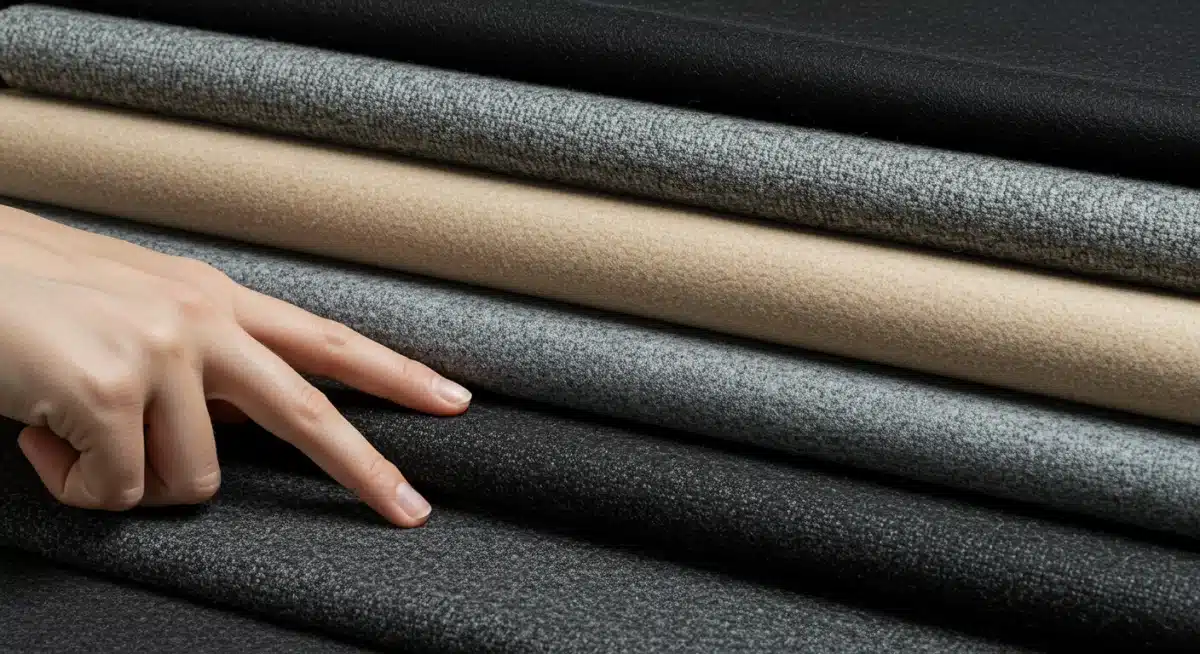
The material of your mid-layer dictates its insulating power and how it feels against other garments. Natural fibers like wool and cashmere are excellent for warmth, while synthetic fleeces offer a lighter, often more water-resistant option.
- Fleece: Lightweight, warm, and dries quickly; ideal for active wear.
- Wool (Lambswool, Shetland): Excellent insulator, durable, and breathable.
- Cashmere: Luxuriously soft, incredibly warm, and lightweight, though more delicate.
- Down or Synthetic Puffy Vests: Offer significant warmth without excessive bulk for the torso.
Consider the fit of your mid-layer. It should be comfortable enough to move in but not so loose that it allows cold air to circulate freely. A slightly more relaxed fit than your base layer is generally appropriate, allowing for comfortable movement and preventing compression of the base layer, which could hinder its wicking abilities. The mid-layer is your primary defense against the cold, so choose wisely.
The Outer Layer: Protection Against the Elements
The outer layer, or shell, is your ultimate shield against wind, rain, and snow. Its primary function is protection, keeping external moisture and cold air from penetrating your inner layers. This layer is often the most visible part of your winter ensemble, making its style and functionality equally important. A well-chosen outer layer not only protects but also completes your winter winter layering style.
When selecting an outer layer, think about the typical winter conditions you face. Do you need something fully waterproof for heavy rain and snow, or will a wind-resistant, water-repellent option suffice? The material and construction of your outer layer will determine its effectiveness in various weather scenarios. This decision is critical for maintaining comfort and warmth throughout the day.
Types of Outerwear for Different Conditions
Outer layers come in a wide range of styles and functionalities, each suited for specific environmental challenges. Consider both the technical specifications and the aesthetic appeal to find the perfect match for your needs.
- Waterproof/Breathable Jackets: Ideal for wet and snowy conditions, often featuring Gore-Tex or similar membranes.
- Insulated Parkas: Offer superior warmth for extremely cold climates, often filled with down or synthetic insulation.
- Wool Coats: Classic and stylish, providing excellent warmth and some wind resistance, suitable for drier cold.
- Puffer Jackets: Trendy and functional, offering lightweight warmth and often water-resistant exteriors.
The fit of your outer layer should accommodate your base and mid-layers comfortably without being too baggy. You want enough room for movement, but not so much that cold air can easily penetrate. Adjustable cuffs, hoods, and hems are valuable features that allow you to seal out the elements effectively. A good outer layer is an investment that will serve you for many winters to come, ensuring your winter layering style remains functional and chic.
Beyond the Basics: Strategic Accessories and Textures
While the three-layer principle forms the backbone of effective winter dressing, it’s the strategic use of accessories and varied textures that truly elevates your winter layering style. Accessories are not just decorative; they play a crucial role in sealing in warmth and protecting exposed areas of your body. Moreover, mixing textures adds depth and visual interest to an otherwise simple layered outfit.
Think of accessories as extensions of your layering system. A thick wool scarf can provide extra warmth around your neck and chest, while a beanie or earmuffs protect your head from heat loss. Gloves or mittens are essential for keeping your hands warm, and warm socks are non-negotiable for foot comfort. These small additions make a significant difference in overall warmth and style.
Incorporating Accessories for Warmth and Style
Accessories offer an opportunity to infuse personality and practicality into your winter outfits. Choose pieces that complement your existing wardrobe and provide necessary protection.
- Scarves: From chunky knits to delicate silk, scarves add warmth and a pop of color or pattern.
- Hats and Beanies: Essential for retaining body heat, available in various styles to suit any face shape.
- Gloves/Mittens: Protect hands from the cold; consider touch-screen compatible options.
- Warm Socks: Wool or thermal socks are crucial for keeping feet dry and warm.
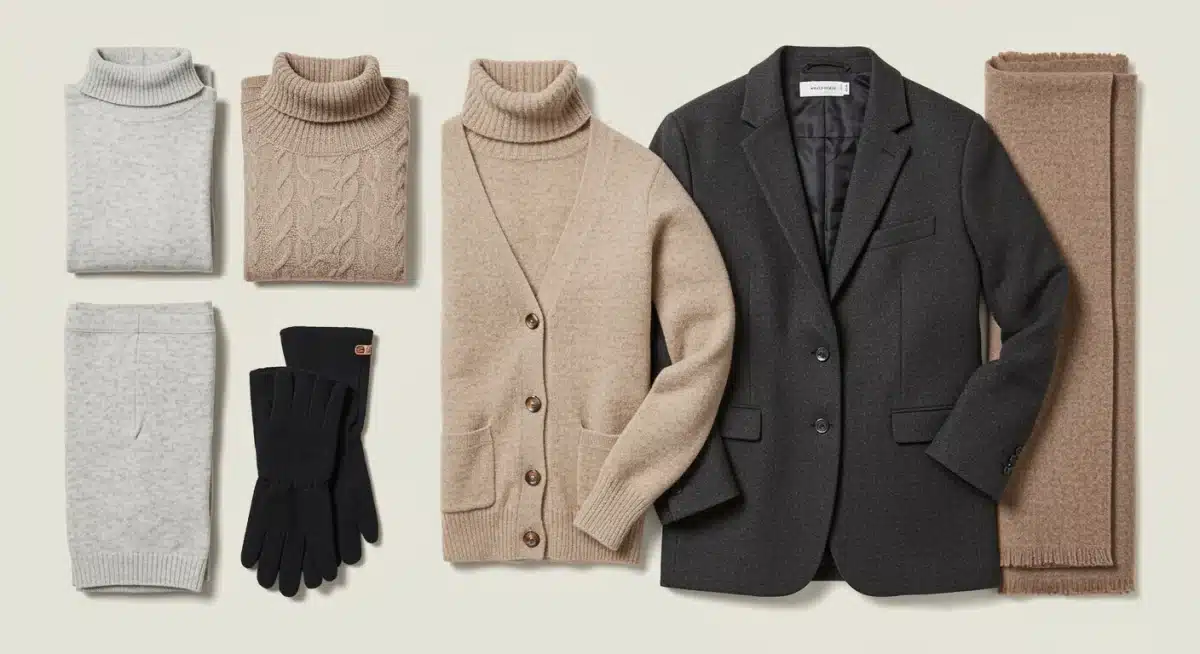
Mixing textures, such as combining a smooth cashmere sweater with a textured wool coat and a ribbed knit scarf, creates a visually rich and sophisticated look. This thoughtful approach to accessories and textures transforms a purely functional outfit into a fashion statement, proving that warmth and style can coexist harmoniously in your winter layering style.
Color Palettes and Proportions in Layering
Mastering winter layering style also involves a keen understanding of color palettes and proportions. While warmth is paramount, the visual harmony of your outfit significantly impacts its overall appeal. Strategic use of color and attention to how different layers sit on your body can create a cohesive and flattering silhouette, preventing a bulky or shapeless appearance.
Consider starting with a neutral base and adding pops of color through your mid-layer or accessories. Monochromatic layering, using different shades of the same color, can create a sophisticated and elongated look. Alternatively, complementary colors can add vibrancy and interest. The goal is to achieve visual balance without sacrificing the functional benefits of layering.
Achieving Visual Harmony
Paying attention to how colors and shapes interact between your layers is crucial for a polished look. Avoid overly busy patterns if you’re aiming for a sleek aesthetic, or embrace them strategically for a bolder statement.
- Monochromatic Schemes: Layering different shades of the same color creates a chic and cohesive look.
- Neutral Base: Start with black, gray, navy, or beige, then add color with one or two key pieces.
- Complementary Colors: Use opposing colors on the color wheel for a vibrant and dynamic outfit.
- Texture as Color: Let different fabric textures add visual interest, even within a single color palette.
Proportions are equally important. Avoid voluminous pieces on every layer, which can make you appear larger than you are. Instead, balance bulkier items with more fitted ones. For example, a slim-fit base layer, a medium-weight mid-layer, and a well-tailored outer coat can create a flattering shape. Experiment with different lengths, such as a longer tunic over slimmer pants, to add dimension to your winter layering style.
Practical Tips for Effortless Winter Layering
Beyond understanding the theoretical aspects of layering, implementing practical tips can make the process effortless and enjoyable. The goal is to create outfits that are not only warm and stylish but also comfortable and easy to wear throughout the day. From proper fabric care to smart garment choices, these insights will refine your winter layering style.
One key aspect is to invest in versatile pieces that can be mixed and matched across various outfits. A high-quality thermal base layer, a classic knit sweater, and a durable winter coat can form the foundation of many different looks. Thinking about your wardrobe as a collection of interchangeable components will simplify your dressing routine and maximize your styling options.
Making Layering Work for You
Consider these actionable tips to enhance your layering strategy and ensure your winter wardrobe is both functional and fashionable.
- Invest in Quality: High-quality fabrics and well-constructed garments perform better and last longer.
- Consider Versatility: Choose pieces that can be dressed up or down and worn in multiple combinations.
- Balance Volume: Pair bulkier items with more streamlined ones to avoid a shapeless look.
- Test Your Layers: Before heading out, try on your chosen layers to ensure comfort and ease of movement.
- Don’t Forget Footwear: Waterproof and insulated boots are essential for keeping feet warm and dry.
Another practical consideration is garment care. Proper washing and storage of your winter clothes will extend their lifespan and maintain their insulating properties. Following care instructions diligently, especially for delicate materials like wool and cashmere, ensures your investment continues to pay off. By integrating these practical tips, you can confidently embrace the colder months with a refined and effective winter layering style.
| Key Layer | Primary Function |
|---|---|
| Base Layer | Wicks moisture from skin, keeps you dry. |
| Mid-Layer | Provides insulation, traps body heat. |
| Outer Layer | Protects against wind, rain, and snow. |
| Accessories | Seals in warmth, adds style to exposed areas. |
Frequently Asked Questions About Winter Layering
The most important rule is to follow the three-layer principle: a moisture-wicking base, an insulating mid-layer, and a protective outer shell. This ensures optimal warmth, comfort, and adaptability to changing temperatures, preventing both overheating and excessive cold.
It is generally not recommended to use cotton as a base layer for winter. Cotton absorbs moisture and dries slowly, which can make you feel cold and damp once you start sweating. Opt for merino wool or synthetic fabrics for better moisture management.
To avoid bulk, focus on balancing proportions. Begin with a snug base layer, choose mid-layers that aren’t excessively thick, and select a well-tailored outer layer. Utilize thin yet warm fabrics like cashmere and strategically vary lengths to create a more streamlined silhouette.
Excellent fabrics for insulating mid-layers include fleece, wool (like lambswool or Shetland), and cashmere. These materials are known for their ability to trap air and provide significant warmth without excessive weight, making them ideal for cold weather.
Absolutely. Accessories like scarves, hats, gloves, and warm socks are crucial for effective winter layering. They help seal in warmth in exposed areas, prevent heat loss, and add significant style while providing essential protection against cold, wind, and snow.
Conclusion
Embracing the colder months with confidence and flair is entirely achievable through the thoughtful application of winter layering style. By understanding the distinct roles of base, mid, and outer layers, and by strategically integrating accessories and considering color and proportion, you can create outfits that are both incredibly warm and undeniably chic. The journey to mastering winter fashion is one of balancing practicality with personal expression, ensuring that comfort never has to be sacrificed for style. With these insights, your winter wardrobe will not only protect you from the elements but also serve as a testament to your sartorial sophistication, making every cold-weather outing an opportunity to showcase your impeccable taste and smart dressing choices.