Advertisements
The latest developments concerning The Latest in Digital Fashion: 4 Trends Shaping Your 2026 Online Shopping Experience (RECENT UPDATES) are signaling a transformative period for consumers. Key innovations, from hyper-personalization to sustainable digital practices, are redefining how we interact with clothing online. This evolution promises a more immersive and efficient shopping journey for everyone.
The Latest in Digital Fashion: 4 Trends Shaping Your 2026 Online Shopping Experience (RECENT UPDATES) is rapidly evolving, bringing forth groundbreaking changes that will redefine how consumers interact with clothing and accessories. Industry reports and technological advancements indicate a clear trajectory towards more immersive, personalized, and sustainable online retail environments. These shifts are not merely incremental but represent a fundamental reimagining of the digital fashion landscape, with significant implications for both brands and shoppers.
As we approach 2026, the convergence of artificial intelligence, augmented reality, and blockchain technology is creating unprecedented opportunities within the digital fashion sector. These innovations are poised to address long-standing challenges in online shopping, such as fit uncertainty and the environmental impact of physical production. Understanding these emerging trends is crucial for anyone looking to stay ahead in the dynamic world of fashion and e-commerce.
Advertisements
The focus remains on enhancing the user experience, making digital fashion more accessible, engaging, and aligned with consumer values. From virtual try-ons that eliminate guesswork to AI-powered recommendations that truly understand individual style, the future of online fashion is being built on a foundation of cutting-edge technology and a deep understanding of consumer needs. This comprehensive overview provides a look into what to expect and how these trends will shape your future shopping habits.
The Rise of Hyper-Personalization Through AI and Data Analytics
Hyper-personalization stands out as a cornerstone of Digital Fashion Trends 2026, leveraging advanced AI and sophisticated data analytics to create uniquely tailored shopping experiences. This trend moves beyond simple recommendations, aiming to understand individual preferences at a granular level, from style nuances to fit requirements.
Brands are investing heavily in AI algorithms that analyze past purchases, browsing behavior, social media activity, and even real-time feedback to construct comprehensive customer profiles. This data-driven approach allows for the delivery of highly relevant product suggestions, personalized content, and bespoke marketing messages, significantly enhancing engagement.
Advertisements
The goal is to make every online interaction feel like a one-on-one consultation with a personal stylist, anticipating needs and offering solutions before the customer even articulates them. This level of personalization fosters stronger brand loyalty and reduces decision fatigue for the consumer, making the shopping process more enjoyable and efficient.
AI-Powered Style Curation and Recommendations
AI-powered style curation is transforming how consumers discover new fashion, moving beyond generic categories to offer truly individualized selections. These systems learn from user interactions, adapting and refining their suggestions over time to match evolving tastes and seasonal trends.
The technology can even suggest entire outfits, considering factors like occasion, weather, and existing wardrobe items, providing a holistic styling service. This capability significantly streamlines the shopping process, allowing users to build cohesive looks with minimal effort.
- Personalized outfit suggestions based on user profiles.
- Dynamic recommendations adapting to real-time browsing behavior.
- Integration with virtual closets for seamless styling.
Predictive Analytics for Inventory Management
Predictive analytics play a critical role in optimizing inventory for digital fashion retailers, ensuring that popular items are always in stock while minimizing overproduction. By forecasting demand with high accuracy, brands can reduce waste and improve supply chain efficiency.
This data-driven approach benefits both businesses and consumers, as it leads to fewer out-of-stock frustrations and supports more sustainable manufacturing practices. The ability to anticipate future trends and consumer preferences is a game-changer for the industry.
The application of predictive analytics extends to understanding regional preferences and even micro-trends, allowing for highly localized inventory strategies. This ensures that retailers can cater to diverse markets effectively, optimizing their offerings for specific demographics and geographic locations.
The Immersive Experience: Virtual Try-Ons and Augmented Reality
The integration of virtual try-ons and augmented reality (AR) is revolutionizing the online shopping experience, directly addressing one of its biggest pain points: the inability to physically interact with products. These technologies are central to Digital Fashion Trends 2026, offering unprecedented levels of engagement and confidence for shoppers.
Virtual try-on solutions allow customers to see how clothes fit and look on their own bodies, or on personalized avatars, from the comfort of their homes. This reduces the need for returns, which is a significant cost for retailers and an environmental concern, while also building customer trust.
AR technology further enhances this immersion by allowing users to place virtual garments into their real-world environment, visualizing how an item might complement their existing wardrobe or suit a particular setting. This creates a highly interactive and personalized pre-purchase experience, making online shopping feel more tangible.

Advanced AR for Realistic Garment Visualization
Advanced AR tools are now capable of rendering digital garments with incredible realism, replicating textures, drapes, and movements with high fidelity. This level of detail is crucial for convincing consumers to make purchases without physical inspection.
These systems often incorporate sophisticated physics engines to simulate how fabric behaves in different lighting conditions and movements, providing a truly authentic representation. This technological leap makes the virtual try-on experience almost indistinguishable from a physical one, bridging the gap between digital and tangible fashion.
- High-fidelity rendering of fabric textures and drapes.
- Real-time movement simulation for dynamic visualization.
- Integration with smartphone cameras for instant try-on.
Avatar-Based Fitting Rooms
Avatar-based fitting rooms offer a personalized and private way for consumers to try on clothes without sharing their own image. Users can create highly customizable avatars that accurately reflect their body shape and measurements.
This approach provides a consistent and reliable fitting experience, as the avatar can be used across multiple brands and platforms. It also addresses privacy concerns, making the virtual try-on process more comfortable for a wider range of users.
The development of increasingly sophisticated avatars, capable of representing diverse body types and styles, is a key focus for platforms aiming to enhance inclusivity in digital fashion. This ensures that the benefits of virtual try-ons are accessible to everyone, regardless of their physical characteristics.
Sustainability and Transparency Through Blockchain and Digital Twins
Sustainability and transparency are becoming non-negotiable for consumers, and blockchain technology is emerging as a powerful tool to meet these demands within Digital Fashion Trends 2026. By providing immutable records, blockchain can track a garment’s entire lifecycle.
From the sourcing of raw materials to manufacturing processes and distribution, every step can be logged and verified on a blockchain. This level of transparency allows consumers to make informed choices, supporting brands that adhere to ethical and environmentally friendly practices.
Digital twins, virtual replicas of physical garments, further enhance this commitment to sustainability by allowing for virtual prototyping and reducing the need for physical samples. This not only cuts down on waste but also speeds up the design and production cycles, making fashion more agile and responsive.
Blockchain for Supply Chain Traceability
Blockchain technology offers an unparalleled level of transparency and traceability across the fashion supply chain. Each stage of a garment’s journey, from farm to factory to customer, can be recorded on a distributed ledger.
This ensures that consumers can verify the authenticity, origin, and ethical credentials of their purchases, combating issues like counterfeiting and unethical labor practices. Brands can build greater trust with their audience by demonstrating a clear commitment to responsible sourcing and production.
- Verification of ethical sourcing and labor practices.
- Tracking of material origins and environmental impact.
- Combating counterfeiting with verifiable product authenticity.
Digital Twins for Sustainable Product Development
Digital twins are transforming product development by enabling brands to create virtual replicas of physical garments, reducing the need for costly and wasteful physical samples. Designers can iterate on designs, test materials, and refine fits in a purely digital environment.
This approach significantly minimizes material waste, reduces carbon emissions associated with sample production and transportation, and accelerates the design process. It represents a major step towards making the fashion industry more sustainable and efficient.
The data collected from digital twins can also be used to optimize manufacturing processes, identify potential flaws before physical production, and even predict garment performance and durability. This holistic approach to product development is a key driver for sustainable innovation in fashion.
The Metaverse and NFT Fashion: New Frontiers for Expression
The metaverse and Non-Fungible Token (NFT) fashion are opening up entirely new avenues for creative expression and ownership, defining a significant aspect of Digital Fashion Trends 2026. These virtual spaces are becoming vibrant platforms for digital clothing, allowing users to express their identity in unprecedented ways.
NFTs provide proof of ownership for unique digital garments, making them collectible and tradable assets within the metaverse. This enables a new economy around digital fashion, where creators can monetize their designs and users can truly own their virtual wardrobes.
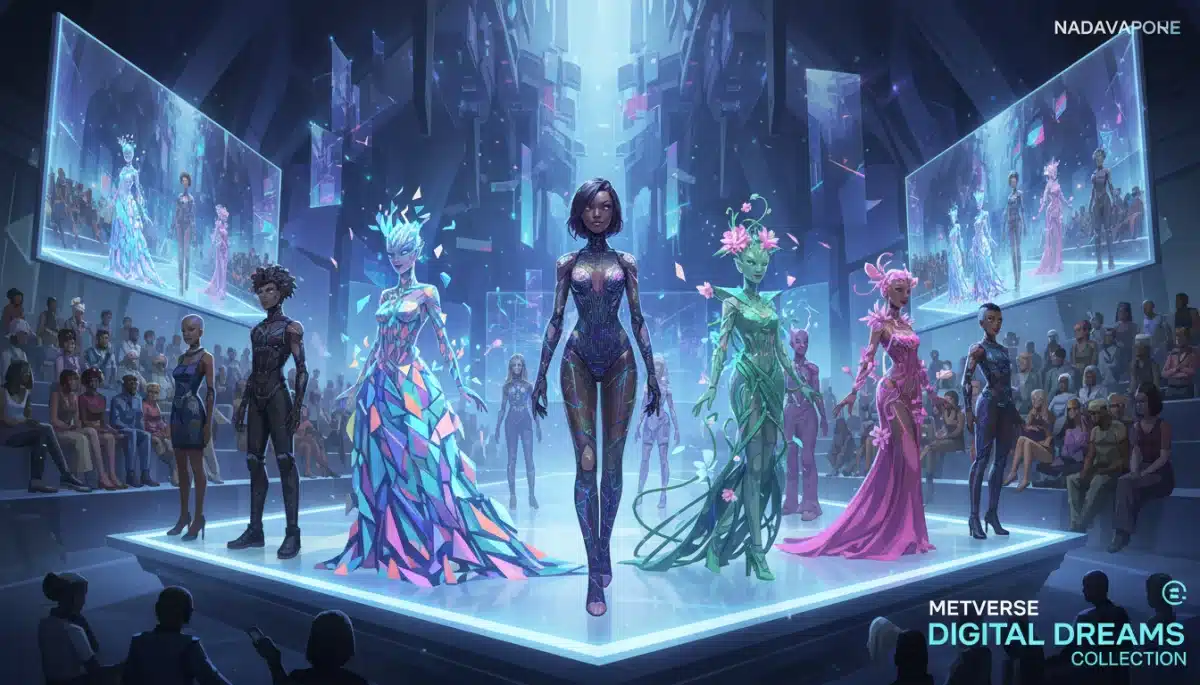
Metaverse fashion shows, virtual pop-up shops, and digital collaborations with established brands are becoming increasingly common, blurring the lines between physical and virtual fashion. This trend is not just about aesthetics; it’s about building communities and fostering new forms of social interaction centered around digital identity.
Virtual Fashion Collectibles and NFTs
Virtual fashion collectibles and NFTs represent a paradigm shift in how we perceive and value clothing. These digital assets offer unique aesthetic value and often come with exclusive access or utility within virtual worlds.
The scarcity and authenticity guaranteed by NFTs make digital garments highly sought after by collectors and enthusiasts. This creates a secondary market for digital fashion, where items can be bought, sold, and traded, mirroring the dynamics of the physical luxury market.
- Exclusive ownership of unique digital garments.
- Tradable assets within metaverse economies.
- Access to exclusive virtual events and experiences.
Metaverse Fashion Weeks and Digital Showrooms
Metaverse fashion weeks and digital showrooms are transforming how fashion is presented and consumed, offering immersive experiences that transcend the limitations of physical spaces. Brands can showcase their collections to a global audience without the logistical complexities of traditional events.
These virtual events often incorporate interactive elements, allowing attendees to engage with designs, customize outfits, and even purchase digital items directly. They provide a more inclusive and accessible platform for experiencing high fashion, reaching a broader demographic.
The creative freedom offered by the metaverse allows designers to experiment with concepts that would be impossible in the physical world, pushing the boundaries of what fashion can be. This innovative approach is attracting a new generation of fashion enthusiasts and creators.
Seamless Integration: Omnichannel Retail and Experiential Shopping
The future of online shopping, heavily influenced by Digital Fashion Trends 2026, points towards a seamless omnichannel retail experience. This integration means blurring the lines between online, offline, and virtual touchpoints, creating a cohesive and consistent customer journey.
Experiential shopping is at the forefront, where the act of purchasing becomes part of a larger, engaging narrative. This involves interactive digital storefronts, personalized in-store experiences guided by online data, and virtual events that connect physical and digital brand presence.
The goal is to provide convenience and choice, allowing customers to start their shopping journey in one channel and seamlessly continue it in another, whether it’s browsing online, trying on in-store, or making a final purchase through a mobile app. This interconnected approach enhances customer satisfaction and loyalty.
Bridging Physical and Digital Shopping Journeys
Bridging physical and digital shopping journeys is crucial for creating a truly integrated omnichannel experience. This means ensuring that customer data and preferences are consistent across all touchpoints, from e-commerce websites to brick-and-mortar stores.
Technologies like QR codes, NFC tags, and in-store AR experiences can connect physical products to their digital counterparts, providing rich information and interactive content. This allows for a more informed and engaging shopping experience, regardless of the channel.
- Consistent customer data across all retail channels.
- Interactive in-store experiences with digital overlays.
- Seamless transitions between online browsing and physical purchases.
Personalized In-Store Experiences Driven by Online Data
Personalized in-store experiences are increasingly being driven by online data, allowing sales associates to provide tailored recommendations and services. When a customer enters a physical store, their online browsing history and purchase patterns can inform the associate’s approach.
This creates a more efficient and relevant in-store interaction, as the associate can quickly understand the customer’s style and needs. It transforms the traditional retail environment into a highly personalized service hub, enhancing customer satisfaction.
Advanced analytics can also help optimize store layouts and product placements based on online insights, ensuring that the physical space is as intuitive and appealing as the digital one. This holistic strategy maximizes engagement and drives sales across all channels.
The Impact of Gaming Culture on Digital Fashion Aesthetics
Gaming culture is exerting a profound influence on Digital Fashion Trends 2026, shaping aesthetics, consumer engagement, and even the very concept of fashion ownership. The highly customizable nature of in-game avatars and virtual worlds has created a generation of consumers accustomed to digital self-expression.
This influence translates into vibrant, often fantastical, and highly experimental digital garments that push the boundaries of traditional fashion design. Brands are increasingly collaborating with gaming platforms and designers to create exclusive in-game skins and digital collections, tapping into this lucrative market.
The gamification of shopping experiences, including challenges, rewards, and interactive narratives, further blurs the lines between entertainment and commerce. This approach makes online shopping more dynamic and appealing, especially to younger, digitally native audiences who value interactivity and creative freedom.
Avatar Customization and Identity Expression
Avatar customization is at the heart of gaming culture’s impact on digital fashion, allowing users to craft unique virtual identities. The ability to personalize avatars with diverse clothing, accessories, and hairstyles fosters a strong sense of self-expression within virtual environments.
This trend extends beyond gaming, as users seek similar levels of customization for their digital presence across various platforms, including social media and metaverse spaces. Brands are responding by offering extensive digital wardrobes and collaborative design tools.
- Extensive options for digital self-expression through avatars.
- Demand for diverse and inclusive digital garment designs.
- Integration of avatar customization across multiple platforms.
Gamified Shopping Experiences and Rewards
Gamified shopping experiences are transforming online retail into an interactive and rewarding activity, leveraging elements from video games to boost engagement. This includes loyalty programs with tiered rewards, virtual challenges, and interactive product discovery tools.
By incorporating game mechanics, brands can create a more entertaining and memorable shopping journey, encouraging repeat visits and purchases. The competitive and achievement-oriented aspects of gaming translate effectively into consumer incentives.
These gamified elements not only drive sales but also foster a sense of community and brand loyalty, as users engage with challenges and share their achievements. This innovative approach is redefining the dynamics of online commerce and consumer interaction.
Ethical Considerations and Data Privacy in Digital Fashion
As Digital Fashion Trends 2026 continue to advance, ethical considerations and data privacy are becoming paramount concerns for consumers and regulators alike. The increasing reliance on personal data for hyper-personalization raises important questions about how this information is collected, stored, and used.
Brands are facing heightened scrutiny regarding their data handling practices, with a growing demand for transparency and robust security measures. Compliance with regulations like GDPR and CCPA is essential, but going beyond mere compliance to build genuine trust is even more critical for long-term success.
The development of privacy-preserving technologies, such as federated learning and differential privacy, will be crucial in balancing personalized experiences with consumer data protection. Ethical AI development, ensuring fairness and avoiding bias in algorithms, is also a key area of focus for the industry.
Ensuring Data Security and Consumer Trust
Ensuring data security and building consumer trust are foundational to the sustained growth of digital fashion. With the proliferation of personal data collected for personalization, robust cybersecurity measures are non-negotiable to protect sensitive information from breaches.
Brands must clearly communicate their data privacy policies, providing consumers with granular control over their information and its usage. Transparency in data practices fosters confidence and encourages greater engagement with personalized services.
- Implementation of robust cybersecurity protocols.
- Clear and accessible data privacy policies.
- Empowering consumers with control over their personal data.
Addressing Algorithmic Bias in AI Personalization
Addressing algorithmic bias in AI personalization is a critical ethical challenge for the digital fashion industry. Biased algorithms can lead to discriminatory recommendations, perpetuate stereotypes, and alienate diverse customer segments.
Developers are working to create more inclusive datasets and design AI models that actively counteract bias, ensuring fair and equitable recommendations for all users. Regular auditing of algorithms for fairness and transparency is becoming a standard practice.
The goal is to ensure that AI-driven personalization enhances the shopping experience for everyone, celebrating diversity rather than reinforcing narrow or exclusionary fashion norms. This commitment to ethical AI is vital for building a truly inclusive digital fashion future.
The Economic Implications of Digital Fashion Innovation
The economic implications of digital fashion innovation are vast, impacting traditional retail models, creating new market opportunities, and reshaping consumer spending habits. Digital Fashion Trends 2026 are not just about aesthetics but also about significant financial shifts.
The rise of digital-only brands, the monetization of virtual garments, and the emergence of fashion NFTs are generating entirely new revenue streams for designers and platforms. This digital economy offers lower barriers to entry for creators and greater accessibility for consumers.
Furthermore, the efficiency gains from virtual prototyping, reduced returns due to virtual try-ons, and optimized inventory management contribute to significant cost savings for businesses. These economic advantages are driving rapid adoption of digital fashion technologies across the industry.
New Revenue Streams and Business Models
New revenue streams and business models are emerging rapidly within the digital fashion landscape, moving beyond traditional sales of physical goods. Digital-only collections, NFT drops, and virtual experiences are becoming significant income generators.
Subscription services for digital wardrobes, micro-transactions for avatar accessories, and licensing of digital designs for use across metaverses represent innovative ways for brands to engage consumers and diversify their income. This creates a more dynamic and resilient fashion economy.
- Monetization of digital-only garments and accessories.
- Subscription models for virtual fashion services.
- Licensing digital designs for metaverse integration.
Reshaping Consumer Spending Habits
Digital fashion innovation is fundamentally reshaping consumer spending habits, with a growing portion of discretionary income being allocated to virtual goods and experiences. Consumers are increasingly valuing digital self-expression as much as, or even more than, physical possessions.
The accessibility and often lower price point of digital fashion compared to luxury physical goods also democratizes access to high-end design. This shift creates a broader market for fashion, allowing consumers to experiment with styles they might not afford physically.
The convenience and instant gratification offered by digital purchases further influence spending, as consumers can acquire and display new items immediately in their virtual lives. This rapid consumption cycle is a key characteristic of the evolving digital fashion economy.
| Key Trend | Brief Description |
|---|---|
| Hyper-Personalization | AI-driven tailored shopping experiences and recommendations. |
| Immersive Experiences | Virtual try-ons and AR for realistic garment visualization. |
| Sustainability & Transparency | Blockchain for traceability and digital twins for less waste. |
| Metaverse & NFT Fashion | New frontiers for digital ownership and self-expression. |
Frequently Asked Questions About Digital Fashion Trends 2026
AI will analyze your specific style, past purchases, and even browsing behavior to offer hyper-personalized recommendations, outfit suggestions, and tailored content. This creates a highly customized shopping journey, anticipating your preferences and streamlining discovery, making Digital Fashion Trends 2026 more intuitive.
Virtual try-ons enhance confidence by allowing you to see how clothes fit on your body or avatar, reducing the need for returns due to sizing issues. They offer a more immersive and interactive shopping experience, bridging the gap between online browsing and physical interaction, a key part of Digital Fashion Trends 2026.
Blockchain provides immutable records for supply chain traceability, allowing consumers to verify the ethical sourcing and environmental impact of garments. It ensures transparency, helping combat counterfeiting and promoting sustainable practices throughout the production process, a core element of Digital Fashion Trends 2026.
NFTs provide proof of ownership for unique digital garments within the metaverse, enabling a new economy of collectible and tradable virtual fashion assets. They allow users to express identity and participate in a vibrant digital fashion ecosystem, significantly shaping Digital Fashion Trends 2026.
Yes, online shopping is evolving into a more experiential journey, integrating virtual try-ons, gamified elements, and personalized content. The aim is to create immersive and engaging interactions that blur the lines between entertainment and commerce, making the Digital Fashion Trends 2026 experience highly dynamic.
Looking Ahead: The Evolving Landscape of Digital Fashion
The rapid advancements in Digital Fashion Trends 2026 herald a future where online shopping transcends mere transactions, becoming a rich, interactive, and personalized experience. The integration of AI, AR, blockchain, and the metaverse is not just about technological novelty; it’s about fundamentally reshaping how we perceive, consume, and interact with fashion.
Consumers can anticipate a shopping environment that is more intuitive, sustainable, and reflective of their individual identities, both in the physical and virtual realms. Brands that embrace these innovations will be best positioned to thrive in an increasingly digital-first world, fostering deeper connections with their audience.
Monitoring the ongoing developments in these key areas will be crucial for anyone interested in the future of fashion. The convergence of technology and creativity is creating an exciting and dynamic landscape, promising continuous evolution and unprecedented opportunities for expression and commerce in the years to come.