Why Vintage Designer Pieces Are Making a Major Comeback
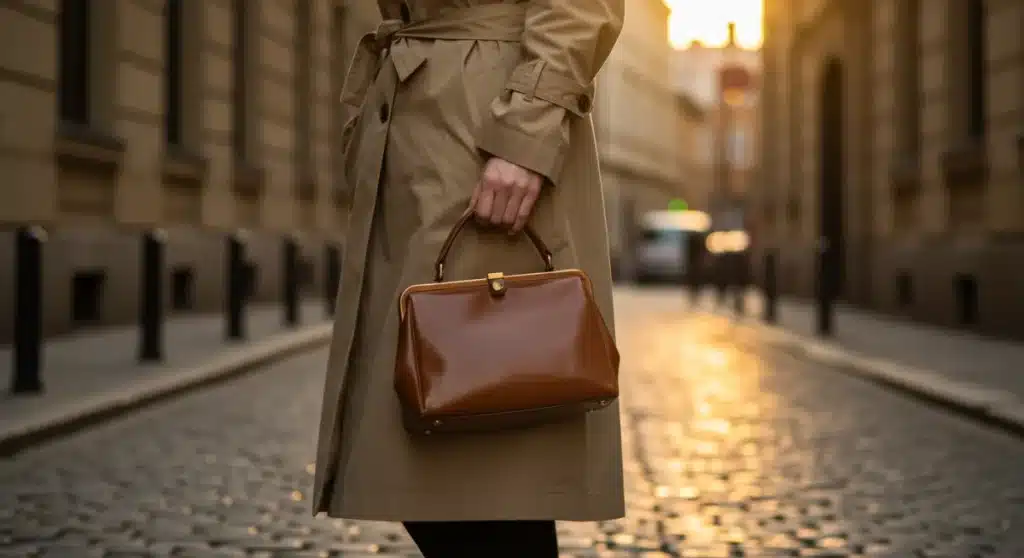
The significant comeback of vintage designer pieces is primarily fueled by a growing emphasis on sustainable consumption, the quest for distinctive individuality in personal style, and the enduring financial value these timeless luxury items offer to discerning consumers.
In an era increasingly defined by fast fashion and fleeting trends, the enduring appeal of luxury is finding a new expression. There’s a palpable shift in consumer behavior, with a growing fascination and demand for pre-owned, classic items. This phenomenon begs the question: why vintage designer pieces are making a major comeback in the fashion landscape today?
The Allure of Authenticity and Craftsmanship
Vintage designer pieces offer more than just a garment or an accessory; they provide a tangible connection to fashion history and a testament to unparalleled craftsmanship. Unlike many contemporary items, older designer pieces were often constructed with meticulous attention to detail and superior materials, built to last for generations.
This commitment to quality is a significant draw for today’s discerning consumer. They seek items that not only stand out but also withstand the test of time, both in terms of durability and aesthetic relevance. The stories embedded within each piece, from its original owner to its journey through decades, add an irreplaceable layer of charm and exclusivity.
Superior Materials and Construction
Many vintage luxury items predate the era of mass production and cost-cutting measures. This often means they feature:
- High-quality leathers: Full-grain or top-grain leathers, often aged beautifully.
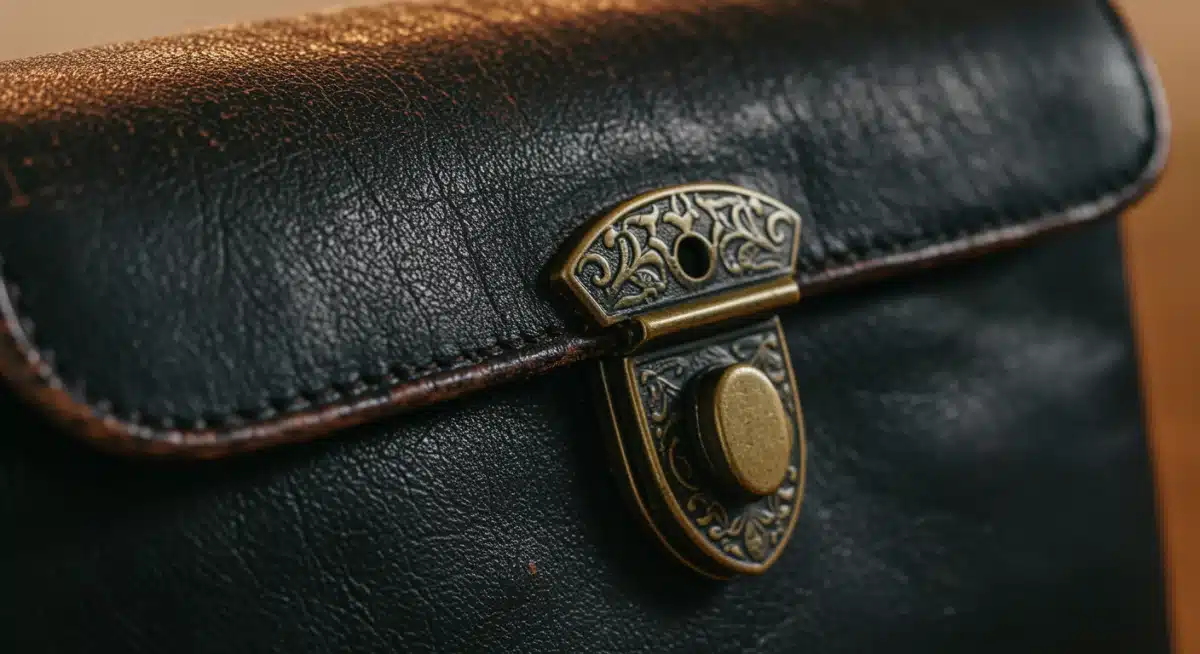
- Durable hardware: Solid brass, gold-plated, or other robust metals that resist tarnishing.
- Hand-finished details: Hand-stitching, intricate embellishments, and custom linings that speak to artisanal skill.
The construction techniques employed in older designer pieces often reflect a higher standard of production. Brands prioritized longevity and repairability, creating items that were meant to be cherished and maintained, rather than discarded after a season. This inherent quality makes them highly desirable in a market saturated with disposable goods.
Ultimately, the authenticity and superior craftsmanship found in vintage designer pieces provide a compelling reason for their resurgence. They represent a return to quality over quantity, offering consumers a unique blend of heritage, durability, and timeless style that is increasingly hard to find in new luxury goods.
Sustainability as a Driving Force
The fashion industry’s environmental impact is a growing concern, prompting consumers to seek more responsible alternatives. The decision to invest in vintage designer pieces is increasingly viewed as a conscious choice towards sustainability, aligning personal style with ecological values.
By purchasing pre-owned items, consumers actively participate in the circular economy, reducing demand for new production and minimizing waste. This shift reflects a broader societal movement towards mindful consumption, where the lifespan of products is extended, and resources are conserved. The environmental benefits are substantial, making vintage not just a trend, but a statement of ethical commitment.
Reducing Environmental Footprint
Choosing vintage over new directly contributes to lessening the fashion industry’s carbon footprint. This impact includes:
- Decreased raw material extraction: Less demand for cotton, leather, silk, and other virgin materials.
- Lower energy consumption: Avoidance of energy-intensive manufacturing processes.
- Reduced waste generation: Keeping items out of landfills and extending their lifecycle.
The environmental case for vintage fashion is compelling. Each pre-owned purchase prevents another item from being produced, thereby saving water, reducing pollution from dyes and chemicals, and mitigating greenhouse gas emissions associated with manufacturing and transportation. This eco-conscious aspect appeals strongly to a generation of consumers who prioritize environmental stewardship.
The sustainability narrative is a powerful catalyst for the current comeback of vintage designer pieces. It allows individuals to enjoy luxury fashion without contributing to its negative environmental consequences, fostering a sense of responsibility and forward-thinking style. This alignment of values positions vintage as a smart, stylish, and sustainable choice for the modern consumer.
The Quest for Uniqueness and Individuality
In a world of mass-produced fashion and pervasive social media trends, many individuals are yearning for a style that truly reflects their individuality. Vintage designer pieces offer an unparalleled opportunity to stand out from the crowd, providing unique items that are often one-of-a-kind or produced in limited quantities.
This desire for distinctiveness goes beyond simply avoiding what everyone else is wearing; it’s about crafting a personal narrative through clothing and accessories. Vintage items carry a history, a character that cannot be replicated by new goods. They allow wearers to express their personality, taste, and appreciation for timeless design in a way that feels authentic and deeply personal.
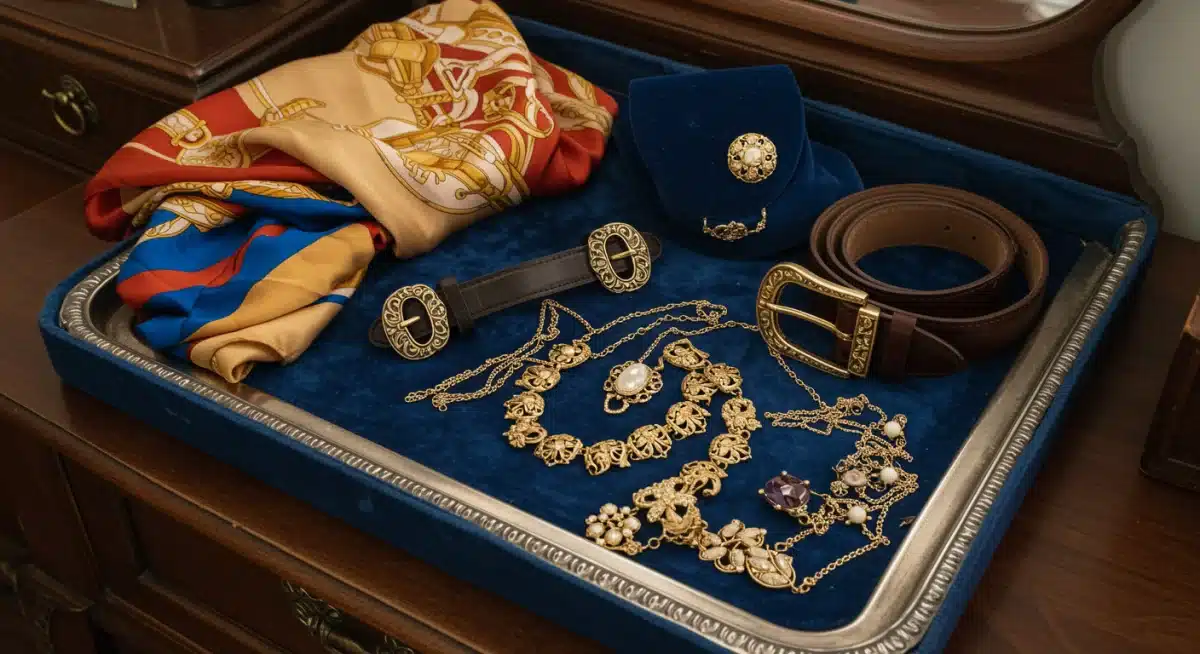
Beyond the Mainstream
Opting for vintage means stepping away from the seasonal dictates of contemporary fashion. It provides access to:
- Rare finds: Pieces no longer in production, offering true exclusivity.
- Distinctive aesthetics: Designs from different eras that provide a unique silhouette or detail.
- Curated collections: The ability to build a wardrobe that tells a story and showcases personal style.
The thrill of discovery associated with finding a rare vintage gem is a significant part of its appeal. It’s an antidote to the homogeneity often seen in modern retail, allowing fashion enthusiasts to curate a collection that is genuinely their own. This pursuit of unique items fosters a sense of personal connection and pride in one’s wardrobe.
Ultimately, the yearning for individuality and the desire to express a distinct personal style are powerful drivers behind why vintage designer pieces are making a major comeback. These items offer a refreshing alternative to mainstream fashion, enabling consumers to cultivate a look that is both unique and deeply meaningful.
Investment Value and Accessibility
Beyond their aesthetic and ethical appeal, vintage designer pieces are increasingly recognized for their investment potential. Certain brands and specific models appreciate in value over time, making them not just fashion statements but also tangible assets. This financial aspect adds another layer of allure for savvy consumers looking for smart purchases.
Moreover, the rise of online resale platforms and brick-and-mortar vintage boutiques has made luxury items more accessible than ever. What was once a niche market has blossomed into a thriving ecosystem, offering a wider range of options and price points. This increased accessibility democratizes luxury, allowing more individuals to partake in the world of designer fashion.
Appreciation Over Time
Not all vintage items appreciate, but many iconic designer pieces have proven to be sound investments. Factors influencing value include:
- Brand heritage: Established luxury houses with a strong legacy.
- Rarity: Limited edition pieces or those no longer produced.
- Condition: Well-preserved items command higher prices.
- Demand: Popularity driven by fashion trends and celebrity endorsements.
The investment angle transforms a fashion purchase into a strategic decision, where an item can potentially retain or even increase its value. This perspective encourages a more thoughtful approach to consumption, moving away from impulsive buys towards considered acquisitions that offer both style and financial prudence.
The combination of potential investment returns and enhanced accessibility through modern resale channels plays a crucial role in understanding why vintage designer pieces are making a major comeback. They offer a financially intelligent way to engage with luxury, making high-end fashion more attainable and sustainable in the long run.
Nostalgia and the Influence of Pop Culture
Nostalgia is a powerful emotional force, and in fashion, it often manifests as a cyclical return to past styles. Vintage designer pieces tap into this sentiment, evoking memories of bygone eras and offering a sense of comfort and familiarity. This emotional connection is a significant factor in their renewed popularity, as consumers seek pieces that resonate with a sense of history or personal memory.
Furthermore, pop culture, including film, television, and social media, plays a substantial role in popularizing vintage trends. When celebrities or influential figures are seen sporting classic designer items, it often sparks a widespread desire for similar pieces, driving demand and reaffirming their relevance in contemporary fashion.
Cultural Reverence and Red Carpet Moments
The influence of pop culture on vintage fashion is undeniable. Key elements include:
- Iconic film costumes: Designs from classic movies inspiring modern fashion.
- Celebrity vintage looks: Red carpet appearances showcasing archival pieces.
- Social media trends: Influencers popularizing specific vintage aesthetics.
When an actress wears a vintage gown to an awards ceremony, or a musician sports a classic designer accessory, it immediately elevates the desirability of such items. These moments create a cultural buzz, making vintage feel aspirational and relevant to a new generation. The stories behind these pieces, often highlighted in media, further enhance their mystique and appeal.
The interplay of nostalgia and pop culture’s influential reach provides a compelling explanation for why vintage designer pieces are making a major comeback. They offer a blend of historical charm and contemporary relevance, making them highly desirable for those who appreciate both the past and the present in their style choices.
The Evolution of the Resale Market
The landscape of luxury fashion has been dramatically reshaped by the evolution of the resale market. What was once a fragmented and often unreliable domain has transformed into a sophisticated, multi-billion-dollar industry. This maturation of the resale sector is a critical component in understanding why vintage designer pieces are making a major comeback.
Advanced authentication technologies, professional consignment services, and user-friendly online platforms have instilled confidence in buyers and sellers alike. The ease of access, combined with a guarantee of authenticity, has removed many traditional barriers to purchasing pre-owned luxury, making it a viable and attractive option for a broader audience.
Key Factors in Resale Market Growth
Several innovations have propelled the resale market forward:
- Authentication technology: AI-powered tools and expert human verification combating counterfeits.
- Online marketplaces: Global platforms connecting buyers and sellers efficiently.
- Professional curation: Specialized services that select and present high-quality vintage items.
These developments have professionalized the vintage market, making it far more trustworthy and accessible than in previous decades. Consumers can now browse extensive inventories from the comfort of their homes, with assurances of authenticity and detailed condition reports. This streamlined process has significantly contributed to the mainstream acceptance and popularity of vintage luxury goods.
The sophisticated evolution of the resale market is undeniably a cornerstone of the vintage designer comeback. By providing a secure, reliable, and convenient avenue for acquiring pre-owned luxury, it has empowered consumers to embrace vintage fashion with unprecedented enthusiasm and confidence.
| Key Point | Brief Description |
|---|---|
| Sustainability Focus | Buying vintage reduces environmental impact by extending product lifecycles and decreasing new production demand. |
| Unique Style & Individuality | Vintage items offer distinctiveness and a personal narrative, allowing wearers to stand out from mass-produced trends. |
| Investment Value | Certain vintage designer pieces appreciate in value, making them smart fashion investments. |
| Enhanced Accessibility | The flourishing online resale market and authentication services have made vintage luxury more attainable. |
Frequently Asked Questions About Vintage Designer Pieces
Vintage designer items are sustainable because purchasing them reduces the demand for new production, thereby conserving resources, minimizing waste, and lowering the carbon footprint associated with manufacturing. It promotes a circular economy by extending the life cycle of existing goods.
To ensure authenticity, purchase from reputable sellers, dedicated vintage boutiques, or established online platforms known for their rigorous authentication processes. Look for detailed photos, original receipts if available, and familiarize yourself with brand-specific authenticity markers. Many services offer expert verification.
Not all vintage designer pieces appreciate in value. The investment potential depends on factors such as the brand’s prestige, the item’s rarity, its condition, and current market demand. Iconic and limited-edition items from highly sought-after brands tend to hold or increase their value best.
The best places to buy vintage designer fashion include high-end consignment stores, curated vintage boutiques, and specialized online luxury resale platforms. These channels often provide authentication, detailed product descriptions, and a wider selection of quality items, ensuring a reliable shopping experience.
Vintage designer items often feature superior craftsmanship, higher quality materials, and unique designs no longer in production. They carry a distinct history and character that new items lack, allowing for a more individual and personal style expression, setting them apart from contemporary mass-produced goods.
Conclusion
The resurgence of vintage designer pieces is far more than a fleeting trend; it represents a fundamental shift in how consumers approach luxury fashion. Driven by a powerful combination of authenticity, sustainability, the desire for unique personal style, and tangible investment value, these timeless items are cementing their place in modern wardrobes. The evolution of the resale market, offering unprecedented accessibility and reliability, has further fueled this movement, allowing a new generation to appreciate the artistry and enduring quality of past eras. As awareness grows about fashion’s environmental impact and the appeal of individuality intensifies, the comeback of vintage designer pieces is set to continue, proving that true style, like true value, is indeed timeless.